How to Freshen Your Car Interior and Remove Bad Odors
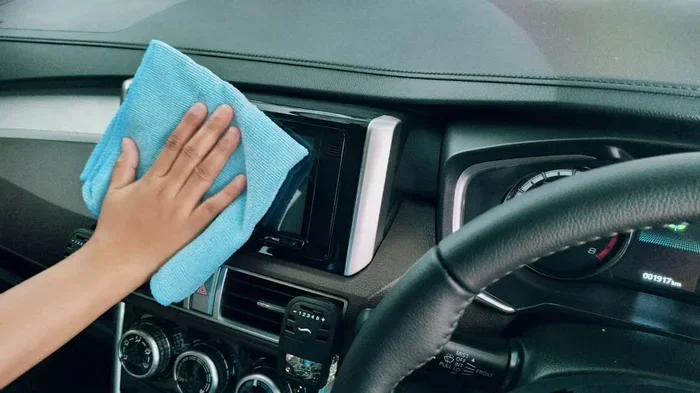
Finding out how to freshen car interior is easier than most people think. With the right cleaning routine, natural deodorizers, and a few smart daily habits, you can eliminate bad car smells in under an hour. This guide walks you through every step to get your vehicle smelling fresh again.
There is nothing worse than getting into your car and being hit with a wave of bad smell. Whether it is old food, pet odors, or that mysterious dampness that lingers after rain, a stinky car interior is annoying. The good news is that how to freshen car interior is something anyone can learn. You do not need expensive products or a professional detailer. With a few simple steps and the right approach, you can make your car smell like a fresh breeze again.
Many people reach for a cheap air freshener hanging from the rearview mirror and call it done. But that only masks the problem temporarily. Real freshness comes from cleaning, deodorizing, and maintaining your car interior properly. This guide covers everything you need to know. From deep cleaning tricks to natural odor absorbers, you will find practical advice that actually works.
Let us be honest. A clean-smelling car makes every drive better. It lifts your mood, impresses passengers, and keeps your vehicle feeling new longer. Whether you deal with everyday smells or stubborn odors that refuse to leave, this article has you covered. Let us dive in.
Key Takeaways
- Deep cleaning is the foundation: You must remove the source of the odor before adding any freshener.
- Natural remedies work wonders: Baking soda, vinegar, and charcoal are safe, affordable, and highly effective.
- Placement matters: Just like where you place a plant on your desk, where you put your car freshener affects how well it works.
- Consistency beats intensity: A quick weekly routine keeps bad smells from building up.
- Avoid common mistakes: Spraying too much perfume or ignoring hidden stains makes odors worse.
- Natural elements help: Adding plants to your car, similar to decorating an office desk with plants, improves air quality naturally.
📑 Table of Contents
- Why Your Car Interior Gets Stinky
- How to Freshen Car Interior: A Step-by-Step Guide
- Natural Remedies to Remove Bad Car Odors
- Best Products for Car Interior Freshening
- How to Keep Your Car Smelling Fresh Long-Term
- Common Mistakes to Avoid When Freshening Your Car
- Expert Tips for Long-Lasting Car Freshness
- Conclusion
Why Your Car Interior Gets Stinky
Before you learn how to freshen car interior, it helps to understand why smells build up in the first place. Cars are enclosed spaces with limited airflow. This means odors stick around much longer than they would in an open room. Several common causes lead to bad car smells.
Food and Drink Spills
Crumbs in the seat crevices and spilled coffee in the carpet create a breeding ground for bacteria. These bacteria break down organic matter and release foul-smelling compounds. Even small spills you do not notice can cause big problems over time. That forgotten sandwich under the seat is probably worse than you think.
Moisture and Humidity
Rain, spilled water, and even humidity from wet clothes get trapped inside your car. Moisture promotes mold and mildew growth. These fungi produce a musty smell that is very hard to get rid of. Windows left cracked open during a storm or wet umbrellas stored in the trunk can introduce excess moisture.
Pets and Smoking
If you have pets or smoke in your car, the odors seep into upholstery and carpet fibers. Pet dander, hair, and skin oils build up over time. Cigarette smoke coats every surface with a sticky residue. These types of smells need more than a surface spray to remove.
Age and Wear
Older cars develop a natural mustiness as materials break down. Vinyl, plastic, and leather all emit odors as they age. UV exposure worsens this process. A car that sits parked in the sun for years will develop a stale smell that is tough to eliminate.
How to Freshen Car Interior: A Step-by-Step Guide
Now that you know what causes car odors, let us walk through the process of removing bad car smell step by step. This method works for almost any type of odor. Follow each step in order for the best results.
Step One: Remove Everything from the Car
Start by taking out all trash, floor mats, seat covers, and personal items. You cannot clean properly if stuff is in the way. Check under seats, in cup holders, and in the trunk. Remove any food wrappers, old bottles, or forgotten items. This alone often removes the source of the smell.
Think of this step like organizing a study desk before you start cleaning. You need a clear workspace to do a proper job. The same principle applies to your car interior.
Step Two: Vacuum Thoroughly
Use a vacuum cleaner with a crevice tool and a brush attachment. Vacuum every seat, the floor, the trunk, and all the nooks and crannies. Pay extra attention to seams and folds in the upholstery where dirt hides. Go over each area twice if needed.
For hard-to-reach spots, use a small handheld vacuum or even a dusting brush wrapped in a microfiber cloth. Remove as much loose dirt, dust, and debris as possible. This step is essential before you apply any cleaning solution.
Step Three: Clean All Surfaces
Wipe down every hard surface with an appropriate cleaner. Use a dashboard cleaner for plastic and vinyl parts. For leather seats, use a leather-safe cleaner and conditioner. For fabric seats and carpet, use an upholstery cleaner.
Do not just spray and wipe. Work the cleaner into the fabric with a soft brush. This loosens embedded dirt and odor-causing particles. Pay special attention to areas near the doors, where people touch and spill most often.
Step Four: Treat Odors at the Source
After cleaning, apply an odor treatment. This is where you actually eliminate bad car smell instead of just covering it up. Sprinkle baking soda on fabric seats and carpet. Let it sit for at least 30 minutes, then vacuum it up. Baking soda absorbs odors naturally and safely.
For stubborn smells, spray a solution of white vinegar and water (equal parts) on fabric surfaces. Let it dry completely. Vinegar neutralizes odor molecules rather than masking them. It may smell strong at first, but the smell disappears as it dries, taking the bad odor with it.
Step Five: Air Out the Car
Open all doors and windows wide. Let the car sit in a shaded, well-ventilated area for at least 30 minutes. Fresh air circulation removes residual odors and moisture. If weather permits, leave the car with the windows down overnight for the best results.
If you want faster results, use a fan pointed into the car. This forces fresh air through the interior and speeds up the drying and deodorizing process.
Step Six: Add a Long-Lasting Freshener
Once the car is clean and dry, add a quality car air freshener to maintain freshness. Choose a light, natural scent rather than a strong synthetic one. Options include vent clips, gel fresheners, or essential oil diffusers designed for cars.
Where you place your freshener matters. Just like placing a plant on your desk in the right spot makes a difference, the placement of your car freshener affects its performance. Avoid placing it directly in front of the air vent, as the airflow can dry it out too quickly. Instead, place it in the cup holder or under a seat where it can slowly release fragrance.
Natural Remedies to Remove Bad Car Odors
Chemical fresheners are not your only option. Many natural car deodorizer solutions work just as well, if not better. They are also safer for your health and the environment. Here are the best natural options for freshening vehicle interior naturally.
Baking Soda
Baking soda is one of the most effective odor absorbers available. It works by neutralizing acidic odor molecules. Sprinkle a generous amount on your car seats, carpet, and floor. Let it sit for several hours or overnight. Vacuum it up thoroughly. For ongoing freshness, keep an open box of baking soda in your trunk.
White Vinegar
White vinegar is a natural disinfectant and deodorizer. Mix equal parts vinegar and water in a spray bottle. Lightly mist your car’s fabric surfaces and upholstery. The vinegar smell fades as it dries, taking unpleasant odors with it. This works especially well for pet smells and smoke odors.
Activated Charcoal
Activated charcoal is highly porous and absorbs moisture and odor molecules effectively. Place a few charcoal briquettes or activated charcoal bags in your car overnight. They will soak up stubborn smells like a sponge. This method is excellent for musty, damp odors caused by moisture.
Essential Oils
Essential oils like lavender, peppermint, and lemon add a pleasant natural scent to your car. Add a few drops to a small cloth or cotton ball and place it in the cup holder. You can also mix them with water in a spray bottle for a light mist. Essential oils also have antibacterial properties that help keep your car interior clean.
Coffee Grounds
Used coffee grounds are a surprisingly effective odor absorber. Place a small bowl of dried coffee grounds in your car overnight. They neutralize strong smells like food odors and smoke. Coffee also leaves behind a mild, pleasant scent that many people enjoy.
Best Products for Car Interior Freshening
While natural remedies work great, some products are designed specifically for car interior cleaning and odor removal. Here are some of the best options available.
Car Air Fresheners
Vent clips and dashboard fresheners are the most popular options. They release a steady, light scent over time. Look for products that use natural essential oils rather than synthetic fragrances. Brands like Mrs. Meyer’s and Febreze make car-specific versions that work well.
Upholstery and Carpet Cleaners
A good upholstery cleaner is essential for deep cleaning fabric seats and carpet. Foaming formulas work well because they penetrate deep into fibers. Look for cleaners that include odor-neutralizing enzymes. These enzymes break down the organic compounds that cause bad smells.
Interior Detail Sprays
Interior detail sprays clean and freshen hard surfaces in one step. They leave a protective coating that repels dust and dirt. Use these on your dashboard, door panels, and center console after every wash for ongoing freshness.
Odor Eliminator Sprays
Unlike air fresheners that only mask smells, odor eliminator sprays neutralize odor molecules at the source. Look for products that use enzymatic or oxidizing formulas. These are especially effective for pet odors and smoke smells.
How to Keep Your Car Smelling Fresh Long-Term
The real secret to a fresh car scent is prevention. Once you have removed bad odors, you want to keep them from coming back. A few simple habits make a huge difference in auto interior freshness.
Keep Trash Removed Daily
Make it a habit to empty your car trash every time you exit the vehicle. Food wrappers, receipts, and drink containers all contribute to odor buildup over time. Keep a small trash bag in your car and empty it regularly.
Use Floor Mats and Seat Covers
Floor mats protect your carpet from spills and dirt. Seat covers shield upholstery from sweat, food crumbs, and pet hair. Both are easy to remove and wash, which keeps your car interior cleaner for longer.
Avoid Eating in the Car
This is one of the hardest habits to break, but it makes the biggest difference. Crumbs, spills, and food wrappers all create odor sources. If you must eat in the car, choose dry foods and keep napkins handy for quick cleanup.
Run the Air Conditioning Regularly
Even in winter, run your air conditioning for a few minutes once a week. This dries out the AC system and prevents mold and mildew growth. Moisture trapped in the AC system is one of the leading causes of musty car smells.
Add Natural Air Purifiers
Consider adding small plants to your car for natural air purification. Just like taking care of a desk plant requires regular attention, car plants need maintenance too. Choose small, low-maintenance plants that thrive in low light. Succulents and air plants are excellent choices for cars.
Schedule Regular Deep Cleans
Every few months, give your car a thorough deep clean. Vacuum, wipe down all surfaces, and treat any stains immediately. Regular maintenance prevents odors from building up and becoming difficult to remove.
Common Mistakes to Avoid When Freshening Your Car
Many people make mistakes that actually make car odors worse. Avoid these common pitfalls to get the best results from your car odor removal efforts.
Using Too Much Perfume or Air Freshener
Overpowering scents do not eliminate odors. They just mix with the bad smell and create a worse chemical odor. Use fresheners sparingly and focus on cleaning first.
Ignoring Hidden Stains and Spills
Odors often come from stains you cannot see. Check under seats, in seat seams, and beneath floor mats. If you ignore these hidden spots, the smell will keep coming back no matter how much freshener you use.
Using the Wrong Cleaning Products
Some household cleaners are too harsh for car interiors. They can damage upholstery, leave residues, or create chemical odors. Always use products designed for automotive interiors or test them on a hidden area first.
Leaving Wet Items in the Car
Wet towels, umbrellas, and gym bags introduce moisture that leads to mold and mildew. Always dry items before storing them in your car and remove wet items as soon as possible.
Skipping the Ventilation Step
Many people rush through the cleaning process and skip airing out the car. Proper ventilation is critical for removing moisture and residual odors. Always let your car air dry completely before closing it up.
Expert Tips for Long-Lasting Car Freshness
Here are some pro tips that take your car interior cleaning routine to the next level. These small changes make a big difference in maintaining a clean car interior that smells great every time you drive.
First, keep a small cleaning kit in your car. Include a mini vacuum, microfiber cloths, and a small spray bottle of upholstery cleaner. This lets you handle spills and messes immediately before they become permanent odors.
Second, swap out your cabin air filter regularly. A dirty cabin filter traps moisture and odor-causing particles, blowing them back into the car. Replace it every 12,000 to 15,000 miles for optimal air quality.
Third, use a steam cleaner for deep fabric cleaning. Steam kills bacteria and removes embedded odors from deep within upholstery fibers. You can rent a steam cleaner at most auto parts stores if you do not own one.
Fourth, consider professional detailing once or twice a year. A professional detailer has access to industrial-grade cleaning equipment and solutions that reach deep into your car’s materials. This is especially helpful for persistent odors that home treatments cannot fully resolve.
Finally, pay attention to your car’s ventilation system. Clean the air vents with a detailing brush and a mild cleaner. Dust and debris accumulate in vent slats and can contribute to stale smells every time you turn on the fan.
Conclusion
How to freshen car interior does not have to be complicated or expensive. The key is to clean thoroughly, treat odors at the source, and maintain good habits going forward. Start with a deep clean using the step-by-step method in this guide. Then use natural remedies like baking soda, vinegar, and charcoal for ongoing freshness.
Choose the right products, avoid common mistakes, and keep up with a simple weekly routine. Your car will smell fresh and inviting every time you get behind the wheel. A clean, fresh-smelling car is a small luxury that makes every drive more enjoyable. Start today and enjoy the difference a clean car makes.
Remember that consistency is everything. A few minutes of care each week prevents odors from building up and becoming a major problem. Your car is an extension of your home, and it deserves the same care and attention you give your living space. With the tips in this guide, you have everything you need to keep your car interior smelling its best all year long.
Frequently Asked Questions
What is the fastest way to remove bad smells from a car?
The fastest way is to start by removing all trash and floor mats, then vacuum thoroughly. Sprinkle baking soda on fabric surfaces and let it sit for 30 minutes before vacuuming it up. Spray white vinegar solution on any remaining odor spots and air out the car with all windows open. This combination can eliminate most smells within a few hours.
Can I use household air fresheners in my car?
You can, but household air fresheners are often too strong for the small enclosed space of a car. They may contain chemicals that can irritate your eyes or lungs in a confined area. It is better to use car-specific fresheners or natural alternatives like essential oils and activated charcoal.
How often should I deep clean my car interior?
Aim to do a thorough deep clean every two to three months. However, quick maintenance like vacuuming and wiping surfaces should happen weekly. If you eat in your car or have pets, you may need to clean more frequently to prevent odor buildup.
Are car air fresheners safe for children and pets?
Many commercial car air fresheners contain synthetic fragrances and chemicals that can be irritating to children and pets. Opt for natural, essential oil-based fresheners or use open bowls of baking soda and activated charcoal. These are completely safe and non-toxic for everyone in the vehicle.
What causes a musty smell in a car even after cleaning?
A persistent musty smell usually indicates hidden moisture or mold. Check for leaks around windows, door seals, and the trunk area. Inspect the cabin air filter, as a damp filter can breed mold. Also look under floor mats and in seat crevices where moisture can collect unnoticed.
Do car plants really help freshen the interior?
Yes, small plants can help improve air quality inside your car by absorbing carbon dioxide and releasing oxygen. However, plants alone are not enough to eliminate strong odors. They work best as part of a broader freshening strategy that includes regular cleaning and proper ventilation.