The Ultimate Guide to Prepping a Winter Car Emergency Kit
A winter car emergency kit is your first line of defense when cold weather strikes on the road. This guide walks you through every essential item, from blankets and flares to traction aids and backup power. You will learn how to pack, store, and maintain your kit so you are always road-ready.
Winter driving can be beautiful. Snow-covered roads, crisp air, and quiet landscapes make for a peaceful drive. But winter weather also brings real dangers. Roads freeze. Visibility drops. Cars break down in the cold. That is exactly why you need a winter car emergency kit ready to go.
A winter car emergency kit is not just a nice-to-have. It is a survival tool. When your car stalls on a frozen highway or you get stuck in a snowbank, the right supplies can mean the difference between a quick fix and a dangerous situation. Many people overlook this simple step. They assume help is always nearby. But winter storms can delay rescue teams for hours. Being prepared is the smartest thing you can do.
This guide covers everything you need to know. From the core items every kit should have to advanced tips for extreme cold, you will find practical advice you can use right away. Let us dive in and build a kit that will actually keep you safe.
Key Takeaways
- Pack the essentials first: blankets, water, food, flashlight, and a first aid kit should always be in your car during winter.
- Organize like you would a study desk: use a how-to organize a study desk approach to keep your kit tidy and accessible.
- Check your kit every season: expired food, dead batteries, and worn gear need replacing before winter hits.
- Add cold-weather specific items: ice scrapers, sand bags, jumper cables, and hand warmers make a big difference.
- Safety matters most: flares, reflective triangles, and a charged phone backup keep you visible and connected.
📑 Table of Contents
- Why a Winter Car Emergency Kit Matters
- Core Items Every Winter Car Emergency Kit Needs
- How to Organize Your Winter Car Emergency Kit
- Advanced Items for Extreme Winter Conditions
- Quick Tips for Maintaining Your Winter Car Emergency Kit
- Common Mistakes to Avoid
- Expert Insights: What Winter Driving Professionals Recommend
- Conclusion
Why a Winter Car Emergency Kit Matters
Cold weather puts extra stress on your vehicle. Batteries lose power. Tires lose grip. Fluids thicken. When something goes wrong, you need supplies fast. A car emergency kit for winter gives you the tools to handle problems on your own.
The Risks of Winter Driving
Winter driving comes with unique risks. Black ice forms without warning. Snow piles up quickly. Temperatures can drop fast, especially after sunset. In these conditions, a simple breakdown can turn serious fast. You might face frostbite, hypothermia, or carbon monoxide exposure if you are not careful. A well-stocked winter roadside emergency kit helps you manage these risks.
Here are some real scenarios where a winter car survival kit saves the day:
- Stranded in a snowstorm: You need warmth, light, and water while waiting for help.
- Dead battery in freezing temps: Jumper cables and a portable charger get you going again.
- Blocked windshield: An ice scraper and de-icer spray keep you visible and safe.
- Flat tire on icy roads: A traction mat and spare tire let you get back on the road.
Each of these situations is more common than people think. The good news is that preparing for them is simple and affordable.
Core Items Every Winter Car Emergency Kit Needs
When you are building your emergency car kit for winter, start with the basics. These are the items you cannot do without. Think of them as your foundation. Everything else you add builds on top of these essentials.
Warmth and Shelter
Staying warm is your top priority in a winter emergency. Cold temperatures can cause hypothermia fast, especially if you are wet or sitting still. Pack these warmth essentials:
- Emergency thermal blankets: They fold small and retain body heat incredibly well.
- Extra winter jacket and gloves: Pack a full set of cold-weather clothing you can layer up in.
- Wool socks and a hat: You lose a lot of heat through your head and feet.
- Hand and toe warmers: These small packets generate heat for hours and fit easily in a glove box.
- Emergency sleeping bag: A compact bivy bag keeps you warm through the night if needed.
Lighting and Visibility
When your car is stopped in the dark, you need to see and be seen. Good lighting gear is a must. Consider keeping a quality flashlight and a small desk lamp in your kit for extended indoor use if you ever need to wait inside a building during a storm. For your car kit, focus on these items:
- LED flashlight with extra batteries: Choose one that is bright, durable, and water-resistant.
- Headlamp: This frees up your hands while you work on your car or set up camp.
- Flares or reflective triangles: These alert other drivers to your presence on the road.
- Reflective vest: Wear it when you exit the car near traffic.
One thing to keep in mind: desk lamps and any heat-producing light source should never be used inside a closed car due to fire risk. Always use battery-powered lights in your vehicle emergency kit.
Food, Water, and First Aid
Your body needs fuel to stay warm and think clearly. Pack non-perishable food and plenty of water. Here is what works well:
- Energy bars and dried fruit: They last long and provide quick calories.
- Bottled water: Store at least one gallon per person per day.
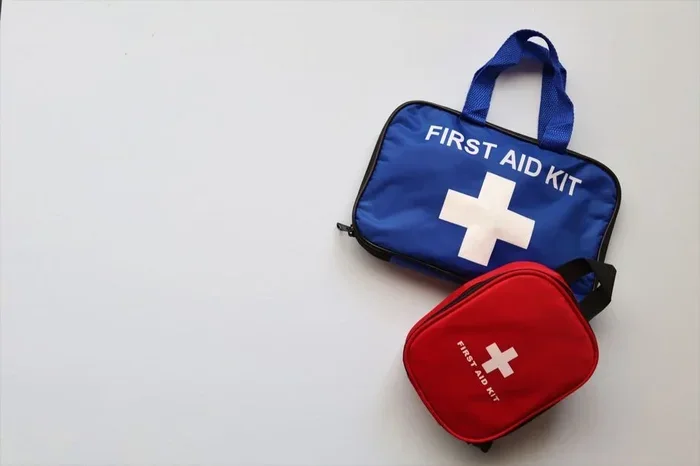
- First aid kit: Include bandages, antiseptic, pain relievers, and any personal medications.
- Blanket and hand warmers: These double as comfort items that also help maintain body temperature.
How to Organize Your Winter Car Emergency Kit
Packing a kit is only half the battle. You also need to keep it organized so you can find things fast. A cluttered kit is a useless kit. Think about how you would set up a study desk — everything has a place, and you know where to find it. Apply that same logic to your car kit.
Storage Tips for Your Kit
Use a sturdy tote bag or a dedicated plastic bin to hold all your supplies. Here are some tips to keep things in order:
- Group items by category: Keep warmth items together, lighting together, and food together.
- Use clear zip bags: They let you see contents at a glance and protect items from moisture.
- Label everything: A simple piece of tape with a label saves you time in an emergency.
- Keep the kit accessible: Store it in the trunk or under a seat where you can grab it fast.
When you organize your winter car emergency kit the right way, you will not waste time digging through stuff when the temperature drops and you need help fast.
Seasonal Rotation of Supplies
Not all items last forever. Water bottles, food, and batteries have expiration dates. Set a reminder every fall to go through your emergency car kit and replace anything that is old or used up. This simple habit keeps your kit reliable all winter long.
Advanced Items for Extreme Winter Conditions
If you live somewhere with harsh winters, consider adding these advanced items. They take your winter vehicle emergency kit to the next level and give you extra peace of mind.
Traction and Recovery Tools
Getting stuck in snow or ice is frustrating and sometimes dangerous. These tools help you get moving again:
- Traction mats: Place them under your tires for grip on ice and snow.
- Sand or cat litter bags: A small bag adds weight and traction to your rear wheels.
- Small shovel: A compact folding shovel lets you dig out your wheels fast.
- Windshield ice scraper: A sturdy scraper clears frost and ice in seconds.
Power and Communication
Your phone is one of your most important tools in an emergency. Keep it powered with these items:
- Portable power bank: A high-capacity bank keeps your phone charged for days.
- Car charger cable: Always have one in your kit that matches your phone.
- Battery-powered radio: If cell towers go down, a radio keeps you connected to emergency broadcasts.
- Jumper cables: A dead battery is one of the most common winter car problems.
Quick Tips for Maintaining Your Winter Car Emergency Kit
Building the kit is step one. Keeping it in good shape is step two. Follow these quick tips to make sure your winter car emergency kit is always ready when you need it.
- Check your kit every month during winter: A quick glance ensures nothing is missing or expired.
- Replace batteries in flashlights and headlamps: Fresh batteries make all the difference in an emergency.
- Keep your gas tank at least half full: This prevents fuel line freeze and gives you a buffer if you get stuck.
- Test your jumper cables before winter: Corroded cables will not work when you need them most.
- Store water bottles upside down: This prevents the caps from sealing shut over time.
Small maintenance habits add up. They make sure your winter car emergency kit works when it counts the most.
Common Mistakes to Avoid
Even well-meaning drivers make mistakes when prepping their emergency kits. Here are some common ones to watch out for:
- Forgetting water: People pack food but skip water. You need hydration to stay warm and alert.
- Using the wrong container: A flimsy bag tears easily. Use a sturdy, waterproof container.
- Overpacking: Too many items make the kit hard to carry and organize. Stick to the essentials.
- Ignoring seasonal checks: A kit that sits all year without review will have expired food and dead batteries.
- Not testing your gear: A flashlight that has not been turned on in months may not work. Test everything before winter arrives.
Avoiding these mistakes keeps your winter car emergency kit reliable and effective.
Expert Insights: What Winter Driving Professionals Recommend
Winter driving instructors and roadside assistance professionals agree on a few key principles. First, always tell someone your route and expected arrival time before you drive in winter weather. Second, keep your cold weather car kit in the same place every time so you always know where it is. Third, practice pulling out your kit and using the items before you actually need them. Familiarity saves precious time during a real emergency.
Many professionals also recommend adding a small backup phone charger that plugs into your car’s USB port. This ensures you can call for help even if your phone battery dies. A winter vehicle emergency kit is only as good as the tools inside it and your knowledge of how to use them.
Conclusion
Prepping a winter car emergency kit does not have to be complicated or expensive. Start with the core items: warmth, light, food, water, and first aid. Add traction tools and power backups for extra protection. Organize everything neatly and check it regularly. The few hours you spend preparing now could save your life or the lives of your loved ones later. Take action today. Build your kit, check your supplies, and drive into winter with confidence and peace of mind.
Frequently Asked Questions
What should be in a basic winter car emergency kit?
A basic winter car emergency kit should include blankets, a flashlight, extra batteries, water, non-perishable food, a first aid kit, an ice scraper, jumper cables, and hand warmers. These essentials cover warmth, visibility, hydration, and basic car recovery needs.
How often should I check my winter car emergency kit?
You should inspect your winter roadside emergency kit at least once a month during the winter season. Replace any expired food, dead batteries, or used-up items. A quick monthly check keeps everything fresh and ready to go.
Can I use a regular emergency kit for winter driving?
A regular kit covers basic needs, but a winter car survival kit needs cold-specific items like thermal blankets, ice scrapers, traction mats, and extra warm clothing. Winter conditions require additional preparation beyond a standard kit.
Where should I store my winter car emergency kit?
Store your emergency car kit for winter in the trunk or under a rear seat where it is easy to grab. Use a sturdy waterproof container to protect supplies from moisture and cold damage. Make sure the kit does not shift around while driving.
How do I keep water from freezing in my car emergency kit?
Use insulated water bottles or wrap regular bottles in a towel. Store the kit in a heated area of the car when possible. In extreme cold, consider packing water purification tablets as a backup so you can melt snow for drinking water if needed.
What is the most important item in a winter car emergency kit?
The most critical item is a thermal emergency blanket. It retains up to 90% of your body heat and can prevent hypothermia in a cold-weather emergency. Pair it with a flashlight and a first aid kit for a well-rounded safety setup.