Who Makes Maserati and the Full Story Behind the Brand
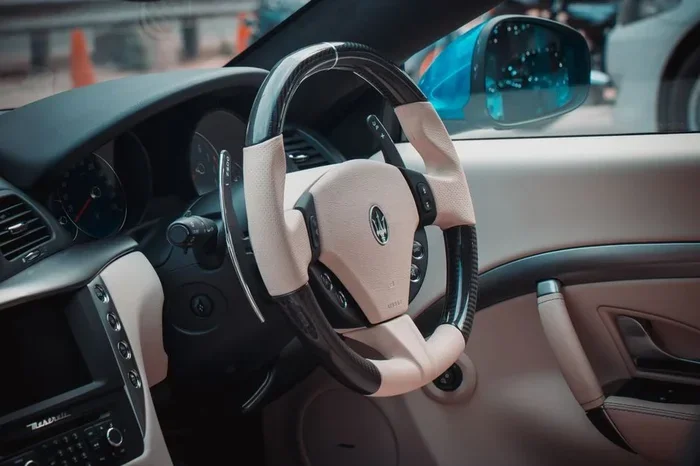
Maserati is an Italian luxury car brand founded in Bologna in 1914 by the Maserati brothers. Today, who makes Maserati traces back to Stellantis, a global automotive giant formed from the merger of Fiat Chrysler and PSA Group. The brand carries a rich racing legacy, stunning Italian design, and a commitment to high-performance luxury vehicles.
Have you ever wondered who makes Maserati and how this iconic Italian brand came to be? Maserati is one of the most recognizable names in the luxury car world. Its sleek designs, roaring engines, and racing pedigree have captivated car lovers for over a century.
The story of who makes Maserati is more than just a corporate ownership tale. It is a story of passion, family, innovation, and the relentless pursuit of speed. From a small workshop in Bologna to the global stage, Maserati has lived a fascinating journey. In this article, we will walk you through every chapter of that story.
Whether you are a car enthusiast, a potential buyer, or just curious about luxury brands, this guide covers everything you need to know. We will explore the founding family, the current parent company, the models that defined the brand, and what the future holds for Maserati cars.
Key Takeaways
- Maserati was founded in 1914 by the six Maserati brothers in Bologna, Italy, originally building racing cars.
- Stellantis currently owns Maserati after a series of ownership changes involving Fiat, Ferrari, and Chrysler.
- The Maserati family played a key role in shaping the brand’s identity, engineering philosophy, and racing DNA.
- Maserati headquarters are in Modena, Italy, though production now spans multiple global facilities.
- Iconic models like the Quattroporte and MC20 showcase the brand’s blend of luxury and performance.
- The brand is investing in electric vehicles to compete in the modern luxury car market.
- Maserati remains a symbol of Italian craftsmanship and motorsport heritage in the luxury auto world.
📑 Table of Contents
- The Origins of Maserati
- Who Owns Maserati Today
- The Maserati Family Legacy
- Maserati’s Iconic Models
- Where Maserati Cars Are Made
- The Future of Maserati
- Quick Tips for Maserati Buyers
- Common Mistakes People Make When Buying Maserati
- Expert Insights on Maserati’s Brand Evolution
- Key Takeaways
- Conclusion
The Origins of Maserati
The Maserati story begins in 1914 in Bologna, Italy. Six brothers, each with a unique talent, came together to build something extraordinary. They were the Maserati family, and their dream was to create cars that could compete on the racetrack and the road.
The Maserati Brothers
The six Maserati brothers were Alfieri, Bindo, Carlo, Ettore, Ernesto, and Mario. Each one brought something special to the table. Alfieri was the visionary leader and chief engineer. He designed the first Maserati engine and set the tone for the brand’s engineering philosophy.
Bindo and Carlo handled the business side. Ernesto focused on racing technology. Ettore managed operations. And Mario, the youngest, chose the famous trident logo inspired by the Fountain of Neptune in Bologna’s Piazza Maggiore.
Together, they built Maserati motors that dominated Italian racing circuits in the 1920s and 1930s. Their cars were fast, reliable, and beautifully engineered. This racing DNA still runs through every Maserati vehicle produced today.
The First Maserati Car
The first Maserati car rolled out in 1926. It was the Tipo 26, and it immediately made a name for itself. The car won its debut race at the Coppa Florio in Sicily. From that moment on, Maserati brand origin was tied to winning.
The brothers continued to innovate. They introduced superchargers, advanced suspension systems, and powerful engines years ahead of their time. Other automakers took notice. Racing teams around the world wanted Maserati engines and cars on their side.
By the 1930s, Maserati was a household name in motorsport. The brand had built a reputation for combining Italian artistry with raw mechanical power. This balance of beauty and performance remains the heart of who makes Maserati today.
Who Owns Maserati Today
Understanding who makes Maserati today means understanding the brand’s ownership journey. Maserati has changed hands several times over the decades. Each new owner brought new resources, challenges, and directions.
The Fiat Connection
In the 1990s, Fiat acquired Maserati. This was a turning point for the brand. Fiat invested heavily in modernizing production and expanding the model lineup. Suddenly, Maserati had the financial backing to compete with established luxury brands like BMW and Mercedes-Benz.
Fiat also partnered with Chrysler in 2012. This merger created Fiat Chrysler Automobiles, or FCA. Under FCA, Maserati gained access to new platforms, technology, and global distribution networks. The brand started selling cars in more markets than ever before.
Then, in 2021, everything changed again. Fiat Chrysler merged with PSA Group, the French automaker behind Peugeot and Citroën. The new company was named Stellantis. Today, Stellantis is the parent company that makes Maserati cars possible at scale.
Stellantis and the Maserati Brand
Stellantis is now one of the largest automotive groups in the world. It owns brands like Jeep, Ram, Peugeot, Alfa Romeo, and of course, Maserati. The company provides Maserati with shared technology platforms, supply chains, and global reach.
However, Maserati still operates with a strong sense of Italian identity. Its design center in Modena and Viale Ciro Menotti remains the creative heart of the brand. Engineers and designers there work to ensure every Maserati car feels distinctly Italian, even if some production happens elsewhere.
So when you ask who makes Maserati, the short answer is Stellantis. But the deeper answer is that a global team of Italian designers, engineers, and craftspeople bring the brand to life.
The Maserati Family Legacy
The Maserati family’s influence on the brand cannot be overstated. Even after the brothers moved on from day-to-day operations, their vision shaped the company for decades.
Alfieri Maserati’s Vision
Alfieri Maserati was the driving force behind the early brand. He believed that a car should be an extension of the driver’s personality. His engineering philosophy focused on lightweight construction, powerful engines, and precise handling.
Sadly, Alfieri passed away in 1932 at just 44 years old. But his legacy lived on through the cars his brothers continued to build. The Maserati brothers honored his vision by pushing the boundaries of what a luxury sports car could be.
The Trident Logo
The Maserati trident logo is one of the most recognized symbols in the automotive world. It represents strength, elegance, and Italian heritage. The logo draws inspiration from the statue of Neptune in Bologna’s main square.
Every time you see that trident on a car’s grille, you are looking at a piece of the Maserati family’s creative vision. It is a reminder that who makes Maserati is rooted in a family tradition of passion and craftsmanship.
Continuing the Family Spirit
Today, Maserati may not be a family-owned business anymore, but the family spirit endures. The company still values the principles the brothers established: innovation, performance, and beauty. Many current employees at Maserati are third or fourth-generation workers connected to the brand’s roots in Modena.
This continuity gives Maserati a unique authenticity. When you buy a Maserati, you are not just buying a car. You are joining a tradition that stretches back over a hundred years.
Maserati’s Iconic Models
Maserati has produced some of the most beautiful and exciting cars in automotive history. Each model tells a story about the brand’s evolution and its commitment to luxury performance.
The Quattroporte
The Quattroporte is Maserati’s flagship sedan. It has been in production since 1963 and remains one of the most stunning luxury sedans on the road. The name means “four doors” in Italian, and it perfectly captures the car’s blend of sporty performance and everyday practicality.
The latest Quattroporte features a powerful V6 engine, luxurious interiors, and cutting-edge technology. It competes directly with the BMW 7 Series and the Mercedes-Benz S-Class. But the Quattroporte stands out with its Italian flair and racing heritage.
The MC20
The MC20 is Maserati’s latest supercar, and it marks a new era for the brand. Launched in 2020, the MC20 features a mid-engine layout and a proprietary 3.0-liter V6 twin-turbo engine. It produces over 600 horsepower and can reach speeds exceeding 200 mph.
The MC20 stands for “Maserati Corse 2020,” paying homage to the brand’s racing division. It is a statement car that proves Maserati vehicles can still compete with the best supercars in the world. The design is sleek, aggressive, and unmistakably Italian.
The Ghibli and Levante
The Ghibli is Maserati’s compact luxury sedan. It offers a more accessible entry point into the brand while still delivering thrilling performance. The Ghibli comes with a choice of twin-turbo V6 engines and a striking exterior design.
The Levante is Maserati’s luxury SUV. It combines the comfort and space of a modern SUV with the sporty character Maserati is known for. The Levante competes in a crowded luxury SUV segment but holds its own with distinctive styling and strong performance.
The GranTurismo and GranCabrio
The GranTurismo and GranCabrio represent Maserati’s grand tourer philosophy. These cars are designed for long, comfortable drives with style and speed. The GranTurismo is a coupe, while the GranCabrio is its convertible counterpart.
Both models feature luxurious interiors, powerful engines, and a refined riding experience. They are perfect for drivers who want the best of both worlds: everyday comfort and weekend excitement.
Where Maserati Cars Are Made
While Maserati’s heart is in Italy, the brand has expanded its production footprint. Understanding where Maserati cars are built gives insight into the brand’s global ambitions.
The Modena Plant
Maserati’s main headquarters and design center are in Modena, Italy. This is where the creative magic happens. Designers sketch new models, engineers develop prototypes, and executives plan the brand’s future.
The Modena plant also handles assembly for some of the brand’s most exclusive models. The MC20, for example, is built by hand at the Maserati Innovation Lab in Modena. This hands-on approach ensures every car meets the brand’s exacting standards.
The Grugliasco Plant
In 2012, Maserati opened a state-of-the-art facility in Grugliasco, near Turin, Italy. This plant, also known as the Mirafiori Engine Plant, produces the brand’s current engine lineup. It is a symbol of Maserati’s commitment to Italian manufacturing excellence.
The Grugliasco plant builds the Nettuno engine found in the MC20. This engine represents years of research and development and showcases Maserati’s engineering prowess. It is a flagship powerplant that sets new standards for the brand.
Global Production and Partnerships
Under Stellantis, Maserati has access to shared manufacturing facilities across Europe and beyond. Some components are sourced globally, but final assembly for most models still takes place in Italy. This ensures that every Maserati vehicle carries the mark of Italian craftsmanship.
The brand is also exploring new partnerships and technologies. Maserati has announced plans to go fully electric by 2028. This transition will require new production capabilities and supply chain partnerships, but the brand remains committed to its Italian roots.
The Future of Maserati
The future of who makes Maserati is exciting and full of possibility. The brand is undergoing a major transformation as it enters the electric vehicle era.
Going Electric
Maserati has set an ambitious goal: all new models will be electric by 2028. The brand’s first fully electric SUV, the Folgore, is already on the market. It features a dedicated electric platform, impressive range, and the performance characteristics Maserati fans expect.
The Folgore represents a new chapter for Maserati. It shows that the brand can embrace modern technology without losing its soul. The driving experience remains engaging, the design remains stunning, and the Italian character remains intact.
Competing in the Luxury EV Market
Maserati faces stiff competition in the luxury EV space. Brands like Tesla, Porsche, and Mercedes-AMG are all vying for the same customers. But Maserati has a unique advantage: its heritage, design flair, and racing pedigree.
When you choose a Maserati, you are not just choosing an electric car. You are choosing a piece of automotive history. The brand’s century-long commitment to performance and luxury gives it a story that no startup can match.
Stellantis and Maserati’s Global Strategy
Stellantis is investing billions in Maserati’s future. The plan includes new models, expanded production, and a stronger focus on electrification. Maserati is positioned to become a key player in Stellantis’s luxury portfolio, alongside brands like Alfa Romeo and DS Automobiles.
The global automotive landscape is changing fast. Electric vehicles, autonomous driving, and new mobility solutions are reshaping the industry. Maserati is ready to adapt while staying true to its core values of luxury, performance, and Italian style.
Quick Tips for Maserati Buyers
- Research the model that fits your lifestyle. Sedans, SUVs, and supercars serve different needs.
- Test drive before buying. Maserati’s driving experience is best felt behind the wheel.
- Consider the total cost of ownership, including maintenance and insurance for luxury vehicles.
- Explore certified pre-owned options if you want a Maserati at a more accessible price point.
- Stay updated on electric models if you are interested in the latest technology and sustainability.
Common Mistakes People Make When Buying Maserati
- Underestimating maintenance costs. Luxury Italian cars require specialized service and parts.
- Ignoring the resale value. Some Maserati models depreciate faster than competitors, so timing matters.
- Skipping the test drive. The Maserati experience is about more than just specs on paper.
- Overlooking insurance premiums. High-performance vehicles typically come with higher insurance rates.
Expert Insights on Maserati’s Brand Evolution
Industry experts agree that Maserati is at a crossroads of tradition and innovation. The brand’s century-old heritage gives it credibility, while its push into electrification shows forward-thinking leadership. According to automotive analysts, Maserati’s success will depend on balancing its Italian identity with the demands of the modern luxury market.
Many experts also note that Maserati’s ownership under Stellantis provides stability and resources. The global automotive giant can support Maserati’s ambitious plans better than any previous owner. This could be the catalyst the brand needs to reclaim its position among the top luxury manufacturers.
For car enthusiasts, the most exciting part is the MC20 and the Folgore. These models prove that Maserati brand story is far from over. The brand is writing new chapters while honoring its past, and that is a rare and compelling combination in the automotive world.
Key Takeaways
- Maserati was founded in 1914 by the six Maserati brothers in Bologna, Italy, originally building racing cars.
- Stellantis currently owns Maserati after a series of ownership changes involving Fiat, Ferrari, and Chrysler.
- The Maserati family played a key role in shaping the brand’s identity, engineering philosophy, and racing DNA.
- Maserati headquarters are in Modena, Italy, though production now spans multiple global facilities.
- Iconic models like the Quattroporte and MC20 showcase the brand’s blend of luxury and performance.
- The brand is investing in electric vehicles to compete in the modern luxury car market.
- Maserati remains a symbol of Italian craftsmanship and motorsport heritage in the luxury auto world.
Conclusion
The story of who makes Maserati is a story of passion, family, and relentless ambition. From the six brothers who built the first Maserati in a small Bologna workshop to the global giant Stellantis that supports the brand today, the journey has been remarkable.
Maserati has survived wars, ownership changes, and shifting market trends. Through it all, the brand has stayed true to its core values: Italian design, racing performance, and uncompromising luxury. Whether you are admiring a Quattroporte on the street or reading about the MC20’s track record, Maserati continues to inspire.
If you are considering a Maserati, you are joining a legacy that spans more than a century. Every car carries the spirit of the Maserati family and the craftsmanship of Italian artisans. And with the brand’s bold move into electrification, the best chapters of the Maserati story may still be ahead.
Who makes Maserati? A global team rooted in Italian passion, backed by one of the world’s largest automotive groups, and driven by a heritage of speed, beauty, and excellence.
Frequently Asked Questions
Who founded Maserati?
Maserati was founded in 1914 by the six Maserati brothers: Alfieri, Bindo, Carlo, Ettore, Ernesto, and Mario. They established the brand in Bologna, Italy, with a focus on building high-performance racing cars.
Who currently owns Maserati?
Maserati is currently owned by Stellantis, a global automotive company formed from the merger of Fiat Chrysler Automobiles and PSA Group in 2021. Stellantis is the parent company that oversees Maserati’s operations worldwide.
Where are Maserati cars manufactured?
Most Maserati cars are assembled in Italy, primarily at the Modena and Grugliasco plants. The brand’s design and engineering center is also located in Modena, maintaining its strong Italian identity despite being part of a global automotive group.
What is Maserati’s most famous model?
The Maserati Quattroporte is arguably the brand’s most famous model. It has been in continuous production since 1963 and represents the perfect blend of luxury, performance, and Italian style that Maserati is known for.
Is Maserati going electric?
Yes, Maserati has announced plans to go fully electric by 2028. The brand already offers the Folgore, its first fully electric SUV, and is developing additional electric models to compete in the growing luxury EV market.
What does the Maserati trident logo mean?
The Maserati trident logo was designed by Mario Maserati, one of the founding brothers. It is inspired by the statue of Neptune in Bologna’s Piazza Maggiore and symbolizes strength, elegance, and the brand’s Italian heritage.