Why Engine Light On Carcar Cranking But Want Run Why
When your car cranks but won’t run and the engine light is on, it signals a serious issue that needs attention fast. Common culprits include bad spark plugs, a failing fuel pump, or a faulty ignition coil. Understanding the root cause saves you time, money, and frustration.
There’s nothing more frustrating than turning your key, hearing the engine crank hard, and then… nothing. The engine just sits there, turning over but never catching. And to make things worse, that dreaded check engine light is glowing on your dashboard. If you’ve ever wondered why engine light on carcar cranking but want run why, you’re in the right place.
This is a common problem that many car owners face. The good news? In most cases, the cause is something fixable. In this guide, we’ll walk through every possible reason your car cranks but won’t start when the engine light is on. We’ll also cover what you can do right now and when it’s time to see a professional.
Working on your car in a dim garage can be tough. A good ambient light desk lamp can make inspecting your engine bay much easier, especially when you’re trying to read dashboard lights or check small components. Lighting matters when diagnosing car problems at home.
Key Takeaways
- Check Engine Light + Cranking = Diagnostic Alert: Your car is telling you something is wrong with the ignition, fuel, or sensor system.
- Spark Plugs and Ignition Coils Are Top Suspects: Worn parts often cause a cranking-but-not-starting condition.
- Fuel Pump Failure Cuts Off Fuel Supply: Without fuel, the engine turns over but never fires.
- An OBD2 Scanner Gives You Instant Clues: Reading trouble codes narrows down the problem quickly.
- Don’t Ignore the Warning: Driving with the engine light on can lead to bigger, costlier repairs.
- Battery and Starter Health Matter Too: A weak battery can mimic more serious problems.
📑 Table of Contents
- What Does It Mean When Your Car Cranks But Won’t Start?
- Top Reasons Your Car Cranks But Won’t Run
- How to Diagnose the Problem
- When to Call a Professional Mechanic
- Prevention Tips to Avoid Future No-Start Problems
- Quick Tips for Emergency Situations
- Understanding Your Car’s Electrical System
- Common Mistakes People Make When Their Car Won’t Start
- Final Thoughts
What Does It Mean When Your Car Cranks But Won’t Start?
Let’s break this down simply. When you turn the key, the starter motor spins the engine. This is called cranking. A healthy engine needs three things to run: spark, fuel, and compression. If any one of these is missing, your car will crank but not start.
The check engine light coming on adds another layer of concern. It means your car’s computer has detected a problem and stored a trouble code. This code is your best clue to finding the root cause. Think of it as your car’s way of crying for help.
Sometimes the issue is minor — a loose gas cap, for example. Other times, it’s a major component failure. Either way, reading the diagnostic codes gives you a head start on fixing the problem.
Why Is the Check Engine Light On?
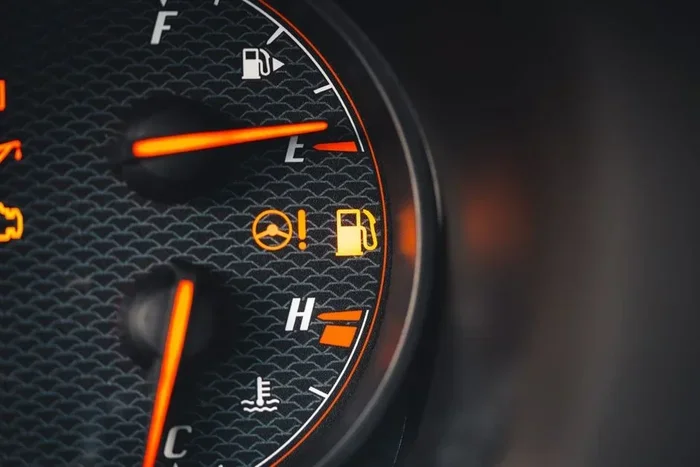
The check engine light, often shown as an engine-shaped icon, illuminates when the car’s Engine Control Unit (ECU) detects something out of range. This could be anything from a sensor malfunction to a serious mechanical failure. When paired with a no-start condition, the light is telling you the engine isn’t getting what it needs to fire.
You might also notice the light flickering. If you’ve ever seen your desk lamp flicker, you know how annoying and concerning that can be. A flickering dashboard light works the same way — it often points to an electrical issue that needs attention.
Top Reasons Your Car Cranks But Won’t Run
Here are the most common causes when your car turns over but refuses to start with the engine light on. Each one comes with clear symptoms and practical advice.
1. Bad Spark Plugs or Ignition Coils
Spark plugs create the spark that ignites the fuel-air mixture in your engine cylinders. Over time, they wear out and stop working properly. When a spark plug fails, the engine misfires or won’t fire at all.
Ignition coils work alongside spark plugs. They convert the battery’s low voltage into the high voltage needed to create a spark. A bad ignition coil means no spark, which means no start.
Signs to watch for:
- Rough idle before the no-start condition
- Engine misfires during driving
- Reduced fuel efficiency
- Difficulty starting in cold weather
2. Fuel Pump Failure
Your fuel pump pushes gasoline from the tank to the engine. If it fails, the engine gets no fuel. It cranks and cranks, but without fuel, there’s nothing to burn. This is one of the most common reasons a car cranks but won’t start.
A failing fuel pump often gives warning signs before it completely dies. You might notice hesitation during acceleration or a whining noise coming from the back of the car. If the engine light is on and your car suddenly won’t start, the fuel pump could be the culprit.
Replacing a fuel pump isn’t cheap, but driving with a failed pump will leave you stranded. It’s best to address it early.
3. Clogged Fuel Filter
The fuel filter keeps dirt and debris out of the fuel system. Over time, it gets clogged and restricts fuel flow. A clogged filter starves the engine of fuel, causing a no-start condition.
Most fuel filters should be replaced every 30,000 to 40,000 miles. Check your owner’s manual for the recommended schedule. A simple filter replacement can save you from a much bigger repair bill.
4. Crankshaft Position Sensor Failure
The crankshaft position sensor tells the ECU the exact position and speed of the crankshaft. The ECU uses this information to time the spark and fuel injection. If this sensor fails, the ECU doesn’t know when to fire the spark plugs.
This is a sneaky problem because the engine can crank perfectly but never start. The check engine light will usually come on, and an OBD2 scanner will show a specific trouble code related to the crankshaft sensor.
5. Battery or Charging System Issues
A weak battery might still power the starter motor, which is why your car cranks. But if the voltage drops too low, the fuel injectors and ignition system won’t work properly. The result? The engine turns but doesn’t catch.
The alternator keeps your battery charged while the engine runs. If the alternator is failing, the battery drains quickly. You might notice dimming headlights or electrical accessories acting up before the no-start event happens.
Also worth noting: the dashboard lights use small bulbs that can burn out over time. If you’re replacing dashboard bulbs, choosing the right light bulb for desk lamp style replacement can help you maintain proper visibility on your instrument cluster.
How to Diagnose the Problem
You don’t need to be a mechanic to start diagnosing the issue. Here’s a step-by-step approach you can follow at home.
Step 1: Read the Trouble Codes
Grab an OBD2 scanner. You can buy one for under $50 or borrow one from most auto parts stores. Plug it into the diagnostic port, usually found under your steering column. The scanner will pull up the stored trouble codes.
Common codes for a no-start with engine light include:
- P0300 — Random/Multiple Cylinder Misfire
- P0351-P0358 — Ignition Coil Circuit Malfunction
- P0087 — Low Fuel Rail Pressure
- P0335 — Crankshaft Position Sensor Circuit Malfunction
These codes point you in the right direction. Write them down and research what each one means for your specific vehicle.
Step 2: Check the Battery
Use a multimeter to test your battery voltage. A healthy battery should read around 12.6 volts when the engine is off. When cranking, it should stay above 10 volts. If it drops below that, your battery might not have enough power to fire the ignition system.
Also check the battery terminals. Corrosion on the terminals can prevent a good electrical connection. Clean them with a wire brush and baking soda solution.
Step 3: Listen for the Fuel Pump
Turn the key to the “ON” position without starting the engine. You should hear a faint humming sound from the back of the car — that’s the fuel pump priming. If you hear nothing, the fuel pump might be dead or the fuel pump relay could be faulty.
Step 4: Inspect Spark Plugs
Pull out a spark plug and inspect it. Look for black deposits, worn electrodes, or cracks in the ceramic insulator. A healthy spark plug should have a light tan or grayish color. If it looks black and sooty, you have a rich fuel mixture or an oil leak problem.
When to Call a Professional Mechanic
Not every car problem is a DIY fix. Here are situations where you should call a mechanic right away:
- The engine cranks but makes a clicking sound and won’t turn over: This could indicate a starter motor problem or a seized engine.
- You smell gasoline inside the car: A fuel leak is dangerous and needs immediate attention.
- The check engine light flashes rapidly: A flashing light usually means a severe misfire that can damage the catalytic converter.
- You’ve checked the basics and still can’t find the problem: Sometimes you need professional diagnostic equipment and expertise.
Mechanics have access to advanced scanning tools and years of experience. They can pinpoint problems faster than most DIY methods. It might cost you some money upfront, but it can save you from making costly mistakes.
Prevention Tips to Avoid Future No-Start Problems
Regular maintenance is your best defense against a car that cranks but won’t start. Here are some simple habits that keep your car running strong:
- Replace spark plugs on schedule. Most manufacturers recommend replacement every 30,000 to 100,000 miles depending on the type.
- Change the fuel filter regularly. A clean filter ensures proper fuel flow to the engine.
- Keep the battery clean and charged. Check terminals for corrosion and test voltage at least twice a year.
- Don’t ignore warning lights. The moment the check engine light comes on, get it diagnosed. Early detection prevents bigger problems.
- Use quality fuel. Cheap gasoline can contain contaminants that clog your fuel system over time.
Think of your car like a workspace. Just as you need the right tools and setup to get work done — like having a proper study desk setup — your car needs the right components functioning in harmony to start reliably.
Quick Tips for Emergency Situations
Sometimes your car won’t start at the worst possible moment. Here are a few quick tips to get you going:
- Try the “key wiggle” method: Turn the key to the ON position, wiggle it back and forth while trying to start. This can sometimes make contact with a worn ignition switch.
- Tap the fuel tank: A light tap on the bottom of the fuel tank can sometimes jolt a stuck fuel pump into working temporarily.
- Check the neutral safety switch: If your car is in gear and won’t start, try shifting to neutral and attempting again.
- Keep jumper cables in your trunk: A dead battery is the easiest fix and jumper cables can save you in a pinch.
Understanding Your Car’s Electrical System
Your car’s electrical system is more complex than most people realize. The battery provides power to start the engine. The alternator keeps everything charged while driving. The ECU manages all the sensors and systems that keep your engine running smoothly.
When the engine light is on and your car cranks but won’t start, it’s often an electrical issue at the heart of the problem. Whether it’s a failing sensor, a bad connection, or a worn component, the electrical system is the backbone of your vehicle’s ability to start and run.
Taking care of your electrical system means regular inspections and not ignoring small warning signs. A dashboard light that flickers or stays on is your car’s way of communicating with you. Listen to it.
Common Mistakes People Make When Their Car Won’t Start
When panic sets in, people make mistakes that can make the problem worse. Here are a few to avoid:
- Cranking the engine for too long: This drains the battery further and can overheat the starter motor. Try turning the key for no more than 10 seconds at a time, then wait 30 seconds before trying again.
- Adding fuel additives without knowing the problem: If the issue is mechanical, fuel additives won’t help and could make things worse.
- Ignoring the check engine light: Some people drive for months with the light on. This can turn a small repair into a major one.
- Assuming it’s always the battery: While the battery is a common suspect, it’s not always the cause. A thorough diagnosis saves time and money.
Final Thoughts
Dealing with a car that cranks but won’t start is stressful, especially when the engine light is on. But understanding the possible causes puts you in a much better position to fix the problem. Whether it’s a simple spark plug replacement or a more complex fuel pump issue, knowing what to look for saves you time and money.
Start by reading the trouble codes with an OBD2 scanner. Check your battery, spark plugs, fuel pump, and sensors. If the problem feels beyond your skill level, don’t hesitate to visit a trusted mechanic. The most important thing is not to ignore the warning signs your car is giving you.
Regular maintenance and prompt attention to warning lights keep your car running reliably. The next time you ask yourself why engine light on carcar cranking but want run why, you’ll know exactly what to look for and how to fix it.
Frequently Asked Questions
Can a bad battery cause the check engine light to come on?
Yes, a weak or dying battery can trigger the check engine light. When the battery voltage drops, the ECU may detect irregular readings from sensors and store a trouble code. This can also cause your car to crank slowly or not start at all.
How much does it cost to fix a car that cranks but won’t start?
The cost varies widely depending on the cause. Spark plug replacement might cost $50 to $150, while a fuel pump replacement can run $400 to $800. Always get a diagnostic reading first so you know exactly what needs fixing.
Is it safe to drive with the check engine light on?
It depends on the severity. A steady light usually means a less urgent issue, but a flashing light signals a serious problem like a misfire that can damage your catalytic converter. When in doubt, get it checked.
What is an OBD2 scanner and how do I use it?
An OBD2 scanner is a diagnostic tool that reads trouble codes stored in your car’s computer. You plug it into the diagnostic port under your steering column, and it displays codes that tell you what systems are malfunctioning. Many auto parts stores will read the codes for free.
How do I know if my fuel pump is bad?
Signs of a failing fuel pump include a whining noise from the fuel tank, hesitation during acceleration, and a car that cranks but won’t start. You can also test fuel pressure with a gauge to confirm the pump is delivering enough fuel.
Can spark plugs cause a car to crank but not start?
Absolutely. Worn or fouled spark plugs fail to create the spark needed to ignite the fuel-air mixture. If multiple spark plugs are bad, the engine might crank vigorously but never fire up. Replacing them is an easy and inexpensive fix.