How Much Does It Cost to Fix VSA System Acura Today
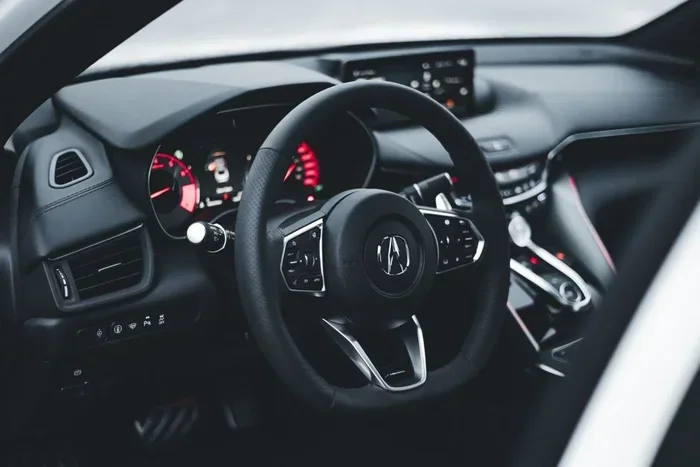
Fixing the VSA system in an Acura typically costs between $200 and $1,500, depending on the root cause and your specific model. The VSA (Vehicle Stability Assist) system keeps your Acura safe during slippery or tricky driving conditions. Common issues include faulty wheel speed sensors, a bad steering angle sensor, or a failing hydraulic unit. This guide breaks down every cost factor so you know what to expect before visiting a mechanic.
Have you ever seen that little VSA warning light pop up on your Acura dashboard and felt your stomach drop? You are not alone. The Vehicle Stability Assist system is a critical safety feature, and when it malfunctions, it can leave drivers feeling worried and unsure of what to do next. Understanding the VSA system Acura repair costs can help you make informed decisions and avoid surprises at the repair shop.
Many Acura owners search online for answers about VSA light fixes and repair expenses. The truth is, the cost to fix a VSA system varies a lot. It depends on what exactly went wrong, which Acura model you drive, and where you take it for service. This article breaks down all the costs, common causes, and what you can do to keep your VSA system running smoothly.
## Understanding the VSA System in Acura Vehicles
The VSA system, which stands for Vehicle Stability Assist, is a smart safety feature found in most modern Acura vehicles. It works behind the scenes to help you maintain control during slippery roads, sharp turns, or emergency maneuvers. When the system detects that your car is starting to slide or lose traction, it automatically adjusts engine power and applies brakes to individual wheels.
VSA Acura systems rely on several sensors and components working together. These include wheel speed sensors, a steering angle sensor, a yaw rate sensor, and a hydraulic control unit. If any one of these parts fails, the entire VSA system can shut down and trigger that dreaded warning light on your dashboard.
### How the VSA System Works
The VSA system constantly monitors your steering input, vehicle speed, and wheel rotation. When it senses a mismatch between where you are steering and where the car is actually going, it steps in. It reduces engine power and applies targeted braking to help you stay on course.
This system is especially helpful during rainy or icy conditions. It gives drivers an extra layer of confidence when roads are less than ideal. When the VSA light comes on, it means this safety net has been temporarily disabled.
## Common VSA System Problems and Warning Signs
Before you worry about VSA system Acura repair costs, it helps to understand what might be causing the problem in the first place. Several issues can trigger the VSA warning light, and not all of them are expensive to fix.
### Faulty Wheel Speed Sensors
Wheel speed sensors are the most common culprit behind VSA warnings. These small sensors sit near each wheel and monitor how fast each tire is spinning. When one sensor gets dirty, damaged, or wears out, it sends incorrect data to the VSA control module.
Symptoms of a bad wheel speed sensor include:
– The VSA warning light stays on
– The ABS light may also illuminate
– You might notice the traction control cutting in unexpectedly
– The car feels less stable on wet roads
Replacing a wheel speed sensor is usually a straightforward fix. Most Acura owners pay between $100 and $300 for parts and labor combined.
### Steering Angle Sensor Issues
The steering angle sensor tells the VSA system exactly how much you are turning the steering wheel. Over time, this sensor can lose its calibration or fail entirely. When this happens, the VSA system cannot properly determine your intended driving direction.
A steering angle sensor replacement typically costs between $200 and $500. The exact price depends on your Acura model and whether the sensor needs recalibration after installation.
### Hydraulic Control Unit Failure
The hydraulic control unit is the most complex and expensive part of the VSA system. It manages the brake pressure that the system uses to stabilize your vehicle. When this unit fails, you will likely see the VSA light, the ABS light, and sometimes even the brake warning light.
This is a serious repair that should not be ignored. A hydraulic unit replacement Acura repair can cost anywhere from $800 to $1,500 or more, depending on the model year and labor rates in your area.
## VSA System Repair Costs Breakdown
Let us get into the numbers. Understanding what you might pay for each type of VSA repair can help you budget and avoid surprises.
### Sensor Replacements
Sensors are the least expensive VSA repairs. Here is a quick look at common sensor costs:
– Wheel speed sensor: $100 to $300
– Steering angle sensor: $200 to $500
– Yaw rate sensor: $150 to $350
Most sensor replacements take about one to two hours of labor. Many independent shops and Acura dealerships can handle these repairs efficiently.
### Hydraulic Unit Replacement
The hydraulic unit is the big-ticket item. Here is what you can expect:
– Parts alone: $500 to $1,000
– Labor: $300 to $500
– Total cost: $800 to $1,500
Some Acura models with more advanced VSA systems may cost even more. Always ask for a detailed estimate before authorizing any major repair.
### Wiring and Electrical Issues
Sometimes the problem is not a sensor or unit at all. Damaged wiring, corroded connectors, or a faulty control module can all trigger VSA warnings. Electrical repairs can range from $100 for a simple wire repair to $600 or more for a control module replacement.
## Factors That Affect VSA Repair Costs
Not every VSA repair costs the same. Several factors can push the final bill up or down. Understanding these factors helps you make smarter decisions about your repairs.
### Your Acura Model
Different Acura models have different VSA system designs. A VSA system Acura MDX repair may cost more than the same repair on an Acura ILX because of the complexity of the system and the cost of parts. Luxury models with more advanced features generally have higher repair costs.
### Where You Get the Repair Done
Dealerships typically charge more than independent mechanics. However, dealerships have specialized diagnostic tools and Acura-specific training. Independent shops can save you 30 to 50 percent on labor costs in many cases.
### Your Location
Labor rates vary significantly by region. Mechanics in major cities often charge more than those in rural areas. If you live in a high-cost area, you can expect to pay more for any repair work.
### The Age of Your Vehicle
Older Acura models may have harder-to-find parts or require more labor due to rust and corrosion. Newer models generally have more accessible components but may use more expensive electronic parts.
## DIY vs Professional VSA Repair
Some VSA repairs are simple enough for a DIY enthusiast. Others require professional tools and expertise. Knowing which is which can save you money.
### Repairs You Can Do Yourself
Replacing a wheel speed sensor is one of the few VSA repairs most owners can handle at home. You will need a basic socket set, a jack, and jack stands. The sensor usually bolts or screws into place near the wheel hub.
Before starting, make sure you have the correct sensor for your specific Acura model. You can find the right part by checking your vehicle identification number at your local auto parts store.
### Repairs That Need a Professional
Hydraulic unit work, control module replacements, and complex electrical diagnostics should always be handled by a professional. These repairs require specialized diagnostic equipment and a deep understanding of the VSA system.
If you are unsure, it is always better to consult a professional. A misdiagnosed VSA problem can lead to safety risks on the road.
## How to Prevent VSA System Issues
Prevention is always cheaper than repair. Taking a few simple steps can help keep your VSA system working properly and avoid costly fixes.
### Regular Brake Maintenance
The VSA system relies heavily on your brake system. Keeping your brakes in good condition means the VSA system can do its job properly. Have your brakes inspected at every oil change and replace brake pads when they get worn.
### Keep Sensors Clean
Wheel speed sensors can get dirty from road grime and brake dust. A simple cleaning during routine maintenance can help prevent false VSA warnings. Ask your mechanic to inspect the sensors during regular service visits.
### Address Warning Lights Promptly
Do not ignore warning lights on your dashboard. The moment the VSA light comes on, have the system scanned for diagnostic trouble codes. Early detection often means a simple and affordable fix rather than a major repair.
## What to Do When the VSA Light Comes On
If your VSA warning light suddenly appears, stay calm. In most cases, you can still drive the vehicle safely, but you should visit a mechanic as soon as possible. The stability and traction control features will be disabled, so drive more carefully, especially in bad weather.
Have the system scanned with an OBD-II diagnostic tool. This will reveal the specific error code causing the VSA light. You can do this at most auto parts stores for free, or take your Acura to a trusted repair shop.
## Final Thoughts on VSA System Acura Repair Costs
The cost to fix a VSA system Acura problem can range from a simple $100 sensor swap to a more involved $1,500 hydraulic unit replacement. The key is to get a proper diagnosis before committing to any repair. A diagnostic scan will tell you exactly what is wrong and help you budget accordingly.
Regular maintenance and prompt attention to warning lights can keep your VSA system in great shape for years. Your Acura was engineered with safety in mind, and the VSA system is one of its most valuable features. Taking care of it means taking care of yourself and your passengers on the road.
Key Takeaways
- Average VSA repair costs range from $200 to $1,500 depending on the Acura model and the specific component that failed.
- Wheel speed sensors are the most common cause of VSA warnings and usually cost $100 to $300 to replace.
- A faulty hydraulic unit is the most expensive VSA repair, often costing $800 to $1,500.
- Always get a diagnostic scan before committing to repairs, as the VSA light can be triggered by many different issues.
- Driving with the VSA light on is generally safe short-term, but the stability and traction control features will be disabled.
- Regular maintenance and keeping your brake system in good shape can help prevent VSA problems.
- DIY repairs are possible for sensor replacements, but hydraulic unit work should be left to professionals.
Frequently Asked Questions
Can I drive my Acura with the VSA light on?
Yes, in most cases you can still drive safely with the VSA light on. However, your stability and traction control features will be disabled. Drive more carefully, especially on wet or icy roads, and get the system checked as soon as possible.
How much does it cost to diagnose a VSA problem on an Acura?
A VSA diagnostic scan typically costs between $50 and $150 at most repair shops. Some auto parts stores offer free diagnostics. The scan will identify the specific error code and help pinpoint the exact problem.
What does the VSA light look like on an Acura dashboard?
The VSA warning light looks like a car icon with curved lines behind it, indicating the vehicle is sliding. It may also show the letters “VSA” in amber or red. If you see this light, have your system scanned right away.
How long does a VSA sensor replacement take?
Most VSA sensor replacements take about one to two hours. Wheel speed sensors are the quickest to replace, while steering angle sensors may take a bit longer due to calibration requirements.
Can a dead battery cause the VSA light to come on?
Yes, a weak or dead battery can cause the VSA light to illuminate. Low voltage can disrupt the sensors and control modules in the VSA system. If your battery is old or your lights are dim, have it tested before assuming a more serious problem.
Is VSA repair covered under Acura warranty?
It depends on your warranty coverage and the age of your vehicle. Newer Acura models may be covered under the factory bumper-to-bumper warranty. Extended warranties may also cover VSA repairs, but always check the specific terms of your policy first.