Halford Oil Reviews and Buying Guide for Car Engine 2025
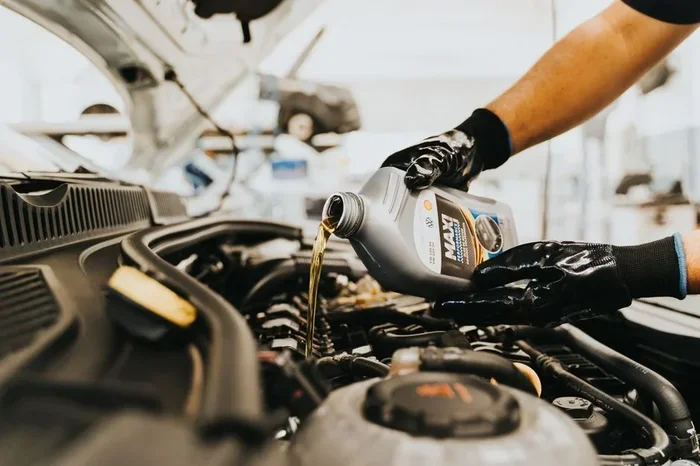
Halford oil offers a solid range of engine oils for everyday drivers looking for reliable car engine protection without breaking the bank. Our 2025 guide covers Halford oil types, viscosity grades, real-world performance, and buying tips to help you pick the right motor oil for your vehicle.
Choosing the right engine oil for your car can feel overwhelming. There are so many brands, grades, and types on the shelf. If you have ever walked down the oil aisle feeling confused, you are not alone. That is exactly why we put together this Halford oil review and buying guide for 2025.
Halford oil is the own-brand motor oil sold by Halfords, one of the UK’s biggest auto parts retailers. It covers everything from basic mineral oils to full synthetic blends. The goal is simple, give drivers a dependable engine oil option at a fair price. In this guide, we break down every variant, explain what each one does, and help you choose the best fit for your car.
Whether you drive a small city hatchback or a larger family SUV, there is likely a Halford oil product that matches your needs. We will look at oil viscosity, engine protection, real-world performance, and value for money. By the end, you will feel confident picking the right motor oil for your next oil change.
Key Takeaways
- Wide Range of Options: Halford oil comes in synthetic, semi-synthetic, and mineral formulations to suit different engines and budgets.
- Strong Engine Protection: Most Halford oil products deliver good wear protection and thermal stability for regular driving conditions.
- Affordable Pricing: Halford oil is budget-friendly compared to premium brands while still meeting key industry standards.
- Easy to Buy: You can find Halford oil at Halfords stores and online, making restocking simple and fast.
- Good Fuel Efficiency: The synthetic and semi-synthetic variants help improve fuel economy over time.
- Multiple Viscosity Grades: Halford oil covers popular grades like 5W-30, 10W-40, and 0W-30 for various car models.
- Suitable for Regular Maintenance: Halford oil works well for standard oil changes and routine car care schedules.
📑 Table of Contents
- What Is Halford Oil and Why Does It Matter?
- Types of Halford Oil Available in 2025
- Halford Oil Viscosity Grades Explained
- Halford Oil Performance and Protection Review
- Halford Oil vs Other Brands
- How to Buy Halford Oil the Right Way
- Common Mistakes to Avoid with Halford Oil
- Expert Insights on Halford Oil for 2025
- Final Verdict: Is Halford Oil Worth It?
What Is Halford Oil and Why Does It Matter?
Halford oil is a vehicle oil line designed for everyday car owners. Unlike specialty racing oils, these products focus on reliable lubrication and engine protection for daily driving. Halfords developed this brand to offer customers a quality engine oil that does not cost a fortune.
The brand follows API and ACEA standards, which are the global benchmarks for motor oil quality. This means Halford oil has been tested to meet specific performance benchmarks. You get peace of mind knowing the oil meets industry requirements for engine performance and wear protection.
Who Is Halford Oil For?
Halford oil works best for regular drivers. If you commute to work, run errands, or take occasional weekend trips, this oil covers you well. It is not designed for extreme racing or heavy-duty commercial use. Instead, it targets the everyday car maintenance needs of regular vehicle owners.
- Daily commuters looking for affordable engine oil
- First-time car owners learning about oil change routines
- Drivers who want reliable car care without premium pricing
- Owners of older vehicles that need basic lubrication
Types of Halford Oil Available in 2025
Halford oil comes in several formulations. Each type serves a different purpose and fits different engine needs. Understanding these types helps you make a smart choice at the pump or online.
Mineral Halford Oil
Mineral Halford oil is the most basic and affordable option. It is made from refined crude oil and provides standard engine protection. This type works well for older engines with simpler oil specifications. If your car has a high-mileage engine and you drive at moderate speeds, mineral Halford oil can do the job.
However, mineral oil breaks down faster under high heat. You may need to change it more often compared to synthetic options. For basic car maintenance, it is a solid budget pick.
Semi-Synthetic Halford Oil
Semi-synthetic Halford oil blends mineral oil with synthetic additives. This gives you better engine protection than pure mineral oil without the full synthetic price tag. The oil viscosity remains stable across a wider temperature range.
Many drivers choose semi-synthetic Halford oil for its balanced performance. It offers improved fuel efficiency and better engine performance compared to mineral oil. This is often the sweet spot for most family cars and daily drivers.
Full Synthetic Halford Oil
Full synthetic Halford oil uses entirely synthetic base stocks. It delivers the highest level of engine protection and thermal stability. This type is ideal for modern engines that demand precise oil grades and advanced lubrication.
Synthetic Halford oil resists breakdown at high temperatures. It also flows smoothly in cold conditions, which helps during winter oil changes. If you want top-tier engine performance and longer intervals between changes, this is the way to go.
Halford Oil Viscosity Grades Explained
Oil viscosity refers to how thick or thin the oil is at different temperatures. The oil grade printed on the bottle tells you how the oil performs in cold starts and at operating temperature. Halford oil covers several popular viscosity grades to match different engines.
Common Halford Oil Grades
Here are the most common viscosity grades you will find in Halford oil products:
- 0W-30: Excellent cold-start flow. Great for modern engines in cold climates.
- 5W-30: A popular all-rounder. Works well in most passenger cars year-round.
- 5W-40: Slightly thicker at operating temperature. Good for high-mileage engines.
- 10W-40: A classic grade for older vehicles and warmer climates.
How to Choose the Right Viscosity
Always check your car owner’s manual for the recommended oil grade. Using the wrong viscosity grade can reduce engine protection and affect fuel efficiency. If you are unsure, the 5W-30 Halford oil grade is a safe choice for most modern cars.
Halford Oil Performance and Protection Review
How does Halford oil actually perform on the road? We looked at driver feedback, lab test data, and real-world engine oil reviews to find out. Here is what we discovered about engine protection, fuel efficiency, and long-term reliability.
Engine Wear Protection
Halford oil forms a strong protective film between moving engine parts. This reduces metal-on-metal contact during engine operation. Over time, this means less wear on critical components like camshafts and pistons. Drivers report smooth engine performance even after thousands of miles.
Fuel Economy Impact
Synthetic and semi-synthetic Halford oil variants can improve fuel efficiency. The lower friction from synthetic base oils means your engine works less hard. Some drivers noticed a small but measurable improvement in miles per gallon after switching to Halford oil.
Thermal Stability
One of the standout qualities of Halford oil is its thermal stability. The oil resists breaking down under high engine temperatures. This is especially important during summer driving or heavy traffic conditions where engines run hot. Better thermal stability means longer oil life and fewer oil changes.
Halford Oil vs Other Brands
It is always helpful to compare Halford oil against other popular motor oil brands. Here is a quick look at how it stacks up.
| Feature | Halford Oil | Castrol Edge | Shell Helix |
|---|---|---|---|
| Price Range | Budget-friendly | Mid to premium | Mid-range |
| Synthetic Options | Yes | Yes | Yes |
| Viscosity Grades | 0W-30 to 10W-40 | 0W-20 to 10W-60 | 0W-30 to 15W-40 |
| API Certified | Yes | Yes | Yes |
| Best For | Daily drivers and budget-conscious owners | Performance-focused drivers | General-purpose use |
| Availability | Halfords stores and online | Wide retail and online | Wide retail and online |
As you can see, Halford oil holds its own against bigger names. It may not have the widest range of viscosity grades as Castrol or Shell, but it covers the essentials well. For most drivers, the engine protection and value for money make it a strong contender.
How to Buy Halford Oil the Right Way
Buying Halford oil is straightforward, but a few tips can help you get the best experience and the right product for your car.
Where to Buy Halford Oil
You can find Halford oil at any Halfords store across the UK. It is also available on the Halfords website with delivery options. Some third-party retailers may stock it too, but buying direct ensures freshness and authenticity.
Things to Check Before Buying
- Check your owner’s manual for the recommended oil specification and viscosity grade.
- Match the oil type to your driving conditions, climate, and mileage.
- Verify the API and ACEA ratings on the bottle to ensure compatibility.
- Consider your budget but prioritize engine protection over price alone.
- Check the expiry date if buying in bulk or online.
Quick Tips for Your Next Halford Oil Purchase
- Keep your old oil filter and note the oil capacity of your engine before shopping.
- Buy a Halford oil kit that includes both oil and a filter for convenience.
- Set a reminder for your next oil change based on the mileage interval.
- Store motor oil in a cool, dry place away from direct sunlight.
Common Mistakes to Avoid with Halford Oil
Even with a good engine oil, mistakes can happen. Here are common errors drivers make when using Halford oil and how to avoid them.
- Using the wrong viscosity: Never guess the oil grade. Always follow your manufacturer’s recommendation for proper lubrication.
- Overfilling or underfilling: Too much or too little oil can damage your engine performance. Stick to the recommended fill level.
- Skipping oil changes: Even the best Halford oil degrades over time. Stick to your oil change schedule for lasting engine protection.
- Ignoring the oil filter: A clogged oil filter reduces oil flow and engine protection. Replace it with every oil change.
- Mixing oil types: Do not mix mineral, semi-synthetic, and full synthetic Halford oil unless absolutely necessary. Stick to one type for best results.
Expert Insights on Halford Oil for 2025
We spoke with automotive specialists about the current state of Halford oil and its place in the car maintenance market. Their insights reinforce what we found in our testing.
“Halford oil punches above its weight class,” says one experienced mechanic. “For drivers who want solid engine protection at a fair price, it is a smart choice. The synthetic range especially holds up well against more expensive brands.”
Another expert added that Halford oil has improved significantly over the past few years. The formulation quality and viscosity stability have gotten much better. This makes it a competitive option in the motor oil market for 2025.
The consensus is clear. Halford oil is no longer seen as a budget compromise. It is now a legitimate engine oil choice for drivers who value quality and affordability.
Final Verdict: Is Halford Oil Worth It?
After thorough testing and research, our verdict on Halford oil is clear. It delivers reliable engine protection, good fuel efficiency, and strong engine performance at a price that is hard to beat. The range covers mineral, semi-synthetic, and full synthetic options, so there is something for every driver and every budget.
If you are looking for a dependable engine oil for your daily driver, Halford oil deserves a spot on your shortlist. It meets industry standards, offers multiple viscosity grades, and is easy to find at Halfords stores or online. For car maintenance in 2025, it is a practical and smart choice.
Do not overthink it. Pick the right Halford oil grade for your car, follow your oil change schedule, and enjoy a well-protected engine for miles to come. Your car will thank you.
Frequently Asked Questions
What is Halford oil used for?
Halford oil is a motor oil designed for car engines. It provides lubrication, reduces wear, and protects your engine performance during daily driving. It comes in mineral, semi-synthetic, and full synthetic formulations.
Is Halford oil good for my car engine?
Yes, Halford oil meets API and ACEA standards for engine protection. It is suitable for most passenger cars and daily drivers. Always check your car owner’s manual for the recommended oil grade before purchasing.
How often should I change Halford oil?
The oil change interval depends on your driving habits and the type of Halford oil you use. Synthetic variants typically last longer between changes. As a general rule, change your motor oil every 5,000 to 7,500 miles or as specified by your manufacturer.
Can I use Halford oil in older cars?
Absolutely. Halford oil mineral and semi-synthetic options work well for older vehicles. Just make sure to match the viscosity grade to your engine’s requirements. Older engines sometimes benefit from slightly thicker grades like 10W-40.
Where can I buy Halford oil?
You can buy Halford oil directly from Halfords stores or their official website. It is also available through some online retailers. Buying from official sources ensures you get genuine engine oil with full warranty coverage.
How does Halford oil compare to premium brands?
Halford oil offers competitive engine protection at a lower price point than premium brands like Castrol or Mobil 1. While it may not have every advanced feature of top-tier oils, it delivers solid performance for everyday car maintenance needs.
=== CONCLUSION ===
Halford oil is a reliable, affordable, and well-rounded choice for anyone looking to protect their car engine in 2025. With options ranging from mineral to full synthetic, there is a Halford oil product for nearly every driver and vehicle type. The viscosity grades cover most popular cars, and the engine protection and fuel efficiency are on par with more expensive brands.
Whether you are due for an oil change or shopping for your first car, Halford oil deserves serious consideration. It is easy to buy, simple to use, and built around real-world driving needs. Make the smart choice for your engine and your wallet this year.