2015 Nissan Altima Transmission Fluid Check Without Dipstick
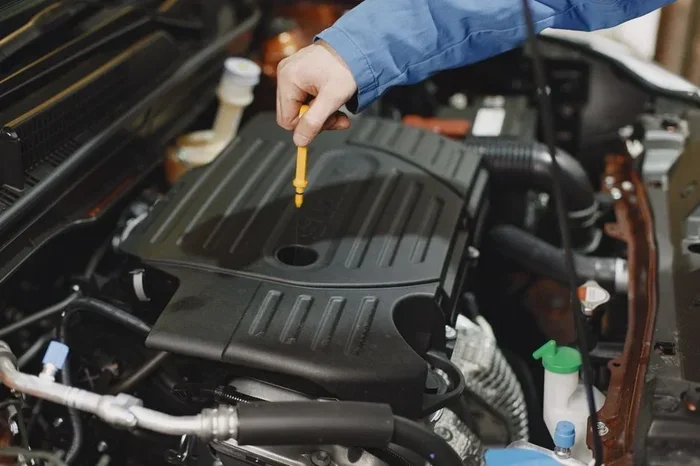
Checking the transmission fluid on a 2015 Nissan Altima without a dipstick is straightforward once you know the right method. The 2015 Altima uses a CVT transmission that relies on a fill plug and level check plug instead of a traditional dipstick. This guide walks you through every step safely and accurately. You will learn the tools needed, the correct fluid type, and common mistakes to avoid.
Keeping your 2015 Nissan Altima running smoothly starts with understanding the basics of transmission maintenance. Many car owners overlook this essential task until problems arise. The good news is that checking your transmission fluid level is something you can do at home with basic tools and a little know-how.
The 2015 Nissan Altima presents a unique challenge. Unlike many older vehicles that use a traditional dipstick, this model uses a CVT transmission without one. If you have been searching for “how to check transmission fluid 2015 Nissan Altima without dipstick,” you are in the right place. This article breaks down the entire process in simple, easy-to-follow steps.
Whether you are a DIY enthusiast or a first-time checker, this guide covers everything you need. We will go over the tools required, the correct fluid type, the step-by-step procedure, and common mistakes to avoid. By the end, you will feel confident tackling this maintenance task on your own.
Key Takeaways
- No Dipstick Design: The 2015 Nissan Altima uses a CVT transmission with fill and level check plugs instead of a traditional dipstick.
- Correct Fluid Matters: Using the wrong CVT fluid can cause serious transmission damage and void your warranty.
- Engine Temperature Is Critical: You must check the fluid at the proper operating temperature for an accurate reading.
- Simple Tools Needed: A jack, jack stands, ratchet, and the right socket are all you need for this job.
- Safety First: Always work on a level surface with the vehicle properly supported.
- Regular Checks Prevent Problems: Staying on top of fluid levels extends the life of your CVT transmission significantly.
📑 Table of Contents
- Why the 2015 Nissan Altima Has No Dipstick
- Tools and Materials You Will Need
- Step-by-Step Guide to Check Transmission Fluid Level
- Common Mistakes to Avoid
- When to Change the Transmission Fluid
- Expert Tips for Accurate Results
- Understanding Transmission Fluid Types
- How to Maintain Your Transmission Between Checks
- Conclusion
Why the 2015 Nissan Altima Has No Dipstick
Modern vehicles are designed with efficiency and convenience in mind. The 2015 Nissan Altima uses a Continuously Variable Transmission, commonly known as a CVT. This type of transmission operates differently from traditional automatic transmissions.
Nissan eliminated the dipstick to simplify the design and reduce potential leaks. Instead, the transmission fluid level is checked through dedicated fill and level check plugs on the transmission housing. While this design may seem confusing at first, it actually makes the process quite straightforward once you understand the steps.
What Is a CVT Transmission?
A CVT transmission provides seamless gear changes without traditional fixed gears. It uses a belt and pulley system to deliver smooth acceleration. This design improves fuel efficiency and offers a more comfortable driving experience. However, CVT transmissions are more sensitive to fluid condition and level than traditional automatics.
Because of this sensitivity, regular transmission fluid checks are especially important for Altima owners. Low or contaminated fluid can lead to costly repairs. Staying on top of maintenance helps your CVT transmission last longer and perform better.
Tools and Materials You Will Need
Before you start, gather everything you need. Having all your tools ready saves time and prevents frustration. Here is a complete list of what you will need for this job.
- Jack and jack stands or ramps to safely lift the vehicle
- 14mm socket and ratchet for the fill plug
- 17mm socket for the level check plug
- Transmission fluid compatible with Nissan CVT (NS-3 or equivalent)
- Funnel for adding fluid
- Clean rag or paper towels for cleaning plugs
- Torque wrench for proper plug tightening
- Gloves and safety glasses for personal protection
Make sure you purchase the correct fluid type. Using the wrong transmission fluid can damage your CVT. Always refer to your owner’s manual or consult a Nissan dealer if you are unsure about the right fluid.
Step-by-Step Guide to Check Transmission Fluid Level
Now let us get into the actual process. Follow these steps carefully to get an accurate reading of your transmission fluid level on your 2015 Nissan Altima.
Step 1: Prepare the Vehicle
Start by parking your Altima on a flat, level surface. Engage the parking brake and turn off the engine. You want the vehicle to be completely stable before you begin working underneath it. If you have ramps, they can be a convenient alternative to a jack and stands.
Next, start the engine and let it idle for about 10 minutes. This brings the transmission fluid up to operating temperature, which is essential for an accurate reading. The fluid expands when hot, so checking it cold will give you a false low reading.
Step 2: Lift the Vehicle Safely
Using your jack, lift the front of the vehicle and secure it with jack stands. Never work under a car supported only by a jack. Make sure the vehicle feels stable before you go underneath it. A well-lit workspace makes this job much easier, so consider using a desk lamp with a clamp to direct bright light under the vehicle if you are working in a garage.
Step 3: Locate the Fill and Level Check Plugs
Look at the transmission housing on the passenger side of the vehicle. You will see two plugs side by side. The upper plug is the fill plug, and the lower plug is the level check plug. Clean both plugs with a rag before removing them to prevent debris from entering the transmission.
Step 4: Check the Fluid Level
Remove the level check plug first using the 17mm socket. With the engine still running and at operating temperature, fluid should be slowly dripping from the check plug hole. If fluid does not drip out or comes out slowly, the level is low.
If the fluid is at the correct level, it will just begin to seep out of the hole. This is your signal that the transmission is properly filled. Replace the level check plug and tighten it snugly but do not overtighten.
Step 5: Add Fluid if Needed
If the fluid level is low, remove the fill plug using the 14mm socket. Insert a funnel into the fill hole and slowly add the correct Nissan CVT transmission fluid. Add fluid gradually and check the level frequently by reinserting the level check plug temporarily.
Once fluid begins to seep out of the level check hole, you have reached the proper level. Remove the funnel, reinstall the fill plug, and torque it to the manufacturer specification. Wipe up any spilled fluid immediately to keep your workspace clean.
Step 6: Final Check and Test Drive
Start the engine and let it idle for a few minutes. Shift through all the gears (Park, Reverse, Neutral, Drive) and then back to Park. This circulates the new fluid throughout the transmission. Turn off the engine and recheck the level if needed. Take a short test drive to ensure everything feels smooth.
Common Mistakes to Avoid
Even simple maintenance tasks can go wrong if you are not careful. Here are some common mistakes that Altima owners make when checking their transmission fluid level.
- Checking the fluid when cold: This gives an inaccurate reading and can lead to overfilling or underfilling. Always warm up the engine first.
- Using the wrong fluid type: Not all transmission fluids are the same. CVT fluid is specifically formulated for Nissan’s continuously variable transmission. Using standard ATF can cause serious damage.
- Overfilling the transmission: Too much fluid can cause foaming, leaks, and pressure buildup. Add fluid slowly and check frequently.
- Skipping the level check plug: Some people only look at the fill plug and guess the level. Always use the level check plug for accuracy.
- Overtightening the plugs: This can strip the threads or crack the transmission housing. Use a torque wrench and follow the recommended specifications.
Avoiding these mistakes will save you time, money, and potential headaches down the road. If you keep your workspace organized and well-lit, the entire process becomes much smoother. A clean, well-arranged workspace helps you stay focused and avoid errors.
When to Change the Transmission Fluid
Checking the fluid level is only part of the maintenance equation. Knowing when to replace the fluid is equally important. Nissan recommends changing the CVT fluid every 30,000 to 60,000 miles under normal driving conditions.
However, if you frequently drive in stop-and-go traffic, tow heavy loads, or operate in extreme temperatures, you may need to change it more often. Here are some signs that your transmission fluid needs attention.
- Fluid appears dark brown or black instead of red
- You notice a burning smell coming from the transmission area
- The vehicle hesitates or jerks during gear changes
- You hear unusual whining or grinding noises
- The fluid level drops frequently between checks
Fresh transmission fluid keeps your CVT running smoothly and extends the life of the transmission. It is a small investment that pays off significantly over time. If you are unsure about the condition of your fluid, consider having it inspected by a professional mechanic.
Expert Tips for Accurate Results
Here are some expert tips that will help you get the best results when checking your 2015 Nissan Altima transmission fluid.
- Always check on a level surface. Even a slight incline can affect the fluid reading and lead to incorrect conclusions.
- Keep a replacement fluid bottle nearby. Having the fluid ready prevents delays and keeps the transmission from running dry during the process.
- Use a quality torque wrench. This ensures your plugs are tightened to the correct specification every time.
- Take photos before removing plugs. This helps you remember the exact location and orientation of each component.
- Work with a partner if possible. Having someone start the engine or watch from outside can make the process safer and more efficient.
These small tips can make a big difference in the accuracy and safety of your maintenance routine. Keeping your tools organized and your workspace set up properly, perhaps with good lighting from a desk lamp with a clamp, will make the job more comfortable and efficient.
Understanding Transmission Fluid Types
The 2015 Nissan Altima requires a specific type of CVT fluid. The factory-recommended fluid is Nissan NS-3 or an equivalent that meets Nissan specifications. Using the wrong fluid can lead to poor performance, increased wear, and even transmission failure.
Here is a quick comparison of the fluid types commonly discussed by Altima owners.
Recommended vs. Aftermarket Fluids
Stick with the manufacturer-recommended fluid whenever possible. Aftermarket fluids may claim compatibility, but they do not always meet the exact specifications needed for your CVT. When in doubt, consult your owner’s manual or speak with a Nissan dealer.
Some owners also ask about synthetic vs. conventional CVT fluid. Synthetic fluid generally offers better protection and performance at extreme temperatures. However, always verify that the synthetic fluid meets Nissan’s specific requirements before using it in your Altima.
How to Maintain Your Transmission Between Checks
Regular fluid checks are the foundation of good transmission health. But there are other habits that can help protect your CVT between maintenance intervals.
- Avoid sudden acceleration and hard stops when possible
- Allow the vehicle to warm up fully before driving hard
- Do not overload the vehicle beyond its rated capacity
- Address any unusual noises or sensations immediately
- Keep your workspace area clean, maybe even adding some plants to decorate your office desk to reduce stress during maintenance sessions
These simple habits go a long way in preserving your transmission. Prevention is always easier and cheaper than repair. A little attention now can save you from expensive transmission work later.
Conclusion
Checking the transmission fluid level on a 2015 Nissan Altima without a dipstick is a manageable task for most car owners. With the right tools, the correct fluid, and a little patience, you can keep your CVT transmission in excellent shape. Remember to always check the fluid at operating temperature, use the level check plug for accuracy, and never use the wrong fluid type.
Regular maintenance like this is the best way to protect your investment and avoid costly repairs. Your Altima will reward you with smooth, reliable performance for years to come. If you ever feel uncertain about any step, do not hesitate to consult a professional mechanic. The most important thing is that you stay proactive about your vehicle’s health.
Keep this guide handy for your next maintenance session, and share it with fellow Altima owners who might benefit from it. A well-maintained transmission is the foundation of a great driving experience.
Frequently Asked Questions
Can I use regular automatic transmission fluid in my 2015 Nissan Altima?
No, you should not use regular ATF in a 2015 Altima. The CVT transmission requires Nissan NS-3 or an equivalent fluid specifically formulated for continuously variable transmissions. Using the wrong fluid can cause severe damage and void your warranty. Always check your owner’s manual for the correct fluid specification.
How do I know if my transmission fluid is low on a 2015 Altima?
The most reliable way is to check through the level check plug while the engine is running at operating temperature. If fluid does not drip out or only seeps out slowly, the level is likely low. Other signs include delayed shifting, unusual noises, or a burning smell. Always verify with the level check plug method for accuracy.
What happens if I overfill the transmission fluid on my Altima?
Overfilling can cause the fluid to foam, leading to poor lubrication and increased pressure inside the transmission. This may result in leaks, erratic shifting, or even transmission damage. Always add fluid gradually and check the level frequently using the level check plug method.
How often should I check the transmission fluid on my 2015 Nissan Altima?
Nissan recommends checking the transmission fluid at every oil change or at least every 15,000 miles. Regular checks help you catch low fluid levels early before they cause problems. If you notice any symptoms of low fluid, check it immediately regardless of your mileage schedule.
Is it safe to check the transmission fluid myself on a 2015 Altima?
Yes, it is safe as long as you follow the proper procedure and take safety precautions. Always work on a level surface, use jack stands, and wear protective gear. If you are uncomfortable working under the vehicle, you can have a trusted mechanic or a dealership perform the check for you.
What color should the transmission fluid be on a 2015 Nissan Altima?
Healthy CVT fluid should be a translucent red or reddish-pink color. If the fluid appears dark brown, black, or has a burnt smell, it needs to be changed. Dark fluid indicates contamination and breakdown, which can harm your transmission if not addressed promptly.