Car Mixing Oil and Water What Causes This and How to Fix It
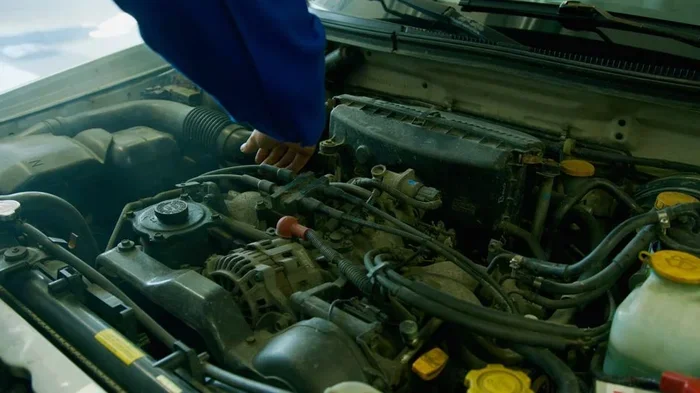
When your car mixes oil and water, it signals a serious problem that can lead to major engine damage if ignored. This issue often stems from a failed head gasket, cracked engine block, or a leaking cooling system component. Understanding the causes, symptoms, and fixes helps you act fast and save money on costly repairs.
Your car relies on two completely separate systems to run properly. One system uses oil to lubricate the engine parts. The other uses coolant (also called radiator fluid) to keep the engine from overheating. These two fluids should never meet. But when they do, things go wrong fast. If you have noticed your car mixing oil and water, you are not alone, and this guide will walk you through everything you need to know.
Oil and water mixing in a car is not a minor issue. It is a red flag that something inside the engine is broken or damaged. Ignoring it can lead to engine overheating, oil emulsification, and even total engine failure. The good news is that catching this problem early gives you the best chance to fix it without spending a fortune. In this article, we will cover the causes, symptoms, diagnosis steps, and repair options in plain language so you can take action right away.
Whether you are a DIY mechanic or someone who just wants to understand what the mechanic is talking about, this guide has you covered. Let us dive into the world of oil contamination and learn how to protect your car from serious harm.
Key Takeaways
- Oil and water mixing is a serious issue: It can cause severe engine damage if not addressed quickly.
- Head gasket failure is the most common cause: This seal breaks down and allows coolant to enter the oil system.
- Early detection saves money: Catching symptoms like milky oil or white smoke early prevents expensive engine repairs.
- DIY diagnosis is possible: Simple tests like the oil cap check and compression test can reveal the problem.
- Prevention is straightforward: Regular car maintenance and fluid level checks go a long way.
- Professional help may be needed: Severe cases require a mechanic to replace gaskets or repair cracks.
📑 Table of Contents
What Happens When Oil and Water Mix in Your Car
Oil and water do not mix. That is basic science. Oil is hydrophobic, which means it repels water. In a healthy engine, the oil system and the cooling system stay completely separate. But when a seal, gasket, or component fails, water can sneak into the oil, and oil can leak into the coolant. This creates a messy and dangerous situation for your engine.
The Science Behind Oil and Water Mixing
When water enters the oil, it creates a milky, frothy substance often called a “mayonnaise” effect. This oil emulsification reduces the oil’s ability to lubricate engine parts. Without proper lubrication, metal parts grind against each other. This causes friction, heat, and eventually wear or seizure of critical engine components.
On the flip side, when oil enters the cooling system, it coats the internal passages of the cooling system. This reduces the system’s ability to transfer heat away from the engine. The result is engine overheating, which can warp cylinder heads, crack the engine block, or blow out gaskets.
Why This Matters for Engine Health
Your engine has many moving parts that spin at high speeds. These parts need clean oil to reduce friction and carry heat away. Water in the oil breaks down the oil’s film strength. It also promotes rust and corrosion inside the engine. Over time, this leads to premature wear on bearings, cylinder walls, and other vital components. The cost of ignoring this problem can easily reach thousands of dollars in engine repair cost.
Common Causes of Oil and Water Mixing
Several issues can cause your car to mix oil and water. Some are more common than others, and some are more expensive to fix. Let us look at the top causes in detail.
1. Head Gasket Failure
The head gasket sits between the engine block and the cylinder head. Its job is to seal the combustion chambers and keep oil and coolant in their separate channels. When this gasket fails, coolant can leak into the oil passages, and combustion gases can escape into the cooling system. Head gasket failure is the number one cause of oil and water mixing in cars.
This problem often happens due to:
- Engine overheating over time
- Age and wear of the gasket material
- Improper installation during previous repairs
- Hot spots caused by uneven torque on head bolts
2. Cracked Engine Block or Cylinder Head
In more severe cases, the engine block or cylinder head itself can crack. This allows coolant to seep directly into the oil galleries or combustion chambers. Cracks usually happen from extreme overheating, freezing temperatures (if coolant concentration is wrong), or metal fatigue over many years of driving.
3. Damaged Oil Cooler or Cooler Lines
Some vehicles have an oil cooler that uses coolant to regulate oil temperature. If the oil cooler develops a leak, coolant and oil can mix directly. This is more common in trucks and high-performance vehicles but can happen in any car with this feature.
4. Leaking Intake Manifold Gasket
On some engines, the intake manifold gasket also seals coolant passages. If this gasket fails, coolant can leak into areas where it does not belong, eventually reaching the oil system.
5. Failed Cylinder Head Gasket on the Coolant Side
Sometimes the issue is not the main head gasket but a smaller seal within the cooling system that fails. This can allow coolant to push past seals and into the oil pan or oil filter housing.
Signs and Symptoms to Watch For
Knowing the warning signs of oil and water mixing can help you catch the problem early. Here are the most common symptoms to look out for.
1. Milky or Foamy Oil on the Dipstick
This is the most obvious sign. Pull out your oil dipstick and look at the oil color. Healthy oil is amber or brown. If it looks like a chocolate milkshake or has a milky, frothy appearance, water has entered the oil system. This is a clear sign of oil contamination.
2. White Smoke From the Exhaust
Thin white smoke when you first start the car on a cold morning is normal. But thick, constant white smoke, especially with a sweet smell, is not. This usually means coolant is burning in the combustion chamber. This is one of the most noticeable signs of a head gasket problem.
3. Coolant Disappearing Without Visible Leaks
If you keep topping off your coolant but cannot find an external leak, the coolant may be entering the oil system or burning in the engine. This is a sneaky but important symptom to watch for.
4. Overheating Engine
Oil mixed with water loses its ability to cool and lubricate effectively. This can cause the engine to run hotter than normal. If your temperature gauge is climbing, pull over safely and check the situation.
5. Bubbles in the Coolant Reservoir
Combustion gases leaking into the cooling system create bubbles in the radiator fluid. If you open the coolant reservoir (only when the engine is cool) and see constant fizzing, this is a strong indicator of a gasket failure.
6. Oil Floating on Top of Coolant
When you remove the coolant cap, you might see oil floating on the surface of the coolant. This is another clear sign that the two systems have crossed over.
How to Diagnose Oil and Water Contamination
If you suspect your car is mixing oil and water, you can perform several simple checks at home before visiting a mechanic. These steps can help you confirm the problem and narrow down the cause.
Step 1: Check the Oil Cap and Dipstick
Remove the oil cap and look inside. If you see a brownish, milky residue under the cap, moisture has been getting into the oil system. Check the dipstick as well. A milky or frothy appearance on the dipstick confirms oil contamination from water.
Step 2: Inspect the Coolant
Open the coolant reservoir and look for oil floating on the surface. Also check the color and consistency. If the coolant looks oily or has an unusual sheen, oil has likely leaked into the cooling system.
Step 3: Perform a Compression Test
A compression test measures the pressure inside each cylinder. Low compression in one or more cylinders can indicate a gasket failure that is allowing combustion gases to escape into the cooling system. This test requires a compression gauge and some basic mechanical knowledge.
Step 4: Use a Block Tester
A block tester (also called a combustion gas tester) checks for exhaust gases in the coolant. If the test fluid changes color, it confirms that combustion gases are entering the cooling system, which points to a gasket seal failure.
Step 5: Check Fluid Levels Regularly
Keep an eye on both your fluid levels. If the oil level is rising (water is mixing in) or the coolant level is dropping (coolant is leaking into the oil), you have a cross-contamination problem. This simple habit of checking fluid levels weekly can save you from major surprises.
How to Fix Oil and Water Mixing in Your Car
The fix depends entirely on what is causing the problem. Some repairs are simple and affordable. Others are complex and expensive. Here is a breakdown of the most common repair options.
Fix 1: Replace the Head Gasket
If the head gasket is the culprit, you will need to replace it. This involves removing the cylinder head, cleaning the mating surfaces, installing a new gasket, and reassembling everything. The engine repair cost for a head gasket replacement typically ranges from $1,000 to $2,500 depending on the vehicle and labor rates in your area.
After the repair, make sure to:
- Use a high-quality gasket set
- Torque the head bolts to the manufacturer’s specifications
- Flush the cooling system and oil system thoroughly
- Replace the oil filter and change the oil completely
Fix 2: Repair or Replace a Cracked Component
If the engine block or cylinder head is cracked, the repair options include welding, metal stitching, or replacement. In some cases, a used or remanufactured head can save money compared to a new one. The engine repair cost for a cracked head or block can range from $1,500 to $4,000 or more.
Fix 3: Replace the Oil Cooler or Lines
If the oil cooler is leaking, replacing it is usually straightforward. This is one of the less expensive repairs, often costing between $300 and $800. The mechanic will also flush both the oil and coolant systems to remove any contamination.
Fix 4: Replace the Intake Manifold Gasket
A failed intake manifold gasket is a more affordable fix compared to head gasket work. Costs typically range from $300 to $800. After replacement, the cooling system and oil should be flushed to remove any cross-contaminated fluid.
Fix 5: Flush and Replace Contaminated Fluids
No matter what caused the mixing, you must flush and replace both the oil and coolant. Old contaminated oil loses its protective properties and can cause further damage. Here is what to do:
- Drain the old oil completely
- Replace the oil filter with a new one
- Refill with fresh oil of the correct grade
- Flush the cooling system with a proper cleaner
- Refill with the correct coolant mixture
- Run the engine and check for leaks
Quick Tip: Always check your oil cap and coolant reservoir after any repair to make sure no more cross-contamination is occurring. Monitoring fluid levels for the first few weeks after a fix is a smart habit.
Preventing Oil and Water Contamination
Prevention is always better than repair. Regular car maintenance and simple habits can keep your engine’s oil and coolant systems separate and working properly.
1. Stick to a Regular Oil Change Schedule
Changing your oil on time keeps it fresh and effective. Old oil breaks down and loses its ability to repel moisture. Follow your vehicle’s recommended oil change interval, which is typically every 5,000 to 7,500 miles for most modern cars.
2. Monitor Your Coolant Levels
Check your coolant level regularly. A sudden drop in coolant without an obvious external leak could mean an internal problem. Catching this early can prevent oil contamination from developing.
3. Keep Your Engine at the Right Temperature
Overheating is one of the biggest enemies of your gasket seal. Make sure your cooling system is working properly. Flush the coolant every 2 to 3 years, and always use the correct coolant type for your vehicle.
4. Address Small Leaks Immediately
Do not ignore small coolant leaks or oil leaks. Even a minor seep can worsen over time and lead to cross-contamination. Fix small problems before they become big, expensive ones.
5. Perform Regular Inspections
During routine car maintenance, ask your mechanic to inspect the oil pan, gaskets, and cooling system components. A visual inspection can often spot potential problems before they become serious failures.
When to See a Professional Mechanic
Some fixes are within reach of a confident DIYer. But when it comes to car mixing oil and water, it is often best to seek professional help. If you notice any of the following, it is time to visit a mechanic:
- Milky oil that does not clear up after a short drive
- Constant white smoke from the exhaust
- Your engine is overheating frequently
- You see bubbles in the coolant reservoir while driving
- The oil and coolant levels keep dropping for no visible reason
A professional mechanic can perform a thorough diagnosis, including a compression test and block test, to pinpoint the exact cause. They have the tools and experience to handle complex repairs safely.
Conclusion
Car mixing oil and water is a serious problem that demands immediate attention. Whether the cause is a failed head gasket, a cracked engine block, or a leaking oil cooler, the key is to act fast. Ignoring this issue will only lead to more damage and higher repair bills. By understanding the causes, recognizing the symptoms early, and following the right repair and prevention steps, you can protect your engine and keep your car running smoothly for years to come. Regular car maintenance, consistent monitoring of fluid levels, and prompt attention to warning signs are your best defenses against this costly problem.
Frequently Asked Questions
Can I still drive my car if oil and water are mixing?
It is not recommended. Driving with oil and water mixing can cause severe engine damage due to poor lubrication and overheating. If you notice this problem, have the car towed to a mechanic or address the issue immediately.
How much does it cost to fix oil and water mixing in a car?
The cost varies widely depending on the cause. A head gasket replacement typically costs $1,000 to $2,500, while a cracked engine block repair can exceed $4,000. Simpler fixes like replacing an oil cooler or intake manifold gasket are more affordable, ranging from $300 to $800.
What does milky oil mean?
Milky oil means water has mixed with the oil, creating an emulsified, frothy substance. This is a clear sign of oil contamination and usually points to a head gasket failure or cracked component allowing coolant into the oil system.
Will a head gasket fix stop oil and water from mixing?
In most cases, yes. Replacing the head gasket restores the seal between the oil and coolant passages. However, if the underlying cause was overheating, the mechanic should also inspect the cylinder head and engine block for cracks before proceeding.
How can I prevent oil and water from mixing in my car?
Regular car maintenance is the best prevention. Stick to your oil change schedule, monitor coolant levels, keep the engine at the right temperature, and address small leaks immediately. These simple habits reduce the risk of cross-contamination significantly.
Is oil and water mixing covered by car warranty?
It depends on your warranty terms and the cause of the problem. Manufacturing defects in gaskets or engine components may be covered, but damage from neglect or lack of maintenance usually is not. Check with your warranty provider for specific details.