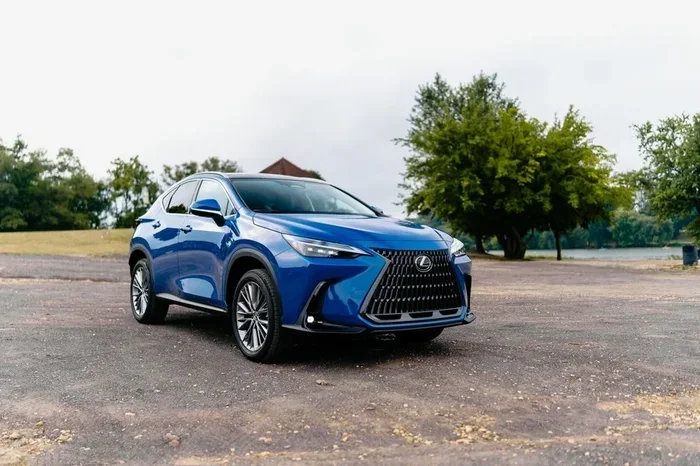
After Washing My Car Here Is What You Should Do Next
After washing my car, the right follow-up steps make all the difference between a dull finish and a showroom-level shine. This guide covers drying, waxing, interior cleaning, inspection, and maintenance so your vehicle stays protected and beautiful. Follow these simple tips to extend your car’s clean look and preserve its paint for years to come.
There is something deeply satisfying about after washing my car and seeing it gleam under the sunlight. But here is the truth many people miss. The wash is only half the battle. What you do next determines whether that shine lasts for days or fades by tomorrow evening.
A proper car care routine after every wash protects your paint, removes leftover contaminants, and keeps your vehicle looking its absolute best. Whether you are a casual car owner or a dedicated car detailing enthusiast, the steps you take right after rinsing off the soap matter a lot. In this guide, I will walk you through everything you need to do once the water stops flowing.
Think of washing your car as the preparation phase. The real magic happens in what follows. From drying techniques to applying protective coating layers, each step builds on the last. By the end of this article, you will have a clear roadmap to follow every single time. Let us dive in.
Key Takeaways
- Dry thoroughly: Use a microfiber towel to prevent water spots and keep your paint smooth.
- Apply wax or sealant: A good protective layer shields your car from dirt, UV rays, and minor scratches.
- Don’t skip the interior: Vacuum, wipe surfaces, and clean glass for a complete detailing result.
- Inspect carefully: Look for missed spots, scratches, or damage while the paint is still clean and wet.
- Maintain regularly: A consistent car care routine between washes keeps your vehicle looking great longer.
- Use the right tools: Quality products like clay bars, tire shine, and glass cleaner elevate your results.
📑 Table of Contents
- Why Post-Wash Care Matters So Much
- Drying Your Car the Right Way
- Applying Wax and Protectant After the Wash
- Cleaning the Interior After a Wash
- Inspecting Your Car for Issues You Missed
- Maintaining Your Car Between Washes
- Common Mistakes to Avoid After Washing
- Final Thoughts on Your Post-Wash Routine
Why Post-Wash Care Matters So Much
Many people wash their car and call it done. But water left on the surface causes mineral deposits and water spots that eat into your clear coat over time. Dirt and grime that remain after a rinse create micro-scratches every time you drive. The exterior care you do after a wash sets the foundation for everything else.
Here is what happens when you skip post-wash steps. Your paint loses its gloss within days. Oxidation speeds up. The paint protection layer weakens. Small contaminants bond to the surface and become harder to remove with each wash. A simple five to ten minute routine after every wash saves you hours of correction work later.
Also, a well-maintained car holds its resale value better. Buyers notice a clean, protected exterior. It signals that the owner cared for the vehicle. So after washing my car, I treat the follow-up routine as non-negotiable. It is the easiest way to get long-term results with minimal effort.
Drying Your Car the Right Way
Why Air Drying Is a Bad Idea
Letting your car air dry might seem convenient, but it is one of the biggest mistakes people make. As water evaporates, it leaves behind mineral deposits that form stubborn water spots. These spots can be hard to remove and may damage your clear coat if left untreated.
The best approach is to dry your car immediately after the final rinse. Use a clean, soft microfiber towel and gently pat or blot the surface. Never drag a dry towel across the paint. That creates friction and can introduce fine scratches known as swirl marks.
The Two-Bucket Method for Drying
For the best results, use a separate microfiber towel for the body and another for the wheels and lower panels. The lower parts of your car collect the most brake dust and road grime. Mixing that with your body drying towel spreads contaminants across your clean paint.
Work from the top down. Gravity pulls water toward the lower panels, so starting at the roof lets the runoff flow naturally. Use sweeping motions rather than circular rubbing. This reduces the risk of scratching and gives you a streak-free finish every time.
Quick Tips for Perfect Drying
- Use a plush, absorbent microfiber towel rated for automotive use.
- Dry in a shaded area to prevent the towel from sticking to hot panels.
- Keep a second dry towel handy for final buffing.
- Pay extra attention to door jambs, mirrors, and crevices where water pools.
- Use a chamois or drying aid spray for an extra layer of slip.
Applying Wax and Protectant After the Wash
Why Waxing After a Wash Is Essential
Once your car is completely dry, it is time to apply a protective layer. Wax fills in microscopic imperfections on the paint surface and creates a barrier against environmental damage. UV rays, bird droppings, tree sap, and acid rain all pose threats to your finish. A good coat of wax shields against all of them.
After washing my car, I always apply wax while the paint is still perfectly clean. Any dust or airborne particles that settle on the surface after drying can get trapped under the wax. That creates a rough texture instead of the smooth, glossy finish you are going for.
Types of Car Wax Compared
| Type | Durability | Ease of Use | Finish |
|---|---|---|---|
| Natural Carnauba Wax | 1 to 3 months | Moderate | Deep, warm gloss |
| Synthetic Sealant | 3 to 6 months | Easy | High gloss, slick |
| Hybrid Wax-Sealant | 2 to 4 months | Easy | Balanced shine |
| Ceramic Coating | 6 to 12 months | Complex | Intense, long-lasting |
Choose based on your patience level and how much protection you want. Natural wax gives the warmest glow but requires more frequent application. Synthetic sealant lasts longer and is easier to apply. Ceramic coatings offer the best long-term protection but require proper preparation and curing time.
How to Apply Wax Like a Pro
Apply a thin, even layer using a foam applicator pad. Work in small sections, about two square feet at a time. Let the wax haze over, then buff off with a clean microfiber cloth. Use light pressure and straight-line motions. Avoid pressing too hard, which can cause streaking.
Do not forget the tire shine and trim pieces. These areas lose their black color and fade quickly without protection. A quality tire dressing restores that deep, rich look and also helps prevent cracking and dry rot.
Cleaning the Interior After a Wash
Why Interior Cleaning Goes Hand in Hand
Washing the exterior feels rewarding, but the interior deserves equal attention. Dust, crumbs, and spills accumulate fast. A clean exterior paired with a messy interior does not deliver the full car detailing experience. After washing my car, I always move inside to complete the job.
Step-by-Step Interior Cleaning
- Remove all trash and personal items from the cabin.
- Vacuum the seats, floor mats, and carpet thoroughly. Use the crevice tool for tight spaces between seats and center console.
- Wipe down all hard surfaces with an interior cleaner and a soft cloth. Dashboards, door panels, and center consoles collect dust and oils from daily use.
- Clean the glass inside with a dedicated glass cleaner. Streak-free windows improve visibility and give the whole cabin a polished look.
- Condition the leather or vinyl surfaces to prevent cracking and fading. A quality conditioner restores softness and adds a subtle sheen.
For fabric seats, consider using a fabric protector spray after cleaning. This repels future stains and makes spill cleanup much easier. A little prevention goes a long way in maintaining a fresh interior.
Inspecting Your Car for Issues You Missed
The Importance of a Post-Wash Inspection
Once your car is clean and protected, take a moment to really look at it. A freshly washed vehicle reveals issues that were hidden under layers of dirt and grime. Scratches, chips, and paint imperfections become visible when the surface is clean and wet.
Walk around your car slowly and check every panel. Look for new stone chips, scratches, or areas where the paint is wearing thin. Catching these early allows you to address them before rust or further damage sets in. A small touch-up paint pen can seal a chip and prevent a much bigger problem down the road.
Using Good Lighting for Inspection
Proper lighting makes a huge difference during your inspection. If you are working in a garage, make sure your light source is bright and consistent. A desk lamp can help you spot small imperfections that natural light might miss. If you notice your desk lamp flickering, replace the bulb or check the connection before relying on it for a detailed inspection. Flickering light creates shadows that hide flaws and give you a false sense of a perfect finish.
Use the sun or a bright LED work light. Position yourself so the light rakes across the paint at a low angle. This angle reveals swirl marks, water spots, and other surface defects that are invisible under overhead lighting.
What to Look For During Inspection
- New paint chips or scratches on the hood, fenders, and bumper.
- Rust spots forming around wheel wells or door edges.
- Worn or cracked rubber seals around windows and doors.
- Dry or cracked trim pieces that need conditioning.
- Missed spots or water marks on the glass.
After washing my car, I keep a small repair kit in the trunk. It includes touch-up paint, a clay bar, and a few microfiber towels. Addressing minor issues on the spot prevents them from becoming expensive repairs later. This is especially useful if you park outdoors or drive on rough roads regularly.
Maintaining Your Car Between Washes
Building a Simple Maintenance Schedule
The work does not stop once your car looks perfect. Regular maintenance between washes keeps your vehicle in top condition. A solid car maintenance schedule protects your investment and reduces the frequency of deep cleaning sessions.
Here is a simple timeline to follow:
- Every 3 to 5 days: Quick rinse to remove bird droppings, tree sap, and road salt.
- Every 1 to 2 weeks: Quick interior wipe-down and vacuum.
- Every month: Apply a quick detailer spray for added shine and protection.
- Every 3 months: Full wash, wax, and interior deep clean.
- Every 6 months: Clay bar treatment to remove embedded contaminants.
Quick Tips for Everyday Protection
Small daily habits make a big difference. Park in the shade or a garage whenever possible. UV exposure is one of the biggest enemies of your paint. Use a car cover if outdoor parking is unavoidable. Avoid washing your car in direct sunlight, as the soap and water dry too quickly and leave spots.
Keep a spray bottle of quick detailer in your garage. A quick spray and wipe after a dusty drive keeps contaminants from bonding to the surface. This simple habit takes less than two minutes and preserves your protective coating between full wash sessions.
If you have plants or flowers near where you park, be mindful of sap and pollen. These natural substances are acidic and can damage your paint. For tips on using light sources near your plants, check out whether a desk lamp can support plant growth. Keeping your parking area clean extends the time between washes and keeps your car looking fresh longer.
The Role of Regular Detailing
Even with a great maintenance routine, periodic professional detailing or a thorough DIY session goes a long way. Detailing goes beyond a standard wash. It includes clay barring, polishing, and applying advanced protective coating systems. These deep treatments restore clarity to oxidized paint and remove stubborn contamination that regular washing cannot touch.
Treat yourself to a full detailing session at least twice a year. Your car will look better, and the paint will stay healthier for much longer. Think of it as a spa day for your vehicle. It deserves the pampering.
Common Mistakes to Avoid After Washing
Even experienced car owners make mistakes. Here are the most common ones and how to avoid them.
- Using the same towel for the body and wheels. Brake dust is abrasive and will scratch your paint instantly.
- Letting the car sit wet after a wash. Water spots form within minutes, especially in hard water areas.
- Applying wax in direct sunlight. The wax dries too fast and becomes difficult to buff off evenly.
- Skipping the interior entirely. A clean exterior with a dirty interior creates an unbalanced look and can affect resale value.
- Using dish soap as a regular wash product. Dish soap strips wax and protective coatings. Always use a dedicated automotive shampoo.
- Ignoring small chips and scratches. They expand over time and lead to rust, which is far more expensive to fix.
Avoiding these simple mistakes saves you time, money, and frustration. A little awareness goes a long way toward keeping your car in excellent condition year-round.
Final Thoughts on Your Post-Wash Routine
After washing my car, I follow a consistent routine that takes about fifteen to twenty minutes. It has become second nature, and the results speak for themselves. My paint stays glossy longer, my interior stays fresh, and I catch small issues before they become big problems.
The key is consistency. You do not need expensive products or hours of free time. A good microfiber towel, a quality wax, a glass cleaner, and a few minutes of attention after every wash are all you need. Build the habit, and your car will thank you for it.
Remember, your car is one of your biggest investments. Taking care of it after every wash is one of the simplest and most effective ways to protect that investment. Start with one new step from this guide today. Once it becomes habit, add another. Before long, your post-wash routine will be second nature, and your car will look better than ever.
Stay consistent, stay thorough, and enjoy the pride that comes with a truly clean vehicle. The road ahead looks a lot brighter when your car shines as bright as your attitude.
Frequently Asked Questions
How soon after washing should I apply wax?
Apply wax as soon as your car is completely dry. Ideally, this means within a few hours of washing. The clean, bare paint surface absorbs wax better and creates a stronger bond. Waiting too long allows dust and contaminants to settle, which reduces the effectiveness of the wax layer.
Can I use a hair dryer instead of a microfiber towel to dry my car?
You can, but it is not practical for the entire vehicle. A hair dryer works for small spots or tight areas, but drying a full car this way takes too long and uses too much electricity. A quality microfiber towel is faster, more efficient, and gentler on your paint.
How often should I clay bar my car?
A clay bar treatment every three to six months is ideal for most drivers. If you park outdoors or drive in areas with heavy pollution or road salt, you may need it more often. The clay bar removes embedded contaminants that washing alone cannot lift, leaving the paint perfectly smooth.
Is it better to wash my car in the morning or evening?
Early morning or late afternoon is best. Avoid washing in direct midday sun, which causes soap and water to dry too quickly and leaves spots. Cooler temperatures also help your wax and sealant cure properly without streaking or hazing.
What is the best way to clean car glass after a wash?
Use a dedicated automotive glass cleaner and a lint-free microfiber cloth. Spray the cleaner onto the cloth rather than directly on the glass to prevent overspray on painted surfaces. Wipe in a zigzag pattern for a streak-free finish that looks great and improves visibility.
Does waxing my car really protect against UV damage?
Yes, wax provides a meaningful layer of UV protection. It shields the clear coat from sun damage, oxidation, and fading. While wax alone cannot block all UV rays, it significantly extends the life and appearance of your paint. Pairing wax with a garage parking spot or car cover offers even better protection.
=== CONCLUSION ===
After washing my car, the steps you take next define the entire result. Drying properly, applying wax, cleaning the interior, inspecting for damage, and maintaining between washes all contribute to a vehicle that looks and feels exceptional. These habits are simple, but they deliver powerful long-term benefits for your car’s appearance and value.
Start implementing one or two of these tips today. Build your routine gradually until it becomes second nature. Your car will reward you with a lasting shine and solid protection against the elements. A little effort after every wash goes a very long way.