Car Mixing Oil and Water: Top Causes You Need to Know
Car mixing oil and water is a serious problem that can destroy your engine if ignored. This happens when coolant or moisture sneaks into your engine oil, creating a harmful emulsion that reduces lubrication. In this guide, we break down the top causes, warning signs, and simple steps you can take to protect your vehicle.
Your car engine relies on clean oil to keep all the moving parts running smoothly. Oil acts like a protective shield, reducing friction and preventing overheating. But what happens when water sneaks into that oil? The result is a dangerous mixture that can cause serious damage over time. When your car mixing oil and water, the lubrication breaks down, metal parts grind together, and the engine starts to suffer.
This problem is more common than most drivers think. Many people ignore the early warning signs until the damage becomes expensive to fix. Whether it is a small coolant leak or a major gasket failure, understanding the root cause is the first step toward a solution. In this article, we will walk you through every major cause, how to spot the problem early, and what you can do to keep your engine healthy.
Think of your engine oil and coolant as two teammates that should never mix. Oil stays in the lubrication system, and coolant stays in the cooling system. They each have a very specific job. When they come together inside the engine, things go wrong fast. Let us explore exactly why this happens and what you can do about it.
Key Takeaways
- Blown head gasket is the most common reason your car mixes oil and water
- Milky or frothy oil on the dipstick is a clear sign of contamination
- White smoke from the exhaust often signals oil and water mixing inside the engine
- Regular oil checks and coolant monitoring can help you catch the problem early
- Ignoring the issue can lead to costly engine repairs or complete engine failure
- Prevention is simple with routine maintenance and timely fluid changes
📑 Table of Contents
What Happens When Oil and Water Mix in Your Car
The Basic Science Behind Oil and Water Mixing
Oil and water do not naturally mix. This is basic science. Oil is hydrophobic, which means it repels water. In a healthy engine, these two fluids stay completely separate. The oil flows through the engine bearings, pistons, and crankshaft, while the coolant flows through the engine block and radiator.
But when something goes wrong, water can slip past seals, gaskets, or cracks and enter the oil system. Once water mixes with oil, it creates a milky, frothy substance that loses its lubricating power. Instead of protecting metal surfaces, this contaminated fluid actually accelerates wear and tear.
The mixture also loses its ability to absorb heat properly. This means your engine can overheat more easily. Over time, the water in the oil can cause rust and corrosion inside the engine block. These are all very serious problems that no car owner wants to deal with.
Why This Mixture Is So Dangerous
When oil and water combine, the oil can no longer form a proper protective film between moving parts. Metal starts grinding against metal. This creates heat, friction, and eventually metal shavings that circulate through the engine.
Here are the main dangers of oil and water mixing:
- Reduced lubrication causes increased engine wear
- Corrosion of internal engine components from water exposure
- Oil film breakdown leads to metal-on-metal contact
- Overheating because the mixture cannot regulate temperature properly
- Clogged oil passages from sludge and emulsion buildup
The longer this mixture stays in your engine, the worse the damage gets. This is why catching the problem early matters so much.
Top Causes of Oil and Water Mixing in Cars
Several different issues can lead to car mixing oil and water. Some causes are minor and easy to fix. Others are more serious and require professional attention. Let us look at each one in detail.
Blown Head Gasket
A blown head gasket is the number one cause of oil and water mixing. The head gasket sits between the engine block and the cylinder head. Its job is to seal the combustion chambers and keep coolant and oil in their separate channels.
When the head gasket fails, coolant can leak into the oil passages. This creates the milky brown or white substance you might see on your dipstick. Head gasket failures often happen due to engine overheating, age, or poor maintenance. The cost to fix a blown head gasket can range from a few hundred to over a thousand dollars depending on the vehicle.
Common signs of a blown head gasket include white smoke from the exhaust, coolant loss without visible leaks, and oil that looks like a chocolate milkshake. If you notice any of these symptoms, get your car checked right away.
Cracked Engine Block
A cracked engine block is a more severe cause of oil and water mixing. Engine blocks are made of cast iron or aluminum, and they can develop cracks over time. Extreme heat, freezing temperatures, and manufacturing defects can all contribute to cracking.
When a crack forms, coolant can seep directly into the oil galleries. This type of damage often requires a full engine rebuild or replacement. It is one of the most expensive problems a car owner can face. However, catching a small crack early can sometimes save you from a complete engine replacement.
Watch for these warning signs of a cracked engine block:
- Coolant loss with no external leaks
- Oil that appears milky or frothy
- Engine overheating that keeps coming back
- White smoke that smells sweet, like coolant
- Bubbles in the radiator or coolant reservoir
Damaged Cylinder Head
The cylinder head sits on top of the engine block and houses the valves, spark plugs, and camshafts. It can crack or warp due to repeated overheating. When this happens, coolant can leak into the combustion chamber or the oil system.
A damaged cylinder head is often a result of the same issues that cause a blown head gasket. Excessive heat is the main culprit. If you have ever run your engine hot and ignored it, the cylinder head may have already taken damage.
Repairing a cylinder head involves either machining it flat, replacing it entirely, or in some cases, replacing the entire engine. The best way to avoid this problem is to never ignore your temperature gauge.
Faulty Oil Cooler or Heat Exchanger
Many modern vehicles come equipped with an oil cooler. This device uses coolant to regulate oil temperature and keep it in the optimal range. The oil cooler has its own set of internal channels that keep oil and coolant separate.
When the oil cooler develops a leak, coolant can mix directly with the engine oil. This is a less common cause but still happens frequently, especially in vehicles with high mileage or those that have been in accidents. A faulty oil cooler can cause the same symptoms as a blown head gasket, which makes diagnosis tricky.
Some vehicles also have a transmission oil cooler integrated into the radiator. If this fails, it can cause transmission fluid to mix with coolant, which is a related but different problem entirely.
Worn or Damaged Piston Rings
Piston rings seal the combustion chamber and control oil consumption. When these rings wear out or break, oil can enter the combustion chamber and mix with moisture from condensation or coolant vapors. While this is not a direct oil and water mixing scenario, it contributes to engine contamination and poor performance.
Worn piston rings often show up as blue or gray exhaust smoke, increased oil consumption, and reduced engine power. Regular oil changes and using the right grade of oil can help extend the life of your piston rings.
Warning Signs Your Oil Has Mixed with Water
Knowing the warning signs can save you thousands of dollars in repair costs. The earlier you catch the problem, the less damage it causes. Here are the most common symptoms to watch for.
Milky or Frothy Oil on the Dipstick
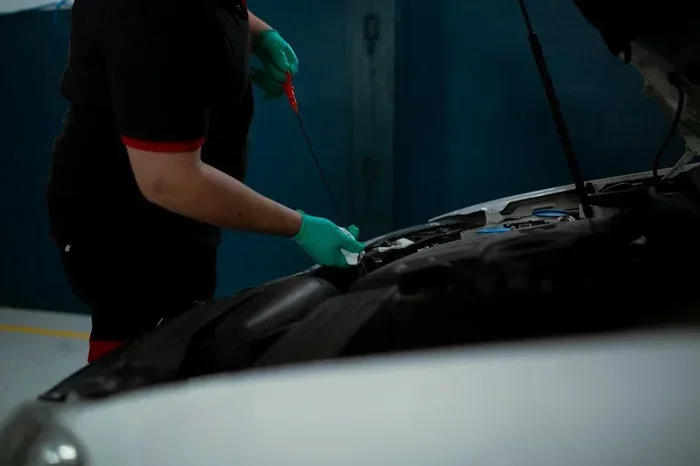
This is the most obvious sign. Healthy engine oil should be amber or brown and smooth to the touch. When water mixes in, the oil turns milky, tan, or even white. It may feel thick and frothy, almost like a milkshake.
If you pull your dipstick and see anything other than smooth, colored oil, do not start the engine. Running the engine with contaminated oil can cause immediate damage. Instead, have your car towed to a mechanic for proper diagnosis.
White Smoke From the Exhaust
Thin white vapor on a cold morning is normal. But thick, persistent white smoke that smells sweet is not. This usually means coolant is burning inside the combustion chamber because it has leaked into the oil system or past a failed head gasket.
Pay attention to the smell too. Coolant has a slightly sweet odor that is very different from the sharp smell of burning oil. If you notice this combination, stop driving and get your car inspected.
Coolant Level Dropping Without Visible Leaks
If you keep topping off your coolant but cannot find any external leaks, the coolant may be mixing with the oil internally. This is a sneaky problem because there is no puddle under your car to alert you.
Check your coolant reservoir regularly. If the level drops consistently and you see oil floating on top of the coolant, you have a serious internal leak that needs immediate attention.
Overheating Engine
When oil and water mix, the cooling system loses efficiency. The contaminated oil cannot carry heat away from the engine properly. This leads to overheating, which causes even more damage in a vicious cycle.
If your temperature gauge keeps climbing, pull over safely and turn off the engine. Continuing to drive an overheating engine can warp the cylinder head, crack the block, or destroy the bearings in just a few minutes.
How to Diagnose Oil and Water Contamination
If you suspect your car is mixing oil and water, there are a few things you can check before heading to the mechanic. These steps can help you understand the severity of the problem.
- Check the dipstick. Pull it out and look at the color and texture of the oil. Milky or frothy oil is a red flag.
- Inspect the coolant reservoir. Look for oil floating on top of the coolant. This is a clear sign of internal mixing.
- Check for white smoke. Start the engine and observe the exhaust. Thick white smoke that does not clear up quickly is a warning sign.
- Use a combustion leak tester. This tool checks for exhaust gases in the coolant, which indicates a head gasket failure.
- Get a compression test. A mechanic can run this test to check for internal leaks between the combustion chamber and the cooling system.
These diagnostic steps can help you pinpoint the exact cause. From there, you and your mechanic can decide on the best repair approach. Never ignore these signs. The longer you wait, the more expensive the repair becomes.
Prevention Tips to Keep Oil and Water Separated
The good news is that preventing oil and water mixing is much easier and cheaper than fixing it. A few simple habits can keep your engine in great shape for years to come.
Stick to a Regular Maintenance Schedule
Change your oil and filter at the intervals recommended by your car manufacturer. Fresh oil maintains its protective properties much longer than old, degraded oil. Also, replace your coolant at the recommended intervals to keep the cooling system working properly.
While you are at it, make sure your desk plant watering schedule stays on track too, so you do not accidentally splash water near your parked car in the garage.
Monitor Your Fluid Levels Regularly
Get in the habit of checking your oil and coolant levels at least once a month. Look for changes in color, consistency, or level. Catching a small drop in coolant early can prevent a major head gasket failure later.
Never Ignore Overheating
Overheating is the enemy of every engine component. If your temperature gauge rises, pull over immediately. Let the engine cool down before checking anything. Continuing to drive while overheating is the fastest way to destroy a head gasket or crack an engine block.
Use Quality Fluids and Parts
Always use the oil grade and coolant type recommended by your vehicle manufacturer. Cheap or wrong fluids can break down faster and cause premature wear on seals and gaskets. The same applies to replacement parts. Invest in quality gaskets and seals when repairs are needed.
Keep Your Engine Cool
Make sure your radiator, water pump, and thermostat are all working properly. A well-functioning cooling system prevents the extreme temperatures that lead to head gasket failures and cylinder head damage.
When to Seek Professional Help
Some car problems can be handled with DIY fixes. Oil and water mixing is not one of them. If you have confirmed that your oil and coolant are mixing, you need professional help immediately.
A qualified mechanic can perform a thorough inspection and identify the exact source of the problem. They have specialized tools like pressure testers, combustion leak testers, and engine diagnostic computers that are not available to most car owners.
While the repair cost can be significant, it is always cheaper than replacing a completely destroyed engine. A blown head gasket repair might cost between 0 and 0, while a new engine can easily run several thousand dollars. The choice is clear.
Also, keep in mind that some older vehicles with high mileage may not be worth major repairs. In those cases, it might make more sense to sell the car for parts or invest in a replacement vehicle. Your mechanic can help you weigh the options.
Final Thoughts
Car mixing oil and water is a serious issue that demands immediate attention. Whether the cause is a blown head gasket, a cracked engine block, or a faulty oil cooler, the result is the same: your engine loses its protection and starts to break down.
The good news is that you now know the top causes, the warning signs, and the steps you can take to prevent this problem. Regular maintenance, fluid monitoring, and prompt action when something seems off can save you a lot of money and headaches. Your engine works hard for you every day. Give it the care it deserves, and it will keep you on the road for miles to come.
Remember, the key to avoiding oil and water mixing is staying proactive. Do not wait for symptoms to get worse. Check your fluids, listen to your engine, and visit a trusted mechanic at the first sign of trouble. A little prevention today can save you from a major repair tomorrow.
Frequently Asked Questions
Can I still drive my car if oil and water have mixed?
You should not drive your car if oil and water have mixed. The contaminated oil loses its lubricating ability, which can cause immediate engine damage. Have your car towed to a mechanic instead of risking further harm to the engine.
How much does it cost to fix oil and water mixing in a car?
The cost depends on the cause. A blown head gasket repair typically costs between 0 and 0, while a cracked engine block or damaged cylinder head can run from 0 to several thousand dollars. Early diagnosis always saves money.
What does milky oil on the dipstick mean?
Milky oil on the dipstick usually means water has mixed with your engine oil. This emulsion looks like a chocolate milkshake and is a clear sign of internal contamination. It is most commonly caused by a blown head gasket or cracked engine block.
Can a small amount of water in oil damage the engine?
Even a small amount of water in oil can cause damage over time. Water reduces the oil’s ability to lubricate, which leads to increased friction and wear on metal surfaces. It is best to address the problem as soon as you notice it.
How do I prevent oil and water from mixing in my car?
Regular maintenance is the best prevention. Change your oil and coolant on schedule, monitor fluid levels, never ignore overheating, and use quality fluids and parts. These simple habits keep your engine running smoothly and prevent costly repairs.
Is oil and water mixing the same as an oil leak?
No, they are different problems. An oil leak means oil is escaping from the engine externally, often leaving a puddle under the car. Oil and water mixing is an internal problem where coolant enters the oil system or vice versa. Both are serious but require different approaches to fix.