The Ultimate Guide to Bobber Fishing for Beginners and Pros
Bobber fishing is one of the simplest and most effective ways to catch fish, whether you are just starting out or looking to sharpen your skills. This guide covers everything you need to know, from choosing the right bobber type to mastering casting and bite detection. You will learn setup techniques, common mistakes, and the best species to target with a bobber rig. By the end, you will feel confident enough to hit the water and start catching fish right away.
Fishing with a bobber is one of the most enjoyable and accessible ways to spend time on the water. Whether you are casting from a quiet lake shore or drifting down a gentle river, a simple float can transform your fishing experience. It gives you a visual signal that tells you exactly when a fish is interested in your bait.
Many people think bobber fishing is only for kids or beginners. That could not be further from the truth. Experienced anglers use advanced bobber rigs and techniques to target specific species at precise depths. The bobber is a tool that bridges the gap between knowing fish are below the surface and actually getting them to bite.
In this guide, we will walk you through everything you need to know about bobber fishing. You will learn about the different types of floats, how to set up your rig, the best techniques for various species, and the mistakes that trip up even seasoned anglers. Let us dive in and help you become a better bobber fisherman.
Key Takeaways
- Choose the right bobber type: fixed, slip, or round bobbers each serve different fishing situations and target species.
- Proper setup matters: a well-rigged bobber setup improves bite detection and helps you land more fish.
- Technique is key: casting distance, depth control, and patience all play a big role in successful bobber fishing.
- Avoid common mistakes: using too heavy a bobber, wrong hook size, and ignoring water conditions can ruin your trip.
- Target the right species: bass, trout, crappie, and panfish all respond well to bobber fishing when done correctly.
- Gear matters: a light rod, sensitive line, and sharp hooks make a huge difference in your results.
📑 Table of Contents
- What Is a Bobber and Why Does It Matter?
- Types of Bobbers You Should Know
- How to Set Up Your Bobber Rig
- Bobber Fishing Techniques That Work
- Common Bobber Fishing Mistakes to Avoid
- Best Fish to Catch With a Bobber
- Essential Gear for Bobber Fishing
- Quick Tips for Better Bobber Fishing
- Expert Insights on Bobber Fishing
- Conclusion
What Is a Bobber and Why Does It Matter?
A bobber, also called a float, is a small device attached to your fishing line that sits on the water surface. Its main job is to serve as a bite indicator. When a fish takes your bait, the bobber moves, twitches, or disappears beneath the water. That simple visual cue tells you it is time to set the hook.
Without a bobber, you are essentially fishing blind. You cannot see when your bait is moving or when a fish interacts with it. The bobber solves this problem by keeping your bait at a specific depth and giving you real-time feedback. It is especially useful for freshwater fishing where fish may be suspended at various depths below the surface.
How a Bobber Improves Your Fishing
Using a bobber offers several clear advantages that make it a must-have in any tackle box. First, it holds your bait at the exact depth you want. Fish feed at different levels in the water column, and a bobber lets you target those zones precisely. Second, it prevents your bait from sinking into weeds, rocks, or snags on the bottom.
Third, a bobber makes casting easier. The float adds buoyancy, which helps carry your bait farther from the shore. This is especially helpful when fishing from a bank or a small dock where long casts are difficult. Finally, a bobber adds an element of fun and excitement. Watching the float dance on the water makes the waiting part of fishing much more enjoyable.
Types of Bobbers You Should Know
Not all bobbers are created equal. Different styles work better for different situations, species, and fishing methods. Understanding the main types will help you pick the right one every time you head out.
Fixed Bobbers
A fixed bobber is the classic round or oval float that attaches to your line at a single point. You slide a small stop onto your line, thread the bobber on, and then add a hook below it. These are the simplest and most affordable bobbers available. They work great for casual fishing in ponds, lakes, and slow-moving streams.
The downside of a fixed bobber is limited depth control. You can only fish as deep as the line between your bobber and hook allows. For shallow water fishing, this is perfect. For deeper spots, you may need a different option.
Slip Bobbers
A slip bobber is a game-changer for deeper water fishing. Unlike a fixed bobber, a slip bobber slides freely along your line until it hits a stop knot. This allows you to fish at precise depths, sometimes 10 feet or more below the surface. Slip bobber fishing is incredibly popular for targeting bass, crappie, and trout in deeper lakes.
Setting up a slip bobber rig takes a few extra steps, but the payoff is worth it. You can present your bait exactly where the fish are holding, even in deep suspended bait zones. Many tournament anglers rely heavily on slip bobber setups for their precision and versatility.
Round and Pencil Bobbers
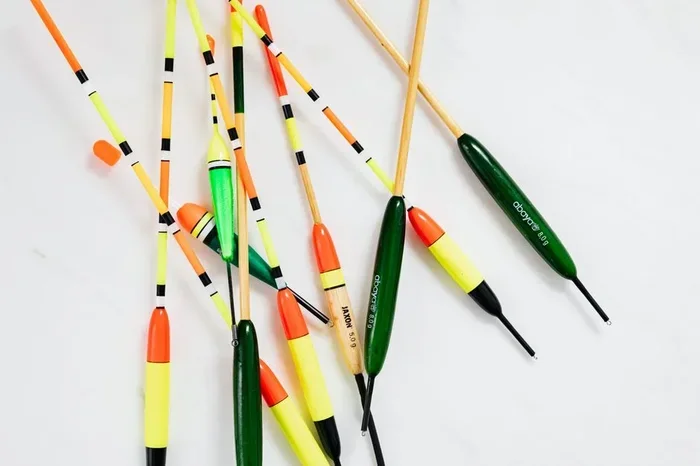
Round bobbers are the most recognizable style. They are bulb-shaped, brightly colored, and very buoyant. Pencil bobbers, on the other hand, are long and thin, resembling a pencil. Pencil bobbers sit lower in the water and are less affected by wind and waves, making them ideal for current fishing or windy conditions.
Both styles have their place. Round bobbers are great for beginners because they are easy to see and set up. Pencil bobbers offer better sensitivity and are favored by experienced anglers fishing in rivers or choppy water.
How to Set Up Your Bobber Rig
Setting up a bobber rig is straightforward, but small details make a big difference. A properly rigged bobber setup ensures your bait looks natural and your float responds clearly to bites.
Step-by-Step Bobber Rig Setup
Follow these steps to get your bobber rig ready for fishing:
- Thread your line through the top hook of the bobber. For a fixed bobber, this is the small metal peg on top.
- Slide the bobber down the line to your desired depth. Use a bobber stop if you are using a slip bobber rig.
- Tie on a hook using a clinch knot or palomar knot. The hook size depends on your target species.
- Add your bait. Live bait like worms, minnows, or crickets work best with most bobber setups.
- Adjust the depth by moving the bobber up or down the line until it sits partially submerged.
Choosing the Right Hook and Bait
The hook size should match the fish you are targeting. Use a smaller hook, size 8 to 10, for panfish like bluegill and crappie. For bass and larger freshwater species, go with a size 4 to 1/0 hook. The bait should be natural and enticing. Live worms are the universal favorite, but minnows, crickets, and even artificial soft plastics can work wonders under a bobber.
Keep your fishing line light to medium weight, between 4 and 8-pound test. A lighter line casts better and feels more natural in the water. Heavy line can create drag on the bobber and reduce sensitivity, making it harder to detect bites.
Bobber Fishing Techniques That Work
Setting up your rig correctly is only half the battle. Knowing how to fish with a bobber effectively will dramatically improve your catch rate. Different techniques work for different species and water conditions.
Still Fishing With a Bobber
Still fishing is the most common and beginner-friendly bobber technique. You simply cast your rig out, let the bobber sit on the water, and wait. This method works well in ponds, lakes, and slow rivers. It is perfect for targeting panfish, bass, and trout in calm conditions.
The key to successful still fishing is patience. Watch your bobber closely for any movement. A slight twitch, a slow drift, or a sudden dive all signal a fish. When you see action, lift your rod tip smoothly to set the hook. Do not jerk too hard or you will rip the bait away from the fish.
Drift Fishing With a Slip Bobber
Drift fishing is excellent for covering more water and finding active fish. You let your boat or the current carry your bait naturally along. A slip bobber allows your bait to move freely at the desired depth while the float follows the surface current.
This technique is especially effective for targeting bass and crappie in rivers and large lakes. The natural movement of the bait mimics a live prey item, which triggers more strikes. Use a small sinker or split shot above the hook to control the drift speed and keep your bait in the zone.
Using a Bobber for Night Fishing
Night fishing with a bobber can be incredibly productive. Many species feed more actively after dark. Use a glow-in-the-dark bobber or attach a small LED light to your float. The glowing signal is easy to spot in low light and alerts you to bites even in complete darkness.
Night bobber fishing works best for catfish, bass, and walleye. Use a larger bobber so it is easier to see, and choose a quiet, low-light area away from heavy boat traffic. The stillness of the night often brings out the biggest fish.
Common Bobber Fishing Mistakes to Avoid
Even experienced anglers make mistakes when fishing with a bobber. Being aware of these common errors can save you a lot of frustration and help you catch more fish.
Using Too Heavy a Bobber
One of the biggest mistakes is using a bobber that is too large or heavy for the fishing situation. An oversized bobber creates too much resistance on the line, reducing casting distance and making it harder for fish to take the bait naturally. Match the bobber size to the weight of your bait and the current conditions. A small bobber is almost always better than a large one.
Ignoring Wind and Current
Wind can push your bobber sideways, making it hard to detect bites and control your bait placement. In windy conditions, use a pencil bobber or a slip bobber with a split shot to keep the rig stable. Similarly, strong water current can drag your bait too quickly through the strike zone. Add weight above the hook to slow the drift and keep the bait in front of the fish longer.
Setting the Hook Too Early or Too Late
Timing is everything in bobber fishing. Setting the hook too early means you pull the bait away before the fish fully takes it. Setting it too late means the fish has already spit it out. Watch for the bobber to dip, twitch, or move sideways, then wait a second before lifting. That brief pause allows the fish to fully engulf the hook.
Best Fish to Catch With a Bobber
Bobber fishing is incredibly versatile, but some species respond better to this method than others. Here are the top fish to target with a bobber rig.
Bass
Largemouth and smallmouth bass are excellent targets for bobber fishing. Use a slip bobber to fish your bait at the depth where bass are holding, typically around submerged structures, fallen trees, or weed edges. Soft plastic lures or live minnows under a bobber produce great results for bass.
Crappie
Crappie are one of the most popular bobber fishing targets. They tend to suspend in schools near structure, and a slip bobber lets you present your bait right in their zone. Use a small hook and a tiny bobber with a live minnow or jig. Crappie fishing with a bobber is peaceful and highly productive.
Trout
Trout feed near the surface in cold, clear water, making them perfect for bobber fishing. Use a small fixed bobber or pencil bobber with a powerbait or worm piece. Trout are sensitive to line weight, so use light fishing line and a delicate bobber setup for the best results.
Panfish
Bluegill, sunfish, and perch are classic bobber fishing species. These panfish are eager biters and respond well to simple bobber rigs with live worms or crickets. This is a fantastic way to introduce kids to fishing or enjoy a relaxing afternoon on the water.
Essential Gear for Bobber Fishing
Having the right gear makes a noticeable difference in your bobber fishing success. You do not need expensive equipment, but a few smart choices will improve your experience.
- Fishing rod: A light or medium-light spinning rod between 6 and 7 feet long is ideal for most bobber fishing situations.
- Fishing reel: A smooth spinning reel with a good drag system helps you land fish without breaking your line.
- Fishing line: Use 4 to 8-pound monofilament line for flexibility and sensitivity. Braided line works well for deeper slip bobber setups.
- Bobber selection: Carry a mix of fixed bobbers, slip bobbers, round bobbers, and pencil bobbers in your tackle box.
- Hooks and sinkers: Keep a variety of hook sizes and split shot sinkers to adjust your rig for different conditions.
- Bait: Stock up on live worms, minnows, and crickets for the most natural presentations.
Quick Tips for Better Bobber Fishing
Tip 1: Keep Your Line Short
The shorter the distance between your bobber and hook, the more sensitive your setup becomes. Long line sections between the float and bait absorb strikes and make it harder to detect bites.
Tip 2: Watch the Water
Pay attention to the water surface around your bobber. Ripples, swirls, or sudden movements often indicate fish activity before the bobber even moves.
Tip 3: Change Depths Often
If you are not getting bites, try adjusting your depth. Fish may be holding higher or lower than you think. A slip bobber makes depth changes quick and easy.
Tip 4: Use a Sharp Hook
A dull hook is the number one reason fish get away. Check your hook sharpness before every trip and replace it regularly. Sharp hooks ensure clean hooksets when the bobber signals a bite.
Expert Insights on Bobber Fishing
Professional bobber anglers will tell you that the secret to success lies in reading the water and matching your presentation to the fish behavior. Bobber fishing is not just about dropping a float in the water and waiting. It is about understanding where fish hold, what they are feeding on, and how to present your bait in a way that looks completely natural.
One key insight from experienced bobber fishermen is to always fish the edges. Whether it is the edge of a weed bed, the shoreline drop-off, or the boundary between shallow and deep water, fish tend to congregate in transition zones. A well-placed bobber rig at the edge of structure can produce consistent results throughout the season.
Another expert tip is to match the hatch. Observe what insects or small baitfish are active on the water, and choose your bait accordingly. When your bobber presentation matches what the fish are naturally eating, the bite rate increases significantly.
Conclusion
Bobber fishing is a timeless technique that offers something for everyone. Whether you are a complete beginner or a seasoned angler looking to refine your skills, the bobber remains one of the most effective and enjoyable tools in your fishing arsenal. From choosing the right bobber type to mastering depth control and bite detection, every detail matters.
The beauty of bobber fishing is its simplicity and versatility. You can use it in ponds, lakes, rivers, and streams to target a wide range of species including bass, trout, crappie, and panfish. With the right setup, proper techniques, and a little patience, you will be catching fish consistently in no time.
Now that you have the knowledge and confidence to get started, it is time to grab your gear and hit the water. Pack your bobber, load your tackle box, and enjoy the relaxing yet rewarding world of bobber fishing. Every cast is a new opportunity, and every bite is a reason to smile.
Frequently Asked Questions
What is the best bobber for beginners?
A fixed round bobber is the best choice for beginners. It is easy to set up, affordable, and very visible on the water. You can find them at any bait shop or sporting goods store for just a few dollars.
Can you use a bobber in saltwater fishing?
Yes, you can use a bobber in saltwater, though it is less common. Saltwater bobbers are typically larger and made from materials that resist corrosion. They work well for targeting species like redfish and speckled trout in shallow coastal waters.
How deep can you fish with a bobber?
With a slip bobber, you can fish at depths of 10 feet or more. A fixed bobber is limited to the length of line between the float and hook. The deeper you want to fish, the more important a slip bobber becomes.
What is the difference between a bobber and a float?
There is no difference. Bobber and float are two words for the same fishing device. Both terms are used interchangeably by anglers across the country.
Why does my bobber keep getting stuck on the bottom?
This usually happens when your bobber is too light for the weight of your bait and sinker. Use a lighter split shot or a smaller hook to reduce the overall weight. You can also try fishing in deeper water where the bottom is farther from the surface.
Can you use artificial bait with a bobber?
Absolutely. Soft plastics, jigs, and even small spinnerbaits can all be used under a bobber. Artificial baits work especially well for targeting bass and panfish when presented naturally with a bobber rig.
=== CONCLUSION ===
Bobber fishing is one of the most effective and enjoyable ways to catch freshwater fish. Whether you are just starting out or looking to refine your technique, mastering the bobber will take your fishing to the next level. Remember to choose the right bobber type, set up your rig properly, and pay close attention to what the water is telling you. With practice and patience, you will find yourself catching more fish and having more fun on every trip. Grab your gear, head to your favorite fishing spot, and let the bobber do the work for you.