Car Battery Replacement Cost And What Affects The Price
The car battery replacement cost typically ranges from $100 to $400, depending on your vehicle, battery type, and location. Battery replacement expenses are influenced by factors like brand, cold cranking amps, and labor fees. Understanding these elements helps you avoid overpaying and choose the right auto battery cost for your needs.
Let’s talk about something every driver eventually faces: your car battery dies, and now you need a new one. The car battery replacement cost is one of those expenses that sneaks up on you. One minute your car starts fine, and the next you’re standing in a parking lot with a dead battery and a set of jumper cables.
Here is the good news. Understanding what drives the price of a new battery puts you in a much better position. You will not get ripped off, and you will know exactly what to expect before you hand over your money. In this guide, we break down every factor that affects the auto battery cost. We also share practical tips to help you save money and make the right choice the first time.
Key Takeaways
- Average Cost Range: Most drivers pay between $100 and $400 for a new car battery, including installation.
- Battery Type Matters: AGM and lead-acid batteries have different price points and performance levels.
- Location Affects Price: Labor rates and climate conditions can significantly impact your total car battery replacement cost.
- DIY Is Possible: Replacing a battery yourself can save you $20 to $50 in labor fees.
- Warranty Coverage: Many quality batteries come with warranties that protect your investment for years.
- Maintenance Saves Money: Regular care extends battery life and reduces the frequency of replacements.
📑 Table of Contents
Average Car Battery Replacement Cost
So, what does it actually cost to replace a car battery? The answer depends on several things, but most drivers can expect to pay somewhere between $100 and $400. This range covers both the price of the battery itself and the labor for battery installation.
What You Can Expect To Pay
The battery alone usually costs between $50 and $250. Budget-friendly options sit at the lower end, while premium batteries with advanced features cost more. Installation fees typically range from $20 to $100, depending on where you go and how complex the job is.
Here is a quick breakdown of common price ranges:
- Economy batteries: $50 to $100 for the battery, plus $20 to $40 for installation.
- Mid-range batteries: $100 to $200 for the battery, plus $30 to $70 for installation.
- Premium batteries: $200 to $350 for the battery, plus $50 to $100 for installation.
Keep in mind that these are national averages. Your actual car battery replacement cost could be higher or lower based on your specific situation.
Cost By Vehicle Type
The type of vehicle you drive plays a big role in the final price. Smaller cars with standard engines need less powerful batteries, which cost less. Larger vehicles like trucks and SUVs require bigger batteries with higher cold cranking amps, which drives the price up.
- Compact cars: $100 to $180 total
- Sedans and mid-size cars: $120 to $250 total
- Trucks and SUVs: $150 to $400 total
- Luxury and hybrid vehicles: $200 to $500+ total
Hybrid vehicles are a special case. They use advanced battery systems that cost more to replace. If you drive a hybrid, you should budget accordingly for your battery replacement needs.
Types Of Car Batteries And Their Prices
Not all batteries are the same. The battery types available on the market vary in price, performance, and lifespan. Knowing the differences helps you pick the right one without overspending.
Lead-Acid Batteries
Lead-acid batteries are the most common type found in standard vehicles. They are reliable, affordable, and widely available. The auto battery cost for a standard lead-acid battery usually falls between $50 and $150.
These batteries have been around for decades. They work well in most driving conditions and are easy to replace. The main downside is that they require occasional maintenance, like checking the fluid levels and cleaning the battery terminal connections.
AGM Batteries
Absorbed Glass Mat, or AGM batteries, are a step up from traditional lead-acid options. They are sealed, maintenance-free, and handle deeper discharges better. The car battery price for an AGM battery typically ranges from $100 to $300.
AGM batteries work great for vehicles with start-stop technology or high electrical demands. They also last longer than standard lead-acid batteries. If your vehicle calls for an AGM battery, do not try to save money with a cheaper option. It will not perform as well and could damage your electrical system.
Lithium-Ion And Other Options
Lithium-ion batteries are becoming more popular, especially in hybrid and electric vehicles. They are lightweight, long-lasting, and efficient. However, they come with a higher car battery replacement cost, often exceeding $500.
Other specialty batteries exist for specific applications, but they are less common in everyday vehicles. Always check your owner’s manual to confirm which battery type your vehicle needs before making a purchase.
Factors That Affect Battery Replacement Cost
Why does the price of a new battery vary so much? Several key factors come into play. Understanding each one helps you make a smart buying decision and avoid surprises at the checkout counter.
Battery Brand And Quality
Not all battery brands are created equal. Well-known brands like DieHard, Optima, and Interstate command higher prices, but they also offer better performance and longer warranties. Budget brands can save you money upfront, but they may not last as long.
When comparing auto battery cost options, look beyond the sticker price. Check the warranty length, the battery capacity, and customer reviews. A slightly more expensive battery that lasts five years is a better deal than a cheap one that dies after two.
Your Location And Climate
Where you live matters more than you might think. Labor rates vary by region, and extreme temperatures can shorten battery life. If you live in a very hot or very cold climate, your battery works harder and may need replacing more often.
In cold climates, cold cranking amps become especially important. A battery that struggles in the winter means you might need a more expensive, higher-rated unit. This directly increases your car battery replacement cost.
Labor Costs And Installation Fees
Professional battery installation costs vary depending on where you go. Dealerships typically charge the most, often $70 to $100 for labor. Independent auto shops usually charge $30 to $60. Some parts stores, like AutoZone or O’Reilly, offer free installation with a qualifying purchase.
If you are handy with tools, you can save significantly by doing the battery replacement yourself. We will cover this option in more detail later in this guide.
Battery Size And Capacity
Batteries come in different sizes, known as group sizes. The right size depends on your vehicle’s make and model. Larger batteries with higher battery capacity cost more but provide more power and last longer.
Always match the battery group size to your vehicle’s specifications. Using the wrong size can lead to poor performance, battery corrosion, and even damage to your electrical system.
How To Know When Your Battery Needs Replacing
Waiting too long to replace a failing battery can leave you stranded. Recognizing the warning signs early saves you time, money, and a lot of frustration.
Warning Signs To Watch For
Your car gives you plenty of hints before a battery completely dies. Watch for these common warning signs:
- Slow engine crank: The engine takes longer than usual to start, especially in cold weather.
- Dim headlights: Your lights appear dimmer than normal, even when the engine is running.
- Check engine light: This dashboard warning can indicate a battery or charging system issue.
- Swollen battery case: A bloated or cracked case is a clear sign of a failing battery.
- Corrosion on terminals: A white, blue, or greenish buildup around the battery terminal connections.
- Age: Most car batteries last three to five years. If yours is older, it is time to plan for a battery replacement.
Testing Your Battery
Do not wait for your battery to fail completely. Most auto parts stores offer free battery testing. They check the voltage, cold cranking amps, and overall health of your battery in just a few minutes.
You can also test your battery at home with a multimeter. A fully charged battery should read 12.6 volts or higher. Anything below 12.4 volts suggests the battery is weakening and may need replacement soon.
DIY Vs Professional Battery Replacement
One of the biggest decisions you will face is whether to replace the battery yourself or pay for professional battery installation. Both options have their pros and cons, and the right choice depends on your comfort level and budget.
Can You Replace A Car Battery Yourself?
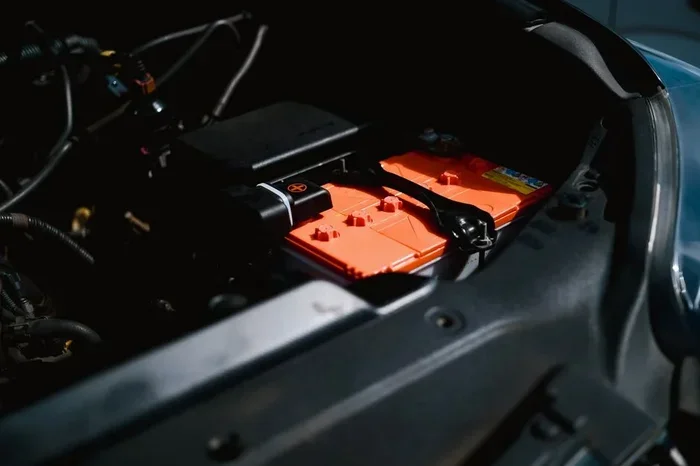
Yes, replacing a car battery is one of the easiest DIY auto maintenance tasks you can do. All you need is a wrench, a new battery, and about 15 to 30 minutes of your time. The process involves disconnecting the old battery cables, removing the hold-down clamp, lifting out the old battery, placing the new one, and reconnecting the cables.
Doing it yourself saves you the labor fee, which typically ranges from $20 to $100. It also gives you the freedom to choose any battery you want, without being limited to what a shop stocks.
However, safety matters. Always wear gloves and eye protection. Remove metal jewelry before working near the battery. And never smoke or create sparks near the battery, as it can produce flammable gases. If you are unsure about any step, it is better to call a professional.
When To Call A Professional
There are times when professional help is the smart choice. If your battery is located in a hard-to-reach spot under the hood or in the trunk, a mechanic can handle the job quickly and safely. Vehicles with advanced computer systems may also require a professional reset after a battery replacement.
Additionally, if you need roadside assistance and your battery dies unexpectedly, many services can replace the battery on the spot. While this convenience comes at a premium, it can be worth it when you are stuck on the side of the road.
Tips To Reduce Your Battery Replacement Cost
Nobody wants to overspend on a car battery. The good news is that there are several simple ways to reduce your car battery replacement cost without sacrificing quality.
Choose The Right Battery For Your Needs
Do not automatically buy the most expensive battery on the shelf. Instead, match the battery to your vehicle and driving habits. If you mostly take short trips around town, a standard lead-acid battery may be all you need. If you live in an extreme climate, investing in an AGM battery pays off in the long run.
Look For Warranty Coverage
Quality batteries come with warranties that range from three years to a lifetime. A longer warranty means the manufacturer stands behind their product. If your battery fails early, a good warranty covers the replacement at no extra cost. Always check the warranty terms before you buy.
Maintain Your Battery Properly
Regular maintenance extends the life of your battery and delays the need for a costly battery replacement. Here are some simple tips:
- Keep the battery terminal connections clean and tight.
- Drive your vehicle regularly to keep the battery charged.
- Avoid leaving lights or accessories on when the engine is off.
- Have the battery tested twice a year, especially before winter and summer.
- Use a battery maintainer if your car sits unused for long periods.
These small habits add up over time. They help you get the most miles out of every battery and reduce your overall car maintenance cost.
Conclusion
The car battery replacement cost does not have to be overwhelming. By understanding the factors that drive the price, you can make a confident and informed decision. Whether you choose a budget-friendly lead-acid battery or invest in a premium AGM option, the key is to match the battery to your vehicle and driving needs.
Remember to watch for warning signs, test your battery regularly, and maintain it properly. These simple steps save you money and keep you on the road. The next time your battery gives you trouble, you will know exactly what to expect and how to handle it like a pro.
Frequently Asked Questions
How long does a car battery last before needing replacement?
Most car batteries last between three and five years. The exact lifespan depends on your driving habits, climate, and the type of battery you use. Regular testing helps you catch a weakening battery before it fails completely.
Can I drive with a dying battery?
It is not recommended. A weak battery can leave you stranded at any moment. It can also put extra strain on your alternator, leading to more expensive repairs down the road. Replace a failing battery as soon as possible.
Does the car battery replacement cost include the alternator check?
Usually not. The cost covers the battery and installation. However, a good mechanic will check your alternator and charging system during the replacement to make sure everything is working properly. Some shops include this as a courtesy.
Is it cheaper to buy a battery online and have it installed locally?
Yes, buying online can save you money. Many online retailers offer lower prices than local stores. You can then bring the battery to a local shop for installation, often at a lower labor rate than a dealership.
What is the difference between cold cranking amps and battery capacity?
Cold cranking amps measure how much power a battery can deliver in cold weather to start your engine. Battery capacity measures the total energy the battery can store. Both matter for choosing the right battery for your vehicle and climate.
Do I need to reset anything after a battery replacement?
Some vehicles require a reset of the clock, radio presets, and power windows after a battery replacement. Modern vehicles with advanced computer systems may also need a reset of the battery management system. Check your owner’s manual or ask your mechanic for guidance.