Everything You Need to Know About Window Tint Benefits
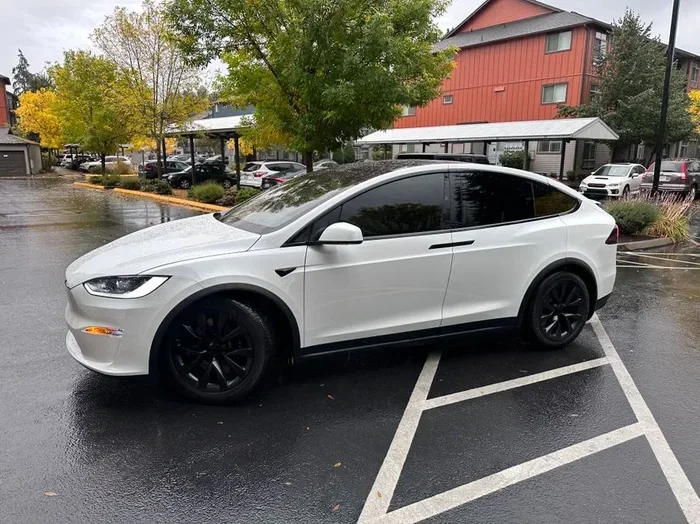
Window tint offers a wide range of benefits that go far beyond aesthetics. From blocking harmful UV rays and reducing heat to saving on energy bills and enhancing privacy, tint is a simple upgrade with powerful results. Whether you are tinting your car, home, or office, the advantages are real and long-lasting.
Have you ever gotten into a hot car on a summer day and wished you could just cool down instantly? Or maybe you have noticed your furniture fading even though you keep the curtains closed. These are common problems that millions of people face every single day. The good news is that a simple solution exists, and it is more affordable than you might think. Window tint is a thin film applied to glass surfaces that delivers a surprising number of powerful benefits. In this guide, we will explore everything you need to know about window tint benefits for your home, car, and office.
Tinting is not just about making your windows look darker or more stylish. It is a practical investment that pays off in comfort, savings, and protection. Whether you are a car owner looking for a cooler ride or a homeowner trying to cut energy costs, tint has something valuable to offer. Let us dive into the details and see why so many people are making the switch.
Key Takeaways
- Heat Reduction: Window tint can block up to 70% of solar heat, keeping your space cooler and more comfortable.
- UV Protection: Quality tint blocks up to 99% of harmful UV rays, protecting your skin and your belongings.
- Energy Savings: By reducing heat gain, tint lowers your cooling costs and eases the load on your HVAC system.
- Glare Reduction: Tint cuts down on annoying glare, making driving and working more comfortable and safer.
- Privacy and Security: Tint adds a layer of privacy and can help hold shattered glass together in accidents.
- Interior Protection: Tint prevents fading of furniture, flooring, and upholstery caused by sun exposure.
- Multiple Options: There are many types of tint available, from ceramic to carbon, so you can find the perfect fit for any need.
📑 Table of Contents
What Is Window Tint and How Does It Work?
Window tint is a thin, multilayered film made from materials like polyester, metal, and ceramic. It is applied directly to the interior surface of glass using a special adhesive. The film works by filtering out certain wavelengths of light and heat before they pass through your windows. Different types of tint use different technologies to achieve this. Some films reflect heat away from the surface, while others absorb it into the film itself. The result is a more comfortable indoor environment with less reliance on air conditioning. Most window tint films are measured by their Visible Light Transmission (VLT) percentage, which tells you how much light passes through. Lower VLT means a darker film, while higher VLT keeps the window brighter. Choosing the right percentage depends on your specific needs and local regulations.
Top Benefits of Window Tint
The advantages of applying tint to your windows are extensive. Let us break down the most important benefits so you can understand exactly what you are getting.
Heat Reduction for a Cooler Environment
One of the biggest reasons people invest in window tint is heat reduction. Sunlight streaming through your windows can dramatically raise the temperature inside your car or home. During peak summer months, untreated windows can let in enough solar energy to make your air conditioner work overtime. High-quality tint films can block up to 70% of total solar energy from entering your space. This means your interior stays noticeably cooler without cranking the AC to maximum. For car owners, this translates to a more comfortable driving experience from the moment you sit down. For homeowners and office managers, it means lower thermostat settings and a more pleasant atmosphere for everyone. The reduction in heat also helps your cooling systems last longer because they are not running at full capacity all day long.
UV Protection for Your Health and Belongings
Ultraviolet rays from the sun are invisible but incredibly damaging. Prolonged exposure to UV rays can cause skin cancer, premature aging, and eye damage. What many people do not realize is that UV rays pass right through regular glass. Window tint blocks up to 99% of harmful UV radiation, creating a protective barrier for you and your family. This is especially important for people who spend a lot of time driving or sitting near windows. But the benefits go beyond personal health. UV rays are one of the leading causes of fading in furniture, carpets, curtains, and artwork. By applying tint to your windows, you significantly extend the life of your interior furnishings. Your hardwood floors, leather seats, and fabric couches will look newer for much longer. Think of tint as an invisible shield that protects everything inside your space.
Glare Reduction for Comfort and Safety
Glare from sunlight or headlights can be more than just annoying. It can actually be dangerous. Driving with intense sun glare in your eyes reduces your reaction time and increases the risk of accidents. In offices and homes, glare on computer screens and TVs makes it hard to work and relax. Window tint effectively reduces glare without making your rooms too dark. You can enjoy natural light while keeping the brightness at a comfortable level. This is one of the most immediate benefits people notice after getting their windows tinted. Whether you are on a long road trip or working at your desk, tint makes the experience far more pleasant and productive.
Privacy and Security Enhancement
Privacy is something most people value but often overlook when it comes to their windows. During the day, tint makes it much harder for people outside to see into your home, car, or office. This gives you peace of mind without having to keep your blinds or curtains closed all the time. Beyond privacy, window tint also adds a layer of security. In the event of an accident or break-in, the film helps hold glass fragments together. This reduces the risk of injury from flying glass shards. Many tint products are specifically designed with safety and security in mind. They act as an extra barrier that can delay intruders and protect your family or employees.
Energy Efficiency and Cost Savings
Here is a benefit that should make any budget-conscious person smile: window tint can actually save you money. By reducing the amount of heat that enters your space, your air conditioning system does not have to work as hard. This directly translates to lower energy bills. Studies have shown that buildings with tint installed can see energy savings of up to 30% on cooling costs. Over time, these savings add up to a significant return on your investment. For businesses, this also means a smaller carbon footprint and a more sustainable operation. Homeowners benefit from reduced strain on their HVAC systems, which can lower maintenance costs and extend the lifespan of their equipment. When you factor in the other benefits like UV protection and interior preservation, the financial value of tint becomes even clearer.
Interior Protection Against Fading
Sun damage is one of the biggest enemies of your interior. The combination of UV rays, heat, and visible light causes fading and discoloration over time. Your beautiful wooden dining table might start looking washed out. Your vibrant rug could lose its color. Even your car’s dashboard and seats are vulnerable to sun damage. Window tint filters out a large portion of the light and heat responsible for this deterioration. By blocking up to 99% of UV rays and reducing heat significantly, tint helps preserve the original look of your interiors. This applies to cars, homes, and commercial spaces alike. Protecting your investment in furniture, flooring, and fixtures is a smart move that many people underestimate.
Types of Window Tint Available
Not all tint films are the same. Understanding the different types can help you choose the best option for your needs. Here is a quick look at the most popular choices.
- Dyed Tint: The most affordable option. It uses a dye layer to absorb heat and reduce glare. It offers good privacy but may fade over time.
- Metalized Tint: Contains tiny metallic particles that reflect heat and add strength to the glass. It is durable but may interfere with electronic signals.
- Carbon Tint: A non-metallic option that provides excellent heat rejection without signal interference. It has a matte finish that many people prefer.
- Ceramic Tint: The premium choice. It offers the highest heat rejection, superior UV protection, and zero signal interference. It is more expensive but delivers the best overall performance.
- Crystalline Tint: A specialized type that allows high visible light transmission while still rejecting heat effectively. Great for those who want a bright interior with thermal comfort.
Each type of tint has its own strengths and weaknesses. Your choice should depend on your budget, your goals, and the specific needs of your vehicle or building. Ceramic and carbon tints are generally the most recommended for long-term value.
How to Choose the Right Tint for Your Needs
Selecting the right window tint can feel overwhelming with so many options available. Here are some practical tips to guide your decision.
First, consider your primary goal. Are you most concerned about heat, UV protection, privacy, or a combination of all three? If heat reduction is your top priority, look for films with high solar heat rejection ratings. If privacy matters most, choose a darker shade with a lower VLT percentage. Second, check your local regulations. Different states and countries have specific laws about how dark tint can be on vehicles and buildings. Make sure you choose a film that complies with legal requirements. Third, set a realistic budget. While ceramic tints offer the best performance, they also come with a higher price tag. Dyed and carbon tints provide excellent value for those on a tighter budget. Finally, always work with a reputable installer. Professional application ensures a bubble-free, long-lasting finish that maximizes all the benefits of your tint film.
Common Mistakes to Avoid When Tinting
Even though window tint is a relatively straightforward process, there are some common mistakes that can compromise your results. Avoiding these pitfalls will help you get the most out of your investment.
One of the biggest mistakes is choosing the wrong tint shade for your needs. Some people pick the darkest option available without considering their actual requirements or local laws. Another common error is skipping professional installation to save money. DIY kits might seem tempting, but they often lead to bubbles, peeling, and uneven application. Poorly applied tint not only looks bad but also performs poorly. Additionally, many people underestimate the importance of curing time. After installation, your tint needs time to fully adhere and cure. Avoid rolling down your windows or cleaning the tinted surface for at least a few days. Finally, do not neglect maintenance. Use a non-ammonia cleaner and a soft cloth to keep your tint looking great for years to come.
Expert Tips for Getting the Most Out of Your Tint
To truly maximize the benefits of your window tint, follow these expert tips. First, invest in quality over price. Cheap tint films degrade quickly and may bubble or peel within a year or two. High-quality films from trusted brands can last 10 years or more. Second, consider tinting all windows consistently for a uniform look and optimal performance. Mixing different tint shades can create an uneven appearance and inconsistent heat rejection. Third, ask your installer about warranty coverage. Reputable brands offer warranties that cover bubbling, peeling, and discoloration. This gives you peace of mind and protects your investment. Fourth, combine tint with other protective measures. Using sunshades for your car and curtains for your home can further reduce heat buildup and extend the life of your tint film. Finally, schedule regular inspections to check for any signs of wear or damage. Catching small issues early can prevent costly repairs or replacements down the road.
Applying window tint is one of the simplest upgrades you can make to your car, home, or office. The benefits are immediate, measurable, and long-lasting. From keeping your interior cooler and protecting your health to saving money on energy bills and preserving your belongings, tint delivers value in every area. Whether you are a first-timer or looking to upgrade your existing film, understanding your options is the first step toward a better, more comfortable space. Take the time to research, choose the right type of tint, and work with a professional installer. Your windows are an investment, and tinting them is one of the smartest things you can do to protect that investment. Start exploring your window tint options today and experience the difference for yourself.
Frequently Asked Questions
How long does window tint last?
The lifespan of tint depends on the type and quality of the film. Dyed tints typically last 3 to 5 years, while carbon and ceramic tints can last 10 years or more. Professional installation and proper maintenance significantly extend the life of your window tint.
Is window tint legal?
Tint laws vary by location. Most states and countries have specific regulations about how dark tint can be on vehicles and buildings. Always check your local laws before choosing a tint shade to ensure you stay compliant and avoid fines.
Can I tint my windows myself?
While DIY tint kits are available, professional installation is highly recommended. Experts have the tools, experience, and clean environments needed to apply tint without bubbles, dust, or peeling. A professional job ensures better performance and a longer-lasting finish.
Does window tint block UV rays completely?
High-quality window tint can block up to 99% of harmful UV rays. This level of protection significantly reduces your risk of skin damage and helps preserve your interior furnishings from sun-related fading and deterioration.
How much does window tint cost?
The cost of tint varies based on the type of film, the size of the windows, and the location. Ceramic tints tend to be more expensive but offer the best performance. On average, residential and automotive tinting is quite affordable, especially when you factor in the energy savings and protection it provides.
Will window tint affect my phone signal?
Traditional metalized tint films can interfere with electronic signals, including GPS, Bluetooth, and cell reception. However, modern ceramic and carbon tint options are designed to be signal-friendly, so you can enjoy all the benefits without any connectivity issues.
=== CONCLUSION ===
Window tint is far more than a cosmetic upgrade. It is a practical, cost-effective solution that enhances comfort, protects your health, and preserves your belongings. The benefits of tint range from heat reduction and UV protection to energy savings and increased privacy. With so many types of films available, there is a perfect tint option for every budget and every need. Take the step today and experience the remarkable difference that quality window tint can make in your daily life.