Common Car Detailing Problems And How You Can Fix Them
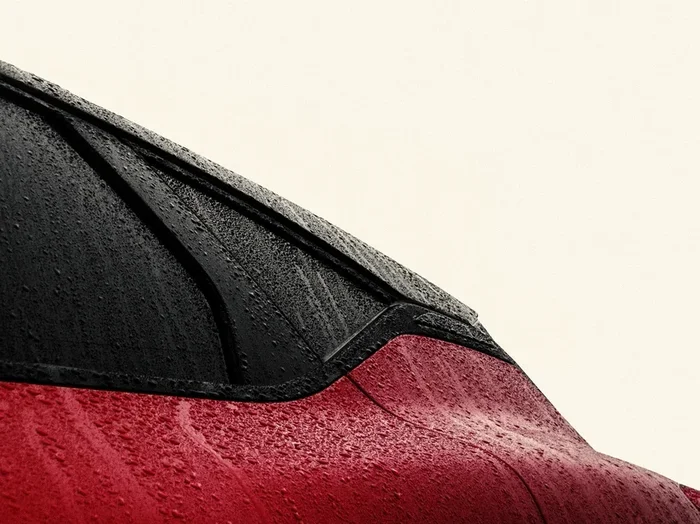
Common car detailing problems like swirl marks, paint oxidation, water spots, and interior stains can ruin your vehicle’s look. The good news is most issues are fixable with the right tools and techniques. This guide walks you through each problem step by step so you can restore your car’s shine without spending a fortune at a shop.
Every car owner loves that fresh-out-of-the-detailer shine. But over time, your vehicle faces real challenges that dull its appearance. Common car detailing problems like swirl marks, water spots, and paint oxidation can make even a newer car look tired. The frustrating part? Many of these issues come from simple mistakes we all make during routine cleaning.
The great news is you do not need to be a professional to fix them. Most problems have straightforward solutions that work with basic tools and the right products. Whether you handle your own car detailing or are thinking about starting, understanding these issues puts you ahead. This guide breaks down each problem and gives you clear, actionable fixes you can use today.
Key Takeaways
- Swirl marks and scratches: Caused by improper washing. Fixed with paint correction and a quality microfiber cloth.
- Paint oxidation: Happens from sun exposure. Restored with polishing compounds and protective coatings.
- Water spots: Mineral deposits from hard water. Removed with distilled water and detailing sprays.
- Interior stains and odors: Tackled with proper vacuuming, steam cleaning, and leather conditioning.
- Bird droppings and tree sap: Damaging if left too long. Easily removed with quick detailer sprays.
- Prevention is key: Regular maintenance and proper products prevent most detailing problems.
📑 Table of Contents
Swirl Marks and Fine Scratches
Swirl marks are probably the most widespread issue in car detailing. These tiny circular scratches scatter light and make your paint look dull. They often appear after a bad wash or when someone uses a dirty towel. The good news is they are fixable.
What Causes Swirl Marks?
Most swirl marks come from poor washing habits. Here are the usual culprits:
- Using a dirty sponge or wash mitt
- Wiping the car dry without lubrication
- Using automatic car brushes that trap dirt
- Drying the car with a cheap towel
- Rubbing dust particles across the paint
Each of these actions grinds tiny debris into your clear coat. Over time, the damage builds up and becomes visible under direct sunlight.
How to Fix Swirl Marks
Light swirl marks respond well to a good paint correction process. Start with a dual-action polisher and a mild cutting compound. Work in small sections and always keep the pad flat on the surface. For deeper scratches, you may need a more aggressive compound. After polishing, apply a quality car wax or ceramic coating to protect the paint.
Quick Tip: Always use a clean microfiber cloth when drying your car. A single grit particle can cause hundreds of micro-scratches in one pass.
Paint Oxidation and Clear Coat Damage
Paint oxidation is one of the most visible common car detailing problems. It happens when the clear coat breaks down from UV exposure and environmental elements. Your paint starts looking chalky, faded, and rough to the touch.
Why Oxidation Happens
Sunlight breaks down the clear coat over time. Cars parked outside year-round suffer the most. Other factors include:
- Exposure to acid rain
- Road salt in winter months
- Chemical contaminants in the air
- Lack of regular waxing or sealing
Oxidation does not happen overnight. It builds slowly, which is why many owners do not notice it until the damage is significant.
Restoring Oxidized Paint
For light oxidation, a paint correction with a polishing compound works well. Apply the compound with a foam pad on a rotary or dual-action polisher. For moderate oxidation, you may need two passes with different grit levels. Severe oxidation might require wet sanding before polishing.
After restoring the paint, apply a paint sealant or ceramic coating to lock in protection. This shields the surface from future UV damage and environmental harm.
Expert Insight: A clay bar treatment before polishing removes embedded contaminants that can interfere with the correction process. This step makes a big difference in the final result.
Water Spots and Soap Residue
Water spots are annoying and common. They form when hard water evaporates on your paint, leaving behind mineral deposits. These spots can etch into the clear coat if left untreated. Soap residue is another frequent issue that leaves a filmy, dull look over the entire vehicle.
Dealing With Water Spots
Mineral deposits from tap water contain calcium and magnesium. These bond to your paint and become harder to remove over time. For fresh water spots, a simple detailing spray often does the trick. For stubborn spots, you need a dedicated water spot remover or a mild acid-based cleaner.
Here is how to prevent water spots:
- Use distilled water for your final rinse
- Dry the car immediately after washing
- Apply a paint sealant to create a barrier
- Use a rinseless wash product in dusty conditions
Removing Soap Residue
Soap residue usually comes from using too much product or not rinsing thoroughly enough. The fix is simple but requires patience. Rinse the entire car with clean water, paying extra attention to crevices and trim pieces. A second pass with a detailing brush helps loosen any remaining film.
Quick Tip: Use a drying towel rated for automotive use. Cheap towels leave lint and fibers that contribute to residue buildup.
Interior Detailing Challenges
People often focus on the exterior and forget the interior. But interior detailing problems can make your car feel dirty even when the paint looks perfect. Stains, odors, and worn surfaces are the top complaints.
Stain Removal on Fabric and Carpet
Food spills, drinks, and dirt tracked in from shoes create tough stains. The key is to treat them quickly before they set. Use a upholstery cleaner and a soft brush to work the solution into the stain. Blot with a clean microfiber cloth and repeat if needed.
For older stains, a steam cleaner works wonders. The heat breaks down the stain molecules and lifts them from the fibers. Always test any cleaning product on a hidden area first.
Leather Care and Conditioning
Leather seats crack and fade without proper care. Leather conditioning should happen every few months. Use a pH-balanced leather cleaner followed by a quality conditioner. This keeps the leather soft, supple, and protected from UV damage.
Common Mistake: Using household cleaners on leather. Products with harsh chemicals strip the natural oils and accelerate cracking. Stick to automotive leather products only.
Eliminating Odors
Bad smells inside a car come from many sources. Food crumbs, pet hair, and moisture buildup all contribute. Vacuum thoroughly, including under seats and in crevices. A detailing brush helps loosen embedded dirt from fabric. For persistent odors, an ozone generator or activated charcoal bag works well.
Bird Droppings and Tree Sap Damage
These environmental hazards are among the most damaging common car detailing problems. Bird droppings are acidic and can eat through your clear coat in just hours. Tree sap bonds to paint and is notoriously hard to remove without the right approach.
Safe Removal Techniques
For bird droppings, never wipe them dry. The hardness of the droppings combined with friction creates scratches. Instead, spray a quick detailer or a dedicated dropping remover and let it soak for a few minutes. Then gently wipe away with a microfiber cloth.
For tree sap, use a dedicated sap remover or isopropyl alcohol applied with a soft cloth. Work gently and avoid pressing too hard. After removal, always wash and wax the area to restore protection.
Quick Tip: Parking under trees might feel convenient, but it exposes your car to sap, pollen, and bird droppings. Choose a covered spot or use a car cover whenever possible.
Prevention Tips for Long-Lasting Results
The best way to deal with common car detailing problems is to prevent them from happening in the first place. A simple maintenance routine saves you hours of corrective work later.
Build a Simple Maintenance Schedule
Consistency is the secret to great-looking paint. Follow this basic routine:
- Wash your car every one to two weeks
- Apply a car wax or sealant every three months
- Use a clay bar treatment every six months
- Inspect your paint for early signs of damage
- Clean the interior thoroughly once a month
Invest in the Right Tools
Cheap tools cause most detailing problems. A good wash mitt, quality microfiber towels, and proper detailing brushes make a huge difference. A dual-action buffer or polisher is worth the investment if you want professional-level results at home.
Expert Insight: Many professional detailers recommend a two-bucket method for washing. One bucket holds soapy water and the other holds clean rinse water with a grit guard. This simple change dramatically reduces swirl marks and scratches.
Protect Your Investment
Once you have fixed your common car detailing problems, protect your hard work. A ceramic coating or high-quality paint sealant adds a durable layer of defense. It repels water, dirt, and contaminants for months. This means less frequent washing and easier maintenance overall.
Conclusion
Common car detailing problems do not have to be permanent. Whether you are dealing with swirl marks, oxidation, water spots, or interior stains, every issue has a practical solution. The key is identifying the problem early and using the right technique and products.
Prevention plays a huge role too. A regular washing routine, quality protection products, and proper tools keep your car looking its best for years. You do not need to spend hundreds at a detailing shop to achieve great results. With the knowledge in this guide, you can handle most car detailing challenges yourself and keep your vehicle shining like new.
Start with one problem today. Pick the issue that bothers you most and follow the steps outlined above. You will be surprised how much difference a little effort makes. Your car deserves to look its best, and now you have the tools to make it happen.
Frequently Asked Questions
What are the most common car detailing problems?
The most frequent issues include swirl marks, paint oxidation, water spots, soap residue, interior stains, bird droppings damage, and tree sap buildup. Most of these problems are caused by improper washing techniques or lack of regular maintenance. The good news is each one has a reliable fix that you can do at home.
How do I remove swirl marks from my car?
Use a dual-action polisher with a mild cutting compound to buff out swirl marks. Work in small sections and always keep the pad flat. After correction, apply a car wax or ceramic coating to protect the paint. For light swirl marks, a hand polish with a microfiber applicator can also work well.
Can paint oxidation be reversed?
Yes, in most cases. Light to moderate oxidation responds well to paint correction with a polishing compound. For severe oxidation, wet sanding followed by polishing may be needed. After restoration, always apply a protective layer like a paint sealant to prevent future damage.
What causes water spots on a car?
Water spots form when hard water evaporates on the paint surface, leaving behind mineral deposits like calcium and magnesium. Using tap water for your final rinse is the main cause. Prevent water spots by using distilled water and drying your car immediately after washing.
How often should I detail my car?
A basic wash every one to two weeks keeps your car in good shape. Full interior and exterior detailing every three to six months helps prevent buildup of stubborn problems. Applying wax or sealant every three months adds a protective layer that makes future cleaning easier.
Is it better to detail my car at home or at a shop?
Both have their benefits. Home detailing saves money and lets you catch problems early. A professional shop offers advanced equipment like industrial-grade buffer and polisher tools for severe damage. For most common car detailing problems, a DIY approach with the right products works perfectly well.
=== SEO TITLE ===
Common Car Detailing Problems And How You Can Fix Them
=== META TITLE ===
Common Car Detailing Problems And How To Fix Them
=== URL SLUG ===
common-car-detailing-problems-and-fixes