The Driver Restraint System Your Car Uses to Keep You Safe
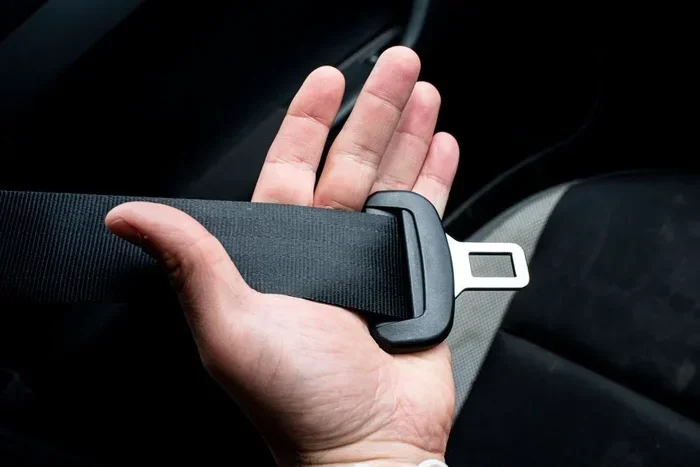
The driver restraint system is a collection of safety features designed to protect you during a collision. It includes seat belts, airbags, and sensors that work together in milliseconds. Understanding how this system works can help you stay safer on every trip.
Every time you buckle up and turn the key, a complex network of safety features kicks in just for you. The driver restraint system is one of the most important safety features in any modern vehicle. It works silently behind the scenes to keep you protected during a collision. Many drivers never think about it until something goes wrong. But knowing how this system works can genuinely save your life.
The driver restraint system is not just your seat belt. It is a full safety ecosystem. It includes seat belts, airbags, sensors, and pretensioners. All of these parts work together in fractions of a second. Let us break down everything you need to know about how your car keeps you safe.
Car manufacturers have spent decades improving the safety restraint system in every vehicle. Early seat belts were simple lap belts. Today’s systems use advanced crash sensors and smart deployment. The goal is always the same: reduce injury during a collision. Understanding this system helps you appreciate the engineering that goes into every ride.
Key Takeaways
- A driver restraint system combines seat belts, airbags, and sensors to protect you in a crash.
- Pre-tensioners and force limiters make modern seat belts far more effective than older designs.
- Regular maintenance of your restraint system can prevent costly failures when you need it most.
- Wearing your seat belt correctly boosts the effectiveness of the entire driver restraint system.
- New technologies like inflatable seat belts and advanced crash sensors are making cars even safer.
- Common mistakes like reclining your seat or wearing the belt incorrectly can reduce protection significantly.
- Understanding your car’s safety features helps you make smarter choices every time you drive.
📑 Table of Contents
- What Is a Driver Restraint System?
- How Does a Driver Restraint System Work?
- Key Components of a Driver Restraint System
- Types of Driver Restraint Systems
- Common Mistakes That Reduce Restraint Effectiveness
- How to Maintain Your Driver Restraint System
- The Future of Driver Restraint Technology
- Conclusion
What Is a Driver Restraint System?
A driver restraint system is the set of safety devices that keeps you in place during a crash. It prevents you from hitting the steering wheel, dashboard, or windshield. Without it, even a low-speed crash can cause serious injuries. The system activates automatically when sensors detect a sudden stop.
The main job of any safety restraint system is to spread crash forces across the strongest parts of your body. Your pelvis, chest, and shoulders are built to handle impact. The restraint system channels the energy away from your organs and bones. This simple idea has saved millions of lives over the past fifty years.
Why Restraint Systems Matter
Every year, thousands of lives are lost in car crashes where occupants were not properly restrained. The occupant protection provided by a well-designed restraint system reduces the risk of fatal injury by about 45 percent for front-seat drivers. That number is huge. It shows just how important these systems are.
Here are some key reasons why the driver restraint system is so important:
- It prevents ejection from the vehicle. Being thrown from a car is one of the most dangerous outcomes of any crash.
- It controls your movement during impact. The system keeps you in the safest position for airbag deployment.
- It absorbs and spreads crash energy. This reduces the force on any single part of your body.
- It works with other safety systems. The restraint system and crash protection features like crumple zones complement each other.
How Does a Driver Restraint System Work?
The driver restraint system activates in a matter of milliseconds. When a crash sensor detects a sudden deceleration, it sends a signal to the restraint control module. This module decides which components to activate and when. The whole process happens faster than you can blink.
The Sequence of Events During a Crash
Here is what happens when your safety restraint system kicks in during a collision:
- Crash detection. Sensors measure the sudden change in speed. They determine the severity and type of impact.
- Signal sent. The control module receives the data and triggers the appropriate safety responses.
- Seat belt pretensioners engage. These devices tighten the belt against your body, removing slack instantly.
- Force limiters activate. They allow a small amount of belt give to reduce pressure on your chest.
- Airbags deploy. The airbag inflates to cushion your head, chest, or other impact zones.
- Occupant movement is controlled. The combined systems work together to manage your body’s motion during the crash.
Each step in this sequence is carefully timed. The restraint force applied must be strong enough to hold you in place but not so strong that it causes injury. Engineers spend years testing and refining these timings.
Crash Sensors and Their Role
Crash sensors are the brains behind the driver restraint system. They come in different types. Some measure acceleration changes. Others detect pressure or deformation. Modern cars have multiple sensors placed throughout the vehicle. This gives the system a complete picture of what is happening during a crash.
These sensors must be incredibly precise. A false deployment can cause unnecessary repairs and even injuries. A delayed deployment can mean the difference between a minor injury and a serious one. That is why sensor quality and placement matter so much in crashworthiness design.
Key Components of a Driver Restraint System
Understanding the parts of your driver restraint system helps you appreciate the full picture of vehicle safety. Each component plays a specific role in keeping you protected.
Seat Belts
The seat belt is the most visible part of the safety restraint system. Modern seat belts are far more advanced than the simple lap belts of the past. They include several smart features that work together with the restraint system.
- Three-point design. The belt goes across your chest and lap, spreading force over a wider area.
- Pretensioners. These remove slack from the belt the moment a crash is detected.
- Force limiters. They control how much pressure the belt puts on your chest during impact.
- Belt webbing. The fabric is designed to stretch slightly under load, absorbing energy gradually.
The three-point seat belt was invented by Volvo engineer Nils Bohlin in 1959. It has since become the standard in every vehicle worldwide. This single invention has saved more lives than almost any other safety feature in automotive history.
Airbags
Airbags are the second major component of the driver restraint system. They work as a soft cushion between you and the hard surfaces inside your car. Front airbags deploy from the steering wheel and dashboard. Side airbags protect your torso in a side impact.
Modern vehicles may also include curtain airbags that cover the windows. Some cars even have knee airbags to protect your lower body. Each airbag is designed to deploy at just the right time and with the right force. Too fast or too slow, and it could cause more harm than good.
Inflatable Seat Belts
Some newer vehicles use inflatable seat belts. These look like regular seat belts but have an airbag built into the belt itself. In a crash, the belt inflates to cover a larger area of your body. This spreads the crash force over more surface area. It is especially helpful for rear-seat passengers and children.
The inflatable seat belt technology is a great example of how the safety restraint system continues to evolve. It adds an extra layer of impact absorption that traditional belts cannot provide.
Types of Driver Restraint Systems
Not all driver restraint systems are the same. Different vehicles use different combinations of restraint technologies. Here is a look at the most common types.
Passive Restraint Systems
Passive restraint systems activate automatically without any action from the driver. The seat belt and airbag system is the most common example. You do not need to do anything. The system senses the crash and responds on its own. This is why passive safety restraint systems are standard in every modern car.
Active Restraint Systems
Active restraint systems require some input or preparation from the occupant. Wearing your seat belt is the most basic form of active restraint. Advanced active systems include things like pre-crash braking. These systems prepare the restraint system for impact before the crash even happens.
Comparison of Restraint System Types
| Feature | Passive System | Active System |
|---|---|---|
| Activation | Automatic | Requires occupant action or pre-crash preparation |
| Examples | Airbags, seat belt pretensioners | Seat belt wearing, pre-crash braking |
| Driver Input Needed | No | Yes |
| Common in Modern Cars | Yes, standard | Growing in availability |
| Primary Focus | Crash response | Crash prevention and preparation |
Most modern vehicles combine both passive and active systems. The driver restraint system in a typical new car includes automatic airbag deployment, seat belt pretensioners, and features like collision warning. Together, these systems provide comprehensive occupant protection.
Common Mistakes That Reduce Restraint Effectiveness
Even the best driver restraint system will not work properly if you use it incorrectly. Many drivers unknowingly reduce their protection with simple everyday habits. Here are the most common mistakes.
Wearing the Seat Belt Incorrectly
Placing the shoulder belt behind your back or under your arm is extremely dangerous. It leaves your upper body unprotected during a crash. The belt should always lie flat across your chest and shoulder. The lap belt should sit low on your hips, not your stomach.
Reclining the Seat Too Far
A reclined seat changes how the safety restraint system works. The seat belt cannot properly distribute crash forces when you are leaning back. It can also cause submarining, where your body slides under the belt during impact. Keep your seat in an upright position for maximum protection.
Ignoring Warning Lights
If your dashboard shows a seat belt or safety restraint system warning light, do not ignore it. This light means something is wrong with the system. It could be a faulty sensor, a loose connection, or a problem with the airbag module. Get it checked immediately.
Overloading the Vehicle
Every seat belt and airbag in your car is rated for a specific weight limit. Overloading your vehicle puts extra stress on the entire restraint system. Passengers who sit on folded-down seats or ride in cargo areas have no crash protection at all.
How to Maintain Your Driver Restraint System
Proper maintenance keeps your driver restraint system in top working condition. A well-maintained system is far more effective when you need it most. Here are some simple tips.
Regular Inspection
Check your seat belts regularly for fraying, cuts, or stiffness. The belt webbing should be smooth and strong. If you notice any damage, have it replaced by a qualified technician. A damaged belt can fail under crash restraint force.
Keep Sensors Clean
Crash sensors are usually located in strategic positions around the vehicle. Dirt, moisture, or corrosion can affect their performance. During routine service, ask your mechanic to inspect these sensors as part of the safety restraint system check.
Replace After a Crash
If your vehicle has been in a collision, the restraint system components may need replacement. Airbags cannot be reused. Pretensioners may have been deployed. Even if the damage looks minor, the safety restraint system should be fully inspected and repaired by a professional.
Stay Up to Date on Recalls
Manufacturers sometimes issue recalls for safety restraint system components. Check your vehicle identification number with the NHTSA website to see if any recalls apply to your car. Staying informed is one of the simplest ways to protect yourself.
The Future of Driver Restraint Technology
The driver restraint system continues to evolve. Car manufacturers are always looking for new ways to improve occupant protection. Several exciting technologies are on the horizon.
Adaptive Restraint Systems
Future vehicles may use adaptive restraint systems that adjust based on the occupant’s size, weight, and position. The pretensioner force and airbag deployment could be tailored to each passenger. This would make the safety restraint system even more effective for everyone in the car.
Integration with Autonomous Driving
As autonomous driving technology develops, the driver restraint system will need to adapt too. Vehicles may need to protect occupants in new types of crashes, such as side impacts at intersections or low-speed urban collisions. The crash protection strategies will need to evolve alongside these new driving patterns.
Advanced Materials
New materials are being developed for seat belt webbing and airbag fabric. These materials are stronger, lighter, and more flexible. They can absorb more impact absorption energy without adding bulk. This means the restraint system can be more effective while adding less weight to the vehicle.
Conclusion
The driver restraint system is one of the most important safety features in your vehicle. It combines seat belts, airbags, sensors, and pretensioners into a single, coordinated safety network. Every time you get behind the wheel, this system works to protect you and your passengers. Taking care of your restraint system and using it correctly can make a life-saving difference. Wear your seat belt properly, keep your maintenance up to date, and stay informed about your vehicle’s safety features. A well-maintained driver restraint system is your best defense on the road.
Frequently Asked Questions
What is the driver restraint system in a car?
The driver restraint system is the combination of safety features that keep you in place during a crash. It includes seat belts, airbags, pretensioners, force limiters, and crash sensors. All of these work together to reduce injury during a collision.
How does the driver restraint system activate?
Crash sensors detect a sudden deceleration and send a signal to the restraint control module. The module then triggers seat belt pretensioners, force limiters, and airbags in a carefully timed sequence. This entire process happens in milliseconds.
Can a damaged seat belt affect the driver restraint system?
Yes, a damaged seat belt can seriously reduce the effectiveness of the entire safety restraint system. Frayed webbing or a faulty pretensioner may not hold you properly during a crash. Always inspect your seat belts and replace any damaged components immediately.
What happens if the driver restraint system warning light comes on?
A warning light means there is a problem with the safety restraint system. It could be a faulty sensor, a loose connection, or an issue with the airbag module. You should have the system inspected by a qualified technician as soon as possible.
Are inflatable seat belts safer than regular seat belts?
Inflatable seat belts spread crash forces over a larger area of the body, which can reduce injury risk. They are especially beneficial for rear-seat passengers and children. However, both types of belts provide excellent protection when used correctly.
How often should the driver restraint system be inspected?
You should visually inspect your seat belts regularly for wear and damage. A full inspection of the restraint system should be done during routine vehicle maintenance. After any collision, the entire system should be checked and repaired if needed.