How Do I Sell a Used Classic Vehicle in Pennsylvania
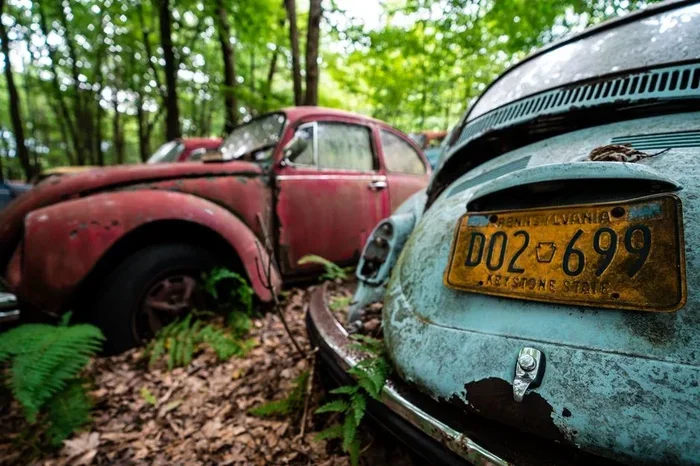
Selling a used classic vehicle in Pennsylvania requires proper preparation, accurate pricing, and the right paperwork. This guide walks you through every step, from getting your car inspection-ready to completing the title transfer at the DMV. Follow these tips to sell your classic car fast and get a fair price.
Key Takeaways
- Know your car’s value: Research comparable sales and get a professional appraisal before setting your price.
- Gather all documents: Have the title, bill of sale, and maintenance records ready before listing.
- Choose the right selling method: Private sales, online platforms, and auctions each have pros and cons.
- Handle PA DMV paperwork correctly: Proper title transfer protects both you and the buyer.
- Invest in quality photos: Great listing photos dramatically increase buyer interest and offers.
- Avoid common pitfalls: Skip lowball offers, incomplete paperwork, and unsafe meetup locations.
📑 Table of Contents
- How to Sell a Used Classic Vehicle in Pennsylvania
- Prepare Your Classic Vehicle for Sale
- Determine the Right Price for Your Classic Vehicle
- Where to Sell Your Used Classic Vehicle in Pennsylvania
- Handle the Legal and Paperwork Requirements
- Tips for a Successful Sale
- Common Mistakes to Avoid When Selling a Classic Vehicle
- Conclusion
How to Sell a Used Classic Vehicle in Pennsylvania
Selling a used classic vehicle in Pennsylvania can feel overwhelming. There is paperwork to handle, prices to set, and buyers to find. But with the right approach, you can sell your classic car smoothly and get a fair price. This guide breaks down every step into simple, actionable advice. Whether you own a 1960s muscle car or a vintage sedan, you will find practical tips here.
The classic car market in Pennsylvania remains strong. Collectors and enthusiasts actively search for well-maintained vehicles across the state. From Philadelphia to Pittsburgh, buyers are looking for their next project or show car. The key is knowing what buyers want and how to present your vehicle in the best light. Let us walk through the entire process together.
Prepare Your Classic Vehicle for Sale
First impressions matter a lot when selling a classic vehicle. Buyers want to see a car that has been cared for. Take time to prepare your car before you list it. This step alone can make a big difference in the offers you receive.
Get a Professional Inspection
Before you list your car, consider getting a professional inspection. A trusted mechanic can check the engine, transmission, brakes, and suspension. They will also look for any hidden issues that could lower your price. If problems are found, you have two choices. You can fix them before selling, or you can disclose them honestly in your listing. Transparency builds trust with buyers and helps you avoid negotiations falling apart later.
Gather All Documentation
Buyers want to see proof of maintenance and ownership. Gather every record you have. This includes service invoices, receipts for parts, and any restoration work receipts. If you have the original build sheet or window sticker, keep it handy. These documents add value and credibility. They show buyers that the vehicle has a documented history.
Make sure you have the vehicle title in hand. Without a clear title, you cannot legally sell the car in Pennsylvania. If the title has a lien on it, contact your lender first. You need to clear the lien before the sale can proceed.
Clean and Detail the Vehicle
A thorough cleaning goes a long way. Wash and wax the exterior. Clean the interior, including seats, dashboard, and trunk. Consider hiring a professional detailer if the car has stubborn stains or odors. A clean car photographs better and feels more inviting to potential buyers. Small details like polished chrome and shiny tires create a strong first impression.
Determine the Right Price for Your Classic Vehicle
Pricing is one of the most important parts of selling a classic car. Price too high, and buyers will scroll past your listing. Price too low, and you will leave money on the table. Finding the sweet spot takes a little research.
Research Comparable Sales
Start by looking at similar vehicles that have sold recently. Websites like ClassicCars.com, Hemmings, and Bring a Trailer list recent sales data. Focus on vehicles with the same make, model, year, and condition as yours. Note the sale prices, not just the listing prices. This gives you a realistic idea of what buyers are actually paying.
Consider the Vehicle Condition
Condition plays a huge role in pricing. Is your car a numbers-matching original? Has it been restored? Is it a driver-quality car or a show winner? Each condition level has a different price range. Be honest about your vehicle’s condition. Overstating it will only lead to disappointment during negotiations.
Get a Professional Appraisal
For high-value classic vehicles, consider getting a professional appraisal. A certified appraiser will evaluate your car and provide a written valuation. This document can be very helpful during negotiations. It also gives buyers confidence that the price is fair. Many classic car insurance companies offer appraisal services as well.
Where to Sell Your Used Classic Vehicle in Pennsylvania
Choosing the right selling method affects how quickly you sell and how much you earn. Pennsylvania offers several options for selling a classic vehicle. Each method has its own advantages and trade-offs.
Private Party Sale
A private party sale is the most common method. You list the car yourself and deal directly with buyers. This approach usually gets you the highest price because there is no middleman taking a cut. You control the negotiation and the sale process. The downside is that it takes more time and effort. You need to handle inquiries, schedule viewings, and manage paperwork yourself.
Online Marketplaces
Online platforms make it easy to reach a wide audience. Websites like Craigslist, Facebook Marketplace, and Hemmings Motor News are popular choices. You can upload photos, write a detailed description, and respond to inquiries from your phone. Online selling expands your reach beyond your local area. Buyers from neighboring states may also be interested in your vehicle.
Auctions and Consignment
Classic car auctions are another option. Live auctions create a sense of excitement and urgency. Bidders compete, which can drive up the final price. However, auction houses charge seller fees, sometimes up to 10% of the sale price. Consignment shops work similarly. They handle the sale for you but take a commission. This option works well if you do not want to deal with the hassle of selling yourself.
Classic Car Clubs and Shows
Local car clubs and shows are excellent places to find buyers. Pennsylvania has many active car clubs. Attend local meetups and shows with your vehicle. Enthusiasts love seeing cars in person. A face-to-face interaction builds trust and can lead to a quick sale. Many club members are always on the lookout for their next classic project.
Handle the Legal and Paperwork Requirements
Pennsylvania has specific rules for selling a used vehicle. Following these rules protects both you and the buyer. Skipping steps can lead to legal issues or financial problems down the road.
Complete the Title Transfer
The title transfer is the most important part of the sale. Both the seller and the buyer must sign the title. Make sure all information is accurate. This includes the sale date, purchase price, and buyer details. The buyer will need this document to register the vehicle in their name at the DMV.
Provide a Bill of Sale
A bill of sale is not legally required in Pennsylvania, but it is highly recommended. This document records the details of the transaction. It includes the vehicle description, sale price, and both parties’ information. A bill of sale protects you from liability after the sale. If any disputes arise, this document serves as proof of the transaction.
Visit the Pennsylvania DMV
After the sale, the buyer is responsible for registering the vehicle. They must visit a PennDOT office within 20 days of the purchase. They will need the signed title, bill of sale, and proof of insurance. As the seller, you should also notify the DMV that the vehicle has been sold. This removes your liability for the vehicle going forward. You can do this online through the PennDOT website or by mail.
Cancel Your Insurance
Once the sale is complete, cancel your insurance policy for that vehicle. Continuing to pay for coverage on a car you no longer own is a waste of money. Contact your insurance provider and let them know the vehicle has been sold. Keep a record of the cancellation for your own files.
Tips for a Successful Sale
A few extra steps can make your sale go much smoother. These tips come from experienced sellers and classic car professionals.
Take Great Photos
Photos are the first thing buyers see. Take pictures in good lighting, preferably during the day. Shoot from multiple angles, including the front, back, sides, and interior. Close-up shots of the engine, dashboard, and any unique features help too. Clean the car before taking photos. A well-lit, clean vehicle in photos attracts more interest and better offers.
Write a Detailed and Honest Description
Your listing description should be thorough and honest. Include the vehicle history, mechanical condition, and any recent work. Mention any flaws or issues upfront. Buyers appreciate honesty, and it saves time for both parties. Use clear, simple language. Avoid exaggeration or vague claims.
Be Ready for Test Drives
Serious buyers will want to test drive the vehicle. Make sure the car is insured and roadworthy before allowing test drives. Meet the buyer at a safe, public location. Bring a friend or family member with you if possible. Trust your instincts. If something feels off about a buyer, it is okay to decline the test drive.
Be Patient but Firm
Selling a classic vehicle can take time. Do not rush the process. Be patient with inquiries and negotiations. At the same time, know your bottom line. If an offer is too low, politely decline and wait for a better one. The right buyer will come along.
Common Mistakes to Avoid When Selling a Classic Vehicle
Avoiding mistakes can save you time, money, and stress. Here are the most common errors sellers make.
- Overpricing the vehicle: Setting an unrealistic price scares away serious buyers. Do your research and price fairly.
- Hiding flaws: Concealing problems destroys trust. Disclose all known issues upfront.
- Skipping the title: Selling without a legal title is illegal and can result in fines.
- Poor-quality photos: Blurry or dark photos make the car look worse than it is.
- Meeting buyers in unsafe locations: Always choose public, well-lit places for meetings.
- Ignoring paperwork: Incomplete paperwork can cause legal problems for both parties.
Conclusion
Selling a used classic vehicle in Pennsylvania does not have to be stressful. With proper preparation, accurate pricing, and the right selling method, you can complete the sale with confidence. Take time to gather your documents, prepare your vehicle, and write a honest, detailed listing. Choose the selling method that fits your needs and comfort level. Handle all paperwork correctly to protect yourself legally. The classic car community in Pennsylvania is active and passionate. Find the right buyer, and your vehicle will go to a good home. Follow the steps in this guide, and you will be well on your way to a successful sale.
Frequently Asked Questions
Do I need a bill of sale to sell a classic car in Pennsylvania?
A bill of sale is not legally required in Pennsylvania, but it is strongly recommended. It protects both the seller and the buyer by documenting the transaction details. You can find free templates online or create one with the help of a local notary public.
How long does it take to sell a classic vehicle in PA?
The timeline varies depending on the vehicle, price, and selling method. Some classic cars sell within a few weeks, while others may take several months. Pricing your vehicle fairly and using multiple listing platforms can help speed up the process.
Can I sell a classic car without a clear title in Pennsylvania?
No. You must have a clear, signed title to legally sell a vehicle in Pennsylvania. If there is a lien on the title, you must pay it off first. Selling without a clear title can result in legal consequences and financial penalties.
What paperwork does the buyer need after purchasing a classic car?
The buyer needs the signed title, bill of sale, and proof of insurance. They must visit a PennDOT office within 20 days to complete the registration and title transfer. They will also need to pay any applicable sales tax and registration fees.
Should I sell my classic car to a dealer or privately?
Selling privately usually gets you a higher price, but it requires more effort. Dealers offer convenience and a faster sale, but they will offer less money. Consider your priorities and choose the method that best fits your goals and timeline.
How do I notify PennDOT that I sold my vehicle?
You can notify PennDOT online through their website or by mail. This removes your liability for the vehicle after the sale. You will need the buyer’s name, the sale date, and the vehicle identification number. Keeping proof of notification is a good practice for your records.