How to Change Oil in Car The Ultimate Step by Step Guide
Changing your car oil at home is easier than you think and can save you money while keeping your engine running strong. This guide walks you through every step from picking the right oil to draining the old oil and installing a fresh filter. You will learn the tools needed, safety precautions, and common mistakes to avoid.
Changing the oil in your car might seem intimidating at first. But once you see how simple it really is, you will wonder why you ever paid someone else to do it. This how to change oil in car guide covers everything from start to finish. You will learn what tools you need, how to safely lift your vehicle, and how to dispose of the old oil the right way.
Regular oil changes are one of the most important things you can do for your vehicle. Clean oil keeps all the moving parts inside your engine lubricated. It also helps remove heat and prevent build up. Skipping oil changes can lead to serious engine damage over time. The good news is that a DIY oil change takes about 30 minutes and costs a fraction of what a shop would charge.
Whether you are a complete beginner or just need a refresher, this guide has you covered. We will walk through each step in detail so you feel confident and safe the entire time. Let us get started.
Key Takeaways
- Regular oil changes keep your engine healthy: Fresh oil reduces friction and prevents costly repairs.
- You need basic tools: A jack, wrench, oil filter, and drain pan are all you need to get started.
- Safety comes first: Always use jack stands and let the engine cool before starting.
- Choose the right oil: Check your owner manual for the correct oil type and viscosity.
- Dispose of old oil properly: Never dump used oil down drains or in the trash.
- Track your changes: Keep a log of oil changes to stay on top of maintenance schedules.
📑 Table of Contents
Why Changing Your Car Oil Matters
Engine oil is the lifeblood of your vehicle. It circulates through the engine and keeps everything running smoothly. Over time, oil breaks down and becomes less effective. Dirt and debris also mix in, making the oil dirty. Fresh oil ensures your engine stays cool and well lubricated.
Most car manufacturers recommend changing your oil every 5,000 to 7,500 miles. However, this can vary based on your driving habits and the type of oil you use. Older vehicles may need changes more frequently. Always check your owner manual for the recommended oil change interval for your specific model.
Neglecting oil changes can cause serious problems. Old oil loses its viscosity and fails to protect engine parts. This can lead to increased friction, overheating, and eventually engine failure. Staying on top of your car maintenance schedule saves you from expensive repairs down the road.
Tools and Materials You Will Need
Before you start, gather everything you need. Having all your supplies ready makes the process much smoother. Here is a list of the essential items:
Essential Tools
- Car jack and jack stands: You need these to safely lift your vehicle off the ground.
- Socket wrench and the right size socket: This is used to loosen the drain plug.
- Oil filter wrench: Helps you remove the old oil filter without straining your hands.
- Drain pan: This catches the old oil as it flows out of the engine.
- Funnel: Makes it easy to pour new oil into the engine without spilling.
- Torque wrench: Ensures you tighten the drain plug to the correct specification.
- Gloves and safety glasses: Protect your hands and eyes from hot oil and debris.
Materials Needed
- New engine oil: Check your owner manual for the correct amount and type.
- New oil filter: Make sure it is compatible with your vehicle model.
- Rags or paper towels: For cleaning up spills and wiping down parts.
- Jack pads or cardboard: To protect your driveway or garage floor.
Setting up your workspace is just as important as having the right tools. You want a flat, stable surface and good lighting. If you are working in a garage, make sure the door is open for ventilation. Think of it like setting up your where to place desk in a workspace, you want a clean, organized area to work efficiently. A tidy workspace reduces the risk of accidents and makes the whole process much more enjoyable.
Step by Step Oil Change Process
Step 1: Prepare Your Vehicle
Start by parking your car on a flat, level surface. Engage the parking brake so the vehicle does not roll. If the engine has been running, let it cool for about 10 minutes. Warm oil drains better than cold oil, but you do not want to burn yourself on hot components.
Once the engine is slightly warm, pop the hood and locate the oil fill cap. This is usually marked with an oil can symbol. Removing this cap before you drain the oil helps the oil flow out faster. It also breaks the vacuum seal inside the engine.
Step 2: Lift the Vehicle Safely
Use your car jack to lift the front of the vehicle. Place jack stands under the designated lift points. Never work under a car that is supported only by a jack. Jack stands provide the stability you need to stay safe throughout the process.
Once the vehicle is securely on the jack stands, double check that it feels stable. Give it a gentle shake to confirm it is not wobbling. Safety should always be your top priority when working on any vehicle.
Step 3: Locate the Drain Plug and Oil Filter
Crawl under the front of the vehicle and find the oil pan. The drain plug is located at the bottom of the oil pan. Place your drain pan directly beneath it. Also locate the oil filter, which is usually near the front or side of the engine.
Take a moment to familiarize yourself with the layout. If you are unsure about the location, consult your vehicle manual or look up a diagram online. Having a clear picture of where everything is makes the job much easier.
Step 4: Drain the Old Oil
Using your socket wrench, slowly loosen the drain plug. Turn it counter clockwise. Be careful, the oil may still be warm. Let the old oil flow freely into the drain pan. Wait until the oil stops dripping, which usually takes about 5 to 10 minutes.
Once the oil has stopped flowing, remove the drain plug completely and let any remaining oil drain out. Afterward, inspect the drain plug for any signs of wear or damage. If the threads look stripped or the washer is worn, replace it before reinstalling.
Step 5: Replace the Oil Filter
Position your drain pan under the oil filter. Use the oil filter wrench to loosen the old filter. Turn it counter clockwise. Be prepared for some residual oil to spill out. Once the old filter is off, use a rag to clean any residue from the filter mounting surface.
Before installing the new filter, apply a thin layer of fresh oil to the rubber gasket. This creates a better seal and makes future removal easier. Screw the new filter on by hand until it is snug, then tighten it slightly with the wrench. Do not overtighten, as this can damage the filter or make it difficult to remove next time.
Organizing your tools as you go is a great habit. Just like keeping your how to organize a study desk neat makes studying easier, keeping your workspace tidy while working on your car helps you stay focused and avoid mistakes. Put used rags and the old filter aside so they do not get in your way.
Step 6: Add New Oil
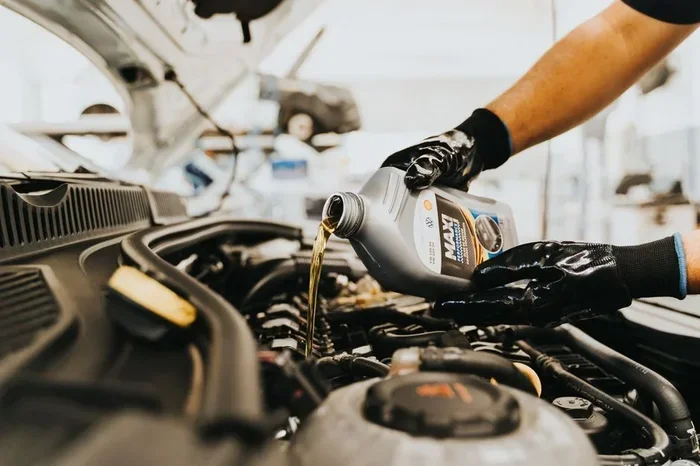
Now it is time to add fresh oil. Locate the oil fill hole on top of the engine. Remove the fill cap and insert a funnel. Pour in the new oil slowly, checking the amount against your vehicle manual. Most cars take between 4 and 6 quarts, but this can vary.
After pouring in the oil, wait a few minutes for it to settle. Then use the dipstick to check the oil level. Pull the dipstick out, wipe it clean, reinsert it, and pull it out again. The oil level should be between the minimum and maximum marks on the dipstick.
Step 7: Check for Leaks and Clean Up
Start the engine and let it run for about 30 seconds. This circulates the new oil through the engine. Then shut it off and check underneath the vehicle for any leaks. Look at the drain plug and oil filter to make sure everything is sealed properly.
If you see any drips, turn off the engine and tighten the affected area slightly. Then check again. Once you are confident there are no leaks, lower the vehicle off the jack stands using your car jack.
Dispose of the old oil and filter properly. Many auto parts stores accept used oil for recycling. Never pour old oil down a drain or throw it in the trash. Proper disposal is an important part of responsible vehicle maintenance and helps protect the environment.
Choosing the Right Oil for Your Car
Not all engine oils are the same. Choosing the right one depends on your vehicle, driving conditions, and climate. Here is a quick overview of the main types of oil:
Conventional Oil
Conventional oil is the most basic and affordable option. It works well for older vehicles and light driving conditions. It needs to be changed more frequently, usually every 3,000 to 5,000 miles.
Synthetic Blend Oil
Synthetic blend oil combines conventional and synthetic oils. It offers better protection than conventional oil and works well for moderate driving conditions. It can last between 5,000 and 7,500 miles.
Full Synthetic Oil
Full synthetic oil provides the best protection and performance. It flows smoothly at extreme temperatures and lasts longer than other options. Many modern vehicles require or recommend full synthetic oil. It typically lasts 7,500 to 10,000 miles between changes.
Always check your owner manual for the manufacturer recommended oil type. Using the wrong oil can reduce engine performance and void your warranty. When in doubt, consult a trusted mechanic or refer to your vehicle documentation.
Common Mistakes to Avoid
Even experienced DIYers can make mistakes when changing oil. Here are some common errors to watch out for:
- Forgetting to replace the drain plug washer: This small O ring ensures a watertight seal. Skipping it can cause leaks.
- Overtightening the drain plug: This can strip the threads and make removal difficult next time.
- Using the wrong oil type: Always match the oil to your vehicle specifications.
- Not checking the oil level after filling: Too little or too much oil can both cause problems.
- Skipping the new oil filter: A fresh filter keeps contaminants out of your new oil.
- Working under a car without jack stands: This is extremely dangerous and should never be done.
Avoiding these mistakes ensures a smooth oil change and keeps your engine in great shape. Taking a few extra minutes to double check your work goes a long way.
Expert Tips for a Perfect Oil Change
Here are some insider tips that can make your oil change even easier and more effective:
- Keep a maintenance log: Record the date, mileage, and oil type each time you change your oil. This helps you stay on track with your maintenance schedule.
- Buy quality filters: A good oil filter lasts longer and captures more contaminants. Do not cheap out on this part.
- Use an oil drain valve: If your vehicle supports it, installing an oil drain valve makes future oil changes much faster.
- Check your oil regularly: Even between changes, use the dipstick to monitor your oil level. This helps you catch leaks early.
- Recycle old oil: Many garages and auto parts stores accept used oil. Recycling is the responsible choice for the environment.
These small habits add up over time and help you get the most out of your engine. Think of regular oil changes as an investment in your vehicle longevity.
When to Seek Professional Help
While changing oil at home is a rewarding DIY task, there are times when professional help is the better choice. If your vehicle has a difficult access oil filter or a hidden drain plug, a mechanic may be able to do the job faster and safer. Additionally, if you notice unusual sounds or low oil pressure after an oil change, it is wise to have a professional inspect your engine.
Some newer vehicles also come with sealed oil systems that are not designed for DIY maintenance. In these cases, visiting a service center ensures the job is done correctly. There is no shame in seeking help when needed. What matters most is that your vehicle gets the care it deserves.
Regular oil changes are one of the simplest and most impactful things you can do for your car. Whether you do it yourself or visit a shop, staying consistent with your maintenance schedule keeps your engine running strong for years to come.
Conclusion
Learning how to change oil in car is a valuable skill that saves you time and money. With the right tools, a little patience, and this step by step guide, you can handle an oil change like a pro. Remember to choose the correct oil, follow safety precautions, and dispose of the old oil responsibly.
Your engine works hard every day to get you where you need to go. Returning the favor with regular oil changes is one of the best things you can do. So grab your tools, roll up your sleeves, and give your car the care it deserves. You will feel great knowing you did it yourself.
Frequently Asked Questions
How often should I change my car oil?
Most manufacturers recommend changing your oil every 5,000 to 7,500 miles for conventional oil and up to 10,000 miles for full synthetic oil. Always check your owner manual for the specific recommendation for your vehicle model.
Can I change my car oil myself?
Yes, changing oil at home is a manageable DIY project with basic tools and a little patience. It typically takes about 30 minutes and requires a jack, wrench, drain pan, and new oil and filter.
What happens if I dont change my oil regularly?
Old oil loses its ability to lubricate and cool the engine. This can lead to increased friction, overheating, and eventually serious engine damage that may require expensive repairs or even a full engine replacement.
Do I need to replace the oil filter every time I change the oil?
Yes, always replace the oil filter with each oil change. The old filter collects dirt and debris, and a fresh filter ensures your new oil stays clean and free of contaminants.
How do I dispose of old engine oil properly?
Take your used oil to an auto parts store, recycling center, or service station that accepts used oil for recycling. Never pour it down drains or throw it in the trash, as it can harm the environment.
What type of oil should I use for my car?
Check your owner manual for the recommended oil type and viscosity. Most modern vehicles work well with full synthetic oil, but older cars may perform better with conventional or synthetic blend options.