Sell My Engine Fast and Get the Highest Offer Today
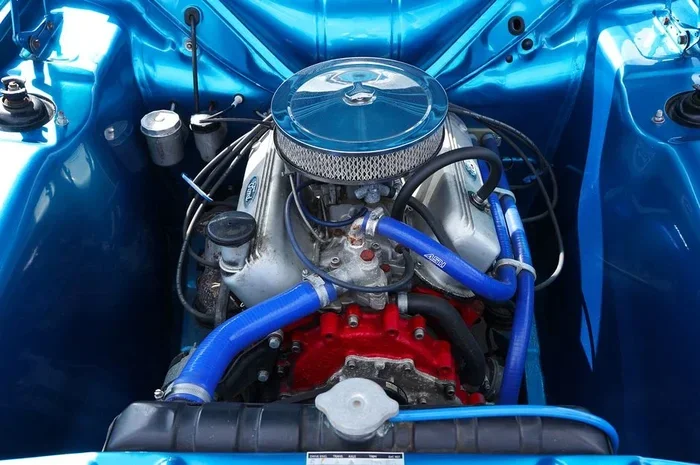
Selling your engine doesn’t have to be stressful. This guide covers everything you need to know about how to sell my engine quickly, from understanding its true value to finding the best buyers online and offline. You’ll learn practical tips to get the highest offer, avoid common pitfalls, and complete your sale with confidence.
Selling an engine can feel overwhelming. Whether you have a used engine from a classic car, a junk engine taking up garage space, or a high-performance unit you no longer need, the process can be smooth if you know what to do. The key to success is preparation. When you understand your engine’s value and know where to look, you can sell my engine with confidence and walk away with the best possible deal.
Many people make the mistake of rushing into a sale. They list their engine at a random price, skip the documentation, and accept the first offer that comes along. This approach often leads to disappointment. You deserve better. This guide walks you through every step of the process, from pricing to closing the deal. You’ll also discover insider tips that most sellers overlook. Let’s get started.
Key Takeaways
- Know Your Engine’s Value: Research comparable sales and get a professional appraisal to set a fair price.
- Multiple Selling Platforms Work Best: List on online marketplaces, local classifieds, and specialty engine forums for maximum exposure.
- Preparation Boosts Your Price: Clean, document, and test your engine before listing to attract serious buyers.
- Avoid Common Mistakes: Don’t skip paperwork, ignore shipping costs, or accept lowball offers without negotiation.
- Timing Matters: Sell during peak buying seasons for faster results and better offers.
📑 Table of Contents
Understanding Your Engine’s True Value
Before you list anything for sale, you need to know what your engine is worth. Pricing an engine correctly is the single most important factor in getting a fast sale at a good price. Too high, and buyers will scroll past. Too low, and you leave money on the table.
Factors That Affect Engine Value
Several things determine how much your engine is worth. Here are the main factors buyers consider:
- Make and Model: Popular engines from well-known brands hold their value better. A Toyota engine, for example, often commands a higher price than an obscure brand.
- Condition: A running engine with low hours is worth significantly more than a seized or damaged unit. Buyers want engines they can install and use.
- Mileage: Lower mileage engines sell faster and at higher prices. Document the hours or miles accurately.
- Year of Production: Newer engines with modern features tend to have higher resale value.
- Completeness: An engine that comes with accessories like the intake manifold, alternator, and accessories sells for more than a bare block.
- Market Demand: Some engines are in high demand due to classic car restoration trends or popular swap projects.
How to Research Comparable Prices
Do your homework before setting a price. Check online marketplaces like eBay Motors, Craigslist, and Facebook Marketplace for similar engines. Look at what comparable engines are selling for, not just what people are asking. This gives you a realistic picture of the market. You can also consult engine pricing guides or visit local salvage yards to see what they pay for used units.
Getting a professional appraisal is another smart move, especially for rare or high-value engines. An expert can identify features and specs that boost your engine’s worth. This costs a small fee but can pay off big when you negotiate with buyers.
Where to Sell Your Engine
Once you know your engine’s value, the next step is choosing the right platform. Where you sell matters just as much as how you price your item. Different platforms attract different types of buyers, and some are better suited for engine sales than others.
Online Marketplaces
Online marketplaces give you the widest reach. Platforms like eBay Motors, Craigslist, and Facebook Marketplace let you list your engine for thousands of potential buyers to see. eBay Motors is especially popular for engine sales because buyers trust the platform and its protection policies. You can set a fixed price or auction format to drive competitive bidding.
When listing online, write a detailed description. Include the engine’s specifications, condition, and any included accessories. Take clear photos from multiple angles. Good photos build trust and attract more serious inquiries.
Local Classifieds and Forums
Local selling has its advantages. You avoid shipping costs and can meet buyers in person. Check community bulletin boards, local car clubs, and online forums dedicated to your vehicle type. Many classic car enthusiasts hang out in niche forums where they buy and sell parts regularly.
For broader reach, you might also consider checking if walmart sells desk lamps and other items locally through their marketplace platform, as many sellers use Walmart’s classifieds section for vehicle parts too. Similarly, home depot’s marketplace has become a popular spot for listing mechanical parts and accessories alongside home improvement items.
Salvage Yards and Junkyards
If your engine is damaged or non-running, salvage yards are a reliable option. They buy used engines for parts or scrap. The trade-off is that you’ll get a lower price than a private sale. But the advantage is speed and convenience. You don’t have to worry about finding a buyer or arranging shipping.
Specialty Engine Buyers
There are companies that specialize in buying used engines directly. They handle the logistics and offer quick transactions. Research these buyers carefully. Look for reviews and compare offers from multiple companies. This ensures you get a fair deal without the hassle of a private sale.
How to Prepare Your Engine for Sale
First impressions matter. A well-prepared engine sells faster and at a higher price than one that looks neglected. Taking the time to clean, document, and present your engine properly shows buyers you take the sale seriously.
Cleaning and Presentation
Start by giving your engine a thorough cleaning. Remove grease, dirt, and debris. A clean engine looks better and signals that it has been well-maintained. Use a degreaser and a soft brush to scrub the exterior. Be careful around electrical connections and sensitive components. Let the engine dry completely before photographing or displaying it.
Good lighting makes a big difference when photographing your engine. Set up a bright workspace. If your workspace lighting is flickering or inconsistent, it can affect the quality of your photos and your productivity during the preparation process. Consider checking your setup to ensure everything works properly, much like how you would troubleshoot if your desk lamp keeps flickering — a simple fix can make a huge difference in your workspace environment.
Documentation and Records
Buyers want proof of what they’re getting. Gather all relevant documentation before listing your engine:
- Engine specs and model number
- Mileage or hours of operation
- Maintenance records if available
- Proof of ownership or bill of sale from the original vehicle
- Any warranty information remaining on the engine
Having these documents ready builds buyer confidence and speeds up the transaction process.
Testing and Demonstration
If possible, run the engine before showing it to buyers. A running engine is far more attractive than a static one. Record a short video of the engine starting and running smoothly. Share this video in your listing. It gives buyers a clear picture of the engine’s condition and reduces unnecessary questions.
Tips to Get the Highest Offer
Everyone wants to maximize their profit. These proven strategies will help you get the best offer when you sell my engine.
Price Strategically
Set your price slightly above your target amount. This gives you room to negotiate without dropping below your minimum acceptable price. Research shows that buyers often expect some back-and-forth, so having negotiation room built into your price is essential.
Highlight Unique Selling Points
What makes your engine stand out? Maybe it has low hours, comes with rare accessories, or is from a sought-after model. Emphasize these points in your listing. Use bullet points to make them easy to spot. Buyers scan listings quickly, so make your best features impossible to miss.
Be Responsive and Professional
Answer inquiries promptly. Be honest about the engine’s condition. Professional communication builds trust and leads to faster deals. Avoid playing games with buyers. Transparency goes a long way in establishing a good reputation as a seller.
Offer Flexible Payment Options
Make it easy for buyers to pay. Accept bank transfers, cashier’s checks, and payment apps like PayPal. The more payment options you offer, the wider your pool of potential buyers becomes.
Common Mistakes to Avoid When Selling an Engine
Learning from other people’s mistakes saves you time and money. Here are the most common errors engine sellers make:
- Skipping the Research: Pricing blindly leads to either lost sales or lost profit. Always check the market first.
- Poor Quality Photos: Blurry or dark photos scare buyers away. Take the time to get good lighting and clear images.
- Incomplete Listings: Leaving out specs or condition details leads to wasted time with unqualified buyers.
- Ignoring Shipping Logistics: Engines are heavy and expensive to ship. Factor shipping costs into your pricing or offer local pickup only.
- Accepting the First Low Offer: Don’t jump at the first bid. Let the market work for you and negotiate for a better price.
- Forgetting Paperwork: A proper bill of sale protects both you and the buyer. Never skip this step.
Quick Tips for a Smooth Sale
- List your engine during spring and summer when demand for car parts peaks.
- Offer a short warranty or return policy to stand out from other sellers.
- Respond to messages within a few hours to keep buyers engaged.
- Be upfront about any issues. Disclose problems early to build trust.
- Consider bundling related parts with your engine for a higher total price.
The Selling Process Step by Step
Now that you understand the key strategies, let’s walk through the actual selling process from start to finish.
Step 1: Evaluate and Price
Assess your engine’s condition, research comparable prices, and set a competitive listing price. This foundation sets the tone for your entire sale.
Step 2: Prepare and Photograph
Clean the engine, gather documentation, take high-quality photos, and write a detailed, honest description.
Step 3: List on Multiple Platforms
Maximize your exposure by listing on at least two or three platforms. Online marketplaces, local forums, and specialty engine sites all work well.
Step 4: Handle Inquiries
Respond promptly, answer questions honestly, and provide additional photos or videos as requested.
Step 5: Negotiate and Close
Negotiate within your price range, agree on payment and pickup or shipping, and complete the bill of sale.
Step 6: Follow Up
Check in with the buyer after the sale. A positive experience leads to repeat business and referrals.
Following these steps gives you a clear roadmap. You won’t feel lost or overwhelmed. Instead, you’ll move through the process with confidence and purpose.
Final Thoughts on Selling Your Engine
Selling an engine doesn’t have to be a headache. With the right preparation, the right platform, and the right mindset, you can sell my engine fast and get the highest offer today. The key is to treat the sale like a business. Do your research, present your engine well, communicate professionally, and negotiate wisely.
Remember, every engine has value. Even damaged or non-running units have parts that buyers need. Don’t underestimate what your engine is worth. Take the time to do it right, and you’ll be rewarded with a smooth transaction and a fair price.
Start today. Follow the steps in this guide, and you’ll be well on your way to a successful engine sale. The best time to sell was yesterday. The second best time is right now.
Frequently Asked Questions
How much can I get for selling a used engine?
The price depends on the engine’s make, model, condition, and mileage. On average, used engines sell for anywhere from $500 to $5,000. Rare or high-performance engines can fetch even more. Research comparable sales in your area to get a realistic estimate.
What is the best platform to sell an engine online?
eBay Motors and Craigslist are among the most popular platforms for selling engines. Facebook Marketplace and specialty auto parts forums also work well. Listing on multiple platforms increases your chances of finding the right buyer quickly.
How do I ship an engine safely?
Use a sturdy shipping box or pallet. Secure the engine with straps and padding to prevent movement during transit. Choose a freight carrier with experience shipping heavy automotive parts. Always insure the shipment and require signature confirmation upon delivery.
Can I sell a non-running engine?
Yes, you can. Non-running engines still have value, especially for parts or restoration projects. Be upfront about the condition in your listing. Salvage yards and rebuilders often buy non-running engines at fair prices.
Do I need a bill of sale when selling an engine?
Yes, a bill of sale is essential. It protects both you and the buyer. Include the engine’s description, serial number, sale price, and both parties’ contact information. Keep a copy for your records.
How long does it typically take to sell an engine?
With a well-written listing and good photos, most engines sell within two to four weeks. Pricing competitively and responding to inquiries quickly can shorten this timeline. Patience and persistence are key to a successful sale.