Find Out What Cause the Car to Mix Oil and Water Now
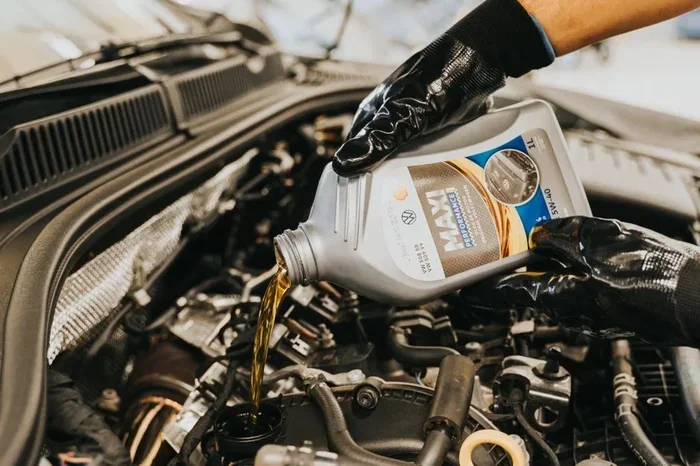
Oil and water mixing in your car is a serious problem that can damage your engine fast. The most common cause is a failed head gasket, but a cracked engine block or bad oil cooler can also be to blame. Knowing the signs early helps you avoid costly repairs and keeps your car running safely.
Have you ever popped open your car’s oil cap and seen a milky, brownish substance staring back at you? That is a telltale sign that oil and water have mixed together inside your engine. It is not something you should ignore. When these two fluids combine, they lose their ability to do their jobs properly, and your engine suffers.
Many car owners panic when they see this, but the good news is that understanding the root cause helps you take the right action. In this article, we will walk you through everything you need to know about what causes oil and water to mix in your car. From the most common reasons to the warning signs and fixes, we have got you covered.
Whether you are a seasoned DIY mechanic or someone who just wants to understand their car better, this guide will give you clear, practical information. Let us dive right in.
Key Takeaways
- Head gasket failure is the top reason oil and water mix in a car engine.
- Milky oil on the dipstick is one of the clearest warning signs.
- White smoke from the exhaust often points to coolant entering the combustion chamber.
- Ignoring the problem can lead to engine overheating and severe damage.
- Regular car maintenance helps catch leaks and contamination early.
- Professional diagnosis is recommended if you suspect oil-water mixing.
📑 Table of Contents
Understanding How Oil and Water End Up Mixing in Your Car
Your car engine relies on two separate fluid systems. One system uses motor oil to lubricate moving parts. The other uses coolant to keep the engine from overheating. These systems are designed to stay completely apart from each other. When they somehow merge, trouble follows.
Oil and water should never meet inside your engine block. Oil is slippery and reduces friction. Water and coolant absorb heat and carry it away. When they mix, the oil loses its lubricating power, and the coolant loses its cooling ability. The result can be engine damage that costs hundreds or even thousands of dollars to fix.
Why Does This Happen?
Several things can break the barrier between these two systems. A worn-out gasket, a cracked part, or a failed seal can all allow water to seep into the oil passages. Sometimes the problem starts small and gets worse over time. Other times, it happens suddenly after an accident or a major breakdown.
The combustion chamber is another area where mixing can occur. If coolant leaks into the cylinder head, it gets burned along with fuel and air. This creates white smoke and pressure problems. Understanding where the mixing happens helps mechanics find the root cause faster.
Common Causes of Oil and Water Mixing in Cars
There are several reasons why oil and water might mix in your vehicle. Each cause has its own set of symptoms and repair costs. Let us look at the most common ones.
1. Head Gasket Failure
The head gasket sits between the engine block and the cylinder head. Its job is to seal the combustion chambers and keep oil and coolant in their own channels. When this gasket fails, coolant can leak into the oil passages or the cylinders.
Head gasket failure is the number one cause of oil and water mixing. It often happens due to engine overheating over time. A car that runs hot for too long puts enormous stress on the gasket. Eventually, it weakens and starts to leak.
Some signs of a bad head gasket include:
- White smoke coming from the exhaust pipe
- Coolant disappearing without any visible leaks
- Oil that looks milky or frothy
- Engine overheating that comes and goes
- Bubbles in the radiator or coolant reservoir
2. Cracked Engine Block
A cracked engine block is a more serious problem. It can happen due to freezing temperatures, severe overheating, or simple wear and tear over many years. When the block cracks, coolant can seep directly into the oil galleries.
This type of damage is harder to repair than a gasket failure. In some cases, the entire engine block needs to be replaced. However, smaller cracks can sometimes be repaired with specialized welding or epoxy techniques if caught early.
3. Damaged Oil Cooler
Many modern cars have an oil cooler that helps regulate the temperature of the motor oil. The oil cooler uses coolant to draw heat away from the oil. If the cooler develops a leak, coolant and oil can mix directly inside the cooler unit.
This is one of the easier problems to fix compared to a head gasket or cracked block. Replacing or repairing the oil cooler is usually straightforward and less expensive.
4. Faulty Cylinder Head
The cylinder head sits on top of the engine block and houses the combustion chambers. Over time, it can develop cracks or warping. When this happens, coolant can leak into areas where oil flows.
A warped cylinder head often results from repeated overheating episodes. If you notice your car running hot frequently, it is worth getting the cylinder head checked before more serious damage occurs.
5. Bad Intake Manifold Gasket
On some engines, the intake manifold has channels that carry coolant. If the gasket between the intake manifold and the engine block fails, coolant can leak into places where it does not belong, including the oil system.
This issue is more common in older vehicles or those with high mileage. Regular inspections can help catch a failing intake manifold gasket before it leads to oil contamination.
Warning Signs That Oil and Water Are Mixing
Catching the problem early can save you a lot of money and hassle. Here are the most common warning signs that oil and water have mixed in your engine.
Milky or Frothy Oil
Check your oil dipstick regularly. Healthy oil should be amber or brown and smooth to the touch. If it looks milky, frothy, or like a chocolate milkshake, water has gotten into the oil. This is one of the most obvious signs of contamination.
White Smoke from the Exhaust
Thin white vapor on cold mornings is normal. But if you see thick, constant white smoke coming from your exhaust pipe, that is a red flag. It usually means coolant is burning inside the combustion chamber.
Coolant Level Dropping
If you keep topping off your coolant but it keeps disappearing, something is wrong. The coolant may be leaking into the oil system or being burned in the engine. Check your coolant reservoir often and note any unusual drops.
Overheating Engine
When coolant mixes with oil, the cooling system loses effectiveness. Your engine may start to run hotter than normal. If your temperature gauge climbs into the red zone, pull over safely and let the engine cool down.
Bubbles in the Coolant Reservoir
If you notice bubbles or froth in your coolant reservoir while the engine is running, combustion gases may be leaking into the cooling system. This is a strong indicator of a head gasket problem.
How Mechanics Diagnose Oil and Water Mixing
When you take your car to a shop, the mechanic will use several methods to find out exactly what is causing the oil and water to mix.
Visual Inspection
The first step is always a visual check. The mechanic will look at the oil dipstick, the coolant reservoir, and the exhaust for telltale signs of contamination. They will also inspect the engine bay for any visible leaks.
Compression Test
A compression test measures the pressure inside each cylinder. Low compression in one or more cylinders can point to a head gasket leak or a cracked cylinder head. This test gives the mechanic a clear picture of the engine’s internal health.
Chemical Coolant Test
Mechanics often use a chemical test kit to check the coolant for the presence of exhaust gases. If hydrocarbons show up in the coolant, it means combustion gases are leaking into the cooling system, which strongly suggests a head gasket failure.
Oil Analysis
In some cases, the mechanic may take a sample of your oil and send it to a lab for analysis. This can reveal the presence of coolant additives, water, and other contaminants that are not visible to the naked eye.
How to Fix and Prevent Oil and Water Mixing
The fix depends entirely on what is causing the problem. Let us look at the most common repair options and some tips to prevent this issue in the future.
Repair Options
Here is a quick look at the common fixes based on the cause:
- Head gasket replacement: This is the most common repair for oil and water mixing. It involves removing the cylinder head and installing a new gasket. Costs typically range from $1,000 to $2,500 depending on the car.
- Oil cooler repair or replacement: A simpler fix that usually costs between $300 and $800.
- Cylinder head resurfacing or replacement: If the head is warped or cracked, it may need to be machined flat or replaced entirely.
- Engine block repair or replacement: The most expensive option, often costing $3,000 or more.
Prevention Tips
The best way to deal with oil and water mixing is to prevent it from happening in the first place. Here are some simple steps you can take:
- Keep your engine at the right temperature. Do not let your car overheat. If your temperature gauge climbs, pull over and address the issue immediately.
- Check your coolant level regularly. A sudden drop in coolant can signal a hidden leak.
- Inspect your oil often. Look at the color and consistency of your oil during routine checks.
- Follow your car’s maintenance schedule. Regular oil changes and coolant flushes keep both systems working properly.
- Address small leaks quickly. Do not ignore minor coolant or oil leaks. They can turn into bigger problems fast.
If you are the type of person who likes to keep your workspace organized, think of your car the same way. Just like how you would keep your study desk organized with the right tools, keeping your car well-maintained means catching small issues before they become big ones.
When to See a Mechanic
Some car problems you can handle on your own, but oil and water mixing is not one of them. If you notice any of the warning signs we discussed, it is time to see a professional. Driving with contaminated oil can cause catastrophic engine failure.
Do not wait until the problem gets worse. The longer you drive with mixed oil and water, the more damage it does. A quick visit to a trusted mechanic can save you from a much bigger repair bill down the road.
Think of it this way. You would not ignore a leak in your roof and hope it fixes itself. The same logic applies to your car. Get it checked out, get the right diagnosis, and get the fix done promptly.
For those who like to stay on top of things, regular inspections are your best friend. Just as you might organize your workspace or keep your desk area tidy, staying on top of your car’s health keeps everything running smoothly. A well-maintained car is a reliable car.
Conclusion
Oil and water mixing in your car is a serious issue that demands immediate attention. The most common causes include head gasket failure, cracked engine blocks, damaged oil coolers, and faulty cylinder heads. Catching the warning signs early, such as milky oil, white exhaust smoke, or unexplained coolant loss, can save you from expensive engine repairs.
The good news is that most causes are fixable if you address them quickly. Whether it is a simple oil cooler replacement or a more involved head gasket job, the key is not to ignore the problem. Regular maintenance, careful monitoring of fluid levels, and prompt attention to warning signs will keep your engine healthy for years to come.
Take care of your car, and it will take care of you. Stay proactive, stay informed, and never hesitate to seek professional help when something does not feel right under the hood.
Frequently Asked Questions
Can I still drive my car if oil and water are mixing?
It is not recommended. Driving with mixed oil and water can cause severe engine damage. The oil loses its lubricating ability, which increases friction and wear on engine parts. Have your car towed to a mechanic if you notice this problem.
How much does it cost to fix a head gasket?
The cost typically ranges from $1,000 to $2,500 depending on your vehicle model and the labor rates in your area. This is one of the more expensive repairs, but it is necessary to prevent further engine damage.
Can a small oil cooler leak cause mixing?
Yes, even a small leak in the oil cooler can allow coolant and oil to mix. This is actually one of the more common and easier-to-fix causes. Replacing the oil cooler usually resolves the problem quickly.
What does milky oil look like on the dipstick?
Milky oil looks like a chocolate milkshake or a frothy brownish-white substance. It is a clear sign that water or coolant has entered the oil system. If you see this, stop driving and get your car inspected right away.
Can cold weather cause oil and water to mix?
Cold weather alone does not usually cause mixing, but it can worsen existing problems. Freezing temperatures can cause coolant to expand and crack components like the engine block or hoses, which can then lead to contamination.
Is oil and water mixing covered by car warranty?
It depends on your warranty terms and the cause of the problem. If the issue stems from a manufacturing defect, it may be covered. However, damage from neglect or lack of maintenance typically is not. Always check with your warranty provider for specific details.