What Do I Do To Maintain My 2020 Toyota Corolla Se Tips
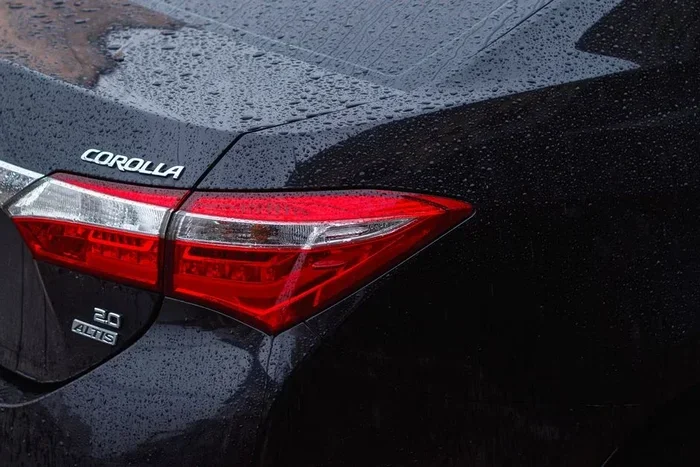
Maintaining your 2020 Toyota Corolla SE is easier than you think. Regular oil changes, tire rotations, brake checks, and fluid top-offs keep your car safe and reliable. Following the factory maintenance schedule saves money and prevents costly repairs down the road.
Your 2020 Toyota Corolla SE is a smart, efficient, and reliable car. But even the best vehicles need regular care to keep running at their best. Maintaining your 2020 Toyota Corolla SE does not have to be complicated or expensive. With a simple routine, you can avoid breakdowns, save money on repairs, and keep your car looking and feeling great for years.
Whether you are a first-time car owner or a seasoned driver, this guide covers everything you need to know. We will walk through oil changes, tire care, brake maintenance, fluid checks, and more. You will also learn which tasks you can handle yourself and when to call in a professional. Let us get started.
Key Takeaways
- Stick to the factory maintenance schedule: Toyota provides a clear interval-based plan for all major services.
- Change your oil every 5,000 to 10,000 miles: This is the single most important task for engine longevity.
- Check tire pressure monthly: Proper inflation improves fuel economy and keeps you safe on the road.
- Replace brake pads before they wear thin: Listen for grinding sounds and act fast.
- Keep records of every service: Documentation protects your warranty and helps with resale value.
- DIY simple tasks at home: Wiper blades, air filters, and coolant checks are easy to do yourself.
- Visit a certified mechanic for complex jobs: Transmission work and electrical diagnostics need professional tools.
📑 Table of Contents
- Why Maintaining Your 2020 Toyota Corolla SE Matters
- Oil Changes and Engine Care for Your 2020 Corolla SE
- Tire Care and Wheel Maintenance
- Brake System Maintenance
- Fluid Checks and Top-Offs
- Creating a Maintenance Schedule and Workspace
- When to Visit a Professional Mechanic
- Common Mistakes to Avoid in Corolla SE Maintenance
- Final Thoughts on Maintaining Your 2020 Toyota Corolla SE
Why Maintaining Your 2020 Toyota Corolla SE Matters
Regular maintenance is the backbone of car ownership. A well-maintained Corolla SE delivers better fuel economy, smoother handling, and safer driving. Skipping services may seem fine at first, but small problems grow into big expenses fast. Think of maintenance as an investment, not a cost.
Toyota designed the 2020 Corolla SE with a strong reputation for reliability. But that reputation only holds up when you follow the recommended care routine. The manufacturer provides a detailed maintenance schedule for a reason. Sticking to it keeps your warranty valid and your car performing at its peak.
Here is something many drivers overlook. Maintenance affects resale value too. A Corolla SE with full service records commands a higher price on the used market. Buyers trust documented care. So every oil change and brake inspection you log today pays off later.
Oil Changes and Engine Care for Your 2020 Corolla SE
How Often Should You Change the Oil?
The 2020 Toyota Corolla SE uses a 0W-20 synthetic oil. Toyota recommends changing the oil every 10,000 miles or 12 months, whichever comes first. If you drive in severe conditions, you may want to shorten that interval to 5,000 to 7,500 miles. Severe conditions include stop-and-go traffic, extreme heat, and heavy towing.
Changing your oil is one of the easiest Corolla SE maintenance tasks you can do at home. Here is what you need:
- 0W-20 synthetic oil (about 4.5 quarts)
- A new oil filter
- A wrench set and oil drain pan
- A funnel and clean rags
Start by warming up the engine for a few minutes. This helps the oil flow freely. Then lift the car safely, drain the old oil, replace the filter, and add fresh oil. Check the level with the dipstick and you are done.
Other Engine Maintenance Tips
Beyond oil changes, your engine needs a few other checks. The air filter should be replaced every 15,000 to 30,000 miles. A clogged filter reduces airflow and hurts fuel economy. The spark plugs in the Corolla SE are designed to last about 100,000 miles, but inspect them at 60,000 miles for wear.
Also, keep an eye on your coolant level. The 2020 Corolla SE uses a long-life coolant that does not need frequent replacement. However, checking the reservoir monthly ensures your engine stays at the right temperature. Engine overheating is one of the most common causes of serious damage.
Tire Care and Wheel Maintenance
Tire Rotation and Alignment
Your 2020 Corolla SE comes with all-season tires built for daily driving. But tires wear unevenly, especially on the front wheels. Rotating your tires every 5,000 to 7,500 miles promotes even wear and extends their life. Most tire shops will do this quickly and often for free or a small fee.
Wheel alignment is another key task. If your car pulls to one side or the steering wheel vibrates, it is time for an alignment check. Poor alignment causes uneven tire wear and reduces fuel efficiency. A proper alignment also improves handling and keeps you safe on curves and highways.
Tire Pressure and Tread Depth
Check your tire pressure at least once a month. The recommended pressure for the 2020 Corolla SE is listed on the driver-side door jamb. Cold mornings give the most accurate reading. Under-inflated tires are dangerous and waste gas. Over-inflated tires wear out the center tread faster.
Use the penny test to check tread depth. Insert a penny into the groove with Lincoln upside down. If you can see the top of his head, your tires need replacing. New tires are an investment, but they are far cheaper than dealing with a blowout on the highway.
Brake System Maintenance
When to Replace Brake Pads
The brake pads on a 2020 Toyota Corolla SE typically last between 30,000 and 70,000 miles. Driving style plays a big role here. If you brake hard often, your pads wear faster. Listen for warning signs like squealing, grinding, or a vibrating pedal. These sounds mean it is time for a inspection.
Replacing brake pads is a straightforward job if you have basic tools. You will need new pads, a jack, lug wrench, and a C-clamp to compress the caliper. Many online tutorials walk you through the process step by step. If you are not comfortable doing it yourself, a mechanic can handle it in under an hour.
Brake Fluid and Other Brake Components
Brake fluid should be checked during every oil change. Low fluid can indicate worn pads or a leak. Toyota recommends replacing brake fluid every 2 years or 20,000 miles. Old fluid absorbs moisture, which reduces braking performance and can cause corrosion inside the system.
Do not ignore the brake rotors either. They wear down over time and may need resurfacing or replacement along with new pads. A professional mechanic can measure rotor thickness and tell you if they are still within spec.
Fluid Checks and Top-Offs
Your Corolla SE relies on several fluids to operate smoothly. Beyond oil and brake fluid, here are the others you should monitor regularly:
- Transmission fluid: Check at 30,000 miles and replace per the maintenance schedule around 60,000 to 100,000 miles.
- Power steering fluid: Check monthly and top off as needed. Listen for whining noises when turning.
- Windshield washer fluid: Keep this full at all times. It is an easy task that many drivers forget.
- Coolant: Check the reservoir when the engine is cold. The level should sit between the minimum and maximum marks.
Using the correct fluids is critical. Always check your owner manual for Toyota-approved specifications. Mixing different fluid types can damage components and void your warranty.
Creating a Maintenance Schedule and Workspace
Build a Routine That Works for You
The best way to stay on top of 2020 Toyota Corolla SE maintenance is to create a schedule. Write down every service date, mileage, and task in a notebook or phone app. Set reminders for upcoming services so nothing slips through the cracks. A simple spreadsheet works great too.
Many owners keep a folder in their home office desk setup where they store all service receipts and records. Having a dedicated workspace makes it easy to track expenses and stay organized. If you are setting up a space for this, consider how you would organize a study desk to keep everything tidy and accessible. The same principles apply to a garage or home workspace for car care.
Keep a small shelf or tray where you store your maintenance log, receipts, and reference guides. This simple habit saves time at the mechanic and helps you remember what was done last. Over time, you build a clear picture of your car’s history.
Tools and Supplies You Should Have on Hand
Every car owner benefits from having basic tools nearby. A good jack, lug wrench, flashlight, and basic hand tools cover most minor repairs. Store these in a clean, organized area. If you keep supplies on a desk or workbench, think about what belongs there and what does not. A clutter-free space helps you work faster and safer. You might even setup a dedicated tray for small parts and fasteners so nothing gets lost during a repair.
When to Visit a Professional Mechanic
While many maintenance tasks are DIY-friendly, some jobs require professional expertise. Transmission diagnostics, electrical system checks, and major engine work should always be handled by a certified Toyota technician. These systems are complex and mistakes can be costly.
Stick to a trusted mechanic or Toyota dealership for services like timing belt replacement, hybrid battery checks, and computer diagnostics. The 2020 Corolla SE has advanced electronics that need specialized tools to service properly. A professional also has access to factory software updates and technical bulletins.
That said, you do not need to visit a mechanic for every little thing. Oil changes, air filter replacements, wiper blade swaps, and tire rotations are all easy to handle yourself. Knowing the difference between DIY tasks and professional jobs saves time and money.
Common Mistakes to Avoid in Corolla SE Maintenance
Even the best intentions can lead to mistakes. Here are some common errors drivers make when maintaining their Corolla SE:
- Skipping oil changes: Old oil loses its lubricating properties and can cause engine wear.
- Ignoring warning lights: The check engine light exists for a reason. Have it scanned promptly.
- Using the wrong fluids: Always follow Toyota specifications for every fluid type.
- Neglecting tire rotations: Uneven wear shortens tire life and affects handling.
- Forgetting about cabin air filters: A dirty cabin filter reduces air quality and airflow through the vents.
Avoiding these mistakes keeps your car running smoothly and prevents surprise repairs. A little attention goes a long way.
Final Thoughts on Maintaining Your 2020 Toyota Corolla SE
Taking care of your 2020 Toyota Corolla SE is one of the best things you can do as a car owner. A consistent maintenance routine protects your investment, keeps you safe, and ensures your car delivers the performance Toyota intended. From oil changes to brake checks, every task matters.
Start with the basics and build from there. Change your oil on schedule, check your tires monthly, and keep up with fluid top-offs. Handle what you can yourself and trust a professional for the rest. Keep good records and never ignore a warning sign.
Your Corolla SE is built to last. With the right care, it will reward you with years of dependable service. The effort you put into maintenance today pays off every time you turn the key and hit the road.
Frequently Asked Questions
How often should I change the oil in my 2020 Toyota Corolla SE?
Toyota recommends changing the oil every 10,000 miles or 12 months. If you drive in severe conditions, consider shortening the interval to 5,000 to 7,500 miles. Always use 0W-20 synthetic oil for best results.
Can I do basic maintenance on my 2020 Corolla SE myself?
Yes, many tasks are DIY-friendly. Oil changes, air filter replacements, wiper blade swaps, and tire rotations are all manageable with basic tools and a little patience. Just make sure you have the right parts and follow safety precautions.
What is the maintenance schedule for a 2020 Toyota Corolla SE?
The schedule is listed in your owner manual. It covers services at specific mileage intervals like 5,000, 15,000, 30,000, and 60,000 miles. Each interval includes recommended inspections, fluid changes, and component replacements.
How do I know when my brake pads need replacing?
Listen for squealing or grinding noises when braking. A vibrating pedal or longer stopping distance are also signs. Most brake pads need replacement between 30,000 and 70,000 miles depending on driving habits.
Does maintaining my Corolla SE help with resale value?
Absolutely. A well-documented maintenance history makes your car more attractive to buyers. It shows the vehicle was cared for properly, which builds trust and supports a higher asking price.
What fluids does my 2020 Corolla SE need regular checking?
Check engine oil, brake fluid, coolant, power steering fluid, and windshield washer fluid regularly. Transmission fluid should be inspected at 30,000 miles and replaced according to the maintenance schedule.
=== CONCLUSION ===
Maintaining your 2020 Toyota Corolla SE does not have to be overwhelming. With a clear schedule, basic tools, and a little consistency, you can keep your car in excellent shape. Focus on the essentials like oil changes, tire care, brake inspections, and fluid checks. Handle what you can on your own and seek professional help for complex tasks. Your Corolla SE will reward you with reliable performance and peace of mind for many miles to come.