
Here Is What a Fully Charged 12 Volt Battery Show Means
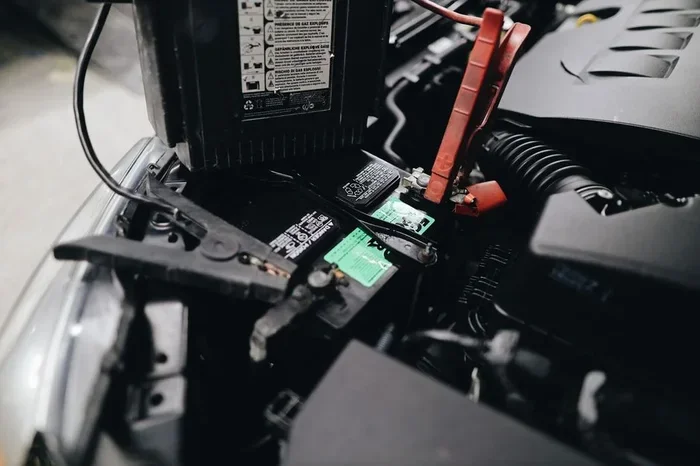
A fully charged 12 volt battery shows between 12.6 and 12.8 volts when resting. These readings tell you whether your battery is healthy, weak, or dead. Knowing what to look for saves time, money, and keeps your electrical systems running smoothly.
Have you ever wondered what a fully charged 12 volt battery actually shows? Maybe you are staring at a multimeter and scratching your head. Or perhaps your car refused to start and you want to know what went wrong. Either way, understanding battery voltage readings is simpler than it looks. Once you learn the basics, you will never second-guess your battery again.
A fully charged 12 volt battery is a topic that comes up all the time in garages, workshops, and even at home. Whether you own a car, a boat, or a backup power system, knowing what your battery shows gives you real power. You can catch problems before they become expensive repairs. You can also avoid being stranded with a dead battery. This guide walks you through everything you need to know.
Key Takeaways
- Resting voltage matters: A true full charge reads 12.6V or higher on a multimeter.
- Load testing reveals real health: Voltage under load tells you more than resting voltage alone.
- Regular testing prevents surprises: Checking your battery monthly catches problems early.
- Temperature affects readings: Cold weather can temporarily lower voltage readings.
- Knowing when to replace is key: A battery below 12.4V when resting needs attention.
- Simple tools work best: A basic digital multimeter gives you accurate results at home.
📑 Table of Contents
What Does a Fully Charged 12 Volt Battery Show?
The short answer is straightforward. A fully charged 12 volt battery displays a voltage reading between 12.6 and 12.8 volts when it is resting. That means the battery is not connected to any load or charger at the moment. This resting voltage is your best indicator of true charge level.
But here is where it gets interesting. Voltage readings change depending on what the battery is doing. A battery under load, like when you start your car, will show a lower reading. A battery that is currently charging may read higher than 12.8 volts. So the number on your multimeter tells a story, and you need to know how to read it.
Why Resting Voltage Is the Gold Standard
When experts talk about battery charge, they almost always refer to resting voltage. This is the voltage your battery shows after sitting idle for at least two hours. No loads running, no charger connected. This gives you the cleanest, most accurate picture of your battery’s health.
If you check your battery right after driving, the reading will be misleading. The battery is still recovering from the load of starting the engine. Wait at least two hours, and then test again. You will get a much more reliable number. Think of it like taking your temperature right after exercise versus resting quietly for a few minutes.
What the Numbers Mean at Each Charge Level
Not all readings mean the same thing. Here is a simple breakdown of what different voltage levels tell you about your 12 volt battery:
- 12.6V to 12.8V: Fully charged. Your battery is in great shape.
- 12.4V: About 75% charged. Still usable but worth monitoring.
- 12.2V: Around 50% charged. Your battery is getting weak.
- 12.0V: About 25% charged. Time to recharge soon.
- Below 11.9V: Dead or deeply discharged. May need replacement.
These numbers apply to standard lead-acid batteries. Lithium batteries have different ranges, but for most cars, trucks, and boats, the above guide works perfectly. Keep this chart in mind the next time you pick up a voltage tester.
How to Test Your 12 Volt Battery Voltage
Testing your battery is easier than you might think. You do not need expensive tools. A basic digital multimeter costs under twenty dollars and works like a charm. Let us walk through the steps together.
First, make sure your battery has been resting for at least two hours. Turn off all lights, accessories, and the engine. Then set your multimeter to DC voltage, usually marked with a “V” and a straight line next to a dashed line. Touch the red probe to the positive terminal and the black probe to the negative terminal.
Read the display. If you see 12.6 volts or higher, your battery is fully charged. If the number is lower, your battery needs attention. Write down your reading and check again in a few days. A single low reading might just mean your battery needs a charge. Repeated low readings point to a deeper problem.
Some people keep a battery tester in their garage. These devices do more than just measure voltage. They also test internal resistance and cold cranking amps. That extra information helps you understand the overall health of your battery. You can find affordable testers at most auto parts stores or where you can buy a desk lamp type of general hardware store too.
Safety Tips When Testing Batteries
Batteries store energy, and that energy can be dangerous if handled carelessly. Always wear safety glasses when testing. Keep flames and sparks away from the battery. Hydrogen gas can leak from a charging battery, and it is highly flammable. Also, never let the metal probes touch both terminals at the same time unless you intend to create a short circuit.
If you notice corrosion on the terminals, clean it off with a wire brush before testing. Corrosion creates resistance, which can give you false readings. Clean terminals mean accurate numbers. A simple mix of baking soda and water works great for cleaning battery terminals.
Understanding Voltage Readings Under Load
Resting voltage gives you a good baseline. But what happens when your battery is actually working? Load testing reveals how your battery performs under real-world conditions. This is where things get really useful.
What Happens During Load Testing
When you start your car, the battery delivers a burst of power to the starter motor. This is called a load. During this moment, the voltage drops. A healthy battery should not drop below 10 volts during cranking. If it dips below that, your battery may be failing.
You can also test voltage under a smaller load, like turning on your headlights. A fully charged battery should hold above 12.4 volts with the headlights on for a few minutes. If the voltage drops quickly, your battery is struggling to keep up.
Think of it this way. Resting voltage is like checking your bank balance. Load voltage is like actually trying to make a purchase. Both matter, but the purchase test tells you if you really have the funds.
Using a Load Tester
A dedicated load tester applies a controlled draw to the battery and measures how well it holds voltage. These tools are common at auto repair shops. Some advanced multimeters also have a built-in load test function. If you want to get serious about battery maintenance, a load tester is a smart investment.
Many people also keep electrical tools on their workspace, just like they keep their desk organized with the right tools for the job. Having a reliable load tester in your garage is just as important as having the right equipment at your workstation. A clutter-free workspace with the right tools makes any task easier, whether you are testing batteries or working on electronics.
Common Battery Problems and What the Numbers Mean
Not all battery problems look the same. Different voltage readings point to different issues. Let us break down the most common problems you might encounter.
Slow Cranking
If your engine turns over slowly before starting, your battery may be low on charge. Check the resting voltage first. If it is below 12.4 volts, try charging the battery fully and test again. If the voltage holds after charging but slow cranking returns, the battery may have a weak cell.
Battery Won’t Hold a Charge
This is one of the most frustrating problems. You charge the battery fully, but the next morning the voltage is low again. This usually means the battery has a shorted cell or a cracked plate. At that point, no amount of charging will fix it. You need a replacement.
Corrosion and Build-Up
White or blue-green crust around the terminals is a sign of corrosion. This buildup interferes with the electrical connection. It can cause voltage drops and erratic readings. Clean your terminals regularly with a wire brush and a baking soda solution. Applying a thin layer of petroleum jelly after cleaning helps prevent future corrosion.
Overcharging Symptoms
Sometimes the problem is not the battery but the charging system. If your alternator overcharges the battery, the resting voltage may read above 13.0 volts even when the engine is off. Overcharging boils the electrolyte inside the battery and shortens its life. If you see this reading, have your alternator checked right away.
Tips for Maintaining a Healthy 12 Volt Battery
Prevention is always better than cure. A few simple habits can extend your battery life by years. Here are the best practices that actually work.
- Test your battery monthly. A quick voltage check takes less than a minute. It catches problems before they leave you stranded.
- Keep your battery clean. Wipe down the terminals and remove any corrosion. Clean connections mean better performance.
- Drive your vehicle regularly. Short trips do not always fully recharge the battery. Take longer drives when you can.
- Turn off accessories before shutting off the engine. This reduces strain on the battery during startup.
- Use a battery maintainer for seasonal vehicles. Boats, RVs, and classic cars benefit from a trickle charger during storage.
- Check your electrical system. A faulty alternator can destroy a good battery quickly. Make sure your charging system works properly.
Just like keeping your workspace organized helps you work better, keeping your battery maintained helps it last longer. Taking a few minutes each month to check your 12 volt battery can save you from unexpected breakdowns. A well-maintained battery also performs better in cold weather, which is when most failures happen.
How Temperature Affects Battery Voltage
Cold weather is a battery’s enemy. At freezing temperatures, a fully charged battery may read slightly lower than normal. This is normal and not a cause for alarm. However, extreme cold reduces the battery’s overall capacity. Your battery has to work harder to start your engine in winter.
On the flip side, extreme heat causes fluid evaporation inside the battery. This damages the plates over time. If you live in a hot climate, check your battery water levels more often. Keeping your battery at the right temperature range helps it hold its charge longer.
When Should You Replace Your 12 Volt Battery?
Even with the best care, batteries eventually wear out. Most lead-acid batteries last between three and five years. But how do you know when it is time for a new one? The voltage readings give you strong clues.
If your battery reads below 12.0 volts after a full charge, it is on its way out. A healthy battery should bounce back to 12.6 volts or higher after charging. If it stays below 12.2 volts, the internal plates are likely damaged. No charger can fix that.
Also pay attention to how old your battery is. Look for the manufacture date on the label. Most batteries have a code that shows the month and year. If your battery is over four years old and showing weak readings, it is time to start shopping for a replacement. Waiting too long to replace a failing battery can leave you stuck in an inconvenient place.
Think about your electrical system the same way you think about keeping your workspace ready for work. You would never want to start a project with broken tools. Similarly, you should never rely on a weak battery when you need your vehicle to start. A fresh battery gives you confidence and reliability every time you turn the key.
Understanding what your battery shows is one of the simplest yet most valuable skills you can learn. It takes minutes to check, costs almost nothing, and gives you peace of mind. Whether you are a weekend mechanic or just someone who wants to avoid surprise breakdowns, this knowledge pays for itself many times over.
Conclusion
A fully charged 12 volt battery shows between 12.6 and 12.8 volts at rest. That simple number tells you a lot about your battery’s health. Regular testing, proper maintenance, and knowing when to replace your battery keeps everything running smoothly. You do not need to be a mechanic to understand these readings. Anyone with a basic multimeter can check their battery in minutes.
Start making battery checks part of your routine. Your future self will thank you the first time your car starts easily on a cold morning. A little knowledge about voltage goes a long way. Trust your readings, take action when the numbers tell you to, and you will always be ahead of battery problems.
Frequently Asked Questions
What voltage is considered fully charged for a 12 volt battery?
A resting voltage of 12.6 to 12.8 volts means your battery is fully charged. Anything below 12.4 volts indicates the battery needs recharging. Always test after the battery has rested for at least two hours for the most accurate reading.
Can a fully charged 12 volt battery still fail to start a car?
Yes. Voltage only tells part of the story. A battery can read 12.6 volts but still have weak cranking amps due to internal damage. If your car struggles to start despite a good voltage reading, consider load testing the battery or checking the alternator.
How often should I test my 12 volt battery?
Testing once a month is a good habit for most vehicle owners. If you live in an area with extreme temperatures, test more frequently. Seasonal vehicles like boats and RVs should be tested before and after storage periods.
Does a higher voltage reading mean a better battery?
Not necessarily. A reading above 12.8 volts when the battery is resting may indicate the battery is currently charging or that the charging system is overcharging. Both situations can cause long-term damage if not addressed.
What should I do if my battery reads 12.0 volts or lower?
A reading of 12.0 volts or lower means the battery is deeply discharged. Try charging it fully and retest after a few hours. If the voltage does not recover to 12.6 volts or higher, the battery likely needs replacement.
Do lithium batteries use the same voltage scale as lead-acid batteries?
No. Lithium batteries have different voltage ranges and charging profiles. A fully charged lithium 12-volt battery typically reads higher than a lead-acid battery. Always check the manufacturer’s specifications for your specific battery type before testing.