When to Replace Waxing a Car for Maximum Protection
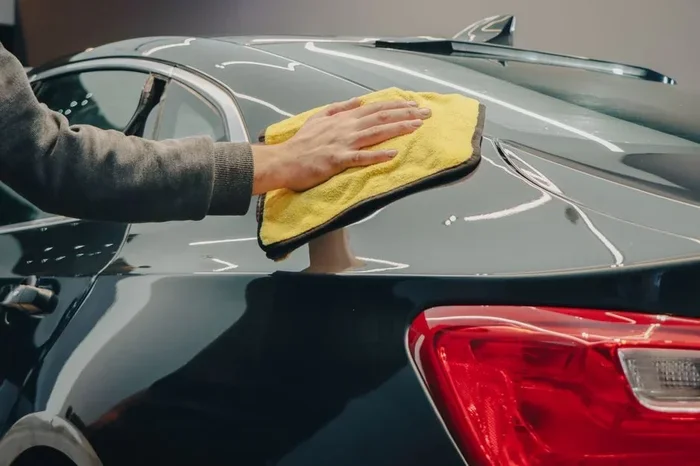
Knowing exactly when to replace waxing a car keeps your paint protected and your ride looking its best. Wax wears down over time from sun, dirt, and weather, so you need to reapply regularly. This guide shows you the clear signs your wax is fading and how often to wax for lasting paint protection.
Your car faces a lot every day. Sun, rain, dust, bird droppings, and road grime all take a toll on your paint. Wax acts as a shield. It keeps these harmful elements from eating into your car’s clear coat. But wax does not last forever. So the real question is: when to replace waxing a car for the best paint protection.
Many car owners wait too long. By the time they notice damage, the clear coat has already suffered. Others wax too often, wasting money and product. Finding the right balance is key. This guide helps you understand the car waxing schedule that works best. You will learn the signs that mean your wax is done. You will also discover how to apply wax properly so it lasts longer.
Whether you are a beginner or a seasoned car enthusiast, this guide has something for you. We will cover everything from wax durability to the best products on the market. By the end, you will know exactly how to keep your car looking its best all year long.
Key Takeaways
- Wax creates essential protection: A fresh coat shields your car from UV rays, dirt, and environmental damage that dulls and damages your paint over time.
- Watch for wax wear indicators: Water no longer beading, dull paint, and visible swirl marks are clear signs it is time to reapply wax.
- Wax every three months as a baseline: This gives consistent paint protection, though your climate and driving conditions may require more frequent applications.
- Choose the right product for your needs: Carnauba wax offers a deep, warm shine while synthetic sealants provide longer-lasting durability.
- Avoid common mistakes: Never wax in direct sunlight, apply too much wax, or skip the prep wash to ensure the best results.
- Proper application extends protection: Thin, even coats with quality tools give you better results and longer-lasting wax durability than thick, rushed applications.
📑 Table of Contents
Why Waxing Your Car Matters
Waxing is more than just making your car look shiny. It is about preserving the paint underneath. Your car’s paint has multiple layers. The outermost layer is the clear coat. It is transparent but incredibly important. It protects the color coat from UV rays, chemicals, and physical damage.
When you apply wax, you add a protective barrier on top of the clear coat. This barrier absorbs the damage that would otherwise reach your paint. Think of it like sunscreen for your car. Just as sunscreen protects your skin from the sun, wax protects your car’s paint from the elements.
Without wax, your clear coat works overtime. It faces UV radiation, acid rain, bird droppings, tree sap, and road salt. Over time, these things cause oxidation and fading. The paint becomes dull and lifeless. In severe cases, the clear coat can even peel or crack. Regular waxing prevents all of this and keeps your car shine looking fresh.
The Role of UV Protection
The sun emits powerful ultraviolet rays. These rays break down the chemical bonds in your car’s paint. This process is called oxidation. It causes fading, chalking, and a generally tired appearance. UV protection from wax acts as a first line of defense.
Wax reflects and absorbs UV radiation before it reaches the paint. This slows down the oxidation process significantly. Cars that are waxed regularly look years younger than those that are not. If you park your car outside, UV protection becomes even more critical. Sun exposure is the number one cause of paint damage over time.
How Wax Creates a Hydrophobic Surface
One of the most useful properties of wax is its hydrophobic effect. This means water repels off the surface. When your car is properly waxed, rain beads up and rolls off. This carries dirt and contaminants with it. The result is a cleaner car between washes.
This hydrophobic layer also makes washing easier. Dirt and grime do not stick as strongly to a waxed surface. You spend less time scrubbing and more time enjoying your clean car. This hydrophobic barrier is a key benefit of maintaining a regular car maintenance routine.
How Often Should You Wax Your Car
There is no single answer to how often you should wax. The right waxing frequency depends on several factors. Let us break them down so you can create a car waxing schedule that works for your situation.
Factors That Affect Wax Durability
Your environment plays the biggest role in how fast wax wears off. Cars parked outside in sunny, humid, or coastal climates lose wax faster. UV rays break down the wax layer. Salt air from the ocean is especially harsh. It corrodes wax and reduces its effectiveness quickly.
Your washing habits also matter. Every time you wash your car, some wax comes off with the water. If you wash your car weekly, you are removing wax regularly. This means you need to reapply more often. A good rule is to always wash your car gently and avoid high-pressure sprays near the edges of panels where wax is thinnest.
The type of wax you use changes the timeline too. Natural carnauba wax looks beautiful but wears off in about two to three months. Synthetic sealants can last four to six months. Hand wax vs machine wax also matters. Machine-applied wax tends to be more uniform and can last slightly longer because of the even application.
General Guidelines for Waxing Frequency
As a general rule, most car care experts recommend waxing every eight to twelve weeks. This keeps your paint protection at a consistent level. However, you should always check your car’s condition rather than just following a calendar.
If you notice water no longer beading on your car’s surface, your wax is worn. If the paint looks dull or feels rough, it is time for a fresh coat. These are clear wax wear indicators that should never be ignored. Acting on these signs early prevents long-term paint damage.
To stay on track, organize your car care routine the same way you would how to organize a study desk – with a clear schedule and designated supplies. Set a reminder on your phone every two months to check your wax condition.
Signs Your Wax Needs Replacing
Your car tells you when the wax is wearing off. You just need to know what to look for. Here are the most important signs that it is time to reapply wax.
Water No Longer Beads on the Surface
The water bead test is the simplest way to check your wax. Sprinkle a few drops of water on your car’s hood or roof. If the water forms tight, round beads, your wax is still effective. If the water spreads out into a flat sheet and soaks in, your wax has worn thin.
This happens because wax creates a hydrophobic surface. Water cannot grip a properly waxed car. When the wax breaks down, the surface becomes more absorbent. This is one of the earliest and most reliable wax wear indicators you will notice. Do this test once a week to stay ahead of the curve.
Dull or Faded Paint Appearance
A freshly waxed car has a deep, rich glow. When that glow fades, your protective barrier is weakening. The paint may look flat or chalky. Colors may seem less vibrant than they used to be. This dullness often comes from oxidation caused by UV exposure.
Without regular waxing, the clear coat loses its ability to reflect light properly. The result is a tired, aged appearance. Regular waxing prevents this and keeps your car shine looking fresh and vibrant. It is one of the easiest ways to maintain your car’s appearance.
Visible Swirl Marks and Fine Scratches
Swirl marks are fine circular scratches that appear in certain lighting. They happen from dust rubbing against the paint during washing or driving. A good layer of wax fills in these micro-scratches and creates a smooth surface.
When your wax wears off, swirl marks become much more visible. This is because the clear coat protection is no longer filling in those tiny imperfections. If you start noticing more swirl marks than usual, it is a strong signal that you need to wax again soon.
Comparing Wax Types for Your Car
Not all wax products are created equal. Understanding the differences helps you choose the right one for your needs and budget. Here is a quick comparison of the most popular options.
| Product Type | Durability | Shine Level | Ease of Application | Cost | Best For |
|---|---|---|---|---|---|
| Carnauba Wax | 2-3 months | Deep, warm glow | Moderate | Low to medium | Enthusiasts who love a traditional hand-waxed look |
| Synthetic Sealant | 4-6 months | High, glossy shine | Easy | Medium | Busy car owners who want long-lasting results |
| Hybrid Wax-Sealant | 3-5 months | Rich, balanced glow | Easy | Medium to high | Those who want the best of both worlds |
| Ceramic Coating | 6-12 months | Intense, liquid shine | Difficult | High | Dedicated enthusiasts willing to invest in long-term protection |
Each product has its strengths. Carnauba wax gives the most natural, warm look. Synthetic sealants last longer and are easier to apply. Hybrid products blend the best of both. Ceramic coatings offer the longest wax durability but require more skill to apply correctly.
Many car owners wonder if ceramic coatings are a ceramic coating alternative to traditional wax. They are. Ceramic coatings bond chemically to the paint and create a very hard, durable layer. However, they cannot be applied as easily as wax. For most people, a good quality wax or sealant applied every few months is the practical choice.
Best Products for Reapplying Wax
Choosing the right products makes a big difference in your results. You want products that protect well and are easy to use. Here is what to look for when picking out supplies.
What to Put on Your Car Surface
Just like you carefully decide what to put on a study desk for the best setup, you need to choose the right products for your car’s surface. The wrong wax can leave residue, fail to protect, or even damage your paint.
Look for waxes that offer UV protection and hydrophobic properties. These two features give you the most bang for your buck. A good wax should also be compatible with your car’s paint type. Clear coats on modern cars are different from older single-stage paints. Always check the product label to make sure it is safe for clear coat finishes.
If you want a natural look, go with a carnauba-based wax. If you want maximum longevity, a synthetic sealant is the way to go. Many quality brands offer both options. Choose the one that fits your car detailing goals and budget.
Waxing Gloves and Application Tools
Using the right tools makes the job easier and safer. Waxing gloves protect your hands from harsh chemicals and give you better grip on the applicator pad. They also keep natural oils from your hands off the wax, which can affect how it bonds to the paint.
A soft microfiber cloth is essential for buffing off residue. Microfiber is gentle on paint and absorbs wax residue without leaving lint or scratches. Avoid using old towels or regular cloths. These can trap dirt particles and leave swirl marks on your finish.
Your applicator pad matters too. Foam pads work well for most waxes. They spread the product evenly and make it easy to cover large areas. Wool pads are better for heavy-cut compounds. For regular wax application, a soft foam pad is your best friend.
Polishing Compound vs Wax
It is important to understand the difference between a polishing compound and wax. A polishing compound is abrasive. It removes a thin layer of clear coat to eliminate swirl marks, scratches, and oxidation. Wax goes on top of the corrected surface to protect it.
You should not use a compound every time you wax. Compounds remove paint, even if only a tiny amount. Use them only when your paint needs correction. For regular maintenance, a good wax is all you need. This keeps your car maintenance routine simple and effective. Save the compound for when your paint truly needs it.
Step-by-Step Guide to Re-Waxing Your Car
Re-waxing your car at home is simple and rewarding. With the right steps, you can achieve a professional-level finish without visiting a detailer. Here is how to do it right.
Setting Up Your Workspace
Just like setting up how to set up a study desk with the right tools and layout, preparing your car detailing workspace makes all the difference. You want a clean, shaded area where you can work comfortably without interruption.
Start by washing your car thoroughly. Use a gentle car wash soap and a soft microfiber mitt. Rinse off all dirt and grime. You do not want to trap any particles under your new wax. This is an important part of your car wash before waxing routine. Dirt left on the surface can act like sandpaper when you buff the wax off, creating new swirl marks.
Dry the car completely with a clean, soft microfiber towel. Make sure there is no moisture left in crevices or panel gaps. A completely dry surface ensures the wax adheres properly and cures evenly.
Applying Wax Evenly
Apply a thin layer of wax to your foam applicator pad. Work in small sections, about two feet by two feet. Use gentle, overlapping circular motions. Do not press too hard. Let the wax do the work. Pressing hard can cause streaking and uneven coverage.
Wait for the wax to haze over. This usually takes about five to ten minutes, depending on the product and the temperature. Then buff it off with a clean microfiber cloth. Use light pressure and straight lines, not circles. This prevents swirl marks and gives you a smooth, even finish.
Checking for Even Coverage
After buffing, walk around your car and inspect the finish. Hold your hand flat against the paint. A properly waxed surface feels slick and smooth. If any area feels rough or sticky, you missed a spot. Go over those areas again with a fresh applicator and a thin coat of wax.
A second thin coat often works better than one thick coat. Thin layers cure properly and last longer. This is a pro tip that makes a real difference in your wax durability. It also prevents the white residue that sometimes appears when too much wax is applied at once.
Common Mistakes to Avoid When Waxing
Even experienced car owners make mistakes when waxing. Knowing what to avoid saves you time, money, and potential damage to your paint.
Waxing in Direct Sunlight
This is the number one mistake people make. Waxing in direct sunlight causes the product to dry too fast. It becomes hard to buff off and can leave a hazy residue on your paint. Always wax in the shade or in a garage. If you must wax outdoors, choose a cool, cloudy day when the temperature is below 75 degrees Fahrenheit.
Applying Too Much Wax
More wax does not mean more protection. Thick layers take forever to cure and can trap dirt particles. A thin, even coat is all you need. Remember: less is more when it comes to wax buildup. Two thin coats always beat one thick coat. Thin layers bond better to the paint and cure more evenly.
Skipping the Prep Work
Waxing over dirty or contaminated paint is a waste of time and product. Always start with a clean car. If you skip the wash step, you are sealing dirt and pollutants under your wax. This can cause wax buildup and actually damage your paint over time. Take the extra fifteen minutes to wash and dry your car properly before applying wax.
Using the Wrong Cloth for Buffing
Your buffing cloth matters more than you might think. Using a rough or dirty towel can introduce new scratches and swirl marks. Always use a clean, dedicated microfiber cloth for buffing. Wash your buffing towels separately from other laundry. Fabric softeners and dryer sheets can leave residues that affect wax adhesion.
By avoiding these mistakes, your car detailing efforts will pay off. Your car stays protected, shiny, and ready for the road. A little care goes a long way in preserving your vehicle’s appearance and value.
When to Replace Waxing a Car: Final Thoughts
When to replace waxing a car is really about staying proactive. Do not wait for visible damage to act. Check your wax regularly. Perform the water bead test. Look for dullness and swirl marks. When you see these signs, reapply wax promptly.
A consistent car waxing schedule is one of the simplest and most effective things you can do for your vehicle. It protects your paint, enhances your car’s shine, and even helps maintain resale value. The small investment of time and product pays off significantly over the life of your car.
Remember that waxing is not a one-time task. It is part of an ongoing car maintenance routine. Set reminders, keep your supplies stocked, and make it a habit. Your car will thank you with years of looking its best.
Now that you know the signs and the schedule, you are ready to take action. Grab your waxing gloves, pick out your favorite microfiber cloth, and give your car the protection it deserves. A fresh coat of wax makes everything look better. It is one of those simple things that makes a big difference.
Stay on top of your car detailing routine and your car will reward you with lasting paint protection and a brilliant car shine for years to come. The road ahead looks great when your car looks great.
Frequently Asked Questions
How often should I wax my car?
Most experts recommend waxing every eight to twelve weeks. However, this depends on your driving environment, the type of wax you use, and how often you wash your car. Cars parked outside in sunny or coastal areas may need waxing more frequently, while garage-kept cars can stretch the timeline a bit longer.
Can I wax my car in direct sunlight?
No, you should never wax in direct sunlight. The heat causes the wax to dry too quickly, making it hard to buff off and leaving a hazy residue. Always choose a shaded area or work in a garage for the best results and easiest application.
What is the difference between wax and a polishing compound?
A polishing compound is abrasive and removes a thin layer of clear coat to correct imperfections like swirl marks and scratches. Wax is non-abrasive and goes on top to protect the corrected surface. Use a compound only when your paint needs correction, and use wax for regular maintenance.
Is hand waxing better than machine waxing?
Both have their benefits. Hand waxing gives you more control and a traditional deep shine. Machine waxing provides a more even application and can last slightly longer due to consistent coverage. Choose based on your comfort level and how much time you want to invest in the process.
Can I apply wax right after washing my car?
Yes, but make sure your car is completely dry first. Any remaining moisture can trap water under the wax and cause bubbling or uneven adhesion. After washing, dry every surface thoroughly with a clean microfiber towel before you begin applying wax.
How do I remove old wax before reapplying?
Use a wax remover or a light polishing compound to strip the old wax layer. Wash your car first, then apply the remover with a microfiber cloth following the product instructions. Once the old wax is gone and the car is clean and dry, you can apply fresh wax for maximum paint protection.