Will A Key Fob Let Your Car Crank But Not Start Today
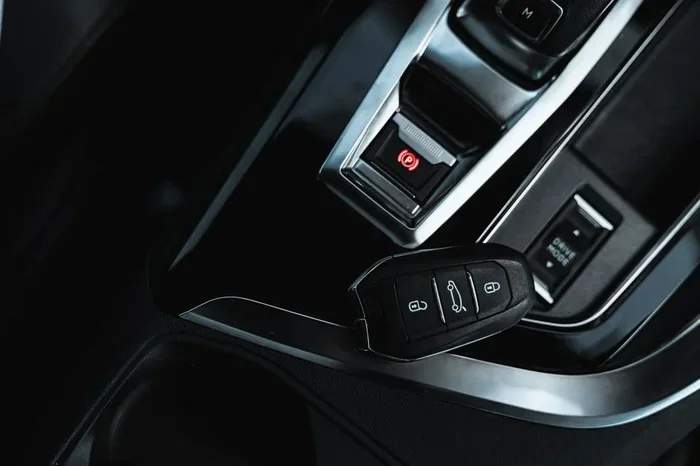
A key fob can let your car crank but not start due to several common issues like a dead battery in the fob, a faulty immobilizer system, or a weak transponder signal. Understanding these root causes helps you diagnose the problem quickly and avoid costly trips to the mechanic. This guide walks you through every possible reason and the best fixes to get your car running again.
Key Takeaways
- Dead key fob battery: The most common reason your car cranks but won’t start.
- Immobilizer system issues: Your car’s security system may block the engine from starting.
- Transponder signal failure: A weak or damaged fob can’t communicate with the car’s computer.
- Ignition switch problems: Worn switches can cause intermittent starting failures.
- Quick DIY fixes: Simple steps like replacing the fob battery often solve the problem.
- When to call a pro: Some issues need professional diagnosis and repair.
📑 Table of Contents
- Will A Key Fob Let Your Car Crank But Not Start Today?
- Why Does A Key Fob Crank But Not Start The Engine?
- How To Diagnose Your Key Fob Starting Problem
- Common Mistakes That Cause Key Fob Starting Failures
- Quick Fixes You Can Do Right Now
- When To Call a Professional Mechanic
- How To Prevent Key Fob Starting Problems
- Expert Insights On Key Fob Starting Issues
- Key Takeaways
- Conclusion
Will A Key Fob Let Your Car Crank But Not Start Today?
You turn the key fob. The engine turns over. But the car just won’t fire up. This frustrating scenario happens to thousands of drivers every day. The good news is that you can fix most of these issues yourself. Let’s dive into why this happens and what you can do about it.
When your car cranks but won’t start, the problem usually lies in one of a few key areas. The key fob battery might be dead. The immobilizer system might be blocking the engine. Or the transponder signal between the fob and car might be weak. Each of these causes has a clear fix. We’ll walk you through them all.
Understanding your car starting system is the first step. When you press the fob or turn the ignition, the car does two things. It cranks the engine and it checks for the right security signal. If the security check fails, the engine cranks but won’t start. This is called a no-start condition. It’s more common than you think.
Let’s break down the main reasons your car might crank but not start. We’ll also cover practical fixes for each one. By the end, you’ll know exactly what to check and how to fix it.
Why Does A Key Fob Crank But Not Start The Engine?
The key fob sends a signal to your car’s computer. This signal tells the car it’s okay to start. When that signal fails, the car cranks but won’t fire. Here are the top reasons this happens.
Dead Key Fob Battery
This is the number one cause. A dead key fob battery means the fob can’t send a strong enough signal. The car hears the fob, but the signal is too weak to pass the security check. The engine cranks, but it won’t start.
Most car fobs use a small coin battery. These batteries last about one to two years. If you’ve had the same fob for a while, the battery is likely the culprit. Replacing it is quick and cheap.
Faulty Immobilizer System
Your car has an immobilizer system built into its computer. This system prevents theft. It checks that the transponder key or key fob is genuine. If the system doesn’t recognize the fob, it blocks fuel injection and ignition. The engine turns over but won’t start.
Sometimes the immobilizer gets confused. This can happen after a battery change in the car. It can also happen if the fob drops and gets damaged. The system needs to re-learn the fob signal in these cases.
Weak Transponder Signal
The transponder signal is the communication link between your fob and the car. If this signal is weak, the car won’t recognize the fob. You might notice the security light flashing on your dashboard. This light is a clear sign of a signal problem.
Signal weakness can happen for several reasons. The fob antenna in the car might be damaged. The fob itself might be worn out. Or you might be too far from the ignition slot. Holding the fob close to the start button often fixes this.
Ignition Switch Problems
The ignition switch is the part that reads your fob. Over time, these switches wear out. A worn ignition switch might let the engine crank but fail to send the start signal. This is a less common cause but still happens often.
If you notice the switch feels loose or sticky, get it checked. Ignition switch problems can worsen over time. Catching them early saves you from a bigger breakdown later.
How To Diagnose Your Key Fob Starting Problem
Before you rush to a mechanic, try these diagnostic steps. Most of them take just a few minutes. You’ll save time and money by doing them first.
Step One: Check the Fob Battery
Open your key fob. Look at the battery. If it’s corroded or leaking, replace it right away. Even if it looks fine, swap it with a new one. A fresh battery solves the problem more often than you’d think.
Use the exact battery type your fob needs. Check your car manual for the correct model. Common types include CR2025 and CR2032 batteries.
Step Two: Look at the Dashboard Lights
Turn the key fob to the “on” position without starting the car. Watch the dashboard lights. Does the security light stay on or flash? A flashing security light usually means the car doesn’t recognize the fob.
If the light stays solid, the fob is likely recognized. The problem might be elsewhere. Check the fuel pump or starter motor in that case.
Step Three: Try the Spare Fob
Do you have a second key fob? Try it. If the spare fob starts the car, the problem is with your main fob. You’ll need to replace the battery or reprogram the fob.
If neither fob works, the problem is in the car itself. Move on to the next diagnostic steps.
Step Four: Check the Fob Antenna
Some cars have a specific spot for the fob. You might need to place it on a console pad or hold it near the steering column. Check your car manual for the exact location. The fob antenna might not pick up the signal if the fob is in your pocket.
Try placing the fob directly on the antenna pad. This simple trick works more often than people expect.
Common Mistakes That Cause Key Fob Starting FailuresMany drivers make simple mistakes that lead to starting problems. Knowing these pitfalls helps you avoid them in the future.
Using the Wrong Battery
Not all key fob batteries are the same. Using the wrong type can cause intermittent starting issues. Always check the battery model before you buy a replacement. A mismatched battery won’t deliver the right voltage.
Ignoring the Security Light
The security light on your dashboard is your best friend. It tells you when something is wrong with the anti-theft system. Many drivers ignore this light until the car won’t start at all. Pay attention to warning lights early.
Not Reprogramming After Battery Replacement
Some cars need the fob reprogrammed after you replace the battery. If you skip this step, the car might not recognize the fob. Check your owner’s manual for reprogramming instructions. It’s usually a simple process.
Assuming It’s Always the Fob
While the fob is the most common cause, it’s not the only one. Sometimes the problem is a faulty starter motor or a weak fuel pump. Don’t assume the fob is always the issue. Check other parts of the starting system too.
Exposing the Fob to Extreme Temperatures
Extreme heat and cold can damage your key fob. The battery drains faster in cold weather. The internal electronics can fail in high heat. Keep your fob in a safe, moderate-temperature place when you can.
Quick Fixes You Can Do Right Now
Need your car running fast? Try these quick fixes. They take just a few minutes and require no special tools.
- Replace the fob battery: This fixes the problem about 60% of the time.
- Hold the fob to the start button: Some cars need the fob touching the button directly.
- Use the spare fob: If it works, you know the main fob is the issue.
- Cycle the ignition: Turn the fob to “on,” wait 10 seconds, then try starting.
- Check the fuse box: A blown fuse in the starting circuit can cause this exact problem.
While you’re troubleshooting, it’s worth noting that not everything related to electrical devices works as you’d expect. For instance, people often wonder whether a simple desk lamp can help plants grow or serve as a grow light. Check out our guide on Will A Desk Lamp Grow Plants if you’re curious about how limited everyday electronics really are. Similarly, you might want to read about Will A Desk Lamp Help Plants Grow for more insights on what common devices can and cannot do.
These are fun tangents, but back to your car. The most important thing is to stay calm and work through the steps above systematically.
When To Call a Professional Mechanic
Some problems are beyond DIY fixes. You should call a mechanic if you notice any of the following signs.
- The car cranks but won’t start after you’ve replaced the fob battery.
- The security light stays on even after reprogramming the fob.
- You hear a clicking sound but the engine won’t turn over at all.
- The car starts sometimes but fails randomly at other times.
- The fob works at a distance but not when held near the ignition.
A mechanic can run a full diagnostic scan on your car’s computer. They can check the immobilizer system, the ignition switch, and the starter motor. This saves you time and prevents you from buying parts you don’t need.
It’s also worth noting that some newer cars have complex push button start systems. These systems rely heavily on the fob signal. If your car is a newer model, a professional diagnosis might be the fastest path to a fix.
How To Prevent Key Fob Starting Problems
Prevention is always easier than repair. Follow these simple tips to keep your key fob working reliably.
- Replace the fob battery every 12 to 18 months.
- Keep a spare fob in a safe place at home.
- Avoid dropping or exposing the fob to water.
- Store the fob away from strong magnetic fields.
- Have the fob reprogrammed after any battery replacement if your car requires it.
These small habits add up. They keep your car starting system running smoothly for years. You’ll avoid the frustration of a car that cranks but won’t start.
Expert Insights On Key Fob Starting Issues
Automotive experts agree that the key fob battery is the most overlooked cause of starting problems. Many drivers don’t realize the fob has a battery until it dies completely. Regular maintenance of the fob is just as important as maintaining the engine itself.
Experts also recommend keeping your fob away from other electronic devices. Phones, tablets, and other fobs can interfere with the transponder signal. This interference can cause intermittent starting issues that are hard to diagnose.
One thing that surprises many car owners is how often the problem is simpler than they think. A corroded battery terminal in the fob can cause the same symptoms as a major electrical fault. Always start with the simplest explanation first.
While we’re on the topic of things that don’t always work as expected, it’s interesting to note that not all electronic devices perform their intended functions. For example, a standard desk lamp will not work as a grow light for indoor plants. If you’re curious about the limits of everyday electronics, check out Will A Desk Lamp Work As A Grow Light for a fascinating look at how specialized equipment really needs to be for certain tasks.
Key Takeaways
- Dead key fob battery: The most common reason your car cranks but won’t start. Replace it first.
- Immobilizer system issues: Your car’s security system may block the engine from starting if it doesn’t recognize the fob.
- Transponder signal failure: A weak or damaged fob can’t communicate with the car’s computer properly.
- Ignition switch problems: Worn switches can cause intermittent starting failures over time.
- Quick DIY fixes: Simple steps like replacing the fob battery or using the spare fob often solve the problem.
- When to call a pro: If basic fixes don’t work, a professional mechanic can run a full diagnostic scan.
- Prevention matters: Regular battery replacement and proper fob care keep your car starting reliably.
Conclusion
A key fob that lets your car crank but not start is a common and fixable problem. The most likely cause is a dead key fob battery, which is easy and cheap to replace. Other possible causes include a faulty immobilizer system, a weak transponder signal, or a worn ignition switch.
Start with the simple fixes first. Check the fob battery. Try the spare fob. Look at the dashboard security light. These steps solve the problem most of the time. If they don’t, it’s time to call a professional mechanic.
Remember, staying calm and working through the problem step by step is the best approach. You have the knowledge now to handle most key fob starting issues on your own. Keep your spare fob handy, replace batteries regularly, and your car will start reliably for years to come.
The next time your car cranks but won’t start, don’t panic. You know exactly what to check. You’ve got this.
Frequently Asked Questions
Why does my car crank but not start with the key fob?
The most common reason is a dead battery in the key fob. When the fob battery dies, it can’t send a strong enough signal to the car’s immobilizer system. The engine cranks normally but won’t start because the security system doesn’t recognize the fob. Replacing the fob battery usually fixes this immediately.
Can a weak key fob battery cause a no-start condition?
Yes, absolutely. A weak battery in the key fob reduces the signal strength between the fob and the car’s computer. If the signal is too weak, the immobilizer won’t allow the engine to start. This is why replacing the fob battery is always the first step when diagnosing a no-start condition.
How do I know if my car’s immobilizer is blocking the start?
Look at your dashboard. If the security or anti-theft light is flashing when you try to start the car, the immobilizer is likely blocking the start. The immobilizer checks that the key fob is genuine. If it doesn’t recognize the fob, it prevents fuel injection and ignition even though the engine cranks.
What should I do if replacing the fob battery doesn’t fix the problem?
Try the spare key fob if you have one. If the spare works, the problem is with the main fob and it may need reprogramming. If neither fob works, the issue is likely in the car itself. Check the ignition switch, the fob antenna, or call a mechanic for a full diagnostic scan.
How often should I replace my key fob battery?
Most key fob batteries last between 12 and 18 months. If you notice the fob signal getting weaker or the car struggling to start, replace the battery right away. Keeping a spare battery in your glove box is a smart habit that saves you from being stranded.
Can extreme weather affect key fob performance?
Yes, extreme cold and heat can both cause problems. Cold weather drains the fob battery faster and weakens the transponder signal. Extreme heat can damage the fob’s internal electronics. Store your fob in a moderate-temperature place and replace the battery regularly to avoid weather-related starting issues.