How to Fix Car Battery Corrosion and Get Your Car Running
Car battery corrosion is a common problem that can leave you stranded on the side of the road. The white or greenish buildup on your battery terminals is more than just a cosmetic issue. It can prevent your car from starting and cause serious damage to your electrical system. This guide will show you exactly how to fix car battery corrosion using simple household items. You will learn the root causes, the step-by-step cleaning process, and how to stop it from coming back.
Have you ever opened your car hood and spotted a crusty, white or bluish-green buildup on your battery terminals? That is corrosion, and it is more common than you might think. Many drivers face this problem, especially in humid or cold climates. The good news is that fixing it is usually simple and inexpensive. You do not need to be a mechanic to clean your battery terminals. With a few common household items, you can restore your battery connection and get your car running again. Let us walk through everything you need to know.
Car battery corrosion happens when the battery acid reacts with the metal on your terminals. This reaction creates a buildup that blocks the electrical connection between your battery and your car. Left untreated, it can lead to starting problems, dim headlights, and even complete electrical failure. The great thing is that you can handle this fix yourself at home with basic tools and supplies. In this article, we will cover the causes, the cleaning process, prevention tips, and when it is time to replace your battery instead of cleaning it.
Key Takeaways
- Corrosion is caused by acid leaks and hydrogen gas: When battery acid escapes or reacts with air, it creates the white or greenish buildup you see on terminals.
- Baking soda and water is the best DIY cleaner: This household solution safely neutralizes the acid and breaks down the corrosion on your battery terminals.
- Always disconnect the battery before cleaning: Safety comes first. Remove the negative cable first to avoid short circuits or sparks.
- Prevention is easier than fixing: Regular maintenance, anti-corrosion sprays, and clean terminals can stop corrosion from returning.
- Know when to replace instead of clean: If your battery is old, cracked, or leaking heavily, cleaning will not fix the real problem.
- Check your battery terminals every few months: Catching corrosion early makes the cleaning process much faster and easier.
📑 Table of Contents
What Is Car Battery Corrosion and Why It Happens
Before you can fix car battery corrosion, it helps to understand what it is and why it forms. Corrosion is a chemical reaction that occurs when battery acid or hydrogen gas comes into contact with the metal parts of your battery. This reaction creates a powdery or crusty substance on and around your battery terminals. The substance is usually white, blue, or greenish in color.
Understanding the Battery Chemistry
Your car battery contains sulfuric acid and lead plates. When the battery charges and discharges, chemical reactions take place. Sometimes, these reactions produce hydrogen gas. When that gas escapes from the battery seal, it reacts with the oxygen and moisture in the air. This creates the corrosive buildup you see on your terminals. Over time, this buildup grows thicker and harder, making it more difficult for electricity to flow.
Common Causes of Battery Corrosion
Several factors can speed up the corrosion process on your battery. Here are the most common causes:
- Age of the battery: Older batteries are more likely to leak acid and develop corrosion. A battery that is more than three to five years old is at higher risk.
- Overcharging: When your alternator sends too much voltage to the battery, it heats up and pushes out more acid vapor. This speeds up corrosion on the battery terminals.
- Battery crack or damage: Any crack in the battery case allows acid to escape. Even a small crack can cause a noticeable buildup of corrosion over time.
- High temperatures: Heat increases the rate of chemical reactions inside the battery. Hot climates and engine heat can accelerate corrosion.
- Humidity and moisture: Moisture in the air reacts with battery acid fumes. This is why corrosion is often worse in humid or rainy seasons.
- Loose battery connections: When terminals are not tight, they can spark and arc. This creates heat and accelerates the corrosion process.
Signs Your Car Battery Has Corrosion
Spotting car battery corrosion early can save you from a frustrating morning when your car will not start. The signs are usually easy to spot if you know what to look for. Regularly checking your battery terminals as part of your car battery maintenance routine can help you catch problems before they become serious.
Visual Indicators
The most obvious sign of a corroded battery is the buildup on the terminals. Here is what to look for:
- White powdery substance: This is often copper sulfate and is the most common sign of battery terminal corrosion.
- Blue or greenish crust: This indicates a more advanced reaction between battery acid and the metal terminals.
- Swollen or bloated battery case: This can signal internal damage and acid leakage.
- Foul smell: A rotten egg or sulfurous smell near your battery means hydrogen sulfide gas is escaping.
Performance Symptoms
Corrosion does not just look bad. It can cause real problems with how your car runs. Watch for these signs of a corroded car battery:
- Car won’t start: The most common symptom is a slow crank or no crank at all when you turn the key.
- Dim headlights: Corroded terminals reduce the power reaching your electrical system.
- Electrical glitches: Dashboard lights flickering, power windows moving slowly, or the radio cutting out can all point to a battery connection problem.
- Stalling or misfiring: If your car loses power while driving, corroded battery cables could be the culprit.
What You Need to Clean Battery Corrosion
Cleaning corroded battery terminals does not require expensive tools or special supplies. Most of what you need is already in your kitchen or garage. Here is a list of everything you will need for a successful battery corrosion fix.
Safety Gear and Supplies
Before you start, make sure you have these safety items ready. Working with battery acid can be irritating to your skin and eyes, so protection is important.
- Safety glasses: Protect your eyes from any acid splashes or debris.
- Rubber or nitrile gloves: Keep your hands protected from battery acid and the cleaning solution.
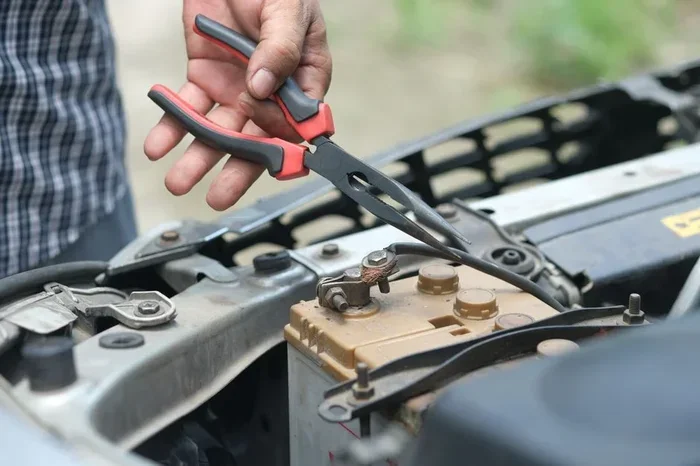
- Wrench or pliers: You need these to disconnect the battery cables safely.
- Old toothbrush or wire brush: This will help you scrub away the corrosion buildup.
- Baking soda: This is the star of the show for a DIY battery terminal cleaner.
- Water: Regular tap water works fine for mixing with baking soda.
- Clean cloth or paper towels: You will need these to wipe down the terminals after cleaning.
- Anti-corrosion spray or petroleum jelly: This protects the cleaned terminals from future buildup.
Household Alternatives
If you do not have baking soda on hand, do not worry. There are other household items that can help you clean battery corrosion. Some people use a can of Coca-Cola, which contains phosphoric acid that dissolves the buildup. Another option is a mix of white vinegar and baking soda, which creates a fizzy reaction that lifts corrosion away. However, the baking soda and water method is the safest and most effective for most situations.
| Cleaning Method | Cost | Effectiveness | Ease of Use | Best For |
|---|---|---|---|---|
| Baking Soda and Water | Very Low | High | Easy | Most corrosion types |
| Commercial Battery Cleaner | Medium | Very High | Very Easy | Heavy or stubborn corrosion |
| Coca-Cola | Low | Medium | Easy | Light corrosion only |
| Vinegar and Baking Soda | Very Low | Medium-High | Moderate | Moderate buildup |
Step-by-Step Guide to Fix Car Battery Corrosion
Now that you have your supplies ready, let us walk through the process of cleaning your corroded battery terminals. Follow these steps carefully and in order for the best results.
Step 1: Disconnect the Battery
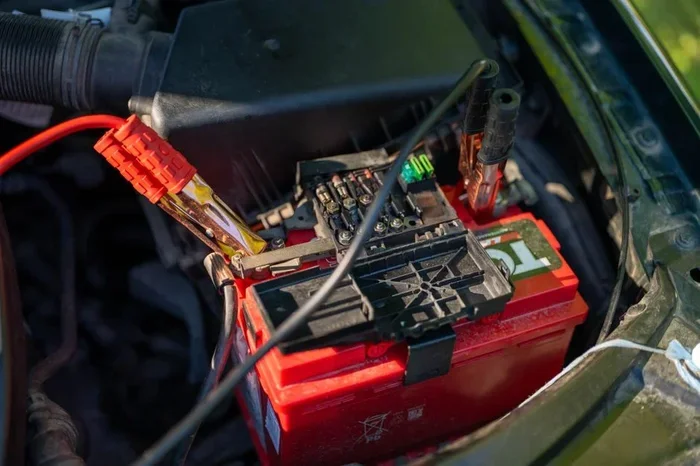
Safety is the most important part of this process. Before you touch anything, you need to disconnect your battery. Start with the negative cable first. Use your wrench to loosen the nut on the negative terminal clamp. Once it is loose, pull the cable off and tuck it away from the battery. Then repeat the process with the positive cable. Always remember: negative first, positive last.
Step 2: Apply the Cleaning Solution
Mix one tablespoon of baking soda with one cup of warm water. Stir it until the baking soda dissolves completely. Now, dip your old toothbrush or wire brush into the solution and apply it directly to the corroded areas. The baking soda will react with the acid and start to fizz. This is a good sign. It means the solution is neutralizing the acid and breaking down the corrosion.
Step 3: Scrub and Rinse
Use the brush to scrub the terminals and the cable ends gently but firmly. You will see the white, blue, or greenish buildup start to come away. Keep scrubbing until the metal underneath looks clean and shiny. Once you have scrubbed all the corrosion away, rinse the area with a small amount of clean water. Use your cloth to dry everything thoroughly. Make sure there is no moisture left on the terminals.
Step 4: Dry and Protect
After the terminals are completely dry, apply a thin layer of anti-corrosion spray or petroleum jelly. This creates a protective barrier that prevents moisture and acid from reaching the metal. Once the protectant is in place, reconnect the battery cables. Attach the positive cable first, then the negative. Tighten the nuts firmly but do not over-tighten them.
Now try starting your car. If the engine turns over smoothly, your battery corrosion fix worked. You have successfully cleaned your corroded battery terminals and restored the electrical connection.
How to Prevent Battery Corrosion from Returning
Cleaning your battery is only half the battle. The real goal is to stop battery terminal corrosion from coming back. With a few simple habits, you can keep your battery terminals clean and your car running reliably for years to come.
Regular Maintenance Tips
Prevention starts with regular checks. Here are some easy habits that make a big difference:
- Inspect your battery every few months: Open your hood and take a quick look at the terminals. Catching early signs of buildup makes the cleaning process much easier.
- Keep the terminals tight: Loose connections create sparks and heat, which accelerates corrosion. Check that your cable clamps are snug.
- Keep the battery clean and dry: Wipe away any moisture or grime around the battery. A clean, dry surface resists corrosion better.
- Drive your car regularly: Short trips and long periods of inactivity can cause your battery to drain and acid to build up. Regular driving helps maintain a healthy charge.
Anti-Corrosion Products
There are several products designed specifically for battery corrosion prevention. Terminal protectors are small rubber or plastic covers that slide over your battery terminals and block moisture and acid fumes. Battery terminal grease is another option that creates a protective layer. Some batteries also come with built-in corrosion-resistant terminals, which are worth considering when it is time for a replacement.
When to Replace Instead of Fix Your Battery
Sometimes cleaning the terminals is not enough. If your battery is old, damaged, or leaking heavily, the corrosion is a symptom of a deeper problem. Knowing when to replace your battery instead of just cleaning it can save you time and money in the long run.
Warning Signs for Replacement
Watch for these signs that your battery needs to be replaced rather than cleaned:
- Battery is more than four to five years old: Most car batteries last three to five years. If yours is older, cleaning will only be a temporary fix.
- The battery case is cracked or swollen: Physical damage means the battery is no longer sealed properly. Acid will continue to leak and corrosion will keep returning.
- Your car keeps dying even after cleaning: If you clean the terminals and the car still will not stay running, the battery itself may be failing.
- The battery fluid is low or missing: If you can see that the electrolyte levels are low, the battery is damaged beyond simple cleaning.
Choosing the Right Battery
When it is time for a new battery, make sure you choose the right one for your vehicle. Check your owner’s manual for the correct group size and cold cranking amps (CCA). Buying a quality battery from a reputable brand can also reduce your chances of dealing with corrosion again in the future. Proper installation is just as important as the battery itself. Make sure the terminals are clean and tight when you install the new battery.
Conclusion
Car battery corrosion is a common and frustrating problem, but it is also one of the easiest car issues to fix yourself. Whether you use baking soda and water, a commercial cleaner, or a household alternative, the process is straightforward and takes only about fifteen to thirty minutes. The key is to act quickly when you notice the buildup. The longer corrosion sits on your terminals, the harder it is to remove and the more damage it can cause to your electrical system.
Regular maintenance is your best defense against future corrosion. Check your battery terminals every few months, keep them clean and dry, and use a protectant after cleaning. These simple habits can extend your battery life and keep your car starting reliably every time. If your battery is old or damaged, do not waste time cleaning it. Replace it with a new one and start fresh with clean, protected terminals.
Now that you know how to fix car battery corrosion and prevent it from returning, you are better prepared to handle this common car problem. Keep your supplies handy, stay proactive, and your battery will thank you for it.
Frequently Asked Questions
Can I drive my car with a corroded battery?
You can drive short distances if the corrosion is mild, but it is risky. Corrosion weakens the electrical connection and can cause your car to stall or fail to start. It is best to clean the corrosion before driving. If you notice your car struggling to start, pull over safely and address the issue.
Is battery corrosion dangerous to touch?
The white or blue-green buildup is mildly acidic and can irritate your skin. It is best to wear gloves when cleaning corrosion. Avoid touching your eyes after handling corroded terminals, and wash your hands thoroughly if you do touch the buildup.
How often should I check my battery for corrosion?
You should inspect your battery terminals at least every two to three months. More frequent checks are helpful if you live in a hot or humid climate. Catching corrosion early makes the cleaning process much faster and easier.
Can corroded battery terminals cause a car to not start?
Yes, absolutely. Corrosion blocks the electrical connection between the battery and the rest of the car. This can prevent your car from starting or cause it to start weakly. Cleaning the terminals usually restores the connection and solves the starting problem.
Does Coca-Cola really clean battery corrosion?
Coca-Cola contains phosphoric acid, which can dissolve light corrosion. It works in a pinch, but it is not as effective or safe as a baking soda solution. The sugar content in Coca-Cola can also leave a sticky residue that attracts dirt. Use it only for minor buildup and rinse thoroughly afterward.
How long does a car battery last before corrosion becomes a major issue?
Most car batteries last three to five years. Corrosion often becomes a more frequent problem as the battery ages past the three-year mark. If your battery is older and you are seeing regular corrosion, it may be time to consider a replacement rather than repeated cleaning.