Halfords Oil How To Choose The Right Engine Oil For Your Car
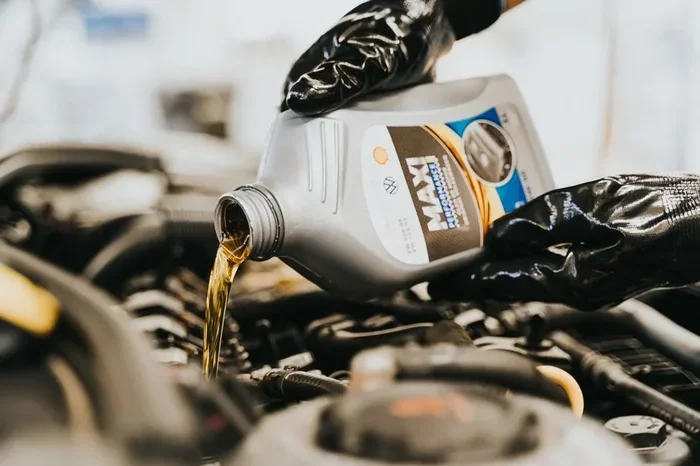
Choosing the right Halfords oil keeps your engine running smoothly and protects your car for years. This guide covers oil types, viscosity grades, and practical tips to help you make the best choice. Whether you drive a small city car or a family SUV, you will find the right Halfords oil for your needs.
Every car owner knows that engine oil is the lifeblood of a vehicle. Without it, metal parts grind together, heat builds up, and engines fail fast. But with so many Halfords oil options on the shelf, picking the right one can feel confusing. This guide breaks it all down in simple terms. You will learn about oil types, viscosity grades, and how to match the right Halfords oil to your specific car. By the end, you will feel confident walking into any Halfords store or browsing online with a clear plan.
Car maintenance does not have to be complicated. In fact, understanding your engine oil is one of the simplest things you can do for your vehicle. The right Halfords oil improves fuel efficiency, reduces engine wear, and keeps your car running smoothly for miles. Let us dive into everything you need to know about choosing the perfect engine oil.
Key Takeaways
- Know Your Oil Type: Mineral, semi-synthetic, and full synthetic oils each offer different levels of engine protection and performance.
- Viscosity Matters: Understanding oil grades like 5W-30 or 10W-40 helps you match the right oil to your driving conditions.
- Halfords Oil Range Is Extensive: Halfords stocks oils from trusted brands like Castrol, Mobil, and Shell for all car types.
- Check Your Car Manual: Always refer to your vehicle handbook for the correct oil specification and capacity.
- Regular Oil Changes Save Money: Staying on top of oil changes prevents costly engine repairs down the road.
- DIY Oil Changes Are Easy: With the right Halfords oil and basic tools, you can change your oil at home in under an hour.
📑 Table of Contents
- What Is Halfords Oil And Why Does It Matter
- Understanding Engine Oil Types
- How To Read Oil Grades And Viscosity
- Halfords Oil Range: What They Offer
- How To Choose The Right Halfords Oil For Your Car
- Tips For Changing Your Engine Oil At Home
- Common Mistakes To Avoid When Choosing Engine Oil
- Expert Insights On Halfords Oil Selection
- Key Takeaways
- Conclusion
What Is Halfords Oil And Why Does It Matter
Halfords oil refers to the range of engine oils sold through Halfords, the UK’s leading motoring and home improvement retailer. They carry oils for petrol cars, diesel engines, and even hybrid vehicles. The selection includes products from well-known brands like Castrol, Mobil 1, Shell Helix, and Halfords own-label options.
Engine oil does three important jobs. First, it lubricates moving parts inside the engine. Second, it carries heat away from hot components. Third, it traps dirt and metal particles, keeping your engine clean. Using the wrong oil can lead to poor performance, higher fuel consumption, and even serious engine damage over time.
This is why choosing the right Halfords oil matters so much. The correct oil keeps your engine protected in all weather conditions. It also helps your car pass its MOT with flying colours. Whether you drive a tiny hatchback or a large 4×4, there is a Halfords oil that fits your needs.
Why Halfords Is A Trusted Source For Engine Oil
Halfords has been serving UK drivers for over a century. Their stores offer expert advice from knowledgeable staff. You can also shop online and have your Halfords oil delivered straight to your door. The retailer stocks oils for all budgets, from affordable mineral oils to premium full synthetic options.
Another great thing about buying Halfords oil is the availability of oil filters and change kits. Many Halfords stores have a fitting service too. This means you can buy your oil, get it fitted, and drive away in under an hour. It is incredibly convenient for busy car owners.
Understanding Engine Oil Types
Not all engine oils are the same. They differ in how they are made, how they perform, and how much they cost. Understanding the three main types helps you make a smart choice when buying Halfords oil.
Mineral Oil
Mineral oil is the most basic type of engine oil. It is refined directly from crude oil and offers standard engine protection. This type of Halfords oil is best for older cars with simpler engines. It is also the most affordable option, making it popular for high-mileage vehicles.
Mineral oil works well for cars that do short trips at low speeds. However, it breaks down faster than synthetic oils. You may need to change mineral oil more often, usually every 3,000 to 5,000 miles. This can add up over time, even though the upfront cost is lower.
Semi-Synthetic Oil
Semi-synthetic oil blends mineral oil with synthetic additives. The result is better protection and performance than pure mineral oil. Many Halfords oil products in this category offer improved viscosity stability. This means the oil flows well in both cold starts and hot driving conditions.
Semi-synthetic oil is a great middle ground. It costs more than mineral oil but less than full synthetic. It also lasts longer between changes, typically up to 6,000 miles. This type of car oil suits most modern vehicles perfectly.
Full Synthetic Oil
Full synthetic oil is the most advanced type available. It is engineered in a lab to provide the highest level of engine protection. Halfords stocks premium synthetic oils from brands like Mobil 1 and Castrol Edge. These oils resist thermal breakdown, reduce friction, and extend engine life.
Full synthetic Halfords oil is ideal for high-performance cars and turbocharged engines. It also excels in extreme temperatures, both hot and cold. While it costs more upfront, the longer drain intervals and superior protection make it a smart investment for many drivers.
| Oil Type | Best For | Cost | Change Interval |
|---|---|---|---|
| Mineral | Older cars, low-mileage vehicles | Low | 3,000-5,000 miles |
| Semi-Synthetic | Modern cars, daily driving | Medium | 5,000-7,000 miles |
| Full Synthetic | Performance cars, extreme conditions | High | 7,000-10,000 miles |
How To Read Oil Grades And Viscosity
Every bottle of Halfords oil displays a viscosity grade on the label. You will see numbers like 5W-30 or 10W-40. These numbers tell you how the oil flows at different temperatures. Understanding them helps you pick the right product for your engine.
What The Numbers Mean
The first number, followed by the letter W, refers to the oil’s viscosity in cold weather. The W stands for winter. A lower number means the oil flows more easily when it is cold. For example, 5W-30 flows better in winter than 10W-40. This is important for cold starts, which cause the most engine wear.
The second number tells you the oil’s viscosity at normal operating temperature. A higher number means thicker oil at high temperatures. Thicker oil provides a stronger protective film between engine parts. Your car manual will tell you which grade is best for your engine.
Common Halfords Oil Viscosity Grades
Here are the most common viscosity grades you will find on Halfords oil shelves:
- 5W-30: A popular choice for modern petrol and diesel cars. It flows well in cold weather and provides solid protection at high temperatures.
- 5W-40: Often used in European cars and high-performance engines. It offers excellent protection in both cold and hot conditions.
- 10W-40: A versatile grade suitable for older engines and warmer climates. It is a common choice for classic cars.
- 0W-20: A low-viscosity oil designed for fuel-efficient engines. Many modern Toyota and Honda models recommend this grade.
- 15W-40: Typically used in diesel trucks and older engines that need a thicker oil film.
Always double-check your owner’s manual before buying Halfords oil. Using the wrong viscosity can reduce engine efficiency and cause unnecessary wear.
Halfords Oil Range: What They Offer
Halfords carries a wide selection of engine oils to suit every car and budget. Let us take a closer look at what is available.
Halfords Own-Label Oils
Halfords sells its own brand of engine oil at very competitive prices. These oils meet industry standards and are suitable for most everyday cars. They are a great option for drivers who want quality without the premium price tag.
The Halfords own-label range includes both mineral and semi-synthetic options. They come in various viscosity grades to match different engines. These oils are perfect for routine oil changes on family cars and daily drivers.
Premium Brand Oils At Halfords
For drivers who want top-tier performance, Halfords stocks oils from leading brands. Castrol Edge is a popular full synthetic choice known for its extreme pressure protection. Mobil 1 is another favourite, especially among car enthusiasts who track their vehicles.
Shell Helix oils are also widely available at Halfords. These oils use Shell’s PurePlus technology to deliver cleaner engine performance. They are particularly good at preventing sludge build-up, which can clog oil passages over time.
Specialty Oils For Specific Needs
Halfords also offers specialty oils for specific situations. High-mileage oils contain extra additives to seal minor leaks and reduce oil consumption. They are ideal for cars with over 75,000 miles on the clock. There are also diesel-specific oils formulated to handle the higher soot levels in diesel engines.
If you drive an electric or hybrid car, Halfords has options too. While electric vehicles do not use traditional engine oil, they do need transmission fluid and other lubricants. Halfords staff can help you find the right products for these vehicles.
How To Choose The Right Halfords Oil For Your Car
Now that you understand oil types and viscosity grades, let us talk about how to make the right choice. Follow these steps to find the perfect Halfords oil for your car.
Step 1: Check Your Car Manual
Your car’s owner manual is the best starting point. It tells you the exact oil specification your engine needs. Look for the oil viscosity grade and any special approvals or standards. Common specifications include ACEA A3/B4, API SN, and VW 502.00/505.00.
Step 2: Consider Your Driving Conditions
Think about how and where you drive. If you face harsh winters, a low-viscosity oil like 5W-30 will flow better during cold starts. If you drive in hot climates or tow heavy loads, a higher-viscosity oil like 10W-40 provides better protection at high temperatures.
City driving with lots of stop-and-go traffic puts more stress on your engine. Synthetic oils handle this stress better than mineral oils. They also last longer, which means fewer oil changes over time.
Step 3: Match The Oil To Your Budget
Halfords oil products cover a wide price range. You do not need to buy the most expensive option to protect your engine. A good quality semi-synthetic oil from Halfords will serve most cars very well. Save the premium full synthetic options for performance vehicles or challenging driving conditions.
Step 4: Do Not Forget The Oil Filter
When you change your oil, always replace the oil filter too. The filter removes dirt and debris from the oil. A clogged filter reduces oil flow and compromises engine protection. Halfords sells oil filters that match most car models. Buy them together with your Halfords oil for a complete change kit.
Quick Tip: Some Halfords stores offer a oil and filter change kit with everything you need. These kits include the correct oil quantity, a new filter, and a drain plug washer. They are a great value and make the job much easier.
Step 5: Check Your Oil Levels Regularly
Even with the best Halfords oil, your engine needs the right oil level to work properly. Get into the habit of checking your oil once a month. Park on level ground, wait for the engine to cool, and pull out the dipstick. Wipe it clean, reinsert it, then pull it out again to check the level.
If your oil level is low, top it up with the same type of oil you already use. Mixing different oil types can reduce performance. If you are unsure, ask a Halfords team member for advice. They are always happy to help.
Tips For Changing Your Engine Oil At Home
Changing your engine oil at home is easier than most people think. With the right Halfords oil and a few basic tools, you can save money and learn a valuable skill. Here are some practical tips to get you started.
Gather Your Tools And Materials
Before you begin, make sure you have everything you need. You will need the correct Halfords oil, a new oil filter, a socket wrench, an oil drain pan, and a funnel. Jack stands or ramps are essential for safety. Always work on a level surface and never get under a car supported only by a jack.
Follow These Steps For A Safe Oil Change
- Warm up the engine for a few minutes. This helps the oil drain more freely.
- Lift the car safely using jack stands or ramps.
- Place the drain pan under the oil drain plug.
- Remove the drain plug and let the old oil flow out completely.
- Replace the drain plug washer and tighten the plug securely.
- Remove the old oil filter using an oil filter wrench.
- Apply a thin layer of new oil to the new filter’s rubber gasket.
- Install the new oil filter by hand, tightening it snugly.
- Pour in the new Halfords oil through the engine’s oil filler cap.
- Check the oil level with the dipstick and top up if needed.
- Start the engine and let it run for a few minutes.
- Check for leaks around the drain plug and oil filter.
- Turn off the engine and wait a few minutes for the oil to settle.
- Check the oil level again and top up if necessary.
Dispose Of Old Oil Responsibly
Never pour old oil down the drain or into the bin. Used Halfords oil contains harmful chemicals that can damage the environment. Take your old oil to a Halfords store or a local recycling centre. Most Halfords stores accept used oil for free recycling. It is the responsible thing to do for the planet.
Common Mistake: Many people forget to record the date and mileage of their oil change. Keep a log in your glovebox or phone. This helps you track when the next oil change is due and keeps your maintenance schedule on track.
Common Mistakes To Avoid When Choosing Engine Oil
Even experienced car owners sometimes make mistakes when selecting engine oil. Here are the most common errors to avoid.
- Guessing The Oil Grade: Never assume which oil your car needs. Always check the manual or consult a Halfords expert.
- Mixing Oil Brands: Different brands use different additive packages. Stick to one brand and type for best results.
- Overfilling The Oil: Too much oil can cause foaming and reduced lubrication. Always add oil gradually and check the level.
- Ignoring The Oil Filter: A new oil filter is just as important as the oil itself. Skipping it reduces the life of your new oil.
- Using The Wrong Specification: Some engines require specific oil certifications. Using the wrong spec can void your warranty.
- Delaying Oil Changes: Even the best Halfords oil degrades over time. Stick to the recommended change intervals for optimal protection.
Expert Insights On Halfords Oil Selection
We spoke with experienced motoring professionals about the best ways to choose Halfords oil. Their advice reinforces what we have covered in this guide.
Check your owner’s manual first. This is the single most important step. The manual tells you everything your engine needs. Do not rely on general advice from friends or online forums alone.
Do not be fooled by price alone. The cheapest Halfords oil is not always the worst, and the most expensive is not always the best. Focus on the correct specification and viscosity for your engine. A mid-range semi-synthetic oil often provides excellent value.
Consider your driving habits. If you drive short trips in cold weather, you need an oil that flows quickly at low temperatures. If you do long motorway journeys, your oil needs to handle sustained high temperatures. Halfords has oils designed for both scenarios.
Keep records of every oil change. This simple habit helps you maintain your car properly and boosts resale value. A well-documented service history gives buyers confidence and can increase your car’s value.
Key Takeaways
- Know Your Oil Type: Mineral, semi-synthetic, and full synthetic oils each offer different levels of engine protection and performance.
- Viscosity Matters: Understanding oil grades like 5W-30 or 10W-40 helps you match the right oil to your driving conditions.
- Halfords Oil Range Is Extensive: Halfords stocks oils from trusted brands like Castrol, Mobil, and Shell for all car types.
- Check Your Car Manual: Always refer to your vehicle handbook for the correct oil specification and capacity.
- Regular Oil Changes Save Money: Staying on top of oil changes prevents costly engine repairs down the road.
- DIY Oil Changes Are Easy: With the right Halfords oil and basic tools, you can change your oil at home in under an hour.
Conclusion
Choosing the right Halfords oil does not have to be complicated. Start by checking your car manual for the correct oil type and viscosity grade. Then consider your driving habits and budget. Halfords offers a fantastic range of engine oils to suit every need, from affordable mineral options to premium full synthetic products.
Remember that regular oil changes are one of the simplest and most effective ways to protect your engine. Whether you do it yourself or get it done at a Halfords fitting centre, using the right Halfords oil makes all the difference. Your engine will thank you with smoother performance, better fuel economy, and a longer lifespan.
Take the time to get it right. Your car deserves the best Halfords oil you can find. Next time you need engine oil, you will know exactly what to look for and why it matters.
Frequently Asked Questions
What is the best Halfords oil for a diesel car?
Most diesel cars benefit from a semi-synthetic or full synthetic Halfords oil with a high-temperature viscosity grade like 5W-40 or 10W-40. Always check your vehicle handbook for the exact specification recommended by the manufacturer. Halfords staff can also help you find the right diesel-specific oil.
How often should I change my Halfords oil?
Oil change intervals depend on your car, the type of oil used, and your driving conditions. As a general rule, mineral oil should be changed every 3,000 to 5,000 miles, semi-synthetic every 5,000 to 7,000 miles, and full synthetic every 7,000 to 10,000 miles. Check your car manual for the manufacturer’s recommended interval.
Can I use Halfords oil in any car?
Halfords stocks oils for a wide range of vehicles, from older classics to modern hybrids. However, you must match the oil to your specific engine by checking the correct viscosity grade and specification. Using the wrong oil can cause engine damage, so always verify before purchasing.
Is Halfords own-label oil any good?
Yes, Halfords own-label oils meet industry standards and provide reliable engine protection for most everyday cars. They are an excellent budget-friendly option. If your car has specific performance requirements, you may prefer a premium branded oil from the same Halfords range.
How do I know if my engine oil needs changing?
Check your oil level and colour using the dipstick. Fresh oil is amber and translucent. Dark, gritty oil indicates it is time for a change. Other signs include reduced fuel efficiency, unusual engine noises, and the oil change warning light on your dashboard.
Where can I buy Halfords oil?
You can buy Halfords oil directly from any Halfords store, online at halfords.co.uk, or through their click-and-collect service. Many Halfords locations also offer a professional oil fitting service. This makes it easy to get the right oil and have it fitted in one visit.