Read More About Sell My Car for Parts No Title Check
Selling your car for parts without a title check is a practical option when your vehicle is no longer running or worth repairing. You can still get cash for your junk car by working with reputable buyers, dismantling it yourself, or selling parts individually. This guide walks you through every step, from understanding the legal side to maximizing your profit.
Key Takeaways
- No title doesn’t mean no sale: Many buyers and junkyards will still purchase your car for parts even without a title.
- Know your state laws: Every state has different rules about selling a vehicle without a title. Research before you start.
- Dismantle for higher profit: Selling parts individually often earns more than selling the whole car as scrap.
- Get multiple quotes: Don’t settle for the first offer. Compare prices from different buyers and online platforms.
- Document everything: Keep records of the sale to protect yourself legally and avoid future liability.
- Safety first: Handle car fluids and hazardous materials properly when dismantling your vehicle.
📑 Table of Contents
- What Does “Sell My Car for Parts No Title Check” Mean?
- Why People Choose to Sell Cars for Parts
- How to Sell Your Car for Parts Without a Title
- Legal Considerations When Selling Car Parts Without a Title
- Tips for Getting the Best Price When Selling Car Parts
- Common Mistakes to Avoid When Selling a Car for Parts
- Frequently Asked Questions
What Does “Sell My Car for Parts No Title Check” Mean?
When you hear the phrase sell my car for parts no title check, it means you are selling your vehicle for its individual components without requiring a formal title verification process. This is common with older cars, totaled vehicles, or cars that have been sitting in a driveway for years.
Most people think they need a clean title to sell their car. That is not always true. Many junkyards, salvage yards, and online buyers will accept a vehicle without a title. They just want the parts or the scrap metal.
The process is simpler than most people expect. You remove the parts you can sell, contact buyers, and arrange for pickup or delivery. It saves you from costly repairs and gets rid of an eyesore in your yard.
If you have ever sat at your desk lamp for reading late at night researching how to get rid of an old car, you are not alone. Thousands of people face this situation every year. The good news is that there are real options available to you.
Why People Choose to Sell Cars for Parts
There are many reasons why someone would choose to sell their car for parts instead of fixing it or trading it in. Let us look at the most common ones.
The Car Is Beyond Repair
Sometimes the repair costs exceed the value of the car. When a engine blows, the transmission fails, or the body is rusted through, it makes no financial sense to keep it. Selling it for parts lets you recover some value from a total loss.
The Title Is Lost or Missing
Losing a car title happens more often than you think. Maybe you moved and lost paperwork. Maybe the previous owner never transferred it. Whatever the reason, a missing title does not have to stop you from selling the car.
You Want Quick Cash
Selling a car for parts can be faster than a traditional sale. You skip the waiting game of finding a private buyer. Junkyards and parts buyers often make offers within days.
You Have a Non-Running Vehicle Taking Up Space
An old car sitting in your driveway or garage is just taking up room. It can hurt your curb appeal and even lower your property value. Getting rid of it frees up space and removes a nuisance.
Even if your workspace looks more like a plants for work desk setup than a garage, you can still handle this process from home with some research and planning.
How to Sell Your Car for Parts Without a Title
The process of selling a car for parts without a title is straightforward once you know the steps. Here is a clear roadmap to follow.
Step 1: Assess Your Vehicle
Start by looking at your car honestly. What parts are still valuable? What is completely worn out? Make a list of the parts you think you can sell. Common valuable parts include:
- Engine and transmission – These are the most valuable components
- Alternator and starter motor – Often still functional even in old cars
- Catalytic converter – Contains precious metals and sells for good money
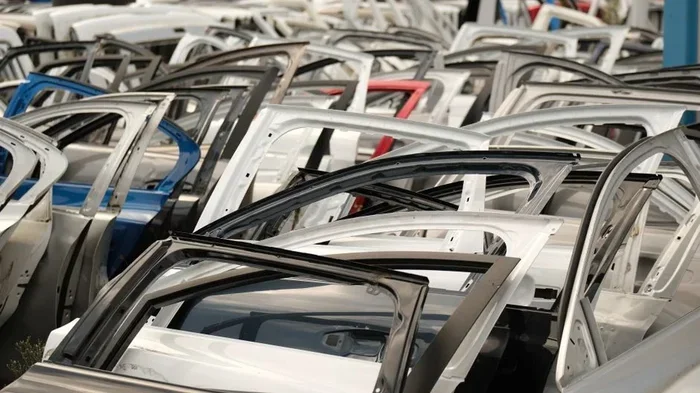
- Body panels and doors – Useful for repair projects
- Wheels and tires – Especially if they are in decent condition
- Battery and electronics – GPS units, radios, and sensors
Step 2: Research Local and Online Buyers
Look for junkyards, salvage yards, and online parts buyers in your area. Many will come to you for free towing. Some online platforms let you list parts individually for higher profits.
Compare at least three quotes before you commit. This is the same advice you would follow when choosing a desk lamp for home office setup – you want the best value for your money.
Step 3: Remove Valuable Parts Yourself
If you have basic mechanical skills, removing parts yourself can boost your profit significantly. You do not need to be a professional mechanic. Many parts are easy to swap out with basic tools.
Start with the fluids. Drain the oil, coolant, and transmission fluid. Then move on to the parts list you made. Take photos of everything for your records.
Step 4: Handle the Remaining Shell
Once you have removed the sellable parts, you can sell the remaining shell to a scrap yard. They will pay you by the ton for the scrap metal. It is not a lot of money, but every bit helps.
Step 5: Complete the Sale and Get Documentation
Always get a written receipt or bill of sale. Include the date, buyer information, vehicle details, and the agreed price. This protects you from future liability. Even without a title, documentation matters.
Legal Considerations When Selling Car Parts Without a Title
Selling car parts without a title comes with legal considerations you need to understand. Ignorance of the law is not an excuse, so take the time to learn the rules in your state.
Liability Protection
When you sell a car for parts, you want to make sure you are not held responsible for anything that happens to the vehicle after the sale. A signed bill of sale that states the vehicle is sold “as-is” and “for parts only” helps protect you.
State-Specific Rules
Every state handles title-less vehicle sales differently. Some states require a notarized bill of sale. Others have specific forms you must fill out. A few states may not allow the sale at all without a title. Check with your local DMV before proceeding.
Environmental Regulations
Car fluids and hazardous materials are regulated by environmental laws. You cannot just dump them in your backyard. Proper disposal of oil, coolant, and fuel is required. Many junkyards handle this for you when they take the remaining shell.
Think of it like setting up your workspace properly. Just as you would choose the right desk lamp for office to avoid eye strain, you need to follow the right legal steps to avoid future problems.
Tips for Getting the Best Price When Selling Car Parts
Everyone wants to get the most money possible when selling their car for parts. Here are some proven strategies that actually work.
Sell Parts Individually
Selling the whole car to a junkyard might get you $200 to $500. But selling parts individually on platforms like eBay, Facebook Marketplace, or Craigslist can earn you several times that amount. A single catalytic converter alone can fetch $100 or more.
Know What Your Parts Are Worth
Do your homework. Use online pricing guides and check what similar parts are selling for. Knowledge is power when negotiating with buyers.
Clean and Photograph Your Parts
Clean parts sell faster and for more money. Take clear photos from multiple angles. Write accurate descriptions. Buyers trust sellers who are transparent and detailed.
Be Patient for the Right Buyer
Do not rush into the first deal that comes along. Wait for a buyer who offers a fair price. Patience pays off when selling used car parts individually.
Consider Selling to a Rebuild Shop
Rebuild shops and restoration enthusiasts are often willing to pay premium prices for quality parts. They need specific components for projects, and they know the value of what they are buying.
Common Mistakes to Avoid When Selling a Car for Parts
Avoiding mistakes can save you time, money, and headaches. Here are the most common errors people make.
- Skipping the bill of sale: This is the number one mistake. Always document the transaction in writing.
- Ignoring state regulations: Selling without following local laws can result in fines or legal trouble.
- Dumping fluids improperly: This is illegal and harmful to the environment. Always dispose of fluids properly.
- Selling to the first buyer you find: Shop around. Better offers are almost always out there.
- Underestimating part values: That old alternator might be worth more than you think. Do not sell parts too cheaply.
- Forgetting to cancel your insurance: Once the car is sold, cancel your insurance policy to avoid paying for coverage on a vehicle you no longer own.
Selling your car for parts with no title check is a viable path to getting cash from an old vehicle. It takes a little effort, but the rewards are worth it. You clear up space, recover some value, and help keep usable parts in circulation.
The key is to approach the process with knowledge and care. Understand the legal requirements in your area. Take time to assess what parts are worth selling. Compare offers from multiple buyers. And always protect yourself with proper documentation.
Whether your car is old, damaged, or simply no longer running, it still has value. Parts from one vehicle can bring another vehicle back to life. That is the beauty of the car parts market.
So go ahead. Start with that vehicle assessment. Make your list of parts. Reach out to a few buyers. You might be surprised at how much money you can recover from a car you thought was worthless.
Frequently Asked Questions
Can I sell my car for parts if I do not have the title?
Yes, you can. Many junkyards and parts buyers accept vehicles without titles. You may need to provide a bill of sale and a valid ID. Some states also require you to apply for a bonded title before the sale. Check your local DMV for specific requirements.
How much can I get for selling my car for parts?
The amount varies widely depending on the make, model, year, and condition of the vehicle. A whole car sold to a junkyard might bring $200 to $500. But selling parts individually can earn you $500 to $2,000 or more, especially if the car has valuable components like a working engine or a catalytic converter.
Is it legal to sell car parts without a title?
In most states, it is legal to sell car parts without a title as long as you follow the proper procedures. You typically need a bill of sale and must comply with state regulations. Always check your local laws to make sure you are acting within the legal framework.
What parts from a car are worth the most money?
The most valuable parts include the catalytic converter, engine, transmission, alternator, starter motor, and body panels. The catalytic converter is often the single most valuable part because it contains precious metals like platinum and palladium.
How do I find buyers for car parts near me?
Start by searching online for junkyards and salvage yards in your area. You can also list parts on Facebook Marketplace, eBay, Craigslist, or specialized auto parts forums. Many yards offer free towing and will come directly to your location.
What should I do with the remaining car shell after removing parts?
The remaining shell can be sold to a scrap yard for the metal weight. Most scrap yards pay by the ton. Alternatively, some junkyards will take the entire vehicle, parts and shell, in one transaction for a lump sum offer.