Best Ways to Clean Leather Car Seats and Keep Them New
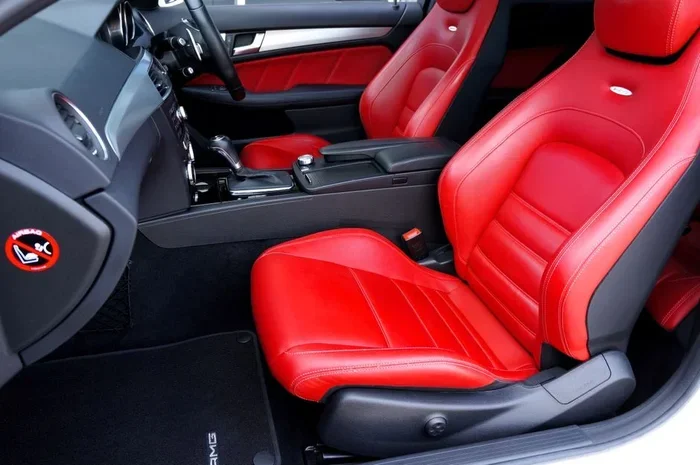
Learning how to clean leather car seats properly is the key to keeping your interior looking premium for years. This guide covers everything from basic wiping to deep clean leather techniques that remove stains and restore shine. Follow our simple steps and your leather car seats will stay soft, protected, and brand new.
Your leather car seats are one of the first things people notice when they get inside your vehicle. Over time, dirt, spills, and UV rays can dull the finish and cause cracking. But here is the good news. Cleaning leather car seats does not have to be hard or expensive.
In this guide, we will walk you through the best ways to clean leather car seats and keep them looking brand new. Whether you have a sleek black leather interior or a warm tan finish, these leather care tips will help you maintain your seats for years to come. We will cover everything from basic cleaning to deep conditioning and stain removal.
Think of your leather seats like skin. They need regular cleaning, moisture, and protection to stay healthy. Skip the maintenance, and they dry out, crack, and lose their beauty. But with a simple routine, your leather upholstery will look great mile after mile. Let us get into it.
Key Takeaways
- Regular cleaning prevents damage: Wipe your seats weekly to avoid dirt buildup and extend leather seat longevity.
- Use the right products: A quality leather cleaner and conditioner are essential for maintaining soft, supple leather.
- Avoid harsh chemicals: Household cleaners can dry out and crack your leather upholstery over time.
- Condition after every wash: Conditioning restores moisture and creates a protective barrier against stains.
- Act fast on stains: The quicker you treat a spill, the easier it is to achieve complete leather stain removal.
- Protect your investment: Using a leather protection spray adds an extra layer of defense against wear.
📑 Table of Contents
Why Cleaning Leather Car Seats Matters
Many car owners forget about their leather seats until they look worn out. But regular car seat cleaning does more than just make your interior look good. It actually protects the material and extends its life.
Here is why you should make leather seat maintenance a habit:
- Prevents cracking and drying: Dirt and dust slowly strip away natural oils in the leather. Without moisture, the material becomes brittle and cracks.
- Removes harmful bacteria: Car seats collect sweat, food crumbs, and germs. Regular cleaning keeps your interior hygienic.
- Preserves resale value: A well-maintained interior adds value when it is time to sell or trade in your car.
- Keeps the look premium: Clean leather seats give your car a fresh, upscale feel every time you drive.
- Saves money long term: Preventing damage now means avoiding costly leather seat repair later.
The good news is that you do not need fancy equipment. A few simple supplies and a little time each month go a long way. Let us look at what you need to get started.
What You Need to Clean Leather Car Seats
Before you start, gather your supplies. Having everything ready makes the process faster and smoother. You do not need a lot of products either. Keep it simple and effective.
Essential Cleaning Supplies
- Leather cleaner: A pH-balanced leather cleaner is the best choice. It lifts dirt without stripping the natural oils.
- Microfiber cloths: These are gentle on leather and do not leave scratches. Use at least two cloths, one for cleaning and one for buffing.
- Soft-bristle brush: A small brush helps you get into seams and crevices where dirt hides.
- Leather conditioner: After cleaning, conditioner restores moisture and keeps the leather soft.
- Leather protection spray: This creates a shield against spills and UV damage.
- Distilled water: Tap water can leave mineral spots on leather. Distilled water is safer and cleaner.
Quick Cleaning Kit for the Car
Keep a small kit in your glove box for quick clean-ups. Toss in a few best wet wipes for spills on the go, a mini microfiber cloth, and a travel-sized leather cleaner. This way, you can handle messes right away before they set in. Also, consider packing a small bottle of best mens wipes since they are extra gentle and work well on delicate leather surfaces.
What to Avoid
Not all cleaning products are safe for leather. Stay away from these common mistakes:
- Household all-purpose cleaners: They contain harsh chemicals that dry out leather.
- Bleach or ammonia: These will discolor and damage your leather upholstery.
- Alcohol-based wipes: They strip away the natural oils and cause cracking.
- Abrasive sponges: Rough materials can scratch the leather surface.
Step-by-Step Guide to Clean Leather Car Seats
Now that you have your supplies, let us walk through the process. Follow these steps for a thorough and safe clean every time.
Step 1: Vacuum the Seats
Start by removing loose dirt and crumbs. Use a handheld vacuum or the crevice tool on your regular vacuum. Pay extra attention to seams, folds, and between seat cushions. This prevents grit from scratching the leather during the cleaning process.
Step 2: Test Your Cleaner
Before you spray anything on your seats, test the cleaner in a hidden spot. Wait a few minutes and check for any discoloration or damage. This simple step saves you from big problems later.
Step 3: Apply the Leather Cleaner
Spray a small amount of leather cleaner onto a microfiber cloth. Do not spray directly on the seats. Gently wipe the entire surface in circular motions. Work on one section at a time. Use your soft-bristle brush for stubborn dirt in the seams.
Step 4: Wipe Off the Residue
Take a clean, damp microfiber cloth and wipe away the cleaner and loosened dirt. Go over each section until no residue remains. Then use a dry cloth to buff the seats gently. This removes excess moisture and brings out a natural leather seat shine.
Step 5: Condition the Leather
Conditioning is the step most people skip, but it is the most important. Apply a thin layer of leather conditioner with a clean cloth. Work it in using gentle circular motions. Let it absorb for 10 to 15 minutes, then buff off any excess. Conditioning restores moisture and keeps the leather supple and strong.
Step 6: Apply Protection Spray
Once the conditioner has dried, spray a light coat of leather protection spray over the seats. This creates a barrier against water, stains, and UV rays. Hold the bottle about six inches from the surface and spray evenly. Let it dry naturally.
Following these steps once a month will keep your leather car seats looking fantastic. But what about those tough stains? Let us handle that next.
How to Remove Common Stains from Leather Seats
Stains happen. Coffee spills, food drips, and muddy shoes are all part of life. The good news is that most stains come out if you act fast. Here are the best ways to clean leather car seats when stains strike.
Water-Based Stains (Coffee, Juice, Soda)
Blot the spill immediately with a clean cloth. Do not rub, as this pushes the liquid deeper into the leather. Mix a few drops of leather cleaner with distilled water and gently dab the stain. Wipe clean with a damp cloth and dry thoroughly.
Oil and Grease Stains
Sprinkle a small amount of cornstarch or baking soda on the stain. Let it sit for 15 minutes to absorb the oil. Brush it off gently, then clean the area with a leather cleaner. Repeat if needed.
Ink Stains
Dampen a microfiber cloth with a small amount of rubbing alcohol (test first in a hidden spot). Gently dab the ink stain. Do not rub hard. Wipe clean and condition the area afterward.
Mold and Mildew
Mix equal parts water and white vinegar. Dampen a cloth with the solution and gently wipe the affected area. Dry thoroughly with a clean cloth. If the smell persists, use a leather-specific mold remover and condition the seat once it is dry.
General Stain Removal Comparison
| Stain Type | Best Method | Difficulty Level |
|---|---|---|
| Water-based spills | Leather cleaner and damp cloth | Easy |
| Oil and grease | Cornstarch absorption method | Easy to Medium |
| Ink | Rubbing alcohol dab | Medium |
| Mold and mildew | Vinegar and water solution | Medium |
| Blood | Cold water and mild soap | Easy |
The key to successful leather stain removal is speed. The longer a stain sits, the harder it becomes to remove. Always blot, never rub, and always condition after treating a stain.
How to Protect and Maintain Leather Car Seats
Cleaning is only half the battle. Protecting your seats from daily wear is what keeps them looking new for the long haul. Here are some proven leather care tips that make a real difference.
Use Seat Covers When Parking
If you park outside often, consider using seat covers. They shield your leather from direct sunlight, rain, and bird droppings. UV rays are one of the biggest enemies of leather. They fade the color and dry out the material over time.
Condition Regularly
Conditioning should be part of your monthly routine. It replenishes the oils that keep leather soft and flexible. Without conditioning, the leather loses its natural moisture and starts to crack. Apply conditioner after every deep cleaning session and every three to four months for regular maintenance.
Keep Sharp Objects Away
Keys, pet nails, and sharp accessories can scratch leather easily. Be mindful of what comes in contact with your seats. If you have pets, consider using a protective blanket on the seats.
Wipe Down After Eating in the Car
Crumbs and food residue attract dirt and can stain leather over time. Get into the habit of wiping down your seats after every meal in the car. Keep a small cleaning kit nearby for convenience.
Store Your Car in a Garage When Possible
Temperature changes and humidity can damage leather over time. Parking in a garage keeps your car interior at a more stable temperature and protects against moisture buildup that can lead to mold.
Expert Insight: The Leather Seat Longevity Secret
According to leather care experts, the single most important habit is consistency. A little effort every week beats a deep clean once a year. Think of it like brushing your teeth. Daily care prevents big problems down the road. When you take care of your leather car seats regularly, they reward you with years of comfort and beauty.
Common Mistakes to Avoid When Cleaning Leather Seats
Even with the best intentions, some cleaning habits can actually harm your leather. Here are the mistakes to watch out for:
- Using too much water: Excess moisture can seep into the leather and cause mildew. Always use a damp cloth, not a soaking wet one.
- Skipping the conditioner: Cleaning without conditioning leaves the leather dry and vulnerable to cracks.
- Using household cleaners: Dish soap, all-purpose sprays, and window cleaners are too harsh for leather.
- Scrubbing too hard: Aggressive scrubbing can damage the leather surface and spread stains instead of removing them.
- Ignoring small stains: Small spots grow into bigger problems if left untreated. Deal with spills immediately.
- Not drying seats after cleaning: Moisture left on the leather can lead to water spots and mold growth.
Avoiding these mistakes ensures your clean leather seats stay in great shape. When in doubt, less is more. Gentle and consistent care always wins over aggressive cleaning.
Conclusion
Cleaning leather car seats does not have to be a chore. With the right supplies, a simple routine, and a little consistency, you can keep your seats looking new for years. Remember to vacuum regularly, use a quality leather cleaner, condition after every wash, and protect your seats from the elements.
Treat your leather seats with the same care you would give your skin. They need moisture, protection, and gentle handling. Follow the best ways to clean leather car seats outlined in this guide, and your leather upholstery will stay soft, shiny, and durable.
Start today. Grab your microfiber cloth, apply a gentle cleaner, and feel the difference. Your car interior will thank you every time you get behind the wheel. Happy cleaning.
Frequently Asked Questions
How often should I clean my leather car seats?
You should deep clean your leather car seats once a month and do a quick wipe-down every week. Regular cleaning prevents dirt buildup and keeps your leather seats looking their best. The more often you clean, the less work each session takes.
Can I use household cleaners on leather car seats?
No, household cleaners are too harsh for leather. They strip away natural oils and can cause cracking and discoloration. Always use a pH-balanced leather cleaner designed specifically for automotive leather upholstery.
What is the best leather conditioner for car seats?
Look for a conditioner that is pH-balanced and water-based. Avoid conditioners with petroleum or silicone, as they can clog the leather pores. Apply conditioner after every deep cleaning session for the best results.
How do I prevent my leather car seats from cracking?
Condition your seats regularly, keep them out of direct sunlight when possible, and avoid using harsh cleaning products. Moisture is the key to preventing cracks. A good conditioning routine keeps the leather flexible and strong.
Can I use a steam cleaner on leather car seats?
It is best to avoid steam cleaners on leather. The high heat and excess moisture can damage the leather and cause mildew. Stick to gentle cleaning with a damp microfiber cloth and a quality leather cleaner instead.
Are leather seat covers worth it for protection?
Yes, leather seat covers are a great way to protect your seats from UV damage, spills, and everyday wear. They are especially helpful if you park outside often or have pets. They add an extra layer of defense and help extend the life of your leather seats.