Car Towing Rope Tow Guide for Safe and Easy Towing
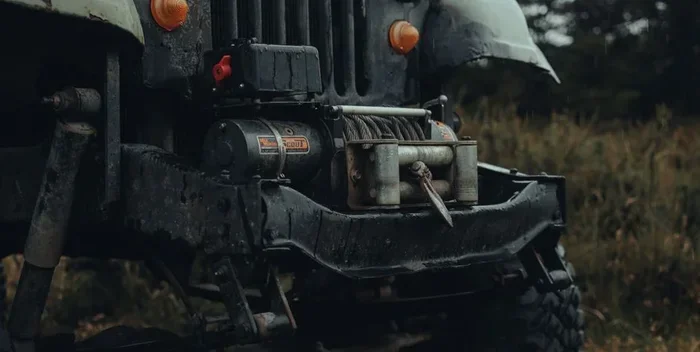
Our car towing rope tow guide covers everything you need to know about safely pulling a vehicle with a rope. You will learn how to choose the right rope, follow step-by-step towing procedures, and avoid common mistakes. Whether you are dealing with a roadside emergency or planning a recovery operation, this guide has you covered with practical, easy-to-follow advice.
Getting stranded on the road is never fun. Your car won’t start, the battery is dead, or you ended up in a ditch. In moments like these, knowing how to use a car towing rope tow can be a real lifesaver. A simple rope can pull your vehicle to safety without waiting for a tow truck.
But here is the thing. Towing with a rope is not as simple as hooking up and driving. You need the right rope, the right technique, and a solid understanding of safety rules. This guide walks you through everything step by step. By the end, you will feel confident handling a car towing rope tow safely and effectively.
We have covered topics like choosing the correct rope weight, setting up the connection properly, and avoiding mistakes that could damage your vehicles. Let us dive in and make sure you are ready for whatever the road throws at you.
Key Takeaways
- Choose the right rope: Always match your car towing rope tow to your vehicle’s weight and towing capacity.
- Safety comes first: Use proper attachments, check your rope before every tow, and keep a safe distance between vehicles.
- Follow the steps: A correct setup prevents damage to both vehicles and keeps everyone on the road safe.
- Avoid common errors: Never tow with a damaged rope, exceed weight limits, or skip safety checks.
- Know when to call for help: Some situations require professional roadside assistance instead of a DIY rope tow.
- Maintain your equipment: Regular inspection and proper storage extend the life of your towing gear.
📑 Table of Contents
- What Is a Car Towing Rope Tow?
- How to Choose the Right Towing Rope
- Step-by-Step Guide to Towing with a Rope
- Safety Tips for Car Towing Rope Tow
- Common Mistakes to Avoid During Rope Towing
- When to Call a Professional Instead of Towing with a Rope
- Maintenance Tips for Your Towing Rope
- Quick Tips for a Successful Car Towing Rope Tow
- Conclusion
What Is a Car Towing Rope Tow?
A car towing rope tow is a simple method of pulling one vehicle using another vehicle and a strong rope or strap. Unlike a tow bar or a dolly, a rope tow uses nothing more than a durable rope connected between the two vehicles. It is one of the oldest and most straightforward vehicle recovery methods.
People use rope towing in many situations. You might need a car recovery strap when your vehicle gets stuck in mud or snow. Maybe your car broke down on a quiet road and a friend is coming to help. Or perhaps you are on a trail and need to pull a vehicle out of a difficult spot. Whatever the reason, a rope tow gets the job done.
How Does a Rope Tow Work?
The idea is simple. One vehicle acts as the tow vehicle. The other vehicle is the one being pulled. A strong rope connects the two, and the tow vehicle slowly drives forward to pull the stuck or disabled car. The driver of the towed vehicle keeps the steering straight and uses the brakes lightly to control speed.
Rope towing works best for short distances. You typically do not want to tow more than a few miles using a rope. It is ideal for roadside emergencies and short recovery pulls rather than long-distance transport.
How to Choose the Right Towing Rope
Not all ropes are the same. Picking the wrong one for a car towing rope tow can lead to breakage, damage, or even injury. Here is what you need to consider.
Check the Towing Capacity
Every vehicle has a towing capacity. This is the maximum weight the vehicle can safely pull. Before you buy a rope, check your vehicle’s owner manual. You will find the towing capacity listed there. Make sure your rope can handle the weight of the vehicle you plan to tow.
For most passenger cars, a rope rated for 6,000 to 10,000 pounds works well. If you are towing a larger vehicle like a truck or SUV, you need a higher rating. Always choose a rope with a capacity well above the weight of the vehicle being towed.
Rope Material Matters
The material of your rope makes a big difference. Here are the most common options:
- Nylon ropes: Strong, stretchy, and durable. Nylon absorbs shock during towing, which reduces strain on both vehicles.
- Polyester ropes: Less stretch than nylon but still very strong. Great for general towing needs.
- Polypropylene ropes: Lightweight and affordable. Good for light-duty towing but not ideal for heavy loads.
For a reliable car towing rope tow, nylon is usually the best choice. It stretches under load, which provides a cushioning effect and reduces the risk of snapping.
Rope Length and Thickness
Your rope should be long enough to give you control but not so long that it sags dangerously. A length of 20 to 30 feet works well for most towing situations. As for thickness, go for at least 1 to 1.5 inches in diameter for standard passenger vehicles. Thicker ropes handle more weight and are less likely to snap under stress.
Step-by-Step Guide to Towing with a Rope
Now that you have the right rope, let us walk through the actual towing process. Follow these steps carefully for a safe and smooth car towing rope tow.
Step 1: Park Both Vehicles Safely
Both vehicles should be parked on flat ground. Turn off the engines and engage the parking brakes. Make sure there is enough space between the two vehicles for the rope to tauten without dragging on the ground.
Step 2: Attach the Rope Correctly
Never attach a rope directly to the bumper. Most bumpers are not designed to handle towing stress. Instead, look for a designated tow hook or recovery point on both vehicles. These are usually found under the front or rear bumper.
If your vehicle does not have a tow hook, use a tow strap with soft loops. Wrap the loop around a sturdy part of the frame, never around a plastic component or a suspension part.
Step 3: Connect the Rope
Attach one end of the rope to the tow vehicle. Then attach the other end to the vehicle being towed. Use secure knots or proper clip attachments. Make sure the connections are tight and will not slip off during the tow.
If you are using a car recovery strap, it will have loops on both ends. Simply hook each loop onto the designated attachment points.
Step 4: Clear the Area
Before starting the tow, make sure everyone is clear of the vehicles and the rope. Stand at a safe distance. This is one of the most important safety rules in any vehicle towing situation.
Step 5: Start Towing
The driver of the tow vehicle should start moving slowly. Gradually increase speed to no more than 10 to 15 miles per hour. The driver of the towed vehicle should keep the steering straight and apply gentle brake pressure to maintain tension in the rope.
Communication between the two drivers is key. Use hand signals or walkie-talkies if the vehicles are far apart. Keep the rope taut at all times. A slack rope can snap back dangerously if it suddenly tightens.
Safety Tips for Car Towing Rope Tow
Safety should always be your number one priority when performing a car towing rope tow. Here are essential tips to keep in mind.
Inspect the Rope Before Every Tow
Always check your rope for wear and tear before using it. Look for fraying, cuts, or weak spots. A damaged rope can snap under load and cause serious injury. If the rope shows any signs of damage, replace it immediately.
Use Proper Lighting and Signals
If you are towing at night or in low visibility, make sure both vehicles have their hazard lights on. The towed vehicle should also have working brake lights so the tow vehicle driver can see when it is slowing down.
Keep a Safe Distance
Never stand near the rope while towing. If a rope breaks under tension, it can whip back and cause severe harm. Stay well behind both vehicles during the entire tow operation.
Drive Smoothly
Avoid sudden acceleration, hard braking, or sharp turns. Smooth, steady driving keeps the rope tension stable and prevents damage to both vehicles. Jerky movements are the enemy of safe towing.
Know Your Rope Rating
Every rope has a working load limit printed on it. This is the maximum weight the rope can safely handle. Never exceed this rating. A rope rated for 6,000 pounds should never be asked to pull a 10,000-pound vehicle.
Common Mistakes to Avoid During Rope Towing
Even experienced drivers make mistakes when towing. Here are the most common errors and how to avoid them.
Using the Wrong Type of Rope
Not every rope is suitable for towing. A regular household rope or a clothesline will not work. It will snap under the weight of a vehicle. Always use a rope specifically designed for towing or recovery.
Towing Too Fast
Speed is the enemy of rope towing. Driving too fast creates excessive slack and then sudden tension when the rope catches. This can damage both vehicles and snap the rope. Keep your speed low and steady at all times.
Skipping the Brake Connection
The driver of the towed vehicle must keep their foot lightly on the brake pedal during the tow. This maintains tension in the rope and gives both drivers better control. Skipping this step leads to a slack rope that can snap back dangerously.
Ignoring Local Laws
Some areas have specific regulations about towing with a rope. Check your local laws before performing a tow. In some places, there are rules about rope length, lighting requirements, and speed limits while towing.
Forgetting to Disconnect Properly
Once the tow is complete, disconnect the rope carefully. Release tension slowly and make sure both vehicles are stationary before detaching. Rushing this step can lead to accidents.
When to Call a Professional Instead of Towing with a Rope
There are times when a car towing rope tow is not the best option. Knowing when to call for professional help is just as important as knowing how to tow.
Long-Distance Towing
If you need to tow your vehicle more than a few miles, a rope is not the right tool. Use a proper tow dolly, flatbed trailer, or call a professional tow truck. Long-distance rope towing puts too much stress on both vehicles and is unsafe.
Severe Vehicle Damage
If your vehicle has suffered major damage from an accident, a rope tow could make things worse. Damaged suspension, broken axles, or leaking fluids are all signs that you need professional vehicle recovery services.
Unfamiliar Terrain
Towing on steep hills, icy roads, or rough terrain requires specialized equipment. A simple rope may not provide enough control in these conditions. When the terrain is challenging, it is best to call a professional towing service.
No Proper Attachment Points
If neither vehicle has a tow hook or designated recovery point, do not attempt a rope tow. Improper attachment can damage the vehicle body and create serious safety risks. A professional tow operator will have the right equipment for every situation.
Maintenance Tips for Your Towing Rope
Taking care of your towing rope ensures it performs when you need it most. A well-maintained rope lasts longer and stays safer.
- Clean your rope after use: Dirt and grit can weaken the fibers over time. Rinse it with water and let it dry completely before storing.
- Store it properly: Keep your rope in a cool, dry place away from direct sunlight. UV rays break down rope material over time.
- Check for damage regularly: Even if you have not used the rope in months, inspect it before every use. Wear and tear can happen during storage too.
- Replace when needed: No rope lasts forever. If you notice any fraying, thinning, or weak spots, replace it immediately. A new rope costs far less than a vehicle repair.
Quick Tips for a Successful Car Towing Rope Tow
Here are some quick tips to keep in mind for your next car towing rope tow:
- Always use a rope rated for at least twice the weight of the vehicle being towed.
- Attach the rope to designated tow hooks, never to bumpers or plastic parts.
- Keep the tow speed under 15 miles per hour at all times.
- Use a bright colored marker or flag on the rope so other drivers can see it.
- Have a spotter guide you if the towed vehicle does not have working steering.
- Keep a fire extinguisher nearby in case of any unexpected incidents.
- Practice the setup in a safe, empty area before you need it in an emergency.
Conclusion
A car towing rope tow is one of the most useful skills you can have as a driver. It can get you out of a tight spot when you are stranded, and it can help a friend in need. But it is not something to take lightly. Safety, proper equipment, and the right technique are all essential for a successful tow.
Remember to choose the right rope, inspect it before every use, and follow the step-by-step process we covered. Avoid common mistakes, know your limits, and do not hesitate to call a professional when the situation calls for it. With the knowledge in this guide, you are now better prepared to handle a roadside emergency with confidence.
Stay safe on the road, and always be ready for the unexpected. A little preparation goes a long way when it comes to vehicle towing and recovery.
Frequently Asked Questions
What is the best rope for a car towing rope tow?
Nylon ropes are the best choice for most towing situations. They are strong, stretchy, and absorb shock during the pull. Look for a rope rated for at least twice the weight of the vehicle you plan to tow.
Can I tow my car with a rope on the highway?
No. Highway speeds are too dangerous for rope towing. Rope towing should only be done at low speeds, under 15 miles per hour, on short distances and safe road conditions. For highway towing, use a professional tow truck or a proper tow dolly.
How long should a towing rope be?
A towing rope should be between 20 and 30 feet long. This length gives enough distance between vehicles for safe towing while keeping the rope taut. Too short creates dangerous tension, and too long causes slack that can snap back.
Is rope towing legal everywhere?
Laws vary by location. Some areas have specific rules about towing with a rope, including requirements for rope length, lighting, and speed limits. Always check your local regulations before performing a rope tow on public roads.
Can I tow an automatic transmission car with a rope?
Towing an automatic transmission car with a rope requires caution. Many automatic vehicles should not be towed with the driven wheels on the ground for long distances. Check your owner manual for specific towing guidelines for your vehicle model.
What should I do if the rope breaks during towing?
If a rope breaks during a tow, both drivers should stop immediately and assess the situation. Never stand near a broken rope under tension, as it can whip back with great force. Inspect both vehicles for damage and consider calling a professional towing service if needed.