Best Winter Tires For Safe And Secure Winter Driving
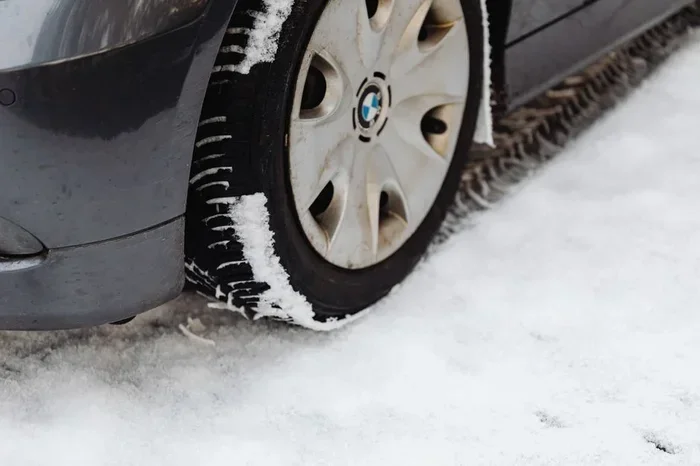
Choosing the best winter tires can make all the difference when roads get icy and dangerous. Winter tires give you better grip, shorter braking distances, and more confidence behind the wheel. In this guide, we break down the top options, key features to look for, and simple tips to keep you safe all winter long.
Key Takeaways
- Winter tires outperform all-season tires: They provide superior grip on snow and ice, making winter driving much safer.
- Look for the snowflake symbol: This three-peak mountain snowflake marking means the tire meets severe snow performance standards.
- Tire type matters: Studded tires, non-studded winter tires, and all-weather tires each serve different winter driving needs.
- Proper maintenance is key: Check tire pressure, tread depth, and rotation schedule regularly during winter months.
- Replace all four tires: Always install winter tires on all four wheels for balanced handling and control.
- Timing is important: Install winter tires before temperatures consistently drop below 45°F for the best performance.
📑 Table of Contents
- Why Winter Tires Are Essential for Cold Weather Driving
- Types of Winter Tires You Should Know About
- Top Features to Look for in the Best Winter Tires
- How to Choose the Right Winter Tires for Your Vehicle
- Winter Tire Maintenance Tips for Longevity
- Common Mistakes People Make With Winter Tires
- Final Thoughts on Finding the Best Winter Tires
Why Winter Tires Are Essential for Cold Weather Driving
Winter driving can be scary. Roads get slippery. Visibility drops. And your regular tires might not cut it anymore. That is where best winter tires come into play. They are designed specifically for cold weather, snow, and ice. Let us talk about why they matter so much.
When temperatures drop below 45 degrees Fahrenheit, regular tires start to harden. This means less grip. Less grip means longer stopping distances. It also means you are more likely to skid or lose control. Winter tires use special rubber compounds that stay soft and flexible in the cold. This gives you better tire traction on icy roads and frozen roads.
Many people think all-season tires are enough. But they are not built for heavy snow or extreme cold. All-season tires are a compromise. They work okay in many conditions but excel in none. Winter tires, on the other hand, are built to handle the worst winter conditions. They use deeper tire tread patterns and more biting edges to grip the road.
The Science Behind Winter Tire Performance
Winter tires are not just about the tread pattern. The rubber compound is what makes the real difference. Regular tires use harder rubber. This rubber becomes stiff in cold temperatures. Winter tire rubber stays soft and pliable. This allows the tire to conform to road surfaces better. The result is more tire grip and better control.
The tread design also plays a big role. Winter tires have thousands of tiny slits called sipes. These sipes create biting edges that grab snow and ice. They channel water and slush away from the contact patch. This reduces the risk of hydroplaning on wet winter roads. The deeper tread blocks also help evacuate snow from the tire surface.
Another key feature is the snowflake tire symbol. This symbol, known as the Three-Peak Mountain Snowflake (3PMSF), certifies that a tire meets severe snow performance requirements. When shopping for winter tires, always look for this symbol. It is a reliable indicator of winter capability.
Types of Winter Tires You Should Know About
Not all winter tires are the same. There are different types designed for different needs. Understanding these types helps you pick the right one for your situation.
Studded Winter Tires
Studded tires have small metal studs embedded in the tread. These studs bite into ice for incredible traction. They are excellent for areas with heavy ice buildup. However, they can be noisy on dry roads. Many states also have restrictions on when you can use them. Check your local laws before buying studded tires.
Non-Studded Winter Tires
These are the most popular type of winter tire. They rely on advanced rubber compounds and tread designs for grip. They perform well on snow and ice without the noise of studs. Modern non-studded winter tires are incredibly effective. They offer a good balance of winter performance and everyday comfort.
All-Weather Tires
All-weather tires are a newer option that bridges the gap. They are certified for winter use with the snowflake symbol. They work in both summer and winter conditions. If you do not want to switch tires twice a year, all-weather tires are worth considering. They are a convenient option for moderate winter climates.
Winter Tires vs All-Season Tires: A Comparison
| Feature | Winter Tires | All-Season Tires |
|---|---|---|
| Cold Weather Performance | Excellent | Poor to Moderate |
| Snow Traction | Superior | Fair |
| Ice Grip | Very Good | Limited |
| Wet Road Handling | Good | Good |
| Dry Road Comfort | Good | Excellent |
| Tread Life | Moderate | Longer |
| Best For | Heavy snow and ice | Mild winter climates |
The comparison above shows why winter tires vs all-season is not really a close debate for harsh winter conditions. Winter tires simply perform better when it matters most.
Top Features to Look for in the Best Winter Tires
Not all winter tires are created equal. Here are the key features you should check before buying.
- Rubber Compound: Look for tires that use soft, cold-weather rubber. This stays flexible in freezing temperatures.
- Sipe Density: More sipes mean more biting edges. This translates to better grip on snow and ice.
- Tread Depth: Deeper tread blocks help channel snow and slush away from the tire.
- Directional Tread Pattern: V-shaped tread patterns push snow and water outward for better traction.
- 3PMSF Symbol: Always choose tires with the mountain snowflake symbol for certified winter performance.
- Noise Level: Some winter tires are louder than others. Check reviews if noise is a concern.
Also consider tire pressure during winter. Cold temperatures cause air pressure to drop. Low tire pressure reduces fuel efficiency and handling. Check your tire pressure at least once a month during winter. Keep it at the level recommended by your vehicle manufacturer.
How to Choose the Right Winter Tires for Your Vehicle
Picking the right winter tires starts with knowing your needs. Think about where you live and what winter conditions you face.
Consider Your Driving Environment
Do you live in an area with heavy snowfall? Or do you mostly deal with slush and ice? Your local climate should guide your choice. Areas with constant snow need tires with aggressive tread patterns. Places with occasional winter weather might do well with all-weather tires.
Think About Your Driving Habits
Do you commute long distances? Do you drive on highways or city streets? Long highway drives require tires with good stability and comfort. City driving demands responsive handling and short braking distances. Consider your daily routine when choosing tires.
Check Your Vehicle Requirements
Not every tire fits every vehicle. Check your owner manual for the correct tire size. You can also look at the tire information placard on your driver door frame. Always match the tire size, load index, and speed rating recommended for your vehicle.
Budget Considerations
Winter tires can range in price. Premium tires often offer the best performance. But there are also budget-friendly options that work well. Set a realistic budget and look for the best quality within that range. Remember that winter tires are an investment in your safety.
When you are done driving for the season, proper storage matters too. Keep your tires in a cool, dry place away from direct sunlight. If you use a best push broom to clear your driveway before driving, you also protect your tires from unnecessary wear on rough, icy surfaces.
Winter Tire Maintenance Tips for Longevity
Once you have your winter tires installed, proper care keeps them performing well throughout the season.
Check Tread Depth Regularly
Use the penny test to check your tread depth. Insert a penny into the tread with Lincoln head down. If you can see the top of his head, your tread is too worn. Replace your tires when the tread reaches 4/32 of an inch or less. Good tread depth is essential for winter driving safety.
Rotate Your Tires
Rotate your winter tires every 5,000 to 6,000 miles. This ensures even wear across all four tires. Even wear extends the life of your tires and maintains balanced handling. Check your owner manual for specific rotation patterns.
Clean Your Tires After Driving
Road salt and grime can damage your tires over time. After driving, rinse your tires with water to remove salt and chemicals. You can also use a damp cloth to wipe down your wheels. Keeping a pack of best wet wipes in your trunk is handy for quick cleanup after a messy winter drive. This simple habit helps preserve your tires and keeps them looking good.
Store Tires Properly in Off-Season
When winter ends, store your tires correctly. Clean them thoroughly first. Place them in airtight bags to prevent ozone damage. Store in a cool, dark place away from direct sunlight and heat sources. Proper storage keeps your tires in good condition for multiple seasons.
Common Mistakes People Make With Winter Tires
Avoid these common mistakes to get the most out of your winter tires.
- Only putting winter tires on two wheels: This creates an imbalance. The car may oversteer or understeer dangerously. Always install winter tires on all four wheels.
- Using winter tires year-round: Winter tires wear faster in warm weather. The soft rubber compound degrades more quickly on hot pavement. Switch back to all-season or summer tires when winter ends.
- Ignoring tire age: Even if the tread looks good, old tires lose performance. Replace tires that are more than six years old regardless of tread depth.
- Not checking pressure regularly: Cold weather reduces tire pressure. Underinflated tires reduce fuel economy and handling. Check pressure at least once a month.
- Skipping the break-in period: New winter tires need about 100 miles to reach optimal performance. Drive gently during the first few days after installation.
Final Thoughts on Finding the Best Winter Tires
Investing in best winter tires is one of the smartest things you can do for winter safety. The right set of tires gives you confidence on icy roads, shorter stopping distances, and better control in unpredictable conditions. Take your time to research, compare options, and choose tires that match your needs.
Remember that winter driving also depends on your habits. Drive slowly, leave extra following distance, and stay alert. Combine good tires with safe driving practices, and you will be well prepared for whatever winter throws at you. Whether you need studded tires for extreme ice or all-weather tires for milder winters, there is a perfect option out there for you.
Keep your vehicle ready for winter in every way. From having a best desk lamp in your garage for late-night tire checks to keeping your car interior clean with best mens wipes after a snowy drive, small preparations make a big difference. Stay safe, stay prepared, and enjoy the winter season with confidence.
Frequently Asked Questions
When should I install winter tires?
Install winter tires before temperatures consistently drop below 45 degrees Fahrenheit. In most regions, this means late October or early November. Do not wait for the first snowfall to get your tires ready.
Can I use winter tires in the summer?
It is not recommended. Winter tires wear faster in warm weather because the soft rubber compound is designed for cold temperatures. Switch back to all-season or summer tires when winter ends for the best performance and longevity.
Do I really need winter tires if I have all-wheel drive?
Yes, you do. All-wheel drive helps with acceleration but does not improve braking or cornering on ice. Winter tires provide the grip you need in all driving situations, including stopping and turning on slippery roads.
How long do winter tires last?
With proper care and seasonal rotation, winter tires can last three to five seasons. Check tread depth regularly and replace tires when the tread reaches 4/32 of an inch or less for safe winter driving.
Are studded tires better than non-studded winter tires?
Studded tires offer superior ice traction but are noisier and restricted in many areas. Non-studded winter tires work well on most winter surfaces and are more versatile. Choose based on your local climate and driving conditions.
What does the snowflake tire symbol mean?
The Three-Peak Mountain Snowflake symbol means the tire has passed testing for severe snow performance. It is a reliable certification that the tire is designed and tested for winter driving conditions, including deep snow and ice.
=== CONCLUSION ===
Finding the best winter tires does not have to be overwhelming. Focus on the features that matter most for your driving conditions. Check the rubber compound, tread design, and certification symbols. Maintain your tires properly throughout the season. And always remember that winter tires are a safety investment, not just a convenience. Stay prepared, drive carefully, and enjoy a safer winter on the road.