When to Replace Washing a Car and Why It Really Matters
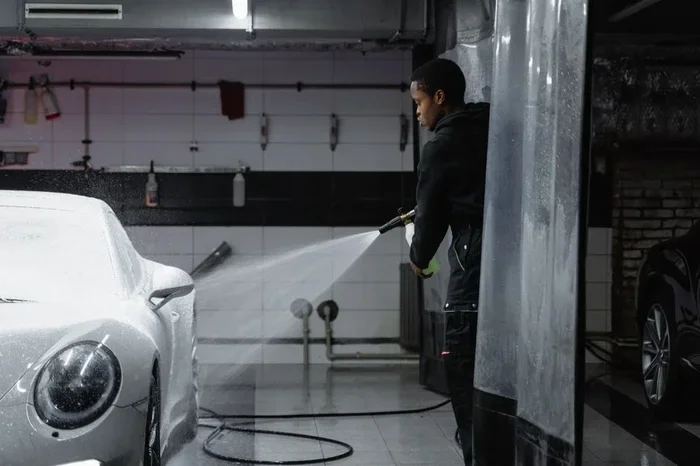
Knowing when to wash a car is one of the simplest yet most overlooked parts of vehicle care. Regular washing protects your paint, prevents rust, and preserves your car’s resale value. This guide covers the best washing frequency, warning signs, and practical tips to keep your vehicle in top shape all year long.
Your car faces dirt, dust, bird droppings, and harsh weather every single day. So when to replace washing a car with a proper routine? The answer might surprise you.
Many car owners wait until their vehicle looks obviously dirty before giving it a wash. But by then, damage may already be happening beneath the surface. When to wash a car is not just about looks. It is about protection, longevity, and preserving your investment.
Regular washing removes harmful contaminants that eat away at your paint and clear coat. It also prevents rust, improves visibility, and keeps your car looking its best. In this guide, we will walk you through exactly when to replace washing a car with a smarter, more consistent routine. You will learn the warning signs, the best frequency, and simple tips that make a huge difference.
Key Takeaways
- Wash every two weeks: This is the general rule for most driving conditions, but adjust based on your environment.
- Watch for warning signs: Bird droppings, tree sap, and a dull appearance mean it is time to wash immediately.
- Prevent rust and corrosion: Regular washing removes salt, grime, and contaminants that damage your car’s body over time.
- Avoid common mistakes: Using the wrong soap, washing in direct sun, and skipping the dry step can harm your paint.
- Professional help matters: Sometimes a home wash is not enough, especially after road trips or heavy contamination.
- Consistency is key: A regular wash routine is far more effective than occasional deep cleans.
📑 Table of Contents
Why Regular Car Washing Matters More Than You Think
Washing your car is not just a cosmetic task. It is a critical part of car maintenance that many people overlook. Your vehicle’s exterior faces constant exposure to environmental threats that can cause serious damage over time.
Protecting Your Car’s Paint and Clear Coat
Bird droppings, tree sap, and road grime contain acids that eat into your paint. When these substances sit on your car for days, they can cause permanent etching. Regular washing removes them before they have time to do damage. This is one of the most important reasons to know when to replace washing a car with a more consistent schedule. Clear coat protection starts with removing contaminants before they bond with the surface.
Preventing Rust and Corrosion
Dirt and moisture trapped on your car’s surface lead to rust. This is especially true in winter when roads are salted. Salt is highly corrosive and can eat through metal if left unchecked. A regular wash routine removes salt and prevents rust from forming in hidden spots like wheel wells and undercarriage. Prevent rust by making washing a non-negotiable part of your car maintenance tips list.
Maintaining Resale Value
A well-maintained car holds its value much better than a neglected one. When it is time to sell or trade in, the exterior condition matters a lot. Buyers notice clean, shiny cars. They also notice faded paint and rust spots. Keeping up with your wash schedule is one of the easiest ways to maintain car value. Think of it like keeping a workspace organized. Just as you would learn how to organize a study desk to keep things running smoothly, maintaining your car requires regular, intentional effort.
Signs It Is Time to Wash Your Car
How do you know when your car needs a wash? There are several clear signs that should not be ignored. Recognizing these early helps you avoid long-term damage and costly repairs.
Visible Dirt and Grime Buildup
This one seems obvious, but many people ignore it. If your car looks dusty or dirty, it is time for a wash. But do not just look at the surface. Run your hand over the paint. If it feels gritty, contaminants are already sitting on your clear coat and causing harm. Remove road grime as soon as you notice it to prevent bonding and permanent damage.
Bird Droppings and Tree Sap
Bird droppings are highly acidic and can damage paint within hours. Tree sap is equally harmful and hard to remove once it hardens. If you notice either of these on your car, wash it as soon as possible. The longer they sit, the harder they are to remove and the more damage they cause. Bird droppings damage and tree sap removal are two of the most common reasons drivers need to wash their cars urgently.
Faded or Dull Appearance
Does your car look dull even after a recent wash? This could mean that contaminants have built up over time and are wearing down the clear coat. A thorough wash can restore some of the shine, but regular maintenance is the real fix. If your car looks faded, it is a sign you need to wash it more often. Preserve car finish by staying ahead of dullness with a consistent routine.
After Driving in Harsh Conditions
Driving near the ocean means your car is exposed to salt air. Driving on dirt roads kicks up mud and debris. After any of these conditions, you should wash your car promptly. Salt air, in particular, accelerates corrosion and should be rinsed off as soon as possible. Wash car in summer and wash car in winter both require extra attention depending on your environment.
How Often Should You Wash Your Car?
The right car washing frequency depends on several factors. There is no one-size-fits-all answer, but here are some general guidelines that work for most car owners.
General Rule of Thumb
Most experts recommend washing your car every two weeks. This is a solid baseline that works for many driving conditions. However, some situations call for more frequent washing. If you park outdoors, drive on dusty roads, or live near the coast, you may need to wash more often. The goal is to never let contaminants sit on your paint for too long.
Seasonal Considerations
In winter, you should wash your car more often. Road salt is a major threat to your vehicle’s undercarriage and body panels. In summer, bug splatter and tree sap increase, especially on road trips. Adjust your car cleaning schedule based on the season and your driving environment. A good car wash routine adapts to what your car is facing.
Hand Wash vs. Automatic Car Wash
Both methods have pros and cons. A hand wash gives you more control and is gentler on your paint. An automatic car wash is faster and more convenient. However, some automatic washes use harsh brushes that can cause micro-scratches. If you use an automatic wash, choose a touchless option whenever possible. Hand wash vs automatic is a common debate, and the best choice depends on your time and budget.
| Method | Pros | Cons |
|---|---|---|
| Hand Wash | Gentle on paint, thorough cleaning | Time-consuming, requires effort |
| Automatic Wash | Fast, convenient | Potential for scratches, less control |
| Touchless Wash | Safe for paint, convenient | May not remove heavy grime |
Common Mistakes That Damage Your Car
Washing your car the wrong way can cause more harm than good. Avoid these common mistakes to keep your vehicle looking its best and protect your exterior car care investment.
Using the Wrong Soap
Never use dish soap or household cleaners on your car. These strip away wax and protective coatings. Always use a dedicated car wash shampoo that is gentle on paint and safe for your clear coat. The right soap makes a big difference in long-term protect car paint efforts.
Washing in Direct Sunlight
Washing your car in direct sunlight causes water and soap to dry too quickly. This leaves water spots and soap residue that are hard to remove. Always wash your car in the shade or during cooler parts of the day. This simple change improves your car wash benefits significantly.
Letting Dirt Sit Too Long
Some car owners skip washes for weeks or even months. This allows dirt and contaminants to bond with the paint. Over time, this bonding causes permanent damage. If you are guilty of letting dirt sit too long, it is definitely time to replace washing a car with a more consistent habit. Auto detailing experts always stress the importance of regular, timely washes.
Skipping the Drying Step
Letting your car air dry after a wash leaves water spots and mineral deposits. Always dry your car with a soft microfiber towel after washing. This simple step makes a big difference in the long run and is one of the most underrated car maintenance tips out there.
Quick Tips for a Better Car Wash Routine
Want to get the most out of your wash routine? Here are some practical tips that deliver real results.
- Use two buckets: One for soapy water and one for rinsing your mitt. This prevents you from dragging dirt back across your paint.
- Start from the top: Work your way down so gravity pulls dirty water away from already-cleaned sections.
- Use a clay bar monthly: A clay bar removes embedded contaminants that regular washing misses.
- Apply wax after washing: Wax adds a protective layer that shields your paint from future damage.
- Clean the interior too: A clean interior complements a clean exterior and improves your overall driving experience.
- Dry in sections: Work panel by panel to prevent water spots from forming as you dry.
Think of your car wash routine like maintaining a workspace. Just as you might learn how to organize a study desk to keep things running smoothly, keeping your car clean requires regular, intentional effort. Having a proper setup matters for your productivity, whether at a desk or caring for your car. Do you need a dedicated space to stay organized? The answer applies to both your workspace and your vehicle.
When to Replace Washing a Car With Professional Help
Sometimes a regular home wash is not enough. There are times when professional detailing or a professional car wash is the better choice.
Heavy Contamination or Road Salt Buildup
If your car has heavy road salt buildup or caked-on mud, a professional wash can handle it better. Professionals have access to high-pressure equipment and specialized cleaning solutions that home washes cannot match. After a harsh winter, consider treating your car to a professional clean to address hidden salt and grime.
Before Selling or Trading In
Professional detailing can dramatically improve your car’s appearance before a sale. It removes embedded dirt, restores shine, and addresses areas that a regular wash misses. If you are planning to sell, investing in a professional detail is worth every penny. First impressions matter, and a professionally cleaned car commands a better price.
After Long Road Trips
Long road trips expose your car to bugs, tar, road grime, and sun damage. A professional wash or detail after a big trip helps restore your car and address any buildup that a regular wash might miss. Treat yourself and your car to a professional clean after every major journey.
Conclusion
Knowing when to wash a car is one of the simplest things you can do for your vehicle. Regular washing protects your paint, prevents rust, and maintains your car’s value. The signs are clear, the frequency is manageable, and the benefits are significant.
Do not wait until your car looks terrible to give it a wash. Make it a habit, follow the tips in this guide, and your car will thank you for years to come. A clean car is a protected car, and a protected car serves you better on every ride.
If you are wondering about the importance of maintaining a clean space, think about how a clean workspace boosts your focus and productivity. Just as having a proper setup matters for work, having a proper wash routine matters for your car. The same principle applies to both — regular care prevents bigger problems down the road.
Frequently Asked Questions
How often should I wash my car?
Most experts recommend washing your car every two weeks as a general rule. However, this can vary based on your driving environment, weather conditions, and how often you use your car. If you live near the coast or drive on salted roads in winter, you may need to wash more frequently.
Can washing my car too often damage it?
Washing too often is unlikely to damage your car if you use the right products and techniques. The real risk comes from using harsh soaps, abrasive sponges, or washing in direct sunlight. Stick to a dedicated car wash shampoo and a soft microfiber mitt for safe, frequent cleaning.
Is it better to hand wash or use an automatic car wash?
Hand washing gives you more control and is gentler on your paint. Automatic washes are faster and more convenient but can sometimes cause micro-scratches. If you choose an automatic wash, go for a touchless option to minimize the risk of paint damage.
What happens if I never wash my car?
Skipping washes allows dirt, bird droppings, and road grime to bond with your paint. Over time, this causes permanent etching, fading, and rust. Neglected cars also lose resale value much faster. Regular washing is the easiest and most affordable way to protect your investment.
Should I wash my car in winter?
Yes, winter is actually one of the most important times to wash your car. Road salt is highly corrosive and can cause rust and undercarriage damage. Washing your car regularly in winter removes salt and helps prevent long-term structural damage.
Can a dirty car affect driving safety?
Yes, a dirty car can affect safety in several ways. Built-up grime on windows reduces visibility, and dirt on headlights dims their output. A clean car is a safer car, so keeping up with your wash routine has practical benefits beyond just looks.