When to Replace Toyota Corolla Signs You Should Not Ignore
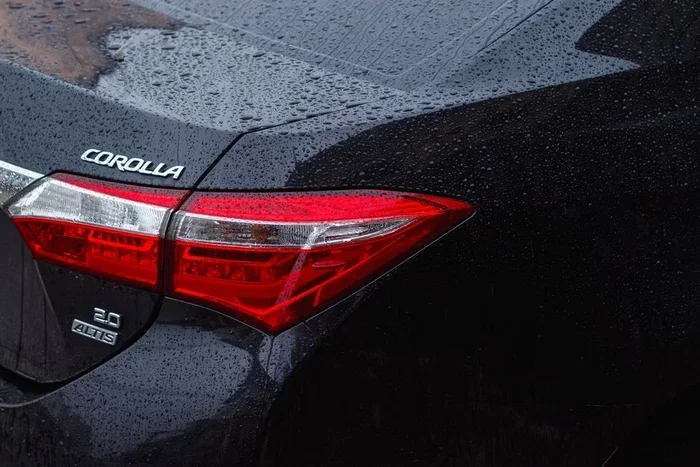
Knowing when to replace Toyota Corolla can save you thousands in unexpected repairs and keep you safe on the road. Most Corollas last between 200,000 and 300,000 miles, but age, repair frequency, and safety features all play a role. This guide covers the top warning signs, cost factors, and expert tips to help you make a smart decision.
Your Toyota Corolla has been a faithful companion. It has taken you to work, road trips, and countless errands. But every car has a lifespan, and knowing when to replace Toyota Corolla can make all the difference. You do not want to be stranded with a broken-down vehicle, nor do you want to pour money into a car that is no longer worth fixing.
So how do you know the right time to say goodbye? The answer depends on several factors. Mileage, age, repair history, safety features, and even your personal needs all matter. In this guide, we walk you through every sign that tells you it is time to replace your Toyota Corolla. We also share practical tips to help you make a confident decision without overspending.
Whether your Corolla has 100,000 miles or 250,000 miles on the odometer, this article gives you the clarity you need. Let us dive into the top signs you should never ignore.
Key Takeaways
- High Mileage Threshold: Most Toyota Corollas can go 200,000 to 300,000 miles with proper care, but performance drops after 200,000 miles.
- Frequent Repairs Are a Red Flag: If repair costs exceed the car’s value, it is time to consider replacement.
- Safety Matters: Older models lack modern safety features like automatic emergency braking and blind-spot monitoring.
- Fuel Efficiency Decline: A dropping MPG rate signals engine or transmission problems that may cost more to fix than the car is worth.
- Rust and Structural Damage: Visible rust or frame damage can compromise safety and should not be ignored.
- Resale Value Drops Sharply: After 10 to 15 years, Toyota Corolla resale value falls significantly, making replacement more logical.
📑 Table of Contents
- Understanding Toyota Corolla Lifespan and Mileage
- Repair Costs That Signal Replacement Time
- Safety Features and Modern Technology Gaps
- Declining Fuel Efficiency and Performance
- Rust, Structural Damage, and Corrosion
- Comfort, Convenience, and Daily Usability
- Financial Considerations: Is It Worth Keeping?
- What to Do Before Replacing Your Toyota Corolla
- Conclusion
Understanding Toyota Corolla Lifespan and Mileage
The Toyota Corolla is one of the most reliable cars ever built. On average, a well-maintained Corolla can last between 200,000 and 300,000 miles. Some owners even push their Corollas past 300,000 miles with regular Toyota Corolla maintenance and careful driving.
But lifespan is not just about mileage. Age plays a huge role too. A 15-year-old Corolla with only 80,000 miles may still run fine, but its rubber seals, wiring, and other parts can become brittle over time. Here are some general guidelines to keep in mind:
- 0 to 5 years: The car is in its prime. Minimal issues and strong resale value.
- 5 to 10 years: Minor repairs may start appearing. Still a solid vehicle with good reliability.
- 10 to 15 years: More frequent maintenance needed. Parts become harder to find for older models.
- 15+ years: Significant wear and tear. Consider replacement unless the car has been exceptionally maintained.
What Affects Corolla Lifespan?
Several factors determine how long your Corolla will last. Driving habits matter a lot. If you drive gently and follow the Toyota Corolla maintenance schedule, your car will reward you with years of service. On the other hand, harsh driving, skipping oil changes, and ignoring warning lights can shorten your car’s life significantly.
Climate also matters. Cars in salty coastal areas or harsh winter regions tend to rust faster. Regular washing and undercoating can help, but nothing stops time entirely. The quality of parts used during repairs also plays a role. OEM (Original Equipment Manufacturer) parts last longer than cheap aftermarket alternatives.
Repair Costs That Signal Replacement Time
One of the clearest signs when to replace Toyota Corolla is when repair costs start piling up. A single repair might be manageable. But when multiple expensive repairs happen within a short period, it is a warning sign.
Here is a simple rule of thumb from mechanics: if a repair costs more than the car’s current value, do not fix it. For example, if your 12-year-old Corolla is worth $2,000 and a new transmission costs $3,500, that does not make financial sense.
Common Expensive Repairs on Older Corollas
As Corollas age, certain repairs become more common and more costly. Being aware of these helps you plan ahead:
- Transmission overhaul: Costs between $1,800 and $3,500 depending on the model year.
- Engine replacement: Can range from $3,000 to $5,000 for a full replacement.
- Head gasket replacement: Typically costs $1,200 to $2,000.
- Suspension and steering repairs: Around $800 to $1,500 for full system work.
- Electrical system failures: Wiring issues in older models can cost $500 to $2,000 to diagnose and fix.
If you find yourself facing two or more of these repairs at once, it is a strong signal that replacing your Toyota Corolla is the smarter choice.
Safety Features and Modern Technology Gaps
Safety should always come first. Older Toyota Corolla models simply do not have the same safety technology as newer vehicles. If you are driving a Corolla from before 2010, your car likely lacks features that are now standard in modern vehicles.
Safety Features Missing in Older Models
Here is what you might be missing in an older Corolla:
- Automatic Emergency Braking: Detects potential collisions and applies brakes automatically.
- Blind Spot Monitoring: Alerts you to vehicles in your blind spots during lane changes.
- Lane Departure Warning: Warns you when you drift out of your lane without signaling.
- Adaptive Cruise Control: Adjusts your speed automatically to maintain a safe distance from the car ahead.
- Rear Cross-Traffic Alert: Helps you see approaching vehicles when backing out of parking spots.
- Advanced Airbags: Newer models have more airbags positioned for better crash protection.
Studies show that cars with these features significantly reduce accident rates. If your older Corolla does not have them, consider this a strong reason to think about when to replace Toyota Corolla for a safer option. Your family’s safety is priceless.
Declining Fuel Efficiency and Performance
Remember when your Corolla was getting great gas mileage? A drop in fuel efficiency is one of the most noticeable signs that your car is aging. If you are filling up more often than usual, something is wrong under the hood.
Why Fuel Efficiency Drops in Older Corollas
Several issues can cause your Toyota Corolla fuel efficiency to decline:
- Clogged fuel injectors: Over time, injectors get dirty and deliver less fuel efficiently.
- Worn spark plugs: Old spark plugs cause incomplete combustion, wasting fuel.
- Dirty air filters: A clogged filter restricts airflow and reduces engine performance.
- Oxygen sensor failure: A faulty sensor throws off the fuel-air mixture.
- Transmission slipping: Worn transmission components cause the engine to work harder.
Some of these fixes are affordable. A new air filter or spark plugs are cheap and easy to replace. But if you have addressed all the common causes and your mileage is still dropping, the engine itself may be wearing out. At that point, it is worth asking whether replacing your Toyota Corolla makes more sense than continuing to pour money into repairs.
Rust, Structural Damage, and Corrosion
Rust is more than just a cosmetic problem. It can weaken your car’s structure and make it unsafe. If you notice rust forming on the frame, undercarriage, or wheel wells of your Corolla, take it seriously.
Types of Rust to Watch For
Not all rust is the same. Here is what to look for:
- Surface Rust: Appears as small orange spots on the paint. This is the earliest stage and easiest to fix.
- Scale Rust: The paint starts to bubble and flake. The rust is eating into the metal beneath.
- Through-Rust: Holes have formed in the metal. This is dangerous and compromises structural integrity.
Frame rust is the most serious concern. The frame is the backbone of your car. If it is compromised, the vehicle is no longer safe to drive. A mechanic can inspect the frame for you, but if rust has eaten through, there is no safe repair. This is a clear sign that when to replace Toyota Corolla has arrived.
Comfort, Convenience, and Daily Usability
Sometimes the decision to replace a car is not about safety or repairs. It is about comfort and daily usability. As your Corolla ages, you may notice things that make driving less enjoyable.
Signs Your Corolla Is No Longer Comfortable
Ask yourself these questions:
- Do you hear strange noises when driving over bumps?
- Does the air conditioning barely cool on hot days?
- Are the seats worn out or uncomfortable for long drives?
- Is the infotainment system outdated and incompatible with your phone?
- Do you struggle to find replacement parts when something breaks?
If you answered yes to several of these, your daily driving experience has declined. A newer vehicle offers better comfort, modern technology, and a smoother ride. When daily driving becomes a chore instead of a pleasure, it might be time to explore when to replace Toyota Corolla with a model that fits your current lifestyle.
Financial Considerations: Is It Worth Keeping?
Money matters when deciding whether to keep or replace your car. You need to weigh the cost of ownership against the benefits of a new vehicle.
The 50% Rule
A common rule among financial advisors is the 50% rule. If annual repair and maintenance costs exceed 50% of the car’s current value, you should start planning for a replacement. For example, if your Corolla is worth $3,000 and you spend $1,500 or more per year on repairs, it is time to move on.
Insurance and Registration Costs
Older cars sometimes have lower insurance premiums, which is a plus. But registration fees can vary by state and age of the vehicle. Some states charge higher registration fees for older cars due to emissions testing requirements. Factor these costs into your decision when figuring out when to replace Toyota Corolla.
Also, consider the peace of mind a newer car provides. Newer vehicles come with warranties, roadside assistance, and the latest safety technology. These intangible benefits can be worth the investment.
What to Do Before Replacing Your Toyota Corolla
Once you have decided that it is time to replace your Corolla, there are a few smart steps to take before you buy a new vehicle.
Step 1: Get a Professional Inspection
Before selling or trading in your old Corolla, get a full inspection from a trusted mechanic. They can identify any issues and give you an honest assessment of the car’s value. This helps you set realistic expectations when negotiating with buyers or dealerships.
Step 2: Research Replacement Options
Take time to research what you want in your next vehicle. Do you want another Toyota? Are you considering an SUV, truck, or a different sedan? Make a list of your priorities like fuel efficiency, safety ratings, and budget.
Step 3: Plan Your Budget
Set a clear budget before visiting dealerships. Remember to factor in the down payment, monthly payments, insurance, and fuel costs. A new car is a big financial commitment, so planning ahead keeps you from overspending.
Step 4: Sell or Trade In Smartly
Get multiple quotes for your old Corolla. Use online tools like Kelley Blue Book or Edmunds to estimate its value. You can sell privately for a higher price or trade in for convenience. Choose whichever option works best for your situation.
After you have replaced your old vehicle, you might find that you have extra space at home. Many people use that opportunity to reorganize their garage or even set up a new home workspace. If you are thinking about creating a productive area at home, learning how to set up a study desk can help you make the most of that space.
Conclusion
Deciding when to replace Toyota Corolla is not always easy. It involves weighing mileage, repair costs, safety features, and personal needs. But the signs are there if you pay attention. Frequent expensive repairs, declining fuel efficiency, structural rust, and outdated safety technology all point in the same direction.
Your Toyota Corolla has served you well. It deserves your gratitude. But sometimes letting go is the smartest and safest choice. Use the guidelines in this article to evaluate your situation honestly. Trust your instincts, do the math, and make a decision that is right for you and your family.
Remember, a new car is not just a purchase. It is an investment in your safety, comfort, and peace of mind. Do not wait until your old Corolla leaves you stranded. Pay attention to the signs early, and you will always be one step ahead.
Frequently Asked Questions
How many miles can a Toyota Corolla last before needing replacement?
Most Toyota Corollas can last between 200,000 and 300,000 miles with proper maintenance. However, individual results vary based on driving habits, climate, and how well you follow the Toyota Corolla maintenance schedule. Some owners push their Corollas past 300,000 miles without major issues.
Is it worth repairing a 15-year-old Toyota Corolla?
It depends on the repair cost and the car’s current value. If the repair cost exceeds 50% of the car’s value, replacement is usually the better option. Use the 50% rule to make an informed decision about whether to keep or replace your older Corolla.
What is the best year for a Toyota Corolla reliability?
Toyota Corolla model years from 2014 to 2023 are widely regarded as the most reliable. These models offer strong fuel efficiency, modern safety features, and excellent build quality. Earlier models like 2005 and 2008 also have solid reputations for longevity.
How do I know if my Toyota Corolla is unsafe to drive?
Signs that your Corolla is unsafe include frame rust, transmission failure, brake system problems, and missing modern safety features like automatic emergency braking. If a mechanic tells you the repair cost is too high or the car is structurally compromised, do not continue driving it.
Should I replace my Corolla with another Toyota model?
That is a personal choice. Toyota offers many reliable models like the Camry, RAV4, and Corolla Cross. If you love the Toyota brand and its reputation for reliability, staying with Toyota is a smart move. But also compare other brands to find the best fit for your needs and budget.
What is the resale value of an old Toyota Corolla?
Toyota Corolla resale value holds up well compared to many other brands. A well-maintained Corolla from 2010 to 2015 can still fetch $5,000 to $10,000 depending on condition and mileage. Older models from the 2000s typically sell for $1,500 to $4,000 in fair condition.