Is Teslas Car Key an Input Device Used to Build a Tesla
Is Teslas car key an input device used to build and operate a Tesla? The answer is yes. Tesla uses several input devices, including the Tesla key card, phone key, and key fob, to authenticate and start the vehicle. Understanding these input devices helps Tesla owners appreciate the technology behind keyless entry and vehicle access.
Have you ever wondered if Teslas car key is an input device used to build a Tesla? It might sound like a simple question, but the answer opens up a fascinating world of input devices, wireless authentication, and smart car technology. Tesla vehicles are packed with advanced features, and the car key plays a huge role in how the system works. In this article, we will explore whether the Tesla car key qualifies as an input device and how it fits into the bigger picture of building and operating a Tesla.
If you are new to Tesla or just curious about how the key works, you are in the right place. We will break everything down in simple terms. No jargon, no confusion, just clear and helpful information. By the end, you will have a solid understanding of Tesla authentication, the different types of keys, and why this matters for vehicle access and car security.
Key Takeaways
- A Tesla car key is indeed an input device that communicates with the vehicle to grant access and start the engine.
- Tesla offers multiple key types, including the key card, phone key, and key fob, each using different wireless authentication methods.
- The key card uses NFC technology to authenticate with the car, while the phone key relies on Bluetooth Low Energy.
- Understanding input devices is essential for anyone building or learning about Tesla vehicles and their smart features.
- Key replacement and troubleshooting are straightforward, making Tesla ownership convenient and user-friendly.
- Tesla’s keyless entry system sets it apart from traditional car remotes and smart keys.
- Proximity sensors in Tesla vehicles detect the key device nearby, enabling seamless vehicle access.
📑 Table of Contents
- What Is an Input Device?
- How Does Teslas Car Key Work as an Input Device?
- Types of Tesla Input Devices
- Is Teslas Car Key an Input Device Used to Build a Tesla?
- How Tesla Keys Compare to Traditional Car Keys
- Common Issues with Tesla Key Input Devices
- Why Understanding Tesla Input Devices Matters
- Key Replacement and Maintenance
- Conclusion
What Is an Input Device?
Before we dive into Tesla keys, let us first understand what an input device actually is. An input device is any hardware that sends data or commands to a computer or machine. Think of a keyboard, a mouse, or a touchscreen on your phone. Each of these devices sends signals that the system processes to perform an action.
In the world of cars, input devices include buttons, sensors, key fobs, and even your smartphone. These devices send signals to the car’s computer system to unlock doors, start the engine, or adjust settings. So when we ask, “Is Teslas car key an input device?” we are really asking whether the key sends signals to the Tesla system that the car can understand and act on.
The short answer is absolutely yes. The Tesla car key sends wireless signals to the vehicle. These signals tell the car to authenticate the user, unlock the doors, and allow the vehicle to start. This makes the Tesla key a genuine input device in every sense of the word.
How Does Teslas Car Key Work as an Input Device?
Now that we know the Tesla car key is an input device, let us look at how it actually works. Tesla uses a few different key methods, and each one relies on a unique technology to communicate with the car.
The Tesla Key Card
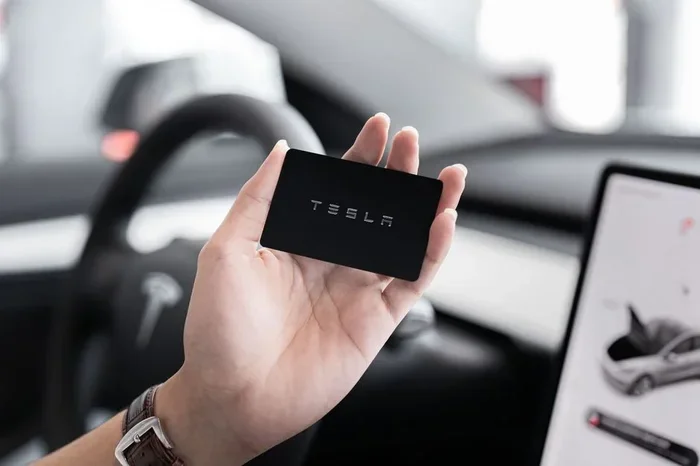
The Tesla key card is a small, credit-card-sized device that uses NFC technology (Near Field Communication). You simply tap it on the driver door pillar, and the car recognizes the card. This is one of the most common input devices that comes with every new Tesla.
The key card is a passive device. It does not have a battery. Instead, it gets powered by the electromagnetic field the car generates when you tap it. Once powered, the card sends a unique identification code to the vehicle. The car then checks this code against its stored list of authorized keys. If the code matches, the car unlocks and allows vehicle startup.
This whole process happens in less than a second. It is a brilliant example of how modern input devices work in car security systems. The key card is simple, reliable, and very hard to copy or hack.
The Tesla Phone Key
The Tesla phone key turns your smartphone into a wireless key. Using the Tesla app, your phone communicates with the car through Bluetooth Low Energy (BLE). This means your phone acts as a smart key that is always with you.
When you approach your Tesla, the car’s proximity sensor detects your phone. The vehicle automatically unlocks the doors. You can then press the brake pedal and start the car, all without taking your phone out of your pocket. This is keyless entry at its finest.
The phone key is a powerful input device because it combines convenience with security. Tesla uses encrypted wireless authentication to make sure only your paired phone can access the car. If you lose your phone or it gets stolen, you can quickly remove it from the authorized list through the Tesla app.
The Tesla Key Fob
For those who prefer a traditional feel, Tesla also offers a car key fob. This is a small handheld remote that uses radio frequency to communicate with the car. You press buttons to lock, unlock, and even open the trunk. The key fob is another example of an input device that sends signals to the Tesla system.
The key fob is especially useful for guests or family members who may not have a phone key set up. It is a simple and reliable way to provide vehicle access to others. However, it does require a battery, and you will need to replace it occasionally.
Types of Tesla Input Devices
Tesla vehicles use more than just the key as an input device. The car has many other input methods that allow the driver and passengers to interact with the vehicle. Understanding these devices helps you appreciate how a Tesla is built and operated.
Touchscreen Controls
The central touchscreen is one of the most important input devices in a Tesla. You use it to control almost everything, from climate settings to navigation. The touchscreen sends touch inputs to the car’s computer, which then processes the commands and adjusts the relevant systems.
Voice Commands
Tesla also supports voice commands as an input method. You can speak to the car and tell it to change the temperature, play music, or navigate to a destination. The car’s microphone picks up your voice, and the system processes the audio input to perform the requested action.
Steering Wheel Controls
The steering wheel has buttons and scroll wheels that serve as input devices for cruise control, media, and other functions. These physical controls give the driver quick access to common features without needing to touch the screen.
Pedal Inputs
The accelerator and brake pedals are basic but essential input devices. They send analog signals to the car’s computer based on how much pressure you apply. The car interprets these signals to control speed and braking.
USB and Mobile Device Inputs
Tesla vehicles also have USB ports that accept input from external devices. You can plug in a USB drive to play music or connect your phone for charging and data transfer. These ports are additional input devices that expand the car’s capabilities.
Is Teslas Car Key an Input Device Used to Build a Tesla?
This is a great question, and the answer depends on what you mean by “build.” If you mean building the car in a factory, then the key card is not used during the manufacturing process. However, if you mean building your understanding of how a Tesla works, then the car key is absolutely an essential input device to study and learn about.
When Tesla engineers design the vehicle, they integrate the key system as a core component of the car’s input device ecosystem. The key card, phone key, and key fob all communicate with the car’s central computer. This communication is what allows the car to recognize authorized users and grant them access.
If you are learning about Tesla technology, understanding how the key works as an input device is a great starting point. It teaches you about NFC technology, Bluetooth Low Energy, wireless authentication, and proximity sensors. These are all fundamental concepts in modern automotive technology.
Setting up a proper workspace to study Tesla technology is important. Just like you would set up a desk to focus on learning, having the right tools and resources makes a big difference. If you want to learn more about how to create a productive study setup, you can check out our guide on how to set up a study desk for tips on organizing your learning space.
Similarly, knowing what resources and tools to have on hand is crucial when diving into Tesla tech. Much like deciding what to put on a study desk for the best focus and productivity, having the right reference materials and devices nearby helps you learn more effectively. You can explore our article on what to put on a study desk for ideas on organizing your study tools.
Finally, keeping your learning materials and research organized is key to mastering any complex topic. Just as you would organize a study desk to stay on track, organizing your Tesla knowledge into clear categories helps you understand how each input device fits into the bigger picture. Visit our guide on how to organize a study desk for practical tips on staying structured.
How Tesla Keys Compare to Traditional Car Keys
To truly understand why the Tesla car key is a special input device, it helps to compare it with traditional car keys and remotes. Most older cars use a simple metal key that physically turns a lock cylinder. Some newer cars use a car remote that sends a radio signal to unlock the doors.
Tesla takes this a step further with its advanced keyless entry system. Here is a quick comparison:
| Feature | Traditional Key | Car Remote | Tesla Key System |
|---|---|---|---|
| Authentication Method | Physical key match | Radio signal code | NFC, Bluetooth, Radio Frequency |
| Keyless Entry | No | Limited | Yes, full keyless |
| Phone as Key | No | No | Yes |
| Multiple User Profiles | No | No | Yes, up to 20 keys |
| Remote Start | No | Sometimes | Yes, via phone app |
| Battery Required | No | Yes | Key card: No, Phone: Yes, Fob: Yes |
As you can see, Tesla’s key system is far more advanced than a traditional car remote or metal key. The ability to use your phone as a smart key is a game-changer. It means you never need to carry a separate key device if you do not want to.
Common Issues with Tesla Key Input Devices
While Tesla keys are reliable, they are not perfect. Here are some common issues owners face and how to troubleshoot them.
Key Card Not Working
If your Tesla key card stops working, the first thing to check is the card’s placement. Make sure you tap it on the correct spot on the driver door pillar. Also, keep the card away from other NFC cards or metal objects, as these can interfere with the signal.
Phone Key Not Connecting
If your phone key is not connecting, make sure Bluetooth is turned on and the Tesla app is running in the background. Also check that your phone battery is not too low, as low power can disable Bluetooth Low Energy connections.
Key Fob Battery Replacement
The car key fob uses a small coin-cell battery. When the battery dies, the fob will not send signals to the car. Replacing the battery is easy and inexpensive. Simply open the fob, swap the old battery for a new one, and the fob will work again.
Multiple Keys and User Profiles
One of the best features of Tesla’s input device system is the ability to add multiple keys. You can pair up to 20 different key cards or phone keys to a single Tesla. This is perfect for families or anyone who shares the car. Each key can have its own vehicle identification profile, which remembers driver preferences like seat position and mirror settings.
Why Understanding Tesla Input Devices Matters
Understanding how Tesla keys work as input devices is important for several reasons. First, it helps you troubleshoot issues when they arise. If your key card or phone key stops working, you will know what to check and how to fix it.
Second, it helps you appreciate the technology behind Tesla vehicles. Tesla is a leader in electric vehicle innovation, and the key system is just one example of how they use cutting-edge wireless technology to improve the driving experience.
Third, if you are considering buying a Tesla, knowing about the different key options helps you make an informed decision. You can choose the key method that best fits your lifestyle and needs.
For those who are studying automotive technology or working on car security systems, the Tesla key is a perfect example of modern input device design. It combines convenience, security, and elegance in a way that traditional keys never could.
Key Replacement and Maintenance
Key replacement for Tesla is simple and affordable. If you lose your key card, you can order a replacement through the Tesla app or by contacting Tesla support. The process is quick, and the new card will be programmed to work with your vehicle.
For the phone key, there is no physical device to replace. If you get a new phone, you simply pair the Tesla app with the new device and transfer the key credentials. This makes key replacement easier than most traditional car systems.
Maintaining your Tesla keys is also straightforward. Keep the key card in a safe place and avoid scratching the NFC chip. For the phone key, keep your phone updated and charged. For the key fob, replace the battery once a year to ensure reliable performance.
Conclusion
So, is Teslas car key an input device used to build a Tesla? The answer is a clear and definitive yes. The Tesla key card, phone key, and key fob are all input devices that send signals to the car’s computer system. They enable keyless entry, vehicle startup, and personalized vehicle access for authorized users.
Understanding how these input devices work gives you a deeper appreciation for Tesla’s technology. From NFC technology to Bluetooth Low Energy, Tesla uses advanced wireless methods to make car access seamless and secure. Whether you are a Tesla owner, an automotive enthusiast, or someone learning about smart car technology, the Tesla key system is a fantastic example of modern input device design.
Take some time to explore your Tesla’s key settings. Try each method and see which one works best for your lifestyle. The more you understand about your car’s input devices, the more you will enjoy the Tesla experience.
Frequently Asked Questions
Can you drive a Tesla without a key card?
Yes, you can. If you set up the Tesla phone key on your smartphone, you do not need the key card to access or start the car. The phone key uses Bluetooth Low Energy to authenticate with the vehicle automatically. However, it is always a good idea to keep a key card as a backup in case your phone battery dies.
What happens if you lose your Tesla key?
If you lose your Tesla key card or key fob, you can order a replacement through the Tesla app or by contacting Tesla customer support. The replacement process is simple and affordable. For the phone key, you can just pair a new phone to the vehicle and remove the old one from the authorized devices list.
Is a Tesla phone key secure?
Yes, Tesla’s phone key is very secure. It uses encrypted wireless authentication and Bluetooth Low Energy to communicate with the car. Each phone key is uniquely paired to the vehicle, and the encryption prevents unauthorized access. You can also remotely remove a lost phone from the authorized list through the Tesla app.
How many phones can be paired to a Tesla?
Tesla allows you to pair up to 20 different keys to a single vehicle. This includes key cards, phone keys, and key fobs. Each key can be named and customized, making it easy to manage access for family members, friends, or frequent drivers.
Can you use a Tesla key with all Tesla models?
Yes, the Tesla key card, phone key, and key fob work with all Tesla models, including the Model S, Model 3, Model X, and Model Y. The key system is consistent across the lineup, so you get the same seamless experience regardless of which Tesla you drive.
Does a Tesla key need batteries?
The Tesla key card does not need a battery because it uses passive NFC technology powered by the car’s electromagnetic field. The Tesla phone key relies on your phone’s battery, so keep your phone charged. The Tesla key fob does need a small coin-cell battery, which should be replaced once a year for optimal performance.