How Much Does It Cost To Tow A Car
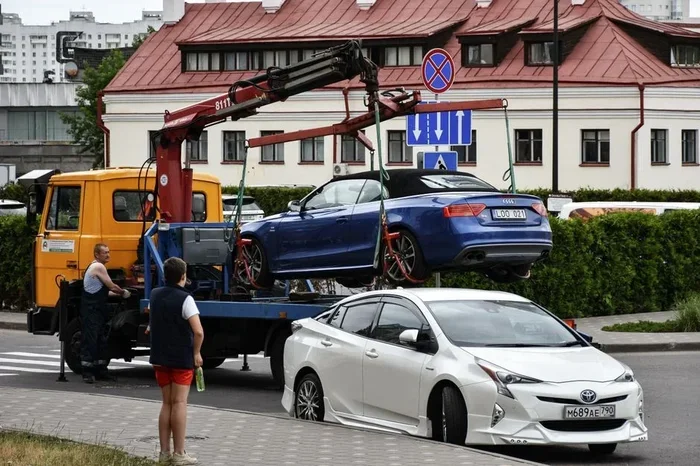
Towing a car typically costs between $75 and $200 for local tows, while long distance towing can range from $200 to $1,500 or more. The final towing cost depends on distance, vehicle type, time of day, and the type of tow truck used. Understanding these factors helps you avoid surprise fees and plan ahead for roadside emergencies.
Getting your car towed is rarely a fun experience. Whether you face a breakdown on the highway or a fender bender on a side street, the cost to tow a car is one of the first things that crosses your mind. And honestly, it should. Towing fees can vary wildly depending on several factors, and without the right information, you might end up paying way more than you should.
In this guide, we break down everything you need to know about car towing costs. We will look at average prices, what drives those prices up or down, the different types of tow trucks, and how you can save money when you need a towing service most. Whether you are dealing with a local tow or a long distance haul, this article has you covered.
Key Takeaways
- Average towing cost: Local tows run $75 to $200, while long distance towing averages $200 to $1,500 depending on mileage.
- Distance matters most: Towing fees are usually calculated per mile after the first 5 to 10 miles, which can significantly increase the total.
- Vehicle type affects price: Larger vehicles like SUVs, trucks, and luxury cars cost more to tow due to their weight and special equipment needs.
- Time and location add fees: Towing at night, on weekends, or in remote areas often comes with surcharges of 25% to 50%.
- Insurance may cover towing: Many roadside assistance plans and insurance policies include free or discounted towing services.
- Preparation saves money: Keeping a reliable towing company on speed dial and knowing your coverage can prevent overpaying during an emergency.
📑 Table of Contents
- What Affects the Cost to Tow a Car
- Average Towing Costs by Distance
- Types of Tow Trucks and Their Costs
- How to Save Money on Towing
- What to Do When Your Car Breaks Down
- Is Towing Covered by Car Insurance?
- How to Choose a Reliable Towing Company
- Common Towing Scenarios and Their Costs
- Final Thoughts on Towing Costs
What Affects the Cost to Tow a Car
There is no single flat rate for towing. The price you pay depends on a mix of factors that come into play before the tow truck even arrives. Understanding these factors helps you make informed decisions and avoid getting hit with unexpected charges.
Distance and Mileage
Distance is the biggest factor in towing cost. Most towing companies charge a base fee for the first few miles, usually between $50 and $100. After that, they add a per-mile rate that typically ranges from $2 to $5 per mile. For a short local tow of 5 to 10 miles, you might pay around $75 to $125. But if you need to move your car 100 miles or more, the bill can climb quickly to $300, $500, or even higher.
Long distance towing is a different ballgame altogether. Companies often offer discounted per-mile rates for longer hauls, but the base fee is usually higher. If you are relocating a vehicle across state lines, the total cost can easily reach $1,000 or more.
Type of Vehicle
The size and weight of your vehicle play a big role in determining the towing price. A compact sedan weighs far less than a full-size truck or an SUV. Heavier vehicles require stronger tow trucks and more effort, which means a higher towing fee. Luxury cars and exotic vehicles often need special equipment like flatbed trailers to prevent damage, which adds to the cost.
Here is a quick look at how vehicle type can affect towing prices:
- Compact cars and sedans: Usually the cheapest to tow, starting around $50 to $75 for local tows.
- Mid-size SUVs and trucks: Expect to pay 20% to 30% more than a compact car.
- Full-size trucks and luxury vehicles: These can cost $150 or more for a local tow due to weight and special handling needs.
- Motorcycles: Generally cheaper to tow, often $50 to $100 for local distances.
Time of Day and Day of Week
Towing companies often charge more for after-hours service. If your car breaks down at 2 a.m. on a Saturday night, you can expect to pay a premium. Nighttime towing surcharges typically range from 25% to 50% above the standard rate. Weekend and holiday service also comes with added fees because fewer operators are available and demand is higher.
Location and Accessibility
Where your car is stuck matters a lot. Towing from a busy highway or a crowded city street is more expensive than pulling out of a parking lot. If your vehicle is in a ditch, on a steep hill, or in a remote area, the tow truck driver has to spend more time and use special equipment to reach you. These extraction fees can add $50 to $150 or more to your bill.
Average Towing Costs by Distance
To give you a clearer picture, here is a breakdown of average towing costs based on distance. Keep in mind that these are general estimates and actual prices vary by location and company.
Local Towing (Up to 20 Miles)
Local towing is the most common type of tow. Most drivers need a tow because of a breakdown, accident, or flat tire within their city or town. The average cost for a local tow ranges from $75 to $200. The base fee covers the first 5 to 10 miles, and any additional miles are billed at the per-mile rate.
For example, if the base fee is $75 and the per-mile rate is $3, a 15-mile tow would cost about $120. Simple and straightforward.
Medium Distance Towing (20 to 50 Miles)
Medium distance towing usually comes into play when you need to move a vehicle to a nearby town or a repair shop that is out of your local area. Costs for this range typically fall between $150 and $400. The per-mile rate may be slightly lower than a pure local tow since the distance is greater.
Long Distance Towing (50 to 100+ Miles)
Long distance towing is often needed for vehicle transport during a move or when a car needs to be taken to a distant repair facility. Prices for this type of tow can range from $300 to $1,500 or more. Many companies offer a discounted rate per mile for longer distances, but the total cost still adds up fast.
For instance, a 100-mile tow at $3 per mile with a $100 base fee would cost around $400. Double that distance, and you are looking at roughly $700.
Types of Tow Trucks and Their Costs
Not all tow trucks are the same, and the type of truck your vehicle needs directly impacts the price. Here is a look at the most common types and what they cost.
Flatbed Tow Truck
A flatbed tow truck is the most common and generally the safest option. Your car is loaded entirely onto the flat bed, which means all four wheels are off the ground. This is the best choice for all-wheel-drive and front-wheel-drive vehicles because it prevents drivetrain damage. Flatbed towing usually costs between $75 and $150 for local tows.
Hook and Chain Tow Truck
Hook and chain towing is the older method where a chain wraps around the vehicle’s frame or axle. The front wheels are lifted off the ground while the rear wheels remain on the road. This method is cheaper but can cause damage to your car, especially if it is a rear-wheel-drive or all-wheel-drive vehicle. You might save $10 to $30 compared to flatbed towing, but the risk of damage is not worth it for most modern cars.
Wheel-Lift Tow Truck
A wheel-lift truck uses a metal yoke that fits under the front or rear wheels to lift the vehicle. It is a middle-ground option between flatbed and hook-and-chain towing. It is gentler on your car than a chain tow and typically costs $10 to $20 less than flatbed towing. Many modern towing companies use wheel-lift trucks because they offer a good balance of safety and affordability.
Integrated Tow Truck
Integrated trucks are heavy-duty vehicles designed for towing large vehicles like buses, RVs, and tractor-trailers. They have extra axles for stability and a built-in lifting system. If you need to tow a large vehicle, expect to pay significantly more, often $200 to $500 or more for a local tow.
How to Save Money on Towing
Nobody wants to overspend on a towing service, especially when you are already stressed about a car problem. The good news is that there are several practical ways to keep your towing costs down.
Check Your Insurance and Membership Coverage
Before you call a tow truck, check what coverage you already have. Many auto insurance policies include roadside assistance that covers towing at no extra cost. Similarly, membership programs like AAA offer towing benefits that can save you a significant amount. If you are a member, you might get up to 100 miles of towing included in your plan.
Some credit cards also provide towing reimbursement as part of their benefits package. It is always worth checking before you pay out of pocket. This is one of the easiest ways to reduce your towing cost without any extra effort.
Get Multiple Quotes
Towing prices are not regulated in most areas, which means different companies can charge very different rates for the same service. If you have time, call two or three local towing companies and ask for a quote. You might be surprised by how much prices can vary. A quick phone call could save you $50 or more.
Just like you would compare costs for buying a study desk, it pays to shop around for towing services. The cheapest option is not always the best, so make sure the company is licensed and insured.
Keep Your Car Maintained
The best way to avoid towing costs is to prevent the need for a tow in the first place. Regular maintenance like oil changes, tire checks, and battery inspections can help you avoid breakdowns. Keep your gas tank at least a quarter full, and never ignore warning lights on your dashboard.
Simple habits like these can save you hundreds of dollars in towing fees over the life of your vehicle. Prevention is always cheaper than a roadside rescue.
Prepare an Emergency Kit
Having a basic emergency kit in your trunk can sometimes solve the problem without needing a tow at all. A kit should include a spare tire, a jack, jumper cables, a flashlight, and basic tools. If you get a flat tire and know how to change it yourself, you can skip the towing fee entirely.
Think of your car emergency kit the way you would think about organizing your workspace. Just like you would organize a study desk to keep everything in its place, keeping your car stocked and ready means you are prepared for the unexpected.
What to Do When Your Car Breaks Down
Knowing what to do when your car breaks down can make a stressful situation much easier to handle. Follow these steps to stay safe and avoid unnecessary expenses.
Step 1: Pull Over Safely
Signal and move to the right shoulder or a safe parking area. Turn on your hazard lights immediately. If you are on a highway, stay inside your vehicle if it is safe to do so. Never stand behind or in front of your car on a busy road.
Step 2: Assess the Situation
Try to identify the problem. Is it a flat tire? A dead battery? Overheating? If you can fix it yourself with items from your emergency kit, you might not need a tow. If the problem is serious, it is time to call for help.
Step 3: Call for Help
Call your insurance company’s roadside assistance line, a membership service, or a trusted local towing company. Be ready to describe your location, the type of vehicle you have, and what happened. This helps the tow truck driver prepare the right equipment and give you an accurate price estimate over the phone.
Step 4: Know Your Rights
Before the tow truck arrives, ask for the total cost. A reputable company will give you a clear price upfront. If the driver tries to charge you more once your car is on the truck, you have the right to refuse payment and call another company. Always ask for a written receipt and keep it for your records and insurance claims.
Is Towing Covered by Car Insurance?
Many drivers do not realize that their car insurance policy may already include towing coverage. Comprehensive policies and add-on roadside assistance packages often cover towing costs up to a certain distance. Some policies cover up to 50 or 100 miles of towing at no extra charge.
However, basic liability insurance typically does not include towing. If you only carry the minimum coverage required by your state, you will likely need to pay for towing out of pocket or rely on a membership program. It is a good idea to review your policy or call your insurance agent to confirm what is covered.
Also, keep in mind that filing a towing claim might affect your insurance premiums. For smaller tows, it might make more financial sense to pay out of pocket rather than file a claim. Weigh the cost of the tow against the potential increase in your monthly premium.
How to Choose a Reliable Towing Company
Not all towing companies are created equal. When you are in a pinch, it is tempting to call the first number you find. But taking a few extra minutes to choose the right company can save you money, time, and stress.
- Check for licensing and insurance: A legitimate towing company is licensed and carries proper insurance. This protects you in case of damage to your vehicle during the tow.
- Read online reviews: Check Google, Yelp, or other review sites for feedback from previous customers. Look for consistent patterns in reviews, both positive and negative.
- Ask about pricing upfront: A trustworthy company will give you a clear price estimate before they start towing. Beware of companies that quote a low price over the phone and then add fees once the job is done.
- Look for 24/7 availability: Breakdowns do not happen during business hours. Choose a company that offers round-the-clock service so you are covered no matter when you need help.
- Check their response time: In an emergency, every minute counts. Look for companies that advertise fast response times, especially in your local area.
Common Towing Scenarios and Their Costs
Different situations lead to different towing needs, and each comes with its own price tag. Here are some common scenarios and what you can expect to pay.
Out-of-Gas Towing
If you run out of gas and need a tow to the nearest gas station, the cost is usually on the lower end. Many companies charge a base fee of $50 to $75 for this type of short-distance tow. Some even offer fuel delivery services that are cheaper than a full tow.
Accident Towing
Towing after an accident often costs more because the vehicle may be damaged and harder to load. Police may also require a specific towing company, which can limit your options and increase the price. Accident towing typically runs $150 to $400 depending on the situation and location.
Off-Road or Ditch Recovery
If your car is stuck in a ditch, mud, or snow, you need a recovery service rather than a standard tow. These specialized services use winches and heavy equipment to extract your vehicle. Expect to pay $100 to $300 or more for off-road recovery, depending on the difficulty of the extraction.
Vehicle Transport
When you need to move a vehicle across a long distance without driving it, you need a transport service rather than a traditional tow. This is common when buying a car from a distant seller or relocating a vehicle. Transport costs vary widely but generally range from $0.50 to $2.00 per mile for standard vehicle transport.
Final Thoughts on Towing Costs
The cost to tow a car is something every driver should understand before they need the service. From local tows that cost around $75 to long distance hauls that can exceed $1,000, the price depends on distance, vehicle type, time of day, and the kind of tow truck required. The good news is that with the right preparation, you can minimize these costs and avoid getting taken advantage of by shady operators.
Check your insurance coverage, join a roadside assistance program, and keep a trusted towing company on speed dial. These simple steps can save you a significant amount of money and stress when the unexpected happens. Being informed about towing prices and knowing what to expect puts you in a much better position the next time your car lets you down.
Remember, the cheapest option is not always the best. Choose a licensed, insured, and well-reviewed towing company that gives you a clear price upfront. Your car is a valuable investment, and treating it with the right care during a tow protects you from costly repairs down the road.
Frequently Asked Questions
How much does it cost to tow a car for 5 miles?
For a short 5-mile tow, you can expect to pay between $50 and $125. Most towing companies charge a base fee that covers the first 5 to 10 miles, which usually ranges from $50 to $100. The final cost depends on your location, the type of vehicle, and the time of day.
Does AAA cover towing costs?
Yes, AAA membership typically includes towing coverage. Basic AAA memberships usually cover up to 5 miles of towing for free, while higher-tier plans can cover 100 miles or more. If your needed tow distance exceeds your plan’s limit, you will pay the additional miles at a set rate.
Why is towing so expensive at night?
Towing at night costs more because it requires after-hours staffing, which means the company pays overtime wages to its drivers and dispatchers. Many companies also add a nighttime surcharge of 25% to 50% to cover the inconvenience and higher operational costs of working outside regular business hours.
Can I negotiate towing costs?
In many areas, towing prices are not regulated, which means you can ask for the price before agreeing to the service. If you feel the quote is too high, you can call another company for a comparison. However, in some situations like accident scenes where police are involved, you may have less flexibility to negotiate.
What is the difference between a tow and a vehicle transport?
A tow typically involves lifting or loading your vehicle onto a truck and moving it a relatively short distance, usually under 100 miles. Vehicle transport uses a specialized carrier that can move multiple vehicles at once over long distances. Transport is generally more cost-effective for moves over 100 miles, while towing is better for shorter distances and emergencies.
Will my insurance cover the cost of towing?
It depends on your policy. Many comprehensive auto insurance plans and add-on roadside assistance packages include towing coverage, often up to 50 to 100 miles. Basic liability insurance usually does not cover towing. Check with your insurance provider to confirm what is included in your specific plan before you need a tow.