Is It Against the Law Too Buy a Car Without Registartion
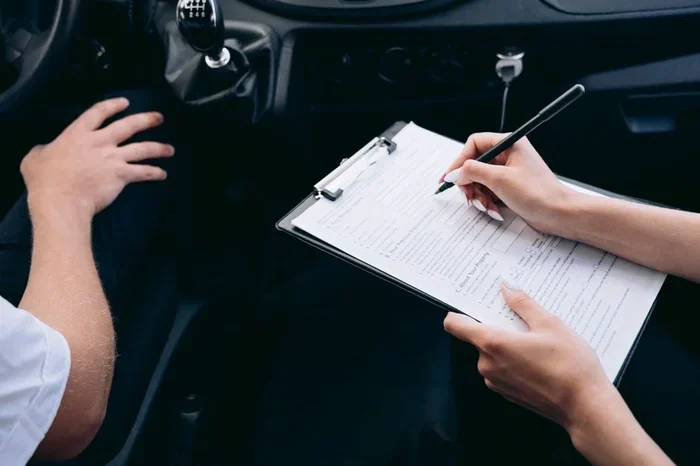
Buying a car without registration can lead to serious legal trouble. Most states require vehicles to be registered before they can be driven on public roads. Understanding the rules helps you avoid fines, penalties, and even vehicle impoundment.
This is a comprehensive guide about is it against the law too buy a car without registartion.
Key Takeaways
- Registration Is Mandatory: You cannot legally drive an unregistered car on public roads in most states.
- Buying vs. Driving Are Different: Purchasing a car without registration is not always illegal, but operating it on public roads is.
- Penalties Are Severe: Driving without registration can result in fines, towing, license suspension, and even court charges.
- Paperwork Matters: Always get a bill of sale, title, and insurance before taking possession of a vehicle.
- Temporary Solutions Exist: Some states offer temporary permits or transit plates for recently purchased vehicles.
- Know Your State Laws: Registration rules vary by state, so always check your local DMV requirements.
[FEATURED_IMAGE_PLACEHOLDER]
Is It Against the Law to Buy a Car Without Registration?
Can you legally buy a car without registering it? The short answer is: it depends on what you plan to do next. Buying a car and driving it on public roads are two different things. The law treats them very differently. Many people wonder about is it against the law to buy a car without registration because they want to save time or handle paperwork later. But the rules are not as simple as they might seem.
The truth is, purchasing a vehicle from a private seller or a dealership does not automatically mean you have registered it. However, the moment you drive that car on a public road, registration becomes a legal requirement. Every state has its own set of vehicle registration laws that you must follow. Ignorance of these laws is not an excuse. This article breaks down everything you need to know about the legal side of buying a car without registration.
Whether you are buying your first car, picking up a used vehicle from a friend, or importing a car from another state, understanding the registration process is essential. Let us walk through the details step by step so you can make informed decisions and stay on the right side of the law.
What Does It Mean to Register a Car?
Car registration is the process of officially recording your vehicle with the state government. It proves that your car meets safety and emissions standards. When you register a car, you receive a registration certificate and license plates. These items must be displayed on the vehicle at all times when driving.
Registration is different from a car title. The title proves ownership. Registration proves the vehicle is legal to operate on public roads. You need both. Here is a simple breakdown of what each document does:
- Car Title: Proves you own the vehicle. It includes your name, the vehicle identification number (VIN), and details about the car.
- Registration: Proves the vehicle is legally registered with the state. It must be renewed periodically, usually every one to two years.
- License Plates: Visible identifiers that must be mounted on the front and rear of the vehicle.
Think of it this way. Buying a car without registration is like buying a house without a deed. You might own it on paper, but you cannot legally prove it or use it the way you want. The process of vehicle registration exists to keep roads safe and ensure that all drivers are accountable.
Can You Legally Buy a Car Without Registering It?
Here is where things get interesting. Buying a car and not registering it immediately is not always illegal. However, there are strict limits on what you can do with an unregistered vehicle. Let us look at the different scenarios.
Purchasing a Car From a Private Seller
When you buy a car from a private seller, you are not required to register it on the spot. You can take possession of the vehicle and handle the paperwork later. But here is the catch. You cannot drive it on public roads without registration and insurance. If you do, you are breaking the law.
Some people make the mistake of driving their newly purchased car home without registration. This is a common error and can lead to a ticket. If a police officer pulls you over and discovers your car is not registered, you could face fines, impoundment, or even arrest in some cases.
Purchasing a Car From a Dealership
Dealerships often handle the registration process for you. When you buy a car from a dealer, they typically help you complete the paperwork on-site. You may leave with temporary plates or a temporary registration permit. This gives you a grace period to complete the full registration at your local DMV.
However, even in this case, you are not technically driving without registration. The dealership provides you with a legal temporary document that allows you to drive the car while the permanent registration is processed. Always ask the dealer about their registration assistance process before you leave the lot.
Buying a Car as a Gift or Inheritance
If someone gifts you a car or you inherit one, the same rules apply. You must register the vehicle before driving it. There is no legal loophole for this. The vehicle must be registered in your name, and you must have proper insurance and plates.
What Happens If You Drive Without Registration?
Driving an unregistered car on public roads is one of the most common traffic violations. The consequences vary by state, but they are almost always serious. Here is what could happen if you get caught.
Fines and Penalties
Most states impose fines for driving without registration. These fines can range from $50 to $500 or more, depending on how long the registration has lapsed. Some states treat it as a misdemeanor, which means it can go on your criminal record.
Vehicle Impoundment
In many cases, police have the authority to tow an unregistered vehicle. If your car gets impounded, you will face additional fees to retrieve it. These fees can add up quickly and become very expensive. The last thing you want is to pay hundreds of dollars in impound fees because you forgot to register your car.
License Suspension
Repeated offenses can lead to a suspension of your driver’s license. Some states will suspend your license if you are caught driving without registration more than once. Losing your license means you cannot legally drive at all, which creates a cycle of legal and practical problems.
Insurance Issues
Driving without registration often means you are also driving without proper insurance. Most states require auto insurance as part of the registration process. If you are involved in an accident while driving an unregistered car, your insurance company may refuse to cover the damages. This could leave you financially responsible for all costs.
How to Properly Register a Car After Purchase
Now that you understand the risks, let us talk about the right way to handle car registration. The process is straightforward if you follow the correct steps.
Step 1: Get a Bill of Sale
Always obtain a bill of sale when buying a car. This document proves the transaction took place and includes important details like the purchase price, date of sale, and names of both parties. A bill of sale protects you legally and is often required by the DMV.
Step 2: Transfer the Title
The seller must sign the title over to you. Make sure all fields are filled out correctly. The title is the most important document in the registration process. Without a properly signed title, you cannot register the vehicle.
Step 3: Get Insurance
Before you visit the DMV, you need auto insurance. Most states require proof of insurance before they will issue registration. Contact an insurance provider and get a policy that meets your state’s minimum requirements.
Step 4: Visit the DMV
Bring all your documents to the DMV or equivalent agency. You will need the title, bill of sale, proof of insurance, and a valid ID. Pay the registration fees and receive your plates and registration certificate. Fees vary by state and vehicle type, so budget accordingly.
Step 5: Display Your Plates
Once you receive your plates, mount them properly on the front and rear of your vehicle. Keep your registration certificate in the car at all times. If you are pulled over, you must be able to present these documents.
Common Mistakes People Make When Buying a Car
Avoiding common mistakes can save you time, money, and legal trouble. Here are some errors to watch out for.
- Skipping the Title Transfer: Never take possession of a car without a signed title. This leaves you vulnerable to fraud and legal disputes.
- Driving Without Insurance: Even if registration is pending, you need insurance the moment you drive the car.
- Ignoring State-Specific Rules: Some states have unique requirements like emissions testing or safety inspections before registration.
- Forgetting Temporary Permits: If you need to drive before permanent registration is complete, check if your state offers temporary permits or transit plates.
- Not Keeping Copies of Documents: Always keep copies of your bill of sale, title, and registration in a safe place.
Taking shortcuts with car paperwork might seem convenient at first, but the consequences can be costly. Always follow the proper process. If you are unsure about any step, contact your local DMV or visit their website for guidance. Staying organized and informed is the best way to avoid legal issues with your vehicle.
Frequently Asked Questions
Can I drive a newly purchased car home without registration?
It depends on your state. Some states allow a short grace period, while others require registration before driving on public roads. The safest approach is to get temporary plates or a transit permit before driving the car. Always check with your local DMV for the specific rules in your area.
What is the penalty for driving without car registration?
Punishments vary by state but commonly include fines ranging from $50 to $500, vehicle impoundment, and possible license suspension. Repeated offenses can lead to more severe penalties, including misdemeanor charges. It is simply not worth the risk.
Do I need registration to buy a car from a private seller?
No, you do not need registration to complete the purchase itself. However, you cannot legally drive the car on public roads until it is registered, titled, and insured in your name. Always arrange for a trailer or tow truck if you need to move an unregistered vehicle.
How long do I have to register a car after purchase?
This varies by state. Some states require registration within 30 days, while others give you up to 60 days. Check your state’s DMV website or contact their office directly to find out the exact timeline. Failing to register on time can result in late fees and penalties.
Can I register a car without a title?
In most cases, no. A title is the primary proof of ownership, and the DMV will not register a vehicle without one. If you have lost the title, you will need to apply for a duplicate from the seller or the previous state of registration. Some states offer alternative processes for vehicles without titles, but these are rare and require additional documentation.
Is it legal to buy a car without a driver’s license?
Yes, you can legally purchase a car without a driver’s license. However, you cannot register or drive it without a valid license. The vehicle would need to be registered in your name, and someone with a valid license would need to operate it. Always verify the specific requirements with your local DMV.
Final Thoughts
The question of is it against the law to buy a car without registration does not have a simple yes or no answer. Buying a car without immediately registering it is not always a crime, but driving it on public roads without proper registration is illegal in every state. The risks far outweigh any convenience you might gain from skipping the registration process.
Always complete the registration process as soon as possible after purchasing a vehicle. Get your bill of sale, transfer the title, secure insurance, and visit the DMV. These steps protect you legally, financially, and practically. They also ensure that you can enjoy your new car without worrying about fines, impoundment, or license suspension.
Stay informed about your state’s specific requirements. Laws change, and what was true last year may not be true today. By keeping up with the rules and following the proper procedures, you can buy and register your car with confidence. Drive safely, stay compliant, and enjoy the road ahead.
Frequently Asked Questions
What is is it against the law too buy a car without registartion?
is it against the law too buy a car without registartion is an important topic with many practical applications.