Can You Put Gear in Disk Cycle Without Breaking It
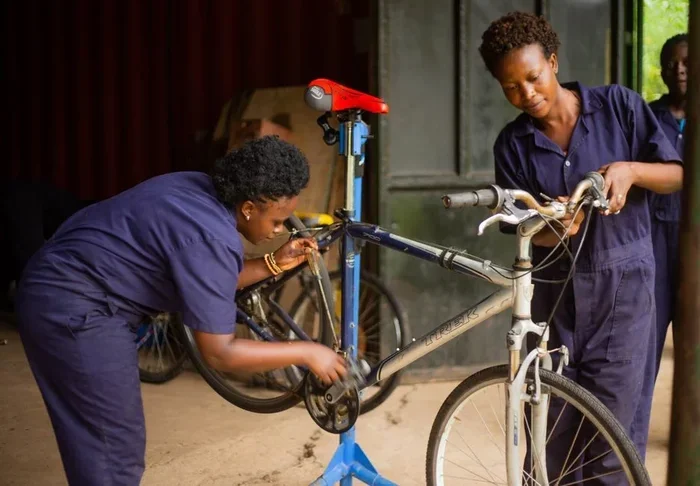
Yes, you can put gear in a disk cycle without breaking it — but only if you use the right technique. Shifting gears on a bike with disc brakes is completely safe when you ease off the pedals during each shift. Understanding your disk cycle gear system helps you avoid costly repairs and keeps every ride smooth and enjoyable.
Riding a bike with disc brakes can feel incredible. The stopping power is amazing, and the confidence it gives you on descents is unmatched. But many riders wonder about one thing: can you put gear in disk cycle without causing damage? The short answer is yes. But like anything with bikes, there are right ways and wrong ways to do it.
Whether you are a beginner cyclist or a seasoned rider, understanding how your disk cycle gear system works is essential. Shifting gears on a bike with disc brakes is perfectly safe — as long as you know what you are doing. In this guide, we will walk you through everything you need to know about shifting gear in disk cycle setups without breaking anything.
The good news is that disc brakes and your drivetrain are completely separate systems. Your disc brake handles stopping, while your gears handle pedaling efficiency. They do not share any mechanical connection. This means that putting gear in a disk cycle should not cause any direct damage to your brake system. But there are still important things to keep in mind.
Key Takeaways
- Safe Shifting Is Always Possible: You can shift gear in disk cycle safely by reducing pedal pressure during every gear change.
- Disc Brakes and Gears Are Independent: The disk brake system and drivetrain operate separately, so they never interfere with each other.
- Cross-Chaining Causes Long-Term Damage: Avoid extreme gear combinations that stretch your chain and wear down your cassette.
- Regular Maintenance Extends Component Life: Cleaning and lubricating your chain keeps your disk cycle running at its best.
- Know When to Replace Worn Parts: Stretched chains, frayed cables, and bent derailleurs all hurt your gear performance.
- Smooth Shifting Comes With Practice: Anticipating terrain changes and shifting proactively makes every ride better.
📑 Table of Contents
- Understanding Your Disk Cycle Gear System
- Can You Shift Gears While Braking?
- Common Mistakes That Can Damage Your Disk Cycle
- Maintenance Comparison: Keeping Your Disk Cycle in Top Shape
- Essential Maintenance for Your Disk Cycle Drivetrain
- When to Replace Gear Components on Your Disk Cycle
- Expert Tips for Long-Lasting Disk Cycle Performance
- Conclusion
Understanding Your Disk Cycle Gear System
Before you start shifting, it helps to understand what is actually happening when you change gears. Your bike’s drivetrain is a system of chains, cassettes, derailleurs, and cables that work together. When you shift gear in disk cycle, you are moving the chain from one sprocket to another. This changes the gear ratio and makes pedaling easier or harder depending on the terrain you are riding.
Most modern bikes have either a single front chainring or two. The rear wheel has a cassette with multiple cogs of different sizes. Your rear derailleur moves the chain across these cogs when you shift. The front derailleur does the same for the chainring if your bike has one. Together, these components give you a wide range of gear ratios for every type of riding.
How Disc Brakes Fit Into the Picture
Disc brakes use a rotor attached to your wheel hub and calipers that squeeze pads against the rotor to create friction. This system has nothing to do with your gears. The disk cycle gear shifting mechanism operates on the rear wheel cassette and front chainring. So your braking system and your gear system work independently of each other. You can shift gear in disk cycle without worrying about your brakes getting involved.
That said, both systems share the same wheel. So if something goes wrong with your wheel or hub, it could affect both braking and gear performance. Keeping your bike well-maintained ensures both systems work smoothly together. If you ever notice grinding or poor shifting, check both your brake pads and your drivetrain for issues.
Can You Shift Gears While Braking?
This is one of the most common questions riders ask. The answer is yes, but with a caveat. You can technically shift gear in disk cycle while lightly applying your brakes. However, it is not ideal practice. When you brake hard, your weight shifts forward, and your rear wheel loses traction. Shifting under heavy braking can put uneven stress on your drivetrain and cause premature wear.
Here is what you should do instead. Ease off the pedals slightly when you want to shift. This reduces tension on the chain and allows the derailleur to move the chain smoothly between gears. Think of it like changing lanes in a car — you do not do it while slamming on the brakes. The same principle applies to your bike.
Best Practices for Smooth Shifting
- Always reduce pedal pressure before shifting gear in disk cycle.
- Shift before you hit a steep hill, not while climbing it.
- Do not shift under heavy load or while sprinting at full effort.
- Use both your front and rear derailleurs for optimal gear range.
- Shift one gear at a time for cleaner, smoother transitions.
- Listen to your bike — grinding or clicking sounds mean something is off.
Common Mistakes That Can Damage Your Disk Cycle
Even though shifting gear in disk cycle is safe, some habits can cause long-term damage to your drivetrain. Let us look at the most common mistakes riders make and how to avoid them.
Cross-Chaining
Cross-chaining happens when you use the extreme combination of your largest front chainring with your largest rear cog, or the smallest front chainring with the smallest rear cog. This puts your chain at an awkward angle and causes extra wear. Over time, cross-chaining can stretch your chain, wear down your cassette, and even damage your rear derailleur.
When you shift gear in disk cycle, try to stay within the middle range of your gears. This keeps the chain running at a healthy angle and reduces unnecessary friction. If you notice your chain skipping or making noise, you might be cross-chaining. A simple fix is to move to a more moderate gear combination.
Shifting Under Full Load
Another mistake is shifting while standing on the pedals with full force. This is especially common when riders are trying to power up a steep hill. The sudden change in chain tension can cause the chain to snap or the derailleur to bend. Always lighten your pedal pressure when you shift gear in disk cycle. A quick half-pedal stroke is all it takes to make a clean shift.
Ignoring Cable Tension
Your gear cables stretch over time. When they do, your shifts become sloppy. You might notice your gears skipping or not clicking into place properly. Regularly checking and adjusting your cable tension is a simple way to keep your disk cycle running smoothly. If you are unsure how to do this, a quick trip to your local bike shop can save you a lot of headaches. A mechanic can adjust your gear indexing in minutes and have your shifts feeling crisp again.
Maintenance Comparison: Keeping Your Disk Cycle in Top Shape
Regular maintenance is the best way to protect your disk cycle gear system. Different tasks have different frequency requirements and impact levels. Here is a quick comparison of essential maintenance tasks.
| Maintenance Task | Frequency | Difficulty | Impact on Gear Performance |
|---|---|---|---|
| Chain Cleaning | Every 100-200 miles | Easy | High — dirty chains cause poor shifting |
| Chain Lubrication | After every wet ride | Easy | High — reduces friction and wear |
| Cable Tension Check | Every 1-2 months | Medium | Medium — loose cables cause skipping |
| Derailleur Alignment | Every 6 months | Medium | High — misaligned derailleurs damage cassette |
| Chain Replacement | Every 2,000-3,000 miles | Easy | Very High — worn chains wear cassettes |
| Full Drivetrain Overhaul | Every 1-2 years | Hard | Very High — restores like-new performance |
Sticking to this maintenance schedule will keep your disk cycle gear system running smoothly for years. If you do your own maintenance at home, having a clean and organized workspace makes the process much easier. A well-lit area with a stable surface helps you inspect every component carefully.
If you keep your bike tools and accessories organized on a well-organized study desk, maintenance becomes much more efficient. Having everything within reach saves time and keeps you focused on the task at hand.
Essential Maintenance for Your Disk Cycle Drivetrain
Keeping your gears and drivetrain in top shape does not have to be complicated. A little regular maintenance goes a long way toward preventing problems and expensive repairs.
Cleaning Your Chain
Your chain is the most exposed part of your drivetrain. It picks up dirt, grime, and moisture every time you ride. A dirty chain causes extra friction, which wears down your gears faster. Use a simple chain cleaner or a rag with degreaser to wipe down your chain every few rides. This one habit can dramatically extend the life of your disk cycle components and keep your shifting crisp.
Good lighting helps you spot issues with your drivetrain during cleaning and inspection. A quality desk lamp can make a big difference when you are inspecting your chain links, cassette teeth, and derailleur alignment. A well-lit workspace turns a quick maintenance check into a thorough inspection.
Lubricating Properly
After cleaning, always apply a quality bike chain lubricant. Wet lubes work best for rainy conditions, while dry lubes are ideal for clean, dry rides. Apply the lube to each link while slowly turning your pedals. Let it sit for a few minutes, then wipe off the excess. Too much lube attracts dirt, which defeats the purpose and creates a gritty paste that accelerates wear.
Checking Your Derailleur Alignment
Your derailleur is the component that moves the chain between gears. If it gets bumped or knocked out of alignment, your shifts will suffer. Periodically check that your derailleur hanger is straight and that the derailleur moves freely. A bent derailleur hanger can cause poor shifting and even damage your cassette. If you notice your chain rubbing against the derailleur cage, it is time for an alignment check.
When to Replace Gear Components on Your Disk Cycle
No matter how well you maintain your bike, parts eventually wear out. Knowing when to replace them can save you from costly repairs and unsafe riding conditions.
Signs Your Chain Needs Replacement
- The chain feels stiff or sticky in certain links.
- You notice rust or corrosion on the metal links.
- Your chain has stretched beyond the recommended limit — use a chain checker tool to measure.
- Gears start skipping even after proper adjustment.
- You hear clicking or popping sounds while pedaling.
Signs Your Cassette or Chainring Is Worn
If your chain skips under load even after replacement, your cassette or chainring might be worn. A worn cassette will not mesh properly with a new chain, causing poor performance and rough shifts. Replace these components as a set for the best results. A new chain on a worn cassette is like a new tire on a bald rim — it will not last long.
Expert Tips for Long-Lasting Disk Cycle Performance
Want to get the most out of your bike? Here are some expert-backed tips that will keep your gear system running beautifully for years.
First, always shift before you need to. Anticipate terrain changes and adjust your gears proactively. This reduces the strain on your drivetrain and makes for smoother transitions. Second, store your bike in a dry place. Moisture is the enemy of metal components, and it accelerates rust and corrosion on your chain, cassette, and derailleur. If your bike storage area is indoors, consider adding a small plant on your desk near your bike workspace. It improves air quality and creates a more pleasant environment for maintenance tasks.
Third, get a professional tune-up at least once a year. Even if you do your own basic maintenance, a bike shop can spot issues you might miss. They can adjust your disk cycle gear system with precision tools that ensure everything is perfectly aligned. Fourth, invest in quality components. Cheap chains and cassettes wear out faster and shift poorly. Spending a little more on quality parts saves you money in the long run and gives you a much better riding experience.
Finally, pay attention to how your bike feels. Your body often knows something is wrong before your eyes do. If shifting feels sluggish or you hear unusual noises, address it immediately. Catching small problems early prevents them from becoming big, expensive repairs.
Conclusion
So, can you put gear in disk cycle without breaking it? Absolutely. The key is understanding how your drivetrain works and treating it with care. Shift smoothly, reduce pedal pressure during every change, and avoid extreme gear combinations. Your disk cycle gear system is built to handle normal riding demands, and with proper maintenance, it will serve you well for thousands of miles.
Take the time to learn your bike, maintain it regularly, and ride with confidence. Your disk cycle will reward you with smooth, reliable performance every time you hit the road or trail. Shift smart, ride safe, and enjoy every mile.
Frequently Asked Questions
Can shifting gears damage my disc brakes?
No, shifting gears does not damage your disc brakes. The gear system and the braking system are completely separate components on your bike. They operate independently and do not share any mechanical connection. Your disc brakes handle stopping power, while your gears control pedaling resistance.
How often should I shift gear in disk cycle?
You should shift whenever the terrain changes or when you feel resistance while pedaling. There is no set rule for how often, but experienced riders shift proactively before hills, turns, or changes in surface. The key is to shift before you need to, not while you are already struggling on the pedals.
What is the best gear ratio for climbing hills on a disk cycle?
For climbing, use a smaller front chainring paired with a larger rear cog. This gives you a lower gear ratio that makes pedaling easier on steep inclines. Most riders find that using the inner chainring with a mid-to-large rear cog provides the best balance of power and comfort when climbing.
Can I use any lubricant on my bike chain?
It is best to use a lubricant specifically designed for bicycle chains. Automotive oils and household lubricants can attract dirt and cause premature wear. Wet lubes work well in rainy conditions, while dry lubes are better for clean, dry environments. Always wipe off excess lube after application to prevent dirt buildup on your drivetrain.
Why does my chain skip when I shift gear in disk cycle?
Chain skipping usually happens when the cable tension is off, the chain is worn, or the derailleur is misaligned. Start by checking your cable tension and adjusting it if needed. If the chain is old and stretched, replace it. If the problem persists, have your derailleur inspected by a professional mechanic to rule out any hidden damage.
Is it hard to maintain a disk cycle gear system at home?
Basic maintenance is quite simple and can be done at home with minimal tools. Cleaning your chain, lubricating it, and checking cable tension are tasks most riders can do in under 30 minutes. More complex adjustments like derailleur alignment may require specialized tools, but even those can be learned with a little practice and patience.