Cost to Check and Fix VSA Light on Your 2010 Acura TSX
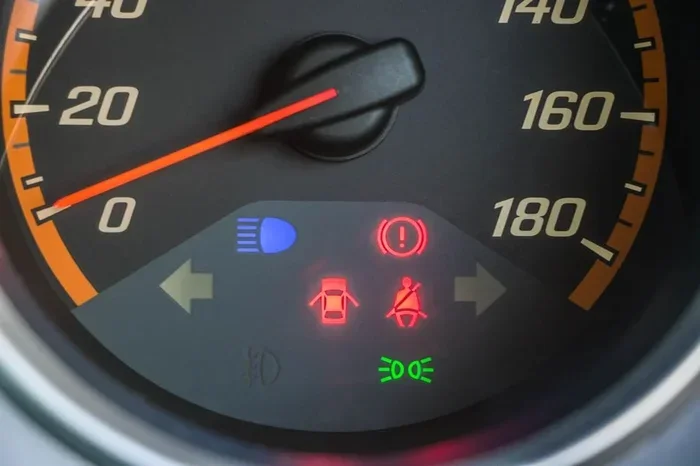
The cost to check and fix VSA light on 2010 Acura TSX ranges from $100 for a basic diagnostic to $800+ for full system repairs. Most VSA light issues stem from faulty wheel speed sensors, a malfunctioning VSA module, or low brake fluid. Understanding the root cause helps you budget accurately and avoid unnecessary expenses at the shop.
This is a comprehensive guide about cost to check and fix vsa light on 2010 acura tsx.
Key Takeaways
- Diagnostic costs: Expect to pay $75–$150 just to read the VSA error codes on your 2010 Acura TSX.
- Common causes: Faulty wheel speed sensors, low brake fluid, and a bad VSA module trigger the light most often.
- Repair costs vary widely: Simple sensor replacements run $100–$300, while VSA module repairs can reach $500–$800.
- DIY is possible: If you have basic tools, replacing a wheel speed sensor is one of the easier fixes you can do at home.
- Driving with the VSA light on: The car remains drivable, but stability and traction control are disabled, which affects safety.
- Preventive maintenance: Regular brake fluid checks and sensor cleaning can help you avoid VSA light issues altogether.
[FEATURED_IMAGE_PLACEHOLDER]
You are driving your 2010 Acura TSX down the highway, and suddenly the VSA light flickers to life on your dashboard. Your heart sinks. What does it mean? How much will it cost to fix? You are not alone. Thousands of Acura TSX owners face this exact situation every year, and the cost to check and fix VSA light on 2010 Acura TSX can vary quite a bit depending on what is causing the problem.
The Vehicle Stability Assist system is one of the most important safety features on your TSX. When the VSA light comes on, it means the system has detected a problem and has likely shut itself off to protect you. In this guide, we will break down every cost you might face, from the initial diagnostic scan to the final repair bill. Whether you plan to handle the fix yourself or visit a mechanic, this article gives you the information you need to make smart decisions.
We will walk through the most common reasons the VSA light appears on a 2010 Acura TSX, what each repair typically costs, and how you can save money without cutting corners. By the end, you will have a clear picture of what to expect and how to approach the problem with confidence.
What the VSA Light Means on a 2010 Acura TSX
The VSA warning light looks like the letters “VSA” inside a triangle with an exclamation mark. On your 2010 Acura TSX, this indicator is part of the Vehicle Stability Assist system. This system helps you maintain control during slippery conditions, sharp turns, or sudden maneuvers. It works by adjusting engine power and applying brakes to individual wheels as needed.
When the VSA light stays on or flashes, it signals that something in the system is not working correctly. The car does not stop running. You can still drive it. However, you lose the benefits of stability control and traction control. This makes driving in rain, snow, or on uneven surfaces more risky. That is why addressing the issue promptly matters for both your safety and your wallet.
Why Does the VSA Light Come On?
Several things can trigger the VSA light on a 2010 Acura TSX. Here are the most common culprits:
- Faulty wheel speed sensors: These sensors monitor how fast each wheel spins. When one fails, the VSA system cannot calculate stability correctly.
- Low brake fluid: The VSA system relies on the braking system. Low fluid levels will trigger a warning.
- Bad VSA module: The control module itself can malfunction or develop electrical issues over time.
- ABS sensor problems: Since the VSA system works closely with the ABS, any ABS issue can activate the VSA light.
- Wiring or connector issues: Corroded or damaged wiring harnesses can interrupt signals between sensors and the module.
- Faulty steering angle sensor: This sensor tells the VSA system where the steering wheel is pointed. A calibration error can trigger the light.
Each of these causes leads to a different repair cost. That is why getting a proper diagnosis is the essential first step in the cost to check and fix VSA light on 2010 Acura TSX process.
Cost to Diagnose the VSA Light
Before any repair happens, a mechanic needs to read the trouble codes stored in your TSX’s computer. This diagnostic step is where the VSA light check cost begins. Most shops charge a flat diagnostic fee that covers the time it takes to connect an OBD-II scanner and pull the error codes.
| Diagnostic Service | Average Cost | Time Required |
|---|---|---|
| Basic OBD-II Scan | $75–$100 | 15–30 minutes |
| Extended VSA System Diagnosis | $100–$150 | 30–60 minutes |
| Dealership Diagnostic | $100–$200 | 30–60 minutes |
The diagnostic fee alone gives you a clear starting point for your 2010 Acura TSX VSA repair budget. Independent shops tend to charge less than dealerships, but dealerships have access to Acura-specific software that may provide more detailed information about VSA-related faults.
Some auto parts stores, like AutoZone or O’Reilly, will read codes for free. However, they cannot reset the system or perform the deeper testing needed to pinpoint the exact cause. Use free scans as a starting point, not a final diagnosis.
Repair Costs for Common VSA Light Issues
Once you know what is causing the VSA light, you can estimate the repair cost. Here is a detailed breakdown of the most common fixes for a 2010 Acura TSX.
Wheel Speed Sensor Replacement
This is the most frequent cause of the VSA light. Each sensor costs between $25 and $50 for the part. Labor at a shop adds $80 to $150 per sensor. If only one sensor needs replacing, your total VSA sensor repair cost will likely fall between $100 and $200.
If you are handy, replacing a wheel speed sensor is one of the more manageable DIY Acura TSX repairs. The sensor is usually located near the wheel hub or axle. You need a socket set and about 30 minutes of time. Just remember to clean the sensor mounting area before installing the new part.
Brake Fluid Top-Off or Flush
Low brake fluid is a simple and inexpensive fix. A bottle of DOT 3 or DOT 4 brake fluid costs around $10 to $15. If the shop just tops off the reservoir, you may pay only $20 to $40 for labor. A full brake fluid flush runs $80 to $150, which is a good idea if the fluid has not been changed recently.
After adding or changing brake fluid, the VSA light should turn off once the system recalibrates. If it does not, you may need a scan tool to reset the codes manually.
VSA Module Repair or Replacement
A faulty VSA module is the most expensive repair on this list. The module itself costs between $300 and $600 for a used or remanufactured unit. New modules from the dealer can run $600 to $1,000 or more. Labor for installation and programming adds another $100 to $300.
This is where the total cost to check and fix VSA light on 2010 Acura TSX can climb to $500–$800 or higher. If your mechanic recommends a module replacement, always ask whether a refurbished unit would work just as well. Remanufactured modules come with warranties and can save you hundreds of dollars.
Steering Angle Sensor Calibration
If the steering angle sensor needs recalibration, the cost is relatively low. Most shops charge $50 to $100 for this procedure. It involves using a scan tool to align the sensor to the center position. This fix is common after a steering column repair or a battery disconnect.
DIY vs. Professional Repair: Which Saves More?
Deciding between fixing the VSA light yourself or visiting a mechanic depends on your skills, tools, and the specific problem. Here is a helpful comparison.
When DIY Makes Sense
- Wheel speed sensor replacement: Simple tools and clear online tutorials make this a great first DIY project.
- Brake fluid top-off: Anyone can open the reservoir and add fluid. Just make sure you use the correct DOT rating.
- Checking fuses: A blown fuse in the VSA circuit can trigger the light. Checking fuses costs nothing but a few minutes.
When You Need a Professional
- VSA module replacement: Programming and calibration require dealer-level tools and expertise.
- Wiring repairs: Tracing and fixing damaged wiring harnesses demands experience and specialized equipment.
- Steering angle sensor calibration: This requires a compatible scan tool that can communicate with the Acura VSA system.
As a rule of thumb, if the repair involves electrical components or module programming, leave it to a professional. The cost to check and fix VSA light on 2010 Acura TSX is already significant enough that a botched DIY repair could lead to even bigger expenses down the road.
How to Reduce Your VSA Repair Costs
Nobody wants to overspend on car repairs. Here are practical tips to keep your Acura TSX VSA fix cost as low as possible.
- Get multiple quotes. Call at least two or three shops before committing. Independent mechanics often charge 30–50% less than dealerships for the same work.
- Buy your own parts. For simple jobs like sensor replacement, purchasing the part online and bringing it to the shop can save you the shop’s parts markup.
- Check for recalls or Technical Service Bulletins. Acura occasionally issues bulletins that cover free or discounted repairs for known VSA issues. Ask your dealer if any apply to your 2010 TSX.
- Stay on top of maintenance. Regular brake fluid changes and sensor cleaning can prevent VSA problems before they start. Think of it as an investment that pays off in avoided repair bills.
- Learn basic diagnostics. A $30 OBD-II scanner for your home lets you read codes yourself. You will know exactly what you are dealing with before walking into a shop, which prevents being quoted for unnecessary work.
Is It Safe to Drive with the VSA Light On?
The short answer is yes, but with caution. Your 2010 Acura TSX will still accelerate, brake, and steer normally. However, without the VSA system active, you have less protection during slippery or emergency driving conditions. The car is more likely to skid or lose traction on wet roads, gravel, or sharp turns.
If the VSA light comes on while you are driving, reduce your speed and avoid sudden maneuvers. Get the car checked as soon as possible. Driving extended periods with the VSA light on also means the system is not recording data it may need for future diagnostics.
Think of the VSA system as a safety net. When it is working, you have an extra layer of protection. When it is off, you are relying solely on your driving skills and the basic braking and stability systems. For that reason, treating the VSA light promptly is not just about saving money, it is about keeping yourself and others safe on the road.
Preventing Future VSA Light Issues
Once you have resolved the VSA light problem, you will want to keep it from coming back. Here are a few habits that help:
- Check brake fluid monthly. A quick peek under the hood takes less than a minute and catches low fluid early.
- Keep your wheels clean. Dirt and road grime build up around wheel speed sensors and can cause false readings. A simple rinse during car washes helps.
- Address warning lights immediately. Ignoring even minor dashboard warnings can let small problems snowball into expensive repairs.
- Follow the Acura maintenance schedule. Regular service keeps all systems, including VSA, running at peak performance.
These small efforts add up. A well-maintained 2010 Acura TSX can easily go years without VSA light trouble, saving you both money and stress.
Final Thoughts
The cost to check and fix VSA light on 2010 Acura TSX does not have to be overwhelming. Most VSA light issues boil down to a faulty wheel speed sensor, low brake fluid, or a calibration problem, all of which are affordable to fix. Even the more serious VSA module replacement, while pricier, is a repair that restores your car’s safety systems and gives you peace of mind.
The key is to act quickly. The longer you drive with the VSA light on, the more you compromise your safety and potentially worsen the underlying problem. Get a diagnosis, understand the cause, and choose the repair path that fits your budget and skill level. Whether you go DIY or visit a trusted mechanic, you now have the knowledge to handle this situation with confidence.
Your 2010 Acura TSX is a solid, reliable car. A VSA light does not mean the end of the road. It simply means it is time to give your car the attention it deserves. Take care of it, and it will keep taking care of you on every drive.
Can I Use a Desk Lamp to Help See Under the Hood at Night?
If you are working on your 2010 Acura TSX in a dim garage, a good ambient light desk lamp can make a huge difference in visibility. While it will not fix the VSA light itself, proper lighting helps you inspect sensors, check brake fluid levels, and read labels under the hood more easily. Many mechanics and DIYers keep a bright portable lamp in their garage for exactly this reason.
Where Should I Store My Car Repair Manual and Tools?
Keeping your Acura TSX repair manual, OBD-II scanner, and basic tools organized makes future repairs much smoother. If you have a dedicated workspace, think about how you arrange your workspace to keep everything within reach. A clutter-free area reduces the chance of losing small parts or connectors during a VSA sensor replacement.
Where Can I Buy Replacement Parts for My Acura TSX?
For wheel speed sensors, brake fluid, and other VSA-related parts, you can find affordable options at online auto parts retailers or local shops. If you prefer to shop in person, many auto parts stores carry a wide selection of sensors and fluids, and some even offer price matching to help you stay within budget.
Frequently Asked Questions
What is the average total cost to check and fix the VSA light on a 2010 Acura TSX?
Most owners pay between $150 and $400 for a complete diagnosis and repair. Simple fixes like a wheel speed sensor or brake fluid top-off fall on the lower end, while VSA module replacements push costs toward the higher end. Getting an accurate diagnosis first ensures you do not overpay for unnecessary work.
Can I drive my 2010 Acura TSX with the VSA light on?
Yes, the car remains drivable. However, the stability and traction control systems are disabled, which reduces safety in slippery or emergency conditions. Drive cautiously and get the issue diagnosed and repaired as soon as possible.
How do I reset the VSA light after a repair?
After fixing the underlying problem, a mechanic can use an OBD-II scanner to clear the trouble codes and reset the VSA light. In some cases, the light turns off automatically after a few drive cycles if the problem has been resolved.
Is it safe to replace a wheel speed sensor myself on a 2010 Acura TSX?
Absolutely. This is one of the more straightforward DIY repairs on the TSX. You need basic hand tools, about 30 minutes, and a replacement sensor that matches your vehicle. Just make sure to clean the sensor area thoroughly before installing the new part.
Why does my VSA light keep coming back after I fix it?
A recurring VSA light usually means the root cause was not fully addressed. It could be a wiring issue, a second faulty sensor, or a problem with the VSA module itself. Return to the shop for a more thorough diagnosis, and ask the mechanic to check all related components, not just the one that was previously replaced.
How often should I check my brake fluid to prevent VSA light issues?
Checking your brake fluid once a month is a smart habit. Low brake fluid is one of the most common and easiest-to-fix triggers for the VSA light on a 2010 Acura TSX. A quick visual check under the hood takes less than a minute and can save you from an unexpected warning light.