The Best Oil Change Places for Quick and Affordable Service
Finding the best oil change places doesn’t have to be hard or expensive. This guide breaks down top-rated spots for fast, reliable oil changes at fair prices. You’ll learn how to compare costs, what to look for in a quality service, and expert tips to keep your car running smoothly without overpaying.
Let’s face it. Nobody loves getting an oil change. It’s not exactly fun, and the cost can sting. But here’s the thing — it’s one of the most important things you can do for your car. Regular oil changes keep your engine running smooth and prevent costly repairs down the road.
The good news? You don’t have to break the bank. There are plenty of best oil change places out there that offer fast, affordable service without cutting corners. Whether you prefer a quick lube chain, a local garage, or even a DIY setup, this guide covers it all. Let’s dive in and find the right spot for you.
Key Takeaways
- Know Your Options: From quick lube chains to independent shops, there are many affordable oil change places to choose from.
- Compare Prices: Oil change costs vary widely, so checking multiple places saves you real money.
- Look for Deals: Many shops offer coupons and seasonal discounts that can cut your bill significantly.
- Check Reviews: Online ratings and customer feedback help you spot the best oil change spots in your area.
- Ask the Right Questions: Knowing what oil your car needs and how often to change it prevents upselling.
- DIY Is an Option: If you’re handy, changing your own oil can save the most money over time.
📑 Table of Contents
- Why Finding the Right Oil Change Place Matters
- Types of Oil Change Places You Should Know About
- How to Find the Best Oil Change Places Near You
- What to Expect During an Oil Change
- Quick Tips for Saving Money on Oil Changes
- Common Mistakes People Make When Choosing an Oil Change Place
- Expert Insights on Choosing the Best Oil Change Service
- How Often Should You Really Change Your Oil?
- Final Thoughts on Finding the Best Oil Change Places
Why Finding the Right Oil Change Place Matters
Your car’s engine is like its heart. Oil keeps everything lubricated and cool. When the oil gets old and dirty, it stops working properly. That’s where affordable oil change services come in. But not all shops are created equal.
Choosing the right place affects more than just your wallet. It affects the quality of service, the type of oil used, and how long the job takes. A rushed job with cheap oil can lead to engine problems later. On the flip side, a good shop uses quality products and does the job right.
Here’s what makes a great oil change service spot stand out:
- Transparent pricing — no hidden fees or surprises
- Quality oil and filters — not the cheapest stuff on the shelf
- Fast turnaround — most places take 15 to 30 minutes
- Certified technicians — trained professionals who know your car
- Clean facility — a tidy shop shows they care about their work
When you find a place that checks all these boxes, you’ve hit the jackpot. You can book your oil change near me with confidence and know your car is in good hands.
Types of Oil Change Places You Should Know About
Not all oil change spots are the same. Each type has its own strengths. Let’s break down the main options so you can decide what works best for your needs.
Quick Lube Chains
These are the big-name spots you see on every corner. Places like Jiffy Lube, Valvoline, and Express Oil Change dominate this space. They’re known for speed and convenience. Most quick oil change locations can get you in and out in under 20 minutes.
The upside is clear: fast service and easy booking. Many chains also offer online scheduling and loyalty programs. The downside? They sometimes push extra services you don’t need. Always ask questions before agreeing to anything beyond a basic oil change.
Independent Auto Shops
Local shops are the unsung heroes of car maintenance. They often charge less than chains and provide more personalized service. Many independent mechanics have been in the business for decades. They know cars inside and out.
One of the best things about local auto shop visits is the relationship you build. The staff remembers your name, your car, and your preferences. That personal touch is hard to beat. Plus, you’re supporting a small business in your community.
Dealership Service Centers
If your car is still under warranty, the dealership might be your best bet. They use manufacturer-approved parts and follow your car’s specific service schedule. The downside? Dealership service tends to cost more than other options.
However, once your warranty expires, you can save money by switching to an independent shop or quick lube. For most cars, a synthetic oil change at a dealership isn’t necessary after the warranty period ends.
DIY Oil Changes
For the handy folks out there, doing it yourself is the ultimate money-saver. All you need is the right oil, a filter, a wrench, and a drain pan. You can find quality supplies at any auto parts store.
DIY oil changes give you full control over what goes into your engine. You choose the oil brand, the weight, and the filter quality. It also saves you from paying labor costs, which can add up fast. Just make sure you dispose of the old oil properly at a recycling center.
How to Find the Best Oil Change Places Near You
So you know what types of places exist. Now let’s talk about how to actually find the best ones in your area. These tips will help you narrow down your options fast.
Check Online Reviews
Start with Google Reviews, Yelp, and Facebook. Look for shops with at least a 4-star rating and a decent number of reviews. Pay attention to what people say about wait times, pricing, and workmanship. A pattern of complaints about upselling is a red flag.
Look for Oil Change Coupons
Many shops offer oil change coupons online or through their apps. These can save you 10 to 30 percent on a standard oil change. Some places also run seasonal promotions, especially in spring and fall when car maintenance peaks.
Signing up for a shop’s email list is another smart move. You’ll get deals sent straight to your inbox. Over time, these savings add up nicely.
Compare Oil Change Prices
Don’t just go with the first place you find. Call or check websites for current pricing. A basic conventional oil change typically costs between $35 and $75. Synthetic blends run $50 to $80, and full synthetic can go from $70 to $120.
Keep in mind that prices vary by location and shop type. Chains sometimes advertise low prices to get you in the door, then add on extras. Independent shops often include more in their base price.
Ask for Recommendations
Friends, family, and coworkers are goldmines for honest recommendations. Ask someone who drives a similar car to yours. Their experience will be more relevant to your situation. Word-of-mouth remains one of the best ways to find trustworthy oil change places.
What to Expect During an Oil Change
Knowing what happens during a service helps you feel more confident. It also helps you spot if something goes wrong. Here’s a step-by-step look at a standard oil change.
- Vehicle inspection — The tech checks your fluid levels, tire pressure, and overall condition.
- Draining old oil — The drain plug is removed, and old oil flows out into a catch pan.
- Replacing the filter — A new oil filter is installed to keep contaminants out.
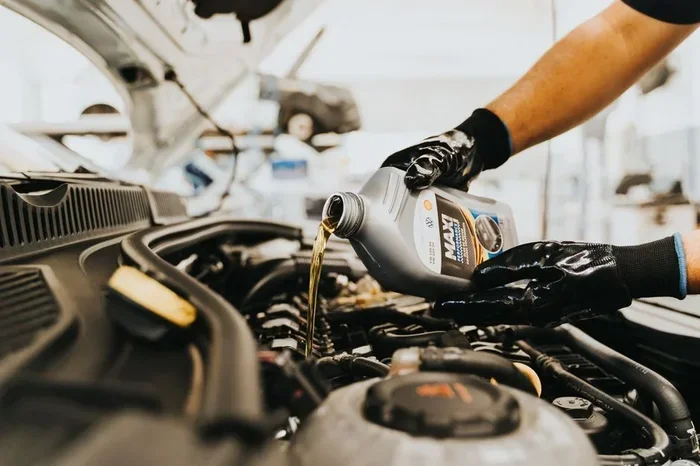
- Adding fresh oil — The tech pours in the correct type and amount of oil for your engine.
- Final check — The engine is started, the dipstick is checked, and any leaks are inspected.
A good shop also resets your service reminder light and provides a printed receipt with the date and mileage. This helps you track when your next oil change frequency should be. Most cars need an oil change every 5,000 to 7,500 miles for conventional oil, or every 7,500 to 10,000 miles for synthetic.
Quick Tips for Saving Money on Oil Changes
Saving money on car maintenance is smart. You don’t have to sacrifice quality to do it. Here are some practical tips that actually work.
- Stick to the recommended interval. Changing oil too often wastes money. Changing it too late risks engine damage. Follow your owner’s manual.
- Buy oil change packages. Many places offer multi-change bundles that bring the per-service cost down significantly.
- Use manufacturer rebates. Brands like Mobil 1 and Castrol often offer mail-in rebates on their products.
- Keep your own records. Tracking your oil changes helps you avoid unnecessary services at shops that try to upsell.
- Clean up after yourself. If you do a DIY oil change, a best wet wipes set makes cleanup a breeze. Keep a few packs in your garage for quick mess removal.
Another great tip is to keep your garage floor clean after any oil spill. A best push broom handy near your workspace makes sweeping up fast and easy. A clean workspace also helps you spot leaks and spills right away.
Pro Tip: If you work on your car in a home garage, keeping a quality desk mat under your tools can protect the floor and make cleanup simple. It catches drips and keeps your workspace organized. This small step goes a long way in maintaining a clean garage environment.
Also, don’t forget about post-oil-change cleanup. A spin mop works great for mopping up any oil spots on your garage floor. It’s quick, efficient, and keeps your space tidy after every service.
Common Mistakes People Make When Choosing an Oil Change Place
Even smart car owners make mistakes here. Avoiding these common errors saves you time, money, and headaches.
Choosing Based on Price Alone
The cheapest option isn’t always the best. Extremely low prices can mean low-quality oil or skipped steps. You want a balance of affordability and quality. Look for a shop that offers fair pricing with solid service.
Ignoring the Type of Oil
Not all oil is the same. Your car needs a specific weight and type — check your owner’s manual. Using the wrong oil can hurt engine performance over time. A good oil change center will ask you what your car needs and confirm it matches your manual.
Skipping the Oil Filter
Some places try to upsell you, but a basic oil change should always include a new filter. The filter catches dirt and debris that would otherwise circulate through your engine. Never let a shop skip this step.
Not Asking Questions
If a tech recommends extra services, ask why. What problem are they solving? What happens if you skip it? A trustworthy shop will explain clearly and give you the choice. You’re always in control of what gets done to your car.
Expert Insights on Choosing the Best Oil Change Service
We spoke with a few certified auto technicians to get their take on what separates a great oil change spot from an average one. Here’s what they had to say.
“The best shops are honest and transparent,” says Mike R., a ASE-certified mechanic with over 15 years of experience. “They show you the old oil and filter. They explain what they did. And they don’t pressure you into services you don’t need.”
“Watch out for shops that always find something wrong,” adds Sarah T., a longtime auto shop owner. “If every visit comes with a long list of recommended repairs, that’s a red flag. A good shop focuses on what your car actually needs.”
Another key factor is consistency. Find a place that uses the same quality oil and filter every time. Consistency builds trust, and trust builds a long-term relationship with your oil change service provider.
Also, consider the overall experience. Was the waiting area clean and comfortable? Did the staff communicate clearly? These details matter more than you’d think. A best oil change place makes you feel respected and informed from the moment you walk in.
How Often Should You Really Change Your Oil?
This is one of the most debated topics in car maintenance. The old rule was every 3,000 miles or three months. But modern cars and modern oils have changed the game.
Most newer vehicles can go 7,500 to 10,000 miles between changes. The key is checking your owner’s manual. It has the exact schedule for your specific make and model. Here’s a quick breakdown:
- Conventional oil: Every 5,000 to 7,500 miles
- Synthetic blend: Every 5,000 to 10,000 miles
- Full synthetic oil: Every 7,500 to 10,000 miles
Driving habits also play a role. If you tow heavy loads, drive in stop-and-go traffic, or operate in extreme heat, you may need more frequent changes. Listen to your car and watch for warning signs like dark or gritty oil, engine noise, or the oil change light on your dashboard.
Staying on top of your oil change frequency is one of the simplest ways to extend your engine’s life. It’s a small investment that pays off big time over the years.
Final Thoughts on Finding the Best Oil Change Places
Finding the best oil change places comes down to a mix of research, reviews, and personal preference. You want a shop that’s affordable, fast, and honest. Whether you choose a national chain, a local independent shop, or a DIY approach, the most important thing is consistency.
Don’t wait until your oil light comes on. Stay ahead of your maintenance schedule and build a relationship with a trusted service provider. Your car will thank you with better performance, better fuel economy, and fewer surprise repairs. A little effort in choosing the right place goes a long way toward keeping your engine healthy for years to come.
Start today. Search for oil change places near me, compare a few options, and book your next service with confidence. You’ll be glad you did.
Frequently Asked Questions
How much does an oil change usually cost?
A basic oil change typically costs between $35 and $75 for conventional oil. Synthetic oil changes run from $70 to $120. Prices vary based on your location, the type of oil used, and the shop you choose. Always check for oil change coupons to save extra money.
How long does an oil change take?
Most quick oil change locations finish the job in 15 to 30 minutes. Independent shops may take a bit longer, especially if they perform a full inspection. Plan for about 30 minutes to be safe, even if it’s done faster.
Can I change my own oil at home?
Yes, absolutely. DIY oil changes save the most money over time. You’ll need basic tools, the right oil, a new filter, and a drain pan. Just make sure you dispose of the old oil properly at a recycling center. Many auto parts stores also accept used oil for free.
What happens if I skip an oil change?
Old oil breaks down and loses its ability to lubricate your engine. This leads to increased friction, overheating, and eventually serious engine damage. Skipping oil changes is one of the cheapest ways to cause an expensive repair. Stay on schedule to protect your engine.
How do I know which oil my car needs?
Your owner’s manual has the exact oil specifications for your vehicle. Look for the recommended weight (like 5W-30) and type (conventional, synthetic blend, or full synthetic). When in doubt, ask a trusted technician at your oil change center.
Are quick lube chains trustworthy?
Most major chains are reliable and use quality products. The key is to stay informed and ask questions. Review the work before you leave, make sure they used the correct oil, and don’t feel pressured into add-on services. A good oil change service provider welcomes your questions.