I Purchased a Used Car from a Dealership What I Learned
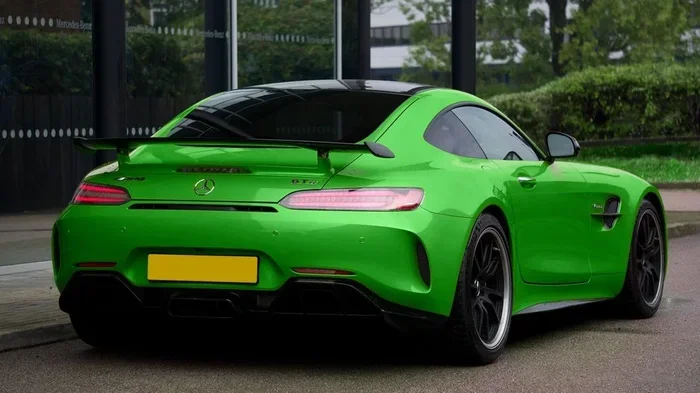
I Purchased a Used Car from a Dealership and the journey taught me more than I expected. From researching the right model to negotiating the final price, every step matters when buying a pre-owned vehicle. This article shares the real lessons I learned, including how to avoid common pitfalls and make a smart car purchase. Whether you are a first-time buyer or a seasoned shopper, these tips will help you navigate the used car market with confidence.
I purchased a used car from a dealership last year, and the experience changed how I think about buying vehicles. Before that day, I had no idea how much research, patience, and preparation goes into making a smart used car purchase. I walked in hoping to grab something quick and drove out with a much bigger education than I expected.
Buying a pre-owned vehicle from a car dealership is not just about picking a color and signing papers. There are inspections to consider, negotiations to handle, and paperwork to review carefully. In this article, I will walk you through everything I learned so you can avoid my mistakes and make a confident automotive purchase.
Key Takeaways
- Do Your Homework First: Research the model, price range, and dealer reputation before stepping onto the lot.
- Inspect Thoroughly: Always get a vehicle inspection and check the history report before signing anything.
- Negotiate with Confidence: Know the fair market value and be ready to walk away if the deal does not feel right.
- Read the Fine Print: Understand the warranty, return policy, and any hidden fees before finalizing the purchase.
- Trust Your Gut: If something feels off about the dealer or the vehicle, trust your instincts and keep looking.
- Plan Your Financing Ahead: Secure your car loan or financing options before visiting the dealership.
- Take Your Time: Rushing a used car purchase is the number one mistake buyers make.
📑 Table of Contents
Why I Decided to Buy a Used Car
The idea of buying a pre-owned vehicle came down to simple math. New cars lose value fast, and I did not want to spend more than I needed to. A used car offered me the chance to get a reliable vehicle without the steep depreciation hit that comes with driving off a new car lot.
I also wanted to explore the used car market in my area. There are so many options out there, from private sellers to large dealerships. I chose a dealership because I wanted some level of protection and accountability. Plus, many dealers offer car warranties and return policies that private sellers simply cannot match.
What I Looked for Before Visiting the Lot
Before I even set foot on a dealership lot, I spent weeks researching. I looked at different models, compared prices, and read reviews from other buyers. I also checked my credit score because that directly affects car financing options and interest rates.
I made a list of must-have features and nice-to-have features. This helped me stay focused when I was browsing vehicles. I also set a budget and stuck to it. It is easy to get carried away when you see a shiny car that looks amazing on the lot.
How I Chose the Right Dealership
Not all dealerships are the same, and I learned this the hard way. I visited three different dealers before I found one that felt right. The first one was pushy and did not answer my questions. The second one had a limited inventory. The third dealer was patient, honest, and willing to let me take my time.
What Makes a Dealer Trustworthy
A good dealer reputation matters more than most people realize. I checked online reviews, asked friends for recommendations, and looked at the dealer’s rating with the Better Business Bureau. I also paid attention to how the staff treated me during my first visit.
Here are the qualities I looked for in a trustworthy dealer:
- Transparent pricing with no hidden fees
- Friendly and knowledgeable staff
- A clean and well-organized showroom
- Positive online reviews from real customers
- A clear return and warranty policy
I also liked that the dealer I chose had a wide selection of vehicles. This gave me options and made me feel like I was in control of the process. Much like when you research where can I buy a desk lamp, the key is finding the right source that offers quality and trustworthiness.
The Inspection and Test Drive Process
This was one of the most important parts of my journey. I refused to buy any vehicle without a thorough inspection and a long test drive. The test drive was not just a quick spin around the block. I drove the car on highways, side streets, and even over some bumps to test the suspension.
What I Checked During the Test Drive
I paid close attention to how the car handled, how the brakes felt, and whether there were any strange noises. I also checked the air conditioning, the infotainment system, and all the lights. Every small detail matters when you are buying a pre-owned vehicle.
Here is what I focused on during my test drive:
- Engine performance and acceleration
- Braking responsiveness
- Steering and alignment
- Comfort of the seats and cabin space
- Visibility from all angles
- Any unusual sounds or vibrations
I also asked the dealer if I could have the car inspected by my own mechanic. A good dealer will welcome this request. If they push back, that is a red flag. I treated the inspection the same way I would approach how to organize a study desk — with a careful, methodical eye for every detail.
Getting a Vehicle History Report
Before I agreed to anything, I ran a vehicle history report using the car’s VIN number. This report told me about past accidents, ownership history, and whether the car had any title issues. It was one of the smartest things I did during the entire process.
The report revealed that the car I was looking at had been in a minor fender bender two years ago. The dealer was upfront about it, and the price reflected the damage. I felt confident moving forward because there were no surprises hiding in the history.
Negotiating the Price Like a Pro
Negotiation is where many buyers feel nervous, but I found it to be one of the most rewarding parts of the process. I knew the fair market value of the car I wanted before I walked in. I used online tools to compare prices for similar models in my area.
My Negotiation Strategy
I started by offering a price lower than what I was willing to pay. This gave me room to negotiate upward while still staying within budget. I also pointed out any issues I found during the inspection as leverage.
Here are some tips that worked for me:
- Always know your maximum budget before you start
- Be willing to walk away if the deal does not feel fair
- Focus on the total price, not just the monthly payment
- Ask about any current promotions or discounts
- Do not reveal that you are in love with the car
The dealer and I went back and forth for about 20 minutes before we settled on a price. I was happy with the final number because it was fair and within my budget. The whole experience reminded me that patience really does pay off, much like taking the time to find the right what is a good desk plant for your workspace — you want the best fit, not the first option you see.
Understanding the Paperwork and Final Steps
The paperwork was the final step, and I will be honest, it was a bit overwhelming. There were so many documents to review, and I wanted to make sure I understood everything before I signed.
Key Documents to Review Before Signing
I took my time going through every single document. I did not let the dealer rush me or pressure me into signing anything I did not understand. Here are the key documents I reviewed:
- The sales contract with the final agreed price
- The vehicle warranty details and coverage terms
- The financing agreement and interest rate
- The vehicle history report summary
- The return policy and any cancellation rights
I also made sure all the promises the dealer made were written into the contract. Verbal agreements mean nothing if they are not on paper. I asked the dealer to add a few notes to the contract, and he was happy to do it.
One thing I wish I had done earlier was to finalize my car financing before I visited the dealership. I ended up accepting their in-house financing, which had a slightly higher interest rate. Next time, I plan to have my loan pre-approved so I can compare offers and potentially save money.
Lessons I Learned After Driving Home
The first week of owning my used car was exciting but also eye-opening. I noticed a few things I should have caught during the inspection, and I learned to be even more thorough in the future.
The car has been reliable so far, and I am happy with my purchase. I saved thousands of dollars compared to buying new, and I feel confident knowing I did my homework. The entire experience taught me that buying a vehicle from a dealership can be a positive experience if you approach it with the right mindset.
I also realized that the car buying experience is not just about the car itself. It is about the process, the people you work with, and the decisions you make along the way. Every step matters, from the first search to the final handshake.
Common Mistakes to Avoid When Buying a Used Car
Based on my experience, here are the most common mistakes I see buyers make:
- Skipping the vehicle inspection to save time
- Not running a vehicle history report
- Focusing only on the monthly payment instead of the total cost
- Letting the dealer rush you into a decision
- Failing to read the fine print on the contract
- Buying from a dealer with a poor reputation
- Not negotiating because you feel uncomfortable
Avoiding these mistakes can save you hundreds or even thousands of dollars. It can also save you from a lot of headaches down the road.
Final Thoughts
I Purchased a Used Car from a Dealership and walked away with more than just a vehicle. I gained confidence, knowledge, and a set of practical tips I will use for the rest of my life. The journey was not always smooth, but every challenge taught me something valuable.
If you are considering buying a used car from a dealership, I encourage you to take your time, do your research, and trust your instincts. The right car is out there, and the right dealer is waiting to help you find it. Just remember that patience, preparation, and a clear budget are your best tools in this process.
Buying a pre-owned vehicle does not have to be stressful. With the right approach, it can be a rewarding experience that puts you behind the wheel of a reliable car at a price you can afford. I am glad I made the choice I did, and I hope these lessons help you make a confident and informed decision too.
Frequently Asked Questions
Is It Safe to Buy a Used Car from a Dealership?
Yes, buying from a reputable dealership is generally safe. Dealerships often provide warranties, return policies, and vehicle history reports. Always research the dealer’s reputation and read reviews before making a decision.
How Do I Know If the Price Is Fair?
Use online tools like Kelley Blue Book or Edmunds to check the fair market value. Compare prices for similar models in your area, and always negotiate based on the total price, not just the monthly payment.
Should I Get a Pre-Purchase Inspection?
Absolutely. A pre-purchase inspection by an independent mechanic can reveal hidden issues that are not visible during a test drive. A trustworthy dealer will welcome this request.
Can I Negotiate the Price of a Used Car?
Yes, negotiation is a normal part of buying a used car. Know the fair market value, be willing to walk away, and focus on the total price. Dealers expect buyers to negotiate, so do not feel shy about it.
What Should I Look for in a Vehicle History Report?
Look for past accidents, title issues, ownership history, and service records. A clean history report gives you confidence that the vehicle has been well-maintained and has not been involved in major incidents.
How Long Does the Used Car Buying Process Take?
It varies, but plan for at least a few days to a week. This gives you time to research, visit multiple dealers, test drive vehicles, and review paperwork carefully. Rushing the process is the fastest way to make a mistake.