How to Choose the Best Tire Machine for Your Garage
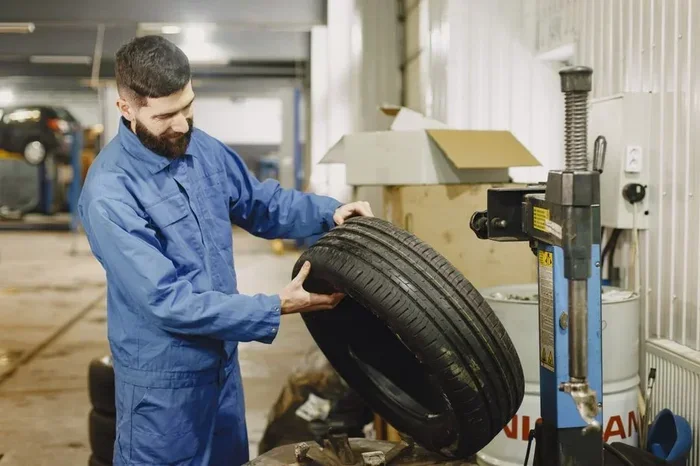
Choosing the right tire machine can save you time, money, and frustration in your garage. This guide covers everything you need to know about tire changers, balancers, and mounting machines so you can make a confident purchase. Whether you are a weekend mechanic or a professional, you will find the perfect setup for your needs.
Every garage needs the right tools to get the job done efficiently. Among all the equipment out there, a tire machine stands out as one of the most essential investments you can make. Whether you change tires seasonally or run a busy auto shop, having the right tire changer machine on hand makes a huge difference.
But with so many options on the market, how do you pick the best one? That is exactly what this guide is here to help with. We will walk you through every important factor, from types and features to brands and maintenance tips. By the end, you will feel confident choosing the perfect tire machine for your garage.
Key Takeaways
- Right Machine Matters: Picking the correct tire machine depends on your garage size, workload, and budget.
- Three Main Types: Tire changers, balancers, and mounting machines each serve a unique purpose in tire service.
- Key Features Count: Look for bead breaker power, clamp quality, motor strength, and ease of use before buying.
- Brand Reliability: Trusted brands like Ranger, Corghi, and Troy-Bilt offer proven performance and durability.
- Maintenance Extends Life: Regular cleaning, lubrication, and part replacement keep your tire machine running smoothly for years.
- Budget vs. Professional: Home garages can do well with mid-range models, while shops need heavy-duty professional units.
📑 Table of Contents
- What Is a Tire Machine and Why Do You Need One?
- Types of Tire Machines Available
- Key Features to Look for When Buying a Tire Machine
- Comparing Top Tire Machine Brands
- Maintenance Tips to Keep Your Tire Machine Running Smoothly
- Common Mistakes to Avoid When Buying a Tire Machine
- Final Thoughts on Choosing the Best Tire Machine
What Is a Tire Machine and Why Do You Need One?
A tire machine is a device designed to remove and install tires on wheels. It handles the heavy lifting that would otherwise take a lot of manual effort. Without one, you would struggle with tire irons, brute force, and a lot of wasted time.
Most garages, whether home setups or professional shops, rely on a tire service machine to speed up their workflow. These machines handle everything from breaking the tire bead to mounting and demounting tires safely. If you work with vehicles regularly, a tire machine is not a luxury. It is a necessity.
Here are some clear reasons why every garage benefits from having a tire changer machine:
- Time Savings: Changing a tire by hand can take 20 to 30 minutes. A tire machine cuts that down to just a few minutes.
- Safety: Manual tire changes can lead to injuries. A tire machine reduces the risk of pinched fingers and slipped tools.
- Consistency: A good tire machine delivers consistent results every single time.
- Versatility: Modern units handle standard tires, run-flat tires, and even large truck wheels.
- Professional Quality: Using a tire machine gives your garage a more professional and polished feel.
Who Needs a Tire Machine Most?
Not everyone needs a tire machine, but many people do. If you are a seasonal DIYer who swaps between summer and winter tires, a basic tire changer machine will serve you well. Auto repair shops, tire dealerships, and fleet service centers absolutely cannot function without one.
Even mobile tire technicians benefit from a portable tire machine that they can carry to job sites. The key is matching the machine to your specific needs and workspace. A small home garage does not need the same powerhouse that a commercial tire shop requires.
Types of Tire Machines Available
Not all tire machines are the same. Different types serve different purposes, and understanding them helps you make a smarter choice. Let us break down the main categories.
Tire Changers (Tire Changing Machines)
A tire changer is the most common type of tire machine. It removes tires from rims and installs new ones. The process starts with a bead breaker that separates the tire from the rim. Then the machine uses clamps and arms to guide the tire on and off smoothly.
There are two main subtypes:
- Manual Tire Changers: These require the operator to do most of the work. They are affordable and great for light home use.
- Automatic Tire Changers: These use hydraulics or pneumatics to do the heavy lifting. They are faster and ideal for high-volume shops.
When shopping for a tire changer machine, pay attention to the maximum wheel diameter and weight capacity. A unit that handles up to 22 inches works great for most passenger cars. For trucks and SUVs, look for models rated for 24 inches or more.
Tire Balancers (Wheel Balancers)
A tire balancer is a different kind of tire machine. It ensures that the tire and wheel assembly spins smoothly without vibrations. After mounting a new tire, balancing is a critical step. An unbalanced wheel can cause uneven tire wear, poor handling, and uncomfortable rides.
Most tire balancers work by spinning the wheel and measuring where weight needs to be added. Modern digital units are highly accurate and fast. Some advanced tire balancing machines even handle road-force balancing, which simulates real driving conditions.
If you want your tire service to feel complete, a tire balancer is just as important as a tire changer. Many professional setups include both machines side by side for a streamlined workflow.
Tire Mounting Machines
A tire mounting machine focuses specifically on getting the tire onto the rim. It uses a mount head and an assist arm to slide the tire bead over the rim safely. This is especially important for low-profile and run-flat tires, which are tough to mount by hand.
Some tire machines combine mounting and changing functions into one unit. These all-in-one tire service machines save space and money. They are a popular choice for garages that want versatility without clutter.
Portable Tire Machines
If you work on-site or have limited space, a portable tire machine could be your best bet. These compact units are lightweight and easy to transport. They usually run on standard air compressors and handle most common passenger vehicle tires.
Portable tire machines are great for mobile tire installers and roadside assistance providers. They sacrifice some speed and power compared to stationary models, but they offer unmatched convenience.
Key Features to Look for When Buying a Tire Machine
Not every tire machine comes with the same features. Knowing what to look for helps you avoid buyer’s remorse and find a unit that truly fits your needs.
Bead Breaker Power
The bead breaker is the heart of any tire changer machine. It is the component that separates the tire from the rim. A weak bead breaker will struggle with tight or stubborn tires, especially run-flat and low-profile models.
Look for a tire machine with a hydraulic or powerful pneumatic bead breaker. These deliver consistent force without damaging the rim. Some premium units even offer adjustable bead breaker arms to accommodate different rim sizes.
Clamp and Jaw Quality
The clamps hold the wheel in place during the tire change process. Cheap clamps slip, scratch rims, and slow down your work. A quality tire machine uses padded, self-centering clamps that grip the wheel securely without causing damage.
For the best results, choose a tire machine with adjustable clamp pressure. This lets you set the right grip strength for different wheel types, from alloy to chrome to steel.
Motor and Power Source
Tire machines run on either electric motors, pneumatic systems, or hydraulics. Electric models are quieter and easier to set up. Pneumatic models are powerful and common in professional shops. Hydraulic models offer the most strength and are ideal for heavy-duty applications.
Consider your garage’s power setup before buying. If you already have a strong air compressor, a pneumatic tire machine makes sense. If not, an electric model might be the simpler choice.
Wheel Size and Weight Capacity
Every tire machine has limits. Check the maximum rim diameter and the weight capacity before purchasing. A machine rated for 20-inch wheels will not handle a 24-inch truck rim. Similarly, a unit designed for light passenger cars may struggle with heavy truck wheels.
Always choose a tire machine that exceeds your typical workload by a comfortable margin. This gives you room to grow and handle unexpected jobs without straining the equipment.
Ease of Use and Setup
A complicated tire machine will frustrate you and slow down your work. Look for models with intuitive controls, clear markings, and straightforward setup procedures. Many modern units come with helpful features like preset programs, digital displays, and quick-change components.
If you are new to tire service, start with a simpler tire machine that has clear instructions and accessible support. You can always upgrade later as your skills and needs grow.
Durability and Build Quality
A tire machine is a long-term investment. You want a unit built with heavy-gauge steel, quality bearings, and reliable components. Brands that offer solid warranties and readily available replacement parts are generally worth the extra cost.
Read user reviews and expert ratings before making a final decision. Real-world feedback about a tire machine often reveals more than the manufacturer’s marketing claims.
Comparing Top Tire Machine Brands
The market is filled with tire machine brands, and it can be overwhelming to compare them. Here is a closer look at some of the most trusted names in the industry.
Ranger
Ranger is one of the most respected names in tire machine manufacturing. Their units are known for durability, powerful bead breakers, and smooth operation. Ranger offers a wide range of models, from affordable manual changers to fully automatic professional units.
Many professional tire shops prefer Ranger tire machines because they handle high volumes with minimal downtime. The brand also offers excellent customer support and a strong network of service centers.
Corghi
Corghi is an Italian brand with a long history of producing high-quality tire service equipment. Their tire machines are praised for precision engineering and smooth tire mounting. Corghi units are popular in both professional shops and high-end home garages.
One standout feature of Corghi tire machines is their advanced bead breaking technology. Many models handle run-flat tires and tight bead seats with ease. They also tend to have very intuitive control panels.
Troy-Bilt and Budget Options
For home garages and light-duty use, brands like Troy-Bilt offer affordable tire machines that get the job done. These units are not as powerful as professional models, but they work well for seasonal tire swaps and basic maintenance.
Budget tire machines are a great starting point for beginners. They let you learn the ropes without a big financial commitment. Just be prepared for a bit more manual effort compared to premium units.
Other Notable Brands
Several other brands deserve mention in the tire machine space. Corghi, Bosch, and Lisle all offer reliable options at different price points. When comparing brands, focus on build quality, warranty length, and the availability of replacement parts.
Maintenance Tips to Keep Your Tire Machine Running Smoothly
Buying a tire machine is only half the battle. Proper maintenance ensures it stays reliable and performs well for years. Neglecting maintenance leads to breakdowns, poor results, and costly repairs.
Here are some simple maintenance habits every tire machine owner should follow:
- Clean After Every Use: Wipe down the machine and remove any dirt, grease, or rubber debris. This prevents buildup that can interfere with moving parts.
- Lubricate Regularly: Apply lubricant to clamps, arms, and any sliding joints. Check your tire machine manual for the recommended lubricant type.
- Inspect Clamps and Bead Breaker: Wear on these components happens over time. Replace damaged clamps or worn bead breaker pads promptly to maintain performance.
- Check Air Lines and Connections: For pneumatic tire machines, inspect hoses and fittings for leaks. A drop in air pressure affects bead breaking power.
- Store Properly: Keep your tire machine in a dry, clean area. Moisture and extreme temperatures can damage internal components.
- Follow the Manufacturer’s Schedule: Most tire machine brands provide a maintenance guide. Following it keeps your warranty valid and the machine running at peak performance.
Taking care of your tire machine is simple but pays off big time. A well-maintained unit works faster, lasts longer, and delivers better results every time you use it.
Common Mistakes to Avoid When Buying a Tire Machine
Even experienced garage owners sometimes make mistakes when purchasing a tire machine. Avoiding these common pitfalls saves you time, money, and frustration.
Mistake 1: Ignoring Your Actual Needs. Do not buy a massive professional tire machine if you only change a few tires a year. Match the machine to your workload. A compact manual unit works perfectly for a home garage.
Mistake 2: Overlooking Rim Compatibility. Not every tire machine handles all rim types. If you work with aftermarket wheels or oversized rims, verify compatibility before purchasing.
Mistake 3: Skipping the Bead Breaker Test. Always test the bead breaker on a tire machine before buying if possible. A weak bead breaker is the number one complaint among tire machine owners.
Mistake 4: Forgetting About Space. Measure your garage floor space carefully. A tire machine needs room to operate, especially when loading and unloading wheels.
Mistake 5: Choosing Price Over Quality. The cheapest tire machine on the shelf is rarely the best value. Investing in a reliable unit from a reputable brand saves you from headaches down the road.
Final Thoughts on Choosing the Best Tire Machine
Finding the right tire machine comes down to understanding your needs, your workspace, and your budget. Whether you are a home DIYer or a professional technician, the perfect tire machine is out there waiting for you.
Start by identifying the types of tires and wheels you work with most often. Then decide between a manual, pneumatic, or hydraulic tire machine based on your workflow and power setup. Focus on features like bead breaker strength, clamp quality, and overall build quality.
Do not forget about maintenance. A well-cared-for tire machine will serve you reliably for many years. And when in doubt, choose a trusted brand with solid customer support and a good warranty.
Take your time, do your research, and invest in a tire machine that truly fits your garage. The right equipment transforms tire changes from a chore into a quick, satisfying job. You will wonder how you ever managed without one.
Frequently Asked Questions
What is the best tire machine for a home garage?
For most home garages, a manual tire changer machine from brands like Troy-Bilt or Ranger works great. These units are affordable, easy to set up, and handle standard passenger car tires with ease. If you only swap tires seasonally, a basic tire machine with a manual bead breaker will meet your needs perfectly.
How much does a good tire machine cost?
Home-grade tire machines typically range from $500 to $1,500. Professional-grade units can cost anywhere from $2,000 to $6,000 or more. The price depends on the type, brand, power source, and features. Investing in a quality tire machine pays for itself through time savings and better results.
Can a tire machine handle run-flat tires?
Yes, but you need a tire machine with a strong bead breaker and adjustable clamps. Run-flat tires have stiff sidewalls that require extra force to break the bead. Many premium tire changer machines include dedicated settings or features specifically designed for run-flat tires.
Do I need a tire balancer if I already have a tire changer?
Yes, if you want complete tire service. A tire changer machine removes and installs tires, but a tire balancer ensures the wheel spins smoothly. Skipping balancing can lead to vibrations, uneven wear, and a poor driving experience. Many garages use both machines together for professional results.
How long does it take to learn to use a tire machine?
Most people can learn to operate a basic tire machine within a few hours of practice. The learning curve is steeper for advanced features like run-flat tire mounting or adjusting bead breaker pressure. Reading the manual thoroughly and watching tutorial videos helps speed up the process significantly.
What maintenance does a tire machine need?
Regular maintenance for a tire machine includes cleaning after each use, lubricating moving parts, inspecting clamps and bead breakers, and checking air lines for pneumatic models. Following the manufacturer’s recommended maintenance schedule keeps your tire machine running smoothly and extends its lifespan significantly.