Windshield Feature to Reduce Glare and Improve Driving
Need a windshield feature to reduce glare? This guide covers everything from anti-glare coatings and treatments to practical driving tips. Learn how to cut road glare, boost visibility, and stay safer behind the wheel with proven methods.
Driving during bright daylight or at night can be a real struggle when glare hits your windshield. A windshield feature to reduce glare makes a huge difference in how safe and comfortable your drive feels. Whether the sun is low on the horizon or headlights blast through the rain, glare can seriously mess with your vision.
Many drivers don’t realize how much a simple feature or treatment can improve their view. Glare causes eye strain, headaches, and even temporary blindness. That is why understanding your options matters so much. In this guide, we walk through every practical way to cut glare and drive with confidence.
Key Takeaways
- Anti-glare coatings on windshields can dramatically cut brightness and improve night driving.
- Polarized sunglasses work hand-in-hand with glare-reducing features for maximum comfort.
- Regular windshield cleaning removes residue that worsens glare significantly.
- UV protection layers shield your eyes and skin while reducing harsh reflections.
- Proper sun visor use is one of the simplest and most effective glare-fighting tools.
- Hydrophobic treatments repel water and light, keeping your view clearer in wet conditions.
- Combining multiple glare-reduction methods gives the best results for all driving conditions.
📑 Table of Contents
- Why Glare on Your Windshield Is a Serious Safety Issue
- Built-In Windshield Features That Reduce Glare
- Aftermarket Glare-Reduction Treatments and Films
- Practical Driving Habits That Cut Glare
- Eye Protection and Accessories for Glare-Free Driving
- Combining Glare Reduction Methods for the Best Results
- Maintenance Tips to Keep Your Glare Features Working
- Final Thoughts
Why Glare on Your Windshield Is a Serious Safety Issue
Glare is not just annoying. It is a genuine safety risk on the road. When bright light bounces off your windshield, it blinds you for critical seconds. Those seconds matter when you are driving at highway speeds.
Several things cause windshield glare. Sunlight reflecting off other cars, wet roads, or even your own dashboard can create blinding spots. At night, oncoming headlights and streetlights scatter across a dirty or damaged windshield. Each of these sources of glare reduces your ability to see pedestrians, signs, and other vehicles.
Studies show that glare-related accidents spike during sunrise and sunset hours. The angle of the sun makes reflections off windshields much worse. This is exactly when a good windshield feature to reduce glare earns its keep. It filters or blocks excess light before it reaches your eyes.
Common Types of Windshield Glare
Not all glare is the same. Understanding the type you face helps you pick the right fix.
- Direct sunlight glare happens when the sun hits the glass head-on or at an angle.
- Reflected glare bounces off other surfaces like snow, water, or bright roads before hitting your windshield.
- Night glare comes from oncoming headlights, streetlights, and reflective road signs.
- Internal glare stems from your dashboard, phone screen, or other bright objects inside the car.
Each type needs a slightly different approach. The good news is that many solutions work across multiple glare types.
Built-In Windshield Features That Reduce Glare
Modern vehicles come with several factory-installed features designed to fight glare. These are often overlooked but pack a powerful punch.
Tinted Windshield Bands
Many cars have a tinted strip at the top of the windshield. This band, often called the “sun strip,” blocks direct sunlight from pouring into the cabin. It keeps the brightest part of the sky from blinding you while still letting plenty of light through for normal driving.
The tint percentage varies by car model and region. Some vehicles have a wider band than others. If your car has a thin strip, you might want to explore aftermarket options. But always check your local laws before adding any tint to your windshield.
Heated Windshield Lines
While heated lines are mainly for defrosting, they also help reduce glare. Frost and ice on a windshield scatter light in every direction, creating a harsh white-out effect. By keeping the glass clear, heated lines indirectly cut glare during cold mornings and winter storms.
Electrochromic Inside Mirrors
Some premium vehicles have mirrors that automatically darken when they detect bright light from behind. This windshield feature to reduce glare works as a system with your rearview mirror. It dims the reflection of headlights from cars behind you, so you are not blinded at night.
Aftermarket Glare-Reduction Treatments and Films
If your car does not have built-in glare-fighting features, you are not out of luck. Several aftermarket options work extremely well and are easy to install.
Anti-Glare Windshield Films
Anti-glare films are thin layers applied directly to the windshield. They reduce the amount of light that passes through the glass. These films use special coatings that scatter and absorb harsh light before it reaches your eyes.
Here is what to look for in a good anti-glare film:
- High visible light transmission (VLT) so you do not lose overall visibility.
- UV blocking to protect your skin and eyes from sun damage.
- Scratch-resistant coating for long-lasting durability.
- Easy bubble-free installation kits that fit standard windshield shapes.
A quality film can cut glare by up to 50 percent. It also helps keep your car cooler on hot days, which is a nice bonus.
Hydrophobic Coatings
Hydrophobic coatings make water bead up and roll off your windshield. On rainy days, water spots and droplets scatter light and create extra glare. A hydrophobic treatment keeps the glass smoother, so light passes through more evenly.
These coatings are popular among drivers who face frequent rain. They also make your windshield easier to clean. A quick wipe with a cloth removes dirt and water much faster than on untreated glass.
Anti-Reflective Dashboard Coatings
Internal glare often comes from your dashboard reflecting off the inside of the windshield. Anti-reflective dashboard coatings or mats reduce this bounce. They absorb light instead of bouncing it back into your line of sight.
This is a simple and affordable fix. You can find matte dashboard covers and sprays at most auto parts stores. They work especially well during low-angle sun, when dashboard reflections are at their worst.
Practical Driving Habits That Cut Glare
Beyond products and features, your driving habits play a big role in managing glare. Small changes in how you drive can make a massive difference.
Keep Your Windshield Clean
A dirty windshield scatters light and makes glare ten times worse. Dirt, fingerprints, and insect residue all create tiny surfaces that reflect light in unpredictable directions.
Clean both the inside and outside of your windshield regularly. Use a glass cleaner that leaves no streaks. Many drivers forget the inside surface, but that is where dashboard reflections hit. A microfiber cloth works wonders for removing the oily film that builds up on the inside.
Use Your Sun Visor Properly
The sun visor is the simplest windshield feature to reduce glare in any car. Yet many drivers barely use it. Pull it down fully during low sun. Flip it sideways to block glare from the side windows too.
Some sun visors have extendable flaps. If yours does, use them. They add extra coverage for those tricky angles when the sun sits just above the dashboard.
Adjust Your Driving Schedule
If possible, avoid driving during peak glare hours. Early morning and late afternoon are the worst times for sun glare. Shifting your commute by even 30 minutes can spare you hours of squinting and strain.
When you must drive during high-glare times, slow down and increase your following distance. Glare temporarily reduces your reaction time, so giving yourself more space is a smart safety move.
Eye Protection and Accessories for Glare-Free Driving
Your eyes are your most important driving tool. Protecting them from glare should be a priority for every driver.
Polarized Sunglasses
Polarized sunglasses are the gold standard for cutting glare. They use a special filter that blocks horizontal light waves, which are the main cause of glare from roads, water, and other cars.
Look for polarized lenses with UV400 protection. They block both glare and harmful ultraviolet rays. Keep a pair in your car so you always have them handy when the sun comes out.
Night Driving Glasses
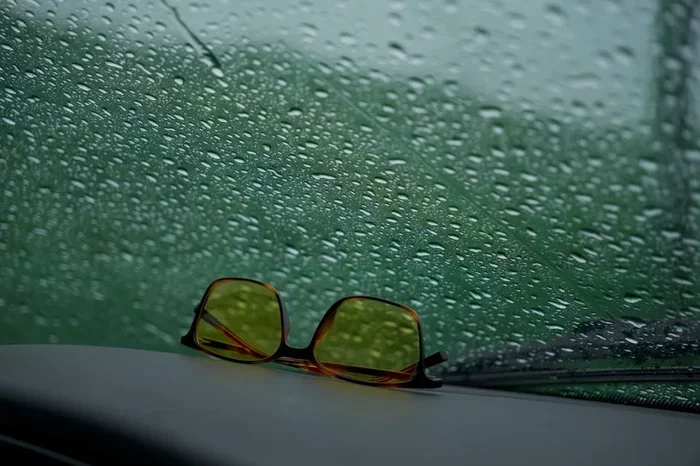
Night driving glasses with yellow or amber tints can reduce the harshness of oncoming headlights. They work by filtering out the brightest blue wavelengths of light, which cause the most discomfort at night.
Some drivers worry that tinted lenses reduce overall visibility at night. Choose a light tint that cuts glare without darkening your view too much. Test them during low-traffic hours first to make sure they work for you.
Combining Glare Reduction Methods for the Best Results
The most effective approach is to combine several glare-reduction methods. No single solution works perfectly for every situation. But a layered strategy gives you protection in all conditions.
For example, pair an anti-glare windshield film with polarized sunglasses and a clean windshield. Add a properly adjusted sun visor for daytime driving. At night, rely on your electrochromic mirror or a night driving glasses combo. Each layer handles a different type of glare.
This layered approach is similar to how you protect your skin from the sun. You use sunscreen, a hat, and sunglasses together for full coverage. The same logic applies to protecting your vision on the road.
After a long drive, many people head home to their home office setup. Where you place your desk matters for reducing eye strain after a glare-heavy drive. Position your workspace away from direct window light so your eyes can fully recover.
Staying organized in your workspace also helps you stay sharp on the road. Learning how to organize a study desk teaches principles of clarity and order that translate to a calmer, less stressful driving mindset.
Your daily essentials matter both on the road and at your desk. Just as you carefully choose what to put on a study desk for efficiency, keeping the right glare-fighting tools in your car makes every drive safer and more comfortable.
Maintenance Tips to Keep Your Glare Features Working
Once you invest in glare-reduction solutions, you need to maintain them. A worn-out film or a dirty coating loses its effectiveness fast.
- Inspect your anti-glare film every few months for peeling or scratching.
- Reapply hydrophobic coatings every three to six months for best results.
- Replace worn sun visors if they no longer block light effectively.
- Clean coated surfaces with gentle, ammonia-free cleaners to preserve the treatment.
Regular maintenance keeps every glare-fighting feature working at its best. It is a small effort that pays off every time you get behind the wheel.
Final Thoughts
A windshield feature to reduce glare is not a luxury. It is a safety tool that every driver should take seriously. From built-in tinted bands and electrochromic mirrors to aftermarket films and hydrophobic coatings, you have many options to choose from.
Combine these features with good driving habits and proper eye protection. Keep your windshield clean and your accessories well-maintained. The result is a driving experience that is safer, more comfortable, and far less tiring.
Glare does not have to control your drives. Take action today and transform how you see the road. Your eyes will thank you every time you hit the highway.
Frequently Asked Questions
What is the best windshield feature to reduce glare?
Anti-glare windshield films are among the most effective options. They reduce the amount of light passing through the glass without blocking your overall view. Pairing a film with polarized sunglasses gives you the best results for both day and night driving.
Can a dirty windshield make glare worse?
Absolutely. Dirt, fingerprints, and residue scatter light in many directions, creating extra glare. A clean windshield lets light pass through evenly, which significantly reduces the harsh reflections that bother your eyes.
Are hydrophobic coatings worth it for glare reduction?
Yes, they are very worth it. Hydrophobic coatings make water and light slide off the glass more smoothly. This keeps your view clearer in rain and reduces the scattered light that causes glare on wet roads.
Do polarized sunglasses help with windshield glare?
They help a lot. Polarized lenses block horizontal light waves, which are the primary cause of glare from roads, other vehicles, and reflective surfaces. They work especially well in combination with a glare-reducing windshield treatment.
How often should I replace my anti-glare windshield film?
A quality anti-glare film typically lasts two to five years. Check it regularly for peeling, scratching, or bubbling. If the film starts to wear, its glare-reducing power drops, so replacement is the best next step.
Is night driving glare as dangerous as daytime glare?
Yes, night glare can be just as dangerous. Oncoming headlights and streetlights reflect off a dirty or untreated windshield and temporarily blind you. Using night driving glasses and keeping your windshield spotless helps you stay safe after dark.