Signs Your Car Battery Is Dying Information SD Explained
Knowing the signs your car battery is dying can save you from unexpected breakdowns and costly repairs. This guide covers the most common warning symptoms, from slow engine cranks to dashboard warning lights, and provides actionable steps to keep your battery healthy. Whether you live in Information SD or anywhere else, understanding battery health is essential for every car owner.
This is a comprehensive guide about signs your car battery is dying information sd.
Key Takeaways
- Slow engine crank is one of the earliest signs your car battery is dying and should never be ignored.
- Dashboard warning lights and dim headlights often signal battery or alternator problems.
- Corrosion on battery terminals is a clear visual indicator that needs immediate attention.
- Regular testing and maintenance can extend your battery lifespan by several years.
- Extreme temperatures, both hot and cold, significantly impact battery performance.
- Replacing your battery every 3 to 5 years is a smart preventive measure.
[FEATURED_IMAGE_PLACEHOLDER]
Introduction
Your car battery works hard every single day. It powers your starter, keeps your lights on, and runs every electrical system in your vehicle. Yet most drivers only think about their battery when something goes wrong.
When signs your car battery is dying start to appear, it is easy to panic. But here is the good news. Most battery problems give you plenty of warning. You just need to know what to look for.
This guide breaks down every warning sign in simple terms. We will also share practical tips to keep your battery healthy longer. Whether you are a seasoned driver or someone who just got their license, this information will help you stay safe on the road.
What Happens When a Car Battery Starts to Fail
A car battery does not just stop working one day. It gives you clues along the way. Understanding these clues helps you act before you are stranded.
Over time, the chemical reaction inside the battery weakens. The plates inside accumulate lead sulfate buildup. This reduces the battery’s ability to hold a charge. Eventually, the battery cannot deliver enough power to start your engine.
In Information SD, temperature swings can speed up this process. Hot summers and cool winters both put extra stress on your battery. That is why local drivers need to pay extra attention to warning signs.
The Chemistry Behind Battery Failure
Your battery converts chemical energy into electrical energy. Inside each cell, lead plates sit in sulfuric acid. When you start your car, a chemical reaction creates an electrical charge. Over time, this reaction becomes less efficient. The plates shed material. The acid weakens. The result is a battery that struggles to hold a full charge.
Top Signs Your Car Battery Is Dying
Here are the most common warning signs. If you notice any of these, do not wait. Take action right away.
1. Slow Engine Crank
This is the number one sign that something is wrong. When you turn the key, the engine takes longer than usual to start. It might sputter or crank slowly. This happens because the battery cannot deliver enough power to the starter motor.
Pay attention to how your car starts each morning. If you notice a change in speed or sound, get your battery tested. A simple test at any auto shop takes just a few minutes.
2. Dim or Flickering Headlights
Your battery powers all electrical systems. When it weakens, the first things to suffer are often your headlights. You might notice them looking dimmer than usual. They could flicker when you idle at a stoplight.
Try this test. Turn the key to the “on” position without starting the engine. Look at your dashboard lights. Then turn on your headlights. If they seem unusually dim, your battery may be struggling.
3. Dashboard Warning Lights
Modern cars have sensors that detect electrical problems. If your battery light comes on, do not ignore it. This light looks like a small battery icon and usually appears on your dashboard.
Other warning lights can also point to battery trouble. The check engine light sometimes triggers when the battery voltage drops. Always take warning lights seriously. They are your car’s way of telling you something needs attention.
4. Swollen or Bloated Battery Case
Look at your battery. Does the case look swollen or rounded? This is a serious sign. Extreme heat causes the battery fluid to expand. This can warp the plastic case. A swollen battery is dangerous and needs immediate replacement.
Never try to use a swollen battery. It could leak or even crack. Have a professional inspect it right away.
5. Corrosion on Battery Terminals
Take a look at the top of your battery. Do you see a white, blue, or greenish powdery substance? That is corrosion. It builds up on the battery terminals and prevents a good connection.
Corrosion can cause your car to fail to start. It also reduces the battery’s ability to charge properly. You can clean minor corrosion with a baking soda and water solution. But heavy corrosion means the battery may need replacement.
6. Electrical Issues and Slow Accessories
Your battery runs more than just your engine. It powers your radio, power windows, heated seats, and GPS system. When the battery weakens, these accessories start to slow down.
You might notice your power windows moving slower than usual. Your radio might flicker or lose volume. These small signs are easy to overlook. But together, they paint a clear picture of a dying battery.
7. The Smell of Rotten Eggs
If you smell a sulfurous or rotten egg odor near your battery, do not ignore it. This smell means the battery is leaking gas. Internal damage has caused the battery fluid to evaporate. A leaking battery is a serious safety hazard.
Get your car inspected immediately if you notice this smell. Do not keep driving with a leaking battery. It could cause further damage to your vehicle.
8. Your Battery Is Old
Most car batteries last between three and five years. If your battery is older than three years, have it tested regularly. Many auto parts stores offer free battery testing. This simple step can save you from a surprise breakdown.
Keep track of when you bought your battery. Write the date on the battery case with a marker. This makes it easy to know when replacement time is approaching.
Common Causes of Battery Failure
Understanding why batteries fail helps you prevent problems. Here are the most common causes of battery death.
Leaving Lights or Accessories On
This is the most common reason batteries die. Forgetting to turn off your headlights or leaving the radio on drains the battery. Even leaving a door slightly open can keep interior lights on all night.
Make it a habit to check your lights before you leave the car. This small habit can save you from a dead battery the next morning.
Extreme Temperatures
Both extreme heat and extreme cold harm your battery. Hot weather causes fluid evaporation. Cold weather slows down the chemical reaction inside the battery. In Information SD, where temperatures can vary widely, your battery faces double the stress.
Consider using a battery blanket in winter. This simple device keeps your battery warm during cold nights. It helps maintain a strong charge when temperatures drop.
Short Trips and Infrequent Driving
Your alternator recharges your battery while you drive. But short trips do not give the alternator enough time to fully recharge the battery. If you only drive five minutes to the store and back, your battery may never get a full charge.
Try to take longer drives when possible. A 20 to 30 minute drive once a week helps keep your battery topped off. If you do not drive often, consider using a battery maintainer.
Faulty Alternator
The alternator charges your battery while the engine runs. If your alternator fails, your battery takes on all the electrical load. This drains the battery quickly. A failing alternator often shows signs like dim lights or a whining noise.
If you suspect alternator problems, get it checked right away. A simple voltage test can tell you if the alternator is working properly.
How to Test Your Car Battery
Testing your battery is easier than you might think. You do not need to be a mechanic to do it. Here are a few simple methods.
Visual Inspection
Start with a simple look. Check for corrosion on the terminals. Look for cracks or leaks in the case. Make sure the cables are tight and secure. Any visible damage is a red flag.
Voltage Test with a Multimeter
A multimeter measures your battery voltage. Set it to DC voltage. Touch the red probe to the positive terminal and the black probe to the negative terminal.
- 12.6 volts or higher: Your battery is fully charged.
- 12.4 volts: Your battery is about 75 percent charged.
- 12.2 volts: Your battery is about 50 percent charged.
- 12.0 volts or lower: Your battery needs charging or replacement.
A reading below 12.0 volts means your battery is weak. Consider replacing it soon to avoid being stranded.
Load Testing
A load test checks how well your battery performs under pressure. Auto parts stores often offer this test for free. The tester simulates the electrical load of starting your car. If the voltage drops quickly, your battery is failing.
Professional Testing
When in doubt, visit a professional. Many repair shops and auto parts stores test batteries for free. They have specialized equipment that gives accurate results. A professional can also check your alternator and charging system at the same time.
Tips to Extend Your Battery Life
You can take simple steps to keep your battery healthy longer. These tips save you money and prevent unexpected breakdowns.
- Keep your battery clean. Wipe down the terminals regularly. Remove any corrosion with a wire brush and baking soda solution.
- Drive your car regularly. Longer drives help the alternator fully recharge the battery. Aim for at least one 20-minute drive per week.
- Turn off all accessories when the engine is off. This includes the radio, lights, and phone chargers. Every little bit helps preserve charge.
- Check the battery hold-down clamp. A loose battery vibrates while driving. This damages the internal plates. Make sure the battery is secure.
- Avoid extreme temperature exposure when possible. Park in a garage or shaded area. Use a battery blanket in winter months.
- Get your battery tested every six months. Regular testing catches problems early. Most auto stores offer this service for free.
While You Are at It
Keeping your car in good shape goes beyond the battery. If you spend time in your garage working on vehicles, having a clean and organized workspace helps. You might also enjoy learning about what makes a good desk plant for your garage or home office. A healthy workspace keeps you motivated for all kinds of projects, including car maintenance.
When to Replace Your Car Battery
Even with the best care, every battery eventually needs replacement. Here is how to know the right time to replace yours.
Age Matters
If your battery is more than three to five years old, start planning for replacement. Do not wait for it to die completely. A proactive replacement saves you from being stranded.
Frequent Jump Starts
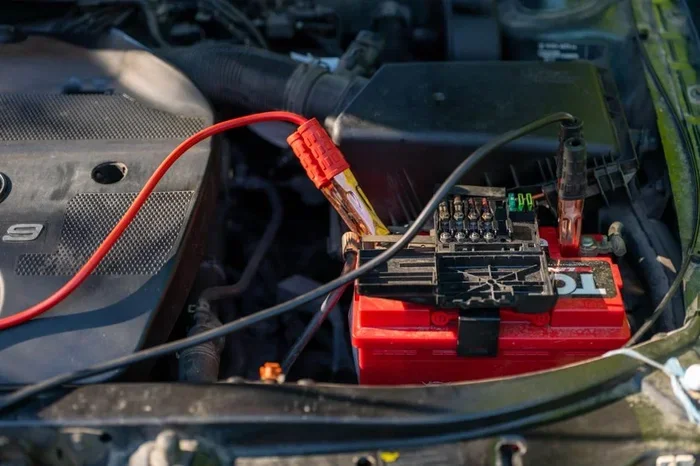
If you find yourself needing jump starts more than twice a month, your battery is on its way out. Jump starting puts extra stress on the battery and shortens its remaining life.
Your Car Will Not Start
If your car refuses to start and the lights are dim, the battery is likely the culprit. Have it tested immediately. If the test confirms failure, replace it as soon as possible.
Choosing the Right Replacement Battery
Not all batteries are the same. Check your owner manual for the right size and type. Consider your climate. If you live in a hot area, look for batteries with high heat resistance. If you live in a cold area, choose one with strong cold cranking amps.
Related Topics Worth Exploring
Car maintenance connects to many other areas of vehicle care. Here are a few related topics you might find helpful.
If you enjoy working on your car in a home workspace, you might also like reading about which plants work well on a desk to keep your garage or workshop area fresh and pleasant. And for any lighting you use in your garage workspace, check out our guide on whether desk lamps are good for your eyes to make sure your setup is comfortable and safe during late-night repairs.
Conclusion
Signs your car battery is dying are easier to spot than most drivers think. From slow cranks to dim headlights and dashboard warning lights, your car tells you when something is wrong. The key is paying attention and acting quickly.
Regular maintenance and testing can extend your battery life. Simple habits like cleaning the terminals and driving regularly make a big difference. And when replacement time comes, do not delay. A new battery keeps you safe and avoids the hassle of a roadside breakdown.
Stay proactive. Know the signs. Keep your battery healthy. Your car will thank you every time you turn the key.
Frequently Asked Questions
How do I know if my car battery is dying?
Look for warning signs like a slow engine crank, dim headlights, dashboard warning lights, and corrosion on the terminals. These are the most common indicators that your battery is losing its ability to hold a charge.
How long does a car battery typically last?
Most car batteries last between three and five years. However, extreme temperatures, driving habits, and maintenance can shorten or extend this lifespan. Regular testing helps you know when replacement is approaching.
Can a dying battery be recharged?
A mildly drained battery can often be recharged with a battery charger or a jump start. However, if the battery is physically damaged, old, or has a dead cell, recharging will not fix the problem. Replacement is the best solution in those cases.
What causes a car battery to die quickly?
Common causes include leaving lights on, short trips that do not allow full recharging, extreme temperatures, a faulty alternator, and old age. Parasitic draws from aftermarket electronics can also drain your battery over time.
Is it safe to drive with a weak battery?
It is risky. A weak battery can leave you stranded at any moment. It can also put extra strain on your alternator, which leads to more expensive repairs. If you suspect your battery is weak, have it tested and replaced if needed.
How can I prevent my car battery from dying in Information SD?
In Information SD, temperature changes can stress your battery. Keep it clean, drive regularly, and have it tested every six months. Consider using a battery maintainer if you do not drive often. Parking in a garage also helps protect your battery from extreme weather.