Window Tint Percentage Chart Everything You Should Know
A window tint percentage chart shows how much light passes through tinted film, measured as VLT (Visible Light Transmission). This guide breaks down every tint level from 5% to 70%, helping you choose the right shade for your car or home. You will learn legal limits, UV protection benefits, and how different tint types perform.
A window tint percentage chart is one of the most useful tools you can use when shopping for window film. Whether you want to tint your car windows, add privacy to your home, or cut down on glare, understanding tint percentages makes the decision much easier. This guide walks you through everything you need to know about window tint darkness levels, legal limits, and how to pick the right shade for your space.
If you have ever walked past a car with deeply tinted windows and wondered how dark it really is, this article is for you. We will break down the visible light transmission scale, explain what each percentage means, and help you avoid common mistakes. By the end, you will feel confident choosing the perfect tint shade for any application.
Key Takeaways
- VLT percentage determines how dark a tint looks: Lower numbers mean darker tint and less light inside.
- Legal tint limits vary by state and window: Always check local laws before applying window film.
- Different tint types offer different benefits: Ceramic, dyed, and metalized films each have unique perks.
- UV protection improves with darker tints: Even a 50% tint blocks a significant amount of harmful rays.
- Heat rejection works hand in hand with tint darkness: Darker tints generally reduce solar heat gain more effectively.
- Professional installation ensures even application: DIY kits work but pros deliver a cleaner finish.
- The right tint boosts comfort and privacy: Choose a shade that fits your lifestyle and needs.
📑 Table of Contents
What Is a Window Tint Percentage Chart?
A tint chart is a simple visual guide that shows different tint darkness levels as percentages. The percentage refers to how much visible light passes through the film. This measurement is called Visible Light Transmission, or VLT for short. A lower VLT number means a darker tint. A higher VLT number means a lighter tint.
Here is how it works in simple terms. A 5% tint lets in only 5% of outside light. That is very dark and often called a “limo tint.” A 70% tint lets in 70% of light and looks almost clear. Most people choose a tint somewhere in the middle, like 20%, 35%, or 50%. Each level serves a different purpose based on your needs.
How VLT Percentage Works
Understanding VLT is the foundation of choosing the right window film. Here is a quick breakdown of what common percentages look like:
- 5% VLT: Very dark. Almost no light passes through. Used mainly for privacy on rear car windows.
- 20% VLT: Dark tint. Hard to see through from outside. Popular for sedan rear windows.
- 35% VLT: Medium-dark tint. Good balance of style and visibility.
- 50% VLT: Moderate tint. Blocks a lot of heat and UV rays while keeping things bright.
- 70% VLT: Light tint. Almost clear. Great for people who want subtle protection.
When you look at a window tint percentage chart, you will see these levels laid out side by side. This makes it easy to compare shades and decide what works best for you. Many online charts also include color swatches so you can preview the look before buying.
Why Tint Percentage Matters
The tint darkness level you choose affects more than just how your car or home looks. It directly impacts heat, glare, UV exposure, and privacy. Let us look at why getting the right percentage is so important.
Heat Rejection and Comfort
Darker tints generally block more solar heat. When sunlight hits your car or windows, it carries energy that heats up the interior. A window tint with a lower VLT percentage reflects more of that energy away. This keeps your car cooler in summer and your home more comfortable year-round.
However, heat rejection also depends on the type of film. Ceramic tint offers excellent heat blocking even at higher VLT levels. So you do not always need a very dark shade to stay cool. This is great news if you prefer a lighter look but still want serious UV protection.
UV Protection for Health
Ultraviolet rays from the sun can damage your skin over time. They also fade furniture, carpets, and car interiors. A good window film blocks up to 99% of UV rays, regardless of the tint percentage. Even a 50% tint provides strong UV defense. Darker tints add an extra layer of comfort by reducing the bright glare that comes with direct sun exposure.
Privacy and Security
If privacy is your main goal, a lower VLT percentage works best. A 20% tint or darker makes it very hard for people outside to see in. This is why many homeowners choose darker shades for bathroom windows or ground-floor rooms. Cars also benefit from rear window privacy, especially for families and valuables left inside.
Adding plants like those you would place on a window desk setup can complement your tint by creating a natural, calming atmosphere. The combination of privacy tint and indoor greenery makes any space feel more peaceful and personal.
Car Window Tint Percentage Guide
Tinted cars look great, but choosing the right car window tint percentage requires some planning. Different windows on your vehicle often have different legal limits. Let us walk through what you need to know.
Front Windshield Tint
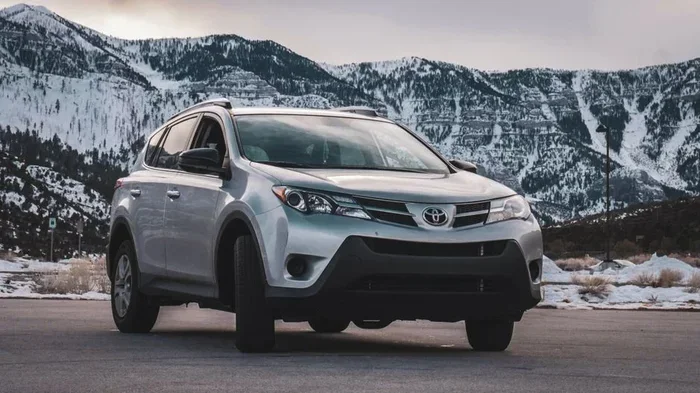
Most states allow a thin sun strip tint at the top of the windshield. This is usually no more than 4 to 6 inches wide. The tint percentage for the front windshield is typically very high, around 70% or more, because clear visibility is critical for safe driving. Never apply a dark tint to your front windshield unless your state specifically allows it.
Front Side Windows
Front side windows usually have stricter legal limits. In many states, the legal tint limit for front doors is 50% VLT or higher. This ensures the driver has clear vision in all lighting conditions. Some states allow 35% on front windows, but very few permit anything darker. Always double-check your local tint laws before tinting the front doors.
Rear Side Windows and Rear Windshield
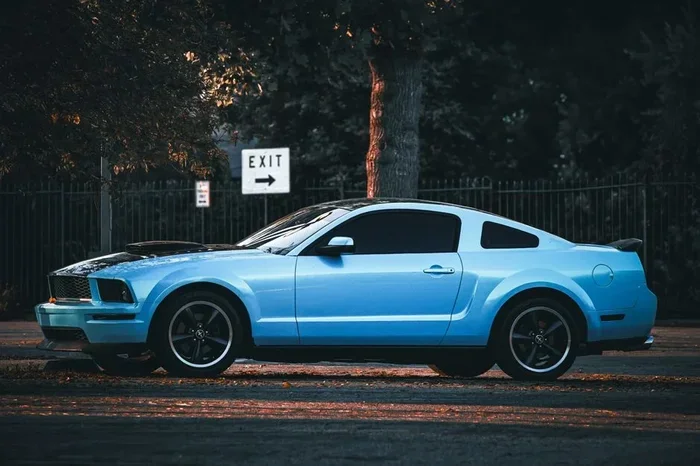
The rear windows of a car have more flexibility. Many drivers choose a 20% tint or even 5% tint for the back seats and rear windshield. This gives a sleek, dark look while providing excellent privacy. If your car has factory-tinted rear windows, check the existing VLT before adding another layer of film.
Popular Car Tint Choices
Here are the most common tint shades drivers choose:
- 35% tint: The most popular choice. It looks stylish, stays legal in most areas, and reduces glare well.
- 20% tint: A darker option that offers strong privacy and heat rejection.
- 50% tint: A lighter shade that still blocks significant heat and UV rays.
- 5% tint: The darkest option. Best for rear windows only in most cases.
When browsing a window tint percentage chart for cars, look for the VLT percentage listed for each film option. Compare it against your state’s legal limits to stay compliant.
House Window Tint Percentage Guide
Tinting home windows is a smart way to boost comfort and save on energy bills. The window tint percentage you pick for your home depends on what room you are tinting and what you want from the film.
Living Room and Bedroom Tint
Living rooms and bedrooms benefit from medium to dark tints. A 35% to 50% VLT tint works well for these spaces. It blocks harsh afternoon sun, reduces glare on TVs and screens, and adds a layer of privacy at night. Many homeowners love the warm, soft look that a 35% tint gives a living room.
Bathroom and Ground-Floor Windows
Bathrooms and ground-floor windows need more privacy. A 20% tint or darker keeps prying eyes out while still letting in natural light. Some people go even darker for basement windows or home office spaces where screen glare is a problem. The key is balancing privacy with enough light to keep the room feeling open and inviting.
Kitchen and Dining Areas
Kitchens can get very hot, especially near large south-facing windows. A 50% tint or ceramic film helps reject solar heat gain without making the space too dark. This keeps your kitchen comfortable during cooking and dining. You also protect cabinets and countertops from fading due to prolonged sun exposure.
Energy Savings from Home Tinting
Window film reduces solar heat gain, which means your air conditioner does not work as hard during summer. Over time, this translates to lower electricity bills. A window tint percentage chart helps you see how much heat different shades block. In general, darker tints reject more heat, but modern ceramic films can achieve great results even at higher VLT levels.
Adding indoor plants near your tinted windows can further enhance the look and air quality of your home. Check out our guide on plants for window desk for ideas on how to create a beautiful, healthy window area.
Types of Window Tint Film
Not all tint films are the same. The type of film you choose affects appearance, performance, and price. Here is a closer look at the most common window film types available today.
Dyed Window Tint
Dyed film is the most affordable option. It uses multiple layers of dye to absorb heat and reduce light transmission. Dyed tints look rich and dark, but they tend to fade or bubble over time. They also offer less heat rejection compared to more advanced films. A dyed 20% tint is a popular budget choice for car owners.
Metalized Window Tint
Metalized film contains tiny metallic particles that reflect heat away from the window. It is more durable than dyed film and does not fade easily. The downside is that metalized tint can interfere with cell phone signals and GPS. It also has a shiny, reflective look that some people find less appealing. If signal interference is a concern, consider a different type.
Carbon Window Tint
Carbon film offers a matte, non-reflective finish that many people prefer. It blocks a good amount of heat and does not fade over time. Carbon tints are more expensive than dyed film but deliver better long-term performance. A carbon 35% tint provides a nice balance of style, comfort, and durability.
Ceramic Window Tint
Ceramic film is the premium choice. It uses nano-ceramic particles to block heat and UV rays without adding any metallic content. This means no signal interference and no reflective look. Ceramic tint offers the highest level of heat rejection and glare reduction available. It also maintains clarity and color stability for many years. While it costs more upfront, the performance and longevity make it worth the investment.
How to Read a Tint Percentage Chart
Reading a window tint percentage chart is straightforward once you understand the basics. Most charts list each tint shade by VLT percentage and show a visual sample of how it looks on glass. Here is how to use one effectively.
- Find the VLT column. This shows the percentage of visible light that passes through the film.
- Check the visual sample. Most charts include color swatches so you can preview the shade.
- Compare heat rejection data. Good charts also show how much solar heat each tint blocks.
- Match to your needs. Pick a shade that balances privacy, comfort, and legal compliance.
Many charts also include a column for UV rejection rate and infrared rejection rate. These numbers help you understand the full performance of each tint. A film with 99% UV rejection is excellent regardless of the VLT percentage. Look for films that offer strong numbers across all categories for the best value.
Common Mistakes to Avoid
Tinting your windows is a worthwhile investment, but mistakes can cost you time and money. Here are the most common errors people make when choosing a tint shade.
- Ignoring local tint laws. Every state and country has different legal limits. Tinting darker than allowed can result in fines or having to remove the film.
- Choosing darkness over film type. A dark dyed film may look great at first but fade quickly. A lighter ceramic film often performs better long-term.
- Skipping professional installation. DIY kits are cheaper, but bubbles, peeling, and uneven application are common problems. Professionals deliver a smoother finish.
- Forgetting about UV protection. Even a light tint can block 99% of UV rays. Do not assume darker always means better protection.
- Not considering the room or vehicle use. A bedroom does not need the same tint as a car front windshield. Always match the shade to the purpose.
Avoiding these mistakes helps you get the most out of your window tint percentage chart research. Take your time, compare options, and ask questions before committing to a film.
How to Choose the Right Tint Percentage
Choosing the right tint shade comes down to three factors: your local laws, your purpose, and your personal preference. Start by checking the legal tint limits for your area. Then decide whether you need more heat rejection, UV protection, privacy, or a combination of all three. Finally, pick a shade that looks good and feels right for your space.
If you are tinting a car, a 35% tint on the front windows and a 20% tint on the rear is a popular, balanced choice. For homes, a 50% tint on south-facing windows and a 35% tint on side windows works well for most rooms. Always ask your installer for a window tint percentage chart so you can compare options side by side before making a final decision.
Conclusion
A window tint percentage chart is an essential tool for anyone considering window film. It helps you understand the range of tint shades, compare performance, and stay within legal limits. Whether you are tinting a car, home, or office, knowing your VLT options puts you in control of the final result.
Take the time to explore different tint darkness levels, film types, and installation options. The right choice brings better comfort, privacy, UV protection, and even energy savings. Use this guide as your starting point, and you will make a confident, informed decision every time.
Frequently Asked Questions
What does VLT mean in window tint?
VLT stands for Visible Light Transmission. It measures the percentage of visible light that passes through the tinted film. A lower VLT means a darker tint, while a higher VLT means a lighter tint. This is the main number shown on any window tint percentage chart.
What is the darkest legal tint for car windows?
The darkest legal tint varies by state. Most states allow 5% to 20% VLT for rear windows, but front side windows usually must be 35% or higher. The front windshield typically can only have a thin sun strip. Always check your local tint laws before applying any film.
Can you see through a 20% tint at night?
It is difficult but possible to see through a 20% tint at night if the interior is lit and the outside is dark. During the day, 20% tint is quite dark and limits visibility from outside. This is why many people choose 35% for better nighttime clarity.
Does window tint block UV rays?
Yes, most quality window films block up to 99% of UV rays, regardless of the tint percentage. Even a light 50% tint provides strong UV protection. This helps protect your skin and prevents furniture and car interiors from fading.
What is the best tint percentage for a home office?
A 35% to 50% tint works best for most home offices. It reduces glare on computer screens, blocks heat, and provides moderate privacy. If you need more privacy, a 20% tint on lower or side windows is a great option.
How long does window tint last?
Quality window tint can last 5 to 10 years or more with proper care. Ceramic and carbon films tend to last the longest. Dyed films may fade or bubble after 3 to 5 years. Choosing the right film type and having it professionally installed greatly extends the lifespan.