When Disconnecting Your Car Battery Which Terminal First
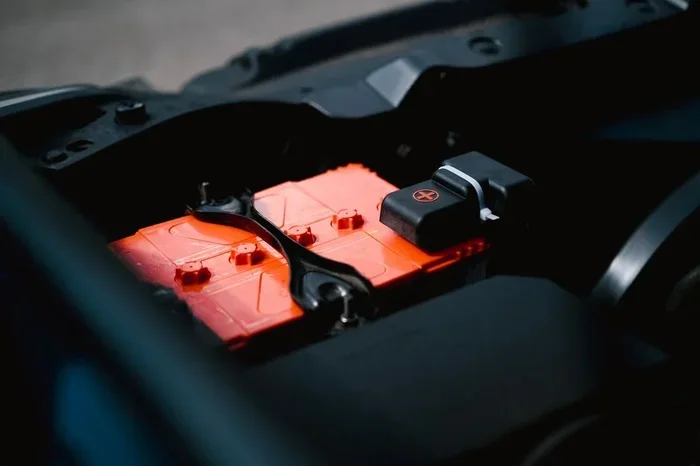
Always disconnect the negative terminal first when removing your car battery. This prevents short circuits and protects your vehicle’s electrical system. Follow our simple guide to stay safe and confident during any battery maintenance or replacement.
This is a comprehensive guide about when disconnecting car battery which terminal first.
Key Takeaways
- Negative terminal first: Always remove the negative cable before the positive to avoid sparks and short circuits.
- Safety comes first: Wear gloves and eye protection, and work in a well-ventilated area.
- Right tools matter: Use the correct wrench size and insulated tools for a clean job.
- Reconnect in reverse order: Attach the positive terminal first when putting the battery back.
- Clean terminals help: Remove corrosion before reconnecting for a strong electrical connection.
- Prepare your workspace: A clean, organized desk area nearby helps keep tools and parts in order — consider adding a small desk plant to keep your workspace fresh and stress-free while you work.
[FEATURED_IMAGE_PLACEHOLDER]
Why Disconnecting Your Car Battery the Right Way Matters
Your car battery powers everything. The starter, the lights, the radio, and even your computer systems. But when you need to remove or replace it, the order you disconnect the terminals makes a huge difference. Get it wrong, and you risk sparks, damage, or even injury.
So, which terminal do you disconnect first? The answer is simple: always the negative terminal first. But why? And what happens if you do it the other way around? Let us walk you through everything you need to know.
Many people skip this step or do it carelessly. They grab a wrench and start pulling. That is a mistake. Taking a few extra minutes to follow the correct car battery disconnect order can save you hundreds of dollars in repairs. It also keeps you safe. Whether you are a beginner or a seasoned DIYer, this guide covers all the details you need.
Understanding Your Car Battery Terminals
Before you touch anything, let us look at what you are working with. Every car battery has two terminals. The positive terminal is marked with a plus sign (+). It is usually red. The negative terminal has a minus sign (−) and is typically black.
What Each Terminal Does
The positive terminal carries power from the battery to your car’s systems. The negative terminal grounds the electrical system. It connects to the car’s metal frame. This completes the circuit and lets electricity flow properly.
When you disconnect the wrong terminal first, you create a risk. If your wrench touches metal while loosening the positive cable, it can ground out. That causes a spark. The spark can ignite battery gases or damage sensitive electronics. This is exactly why the negative terminal first rule exists.
Quick Visual Guide
- Positive terminal (+): Red color, thicker cable, carries power output.
- Negative terminal (−): Black color, thinner cable, ground connection.
- Battery case: May have a plastic cover over the terminals. Remove it first if present.
Step-by-Step: How to Disconnect Your Car Battery Safely
Now that you understand the basics, let us walk through the process. Follow these steps carefully and you will have a smooth, safe experience every time.
Step 1: Gather Your Tools
You do not need much. A basic battery wrench or combination wrench will do the job. Most cars use a 10mm or 13mm wrench. Keep a wire brush handy for cleaning corrosion. Wear rubber gloves and safety glasses. These small precautions make a big difference.
Pro tip: Keep your tools organized on a clean cloth. A tidy workspace prevents accidents. You might even want to set up near a well-lit area. Good lighting helps you see what you are doing clearly. If you are working in a garage, a quality desk lamp good for eyes can provide excellent task lighting without straining your vision.
Step 2: Turn Off the Engine and All Electronics
Make sure the ignition is off. Remove the key. Turn off the headlights, radio, and everything else. This reduces the electrical load and minimizes any risk during disconnection.
Step 3: Disconnect the Negative Terminal First
Locate the negative terminal. It is marked with a minus sign and usually has a black cable. Place your wrench on the nut and loosen it by turning counterclockwise. Once loose, carefully lift the cable off the terminal post.
Do not let the cable end touch the terminal or any metal. Tuck it away from the battery. This is the most important safety step. By removing the negative cable first, you break the ground connection. Your battery is now electrically isolated from the car’s frame. No sparks can occur even if your tool touches metal.
Step 4: Disconnect the Positive Terminal
Now move to the positive terminal. It is red and marked with a plus sign. Loosen the nut and lift the cable off. Again, keep the cable end away from the battery and any metal surfaces.
At this point, your battery is completely disconnected. You can safely remove it from the tray if needed.
Step 5: Remove the Battery
Batteries are heavy. Some weigh up to 40 pounds. Use both hands or ask for help. Lift straight up and set it on a stable, flat surface. Never tilt the battery sideways. This can cause acid to leak.
Working in a clean space helps. If you have a dedicated workspace, keeping it fresh and organized makes the whole process more pleasant. A small office desk plant nearby can even improve your mood and focus while you tackle maintenance tasks.
Safety Precautions You Must Follow
Working with car batteries involves real risks. The battery produces hydrogen gas. This gas is highly flammable. A single spark can ignite it. Here is what you need to keep in mind.
- Never smoke near a battery. Even a small spark can be dangerous.
- Wear protective gear. Gloves and safety glasses protect you from acid and debris.
- Work in a ventilated area. Fresh air disperses any gas buildup.
- Keep metal objects away. Wrenches, rings, and tools can create accidental shorts.
- Check for cracks. A damaged battery case can leak acid. Do not handle it without protection.
What If You Accidentally Touch Both Terminals?
If your wrench bridges the positive and negative terminals, a spark will jump. This is called a short circuit. It can melt cable insulation or damage your car’s computer. In rare cases, it can cause the battery to explode. If this happens, stop immediately. Step back and let the spark dissipate. Inspect your tools and cables before continuing.
Common Mistakes People Make When Disconnecting a Battery
Even experienced car owners make errors. Here are the most common mistakes and how to avoid them.
Mistake 1: Disconnecting the Positive Terminal First
This is the number one mistake. When you loosen the positive cable first, your wrench can easily touch the car’s metal frame. Since the frame is grounded through the negative cable, this creates a direct short. Sparks fly. Electronics can fry. The battery can even crack.
Always remember: negative first, positive second. This simple rule prevents most problems.
Mistake 2: Forcing Stuck Terminals
Corrosion builds up over time. A seized terminal nut can be stubborn. Do not use excessive force. Spray some battery terminal cleaner or a mixture of baking soda and water on the corroded area. Let it sit for a few minutes. Then try again gently.
Mistake 3: Not Cleaning the Terminals Before Reconnecting
Corrosion causes poor electrical connections. After removing the battery, use a wire brush to clean both the terminals and the cable ends. A clean connection ensures your car starts reliably every time.
Mistake 4: Leaving Cables Loose
After cleaning or replacing the battery, make sure connections are tight. A loose terminal can cause intermittent electrical issues. Your car might not start, or lights might flicker. Give each nut a firm tighten with your wrench.
How to Reconnect Your Battery the Right Way
Reconnecting follows the reverse order. This is just as important as disconnecting.
- Place the battery back in the tray. Make sure it sits securely.
- Connect the positive terminal first. Place the red cable on the positive post. Tighten the nut firmly.
- Connect the negative terminal second. Attach the black cable to the negative post. Tighten securely.
- Check both connections. Wiggle each cable gently. It should feel snug with no movement.
- Start the car. Listen for a clean start. If you hear slow cranking, check the connections again.
Always connect positive first and negative last. This ensures that when you attach the negative cable, the battery is not yet connected to the car’s electrical system. If you accidentally touch metal while connecting the negative, there is no complete circuit yet. No spark. No risk.
If your workspace needs a bit of organization, having the right setup helps. A good desk lamp history shows how proper lighting has evolved to support detailed work, and using one in your garage or workshop can make battery tasks much easier and safer.
When Should You Disconnect Your Car Battery?
You do not need to disconnect your battery every day. But there are specific situations where it is necessary or highly recommended.
- Battery replacement: When your battery is old or dead, you need to remove it for a new one.
- Long-term storage: If you are storing your car for weeks or months, disconnecting the battery prevents slow drain.
- Electrical repairs: Working on the starter, alternator, or wiring? Disconnect first.
- After a jump start: Once the car is running, you can reconnect if you had removed the battery.
- Corrosion buildup: Heavy corrosion may require terminal cleaning or replacement.
Knowing when to disconnect your car battery saves time and prevents unnecessary wear on your electrical system. If you are unsure, consult your vehicle’s owner manual. It often has specific instructions for your model.
Expert Tips for Battery Maintenance
Disconnecting your battery is just one part of car care. Regular maintenance extends battery life and keeps your vehicle running strong.
- Check terminals monthly. Look for white or blue-green powdery buildup. This is corrosion. Clean it early.
- Keep the battery secure. A loose battery vibrates and can damage internal components.
- Test voltage regularly. A healthy battery reads 12.6 volts or higher. Below 12.4 volts means it needs attention.
- Drive your car regularly. Short trips do not fully recharge the battery. Take longer drives when possible.
- Use a battery tender. If you store your car, a trickle charger keeps the battery topped off without overcharging.
For those who work on their cars at home, having a comfortable and well-lit area makes all the difference. A properly set up workspace with good lighting and a clean surface helps you work more efficiently and safely. Consider placing a small work desk plant nearby to create a pleasant environment that reduces fatigue during longer maintenance sessions.
Key Takeaways
- Negative terminal first: Always disconnect the negative cable before the positive to prevent short circuits and sparks.
- Safety gear is essential: Gloves and eye protection should be non-negotiable during any battery work.
- Clean before reconnecting: Remove corrosion from terminals and cable ends for a solid electrical connection.
- Reconnect positive first: When putting the battery back, attach the positive terminal before the negative.
- Know when to disconnect: Battery replacement, long storage, and electrical repairs are the main reasons to disconnect.
- Keep your workspace organized: A tidy area with good lighting and a fresh lucky office desk plant can make even routine maintenance feel more enjoyable and productive.
Conclusion
Disconnecting your car battery does not have to be intimidating. The key is simple: always remove the negative terminal first. This one rule protects you, your car, and your electrical system from damage. Follow the steps in this guide, and you will handle any battery task with confidence.
Take your time. Do not rush. Gather your tools. Wear your protection. And always work in a clean, well-lit space. Whether you are replacing an old battery or just doing routine maintenance, the correct car battery disconnect order is your first line of defense against accidents.
Share this guide with a friend who might need it. Car maintenance should feel manageable, not scary. With the right knowledge, anyone can do it safely. Now you have that knowledge. Go ahead and tackle that battery with confidence.
Frequently Asked Questions
Can I disconnect just one terminal instead of both?
Yes, you can disconnect just the negative terminal if you only need to prevent battery drain. This is a common trick when storing a car for a short time. However, if you are replacing the battery or working on electrical components, disconnect both terminals for full safety.
What size wrench do I need to disconnect car battery terminals?
Most car batteries use a 10mm or 13mm wrench. Check your specific battery terminals before starting. Some vehicles may use a different size. Having a combination wrench set on hand is always a smart move.
Is it safe to disconnect the battery in the rain?
It is not ideal. Water increases the risk of electrical shorts and corrosion. If you must disconnect in wet conditions, work under a covered area and keep your tools dry. Prioritize moving the vehicle to a dry garage whenever possible.
Will disconnecting the battery erase my car settings?
Yes, it can. Disconnecting the battery may reset your radio presets, clock, and some learned engine settings. Some modern cars may also need a reset for certain systems. Consider keeping your radio codes handy before you start.
How long should I wait after disconnecting before touching the terminals?
Wait at least five minutes after disconnecting the negative terminal. This allows any residual charge in the capacitors to dissipate. It also reduces the risk of a spark when you work near the terminals.
Can a corroded battery terminal cause starting problems?
Absolutely. Corrosion creates resistance in the electrical connection. This can lead to slow cranking or a no-start condition. Regularly inspecting and cleaning your battery terminals is one of the easiest ways to prevent starting issues and extend your battery life.
Frequently Asked Questions
What is when disconnecting car battery which terminal first?
when disconnecting car battery which terminal first is an important topic with many practical applications.