How to Turn on the Headlights on a Subaru Right Now
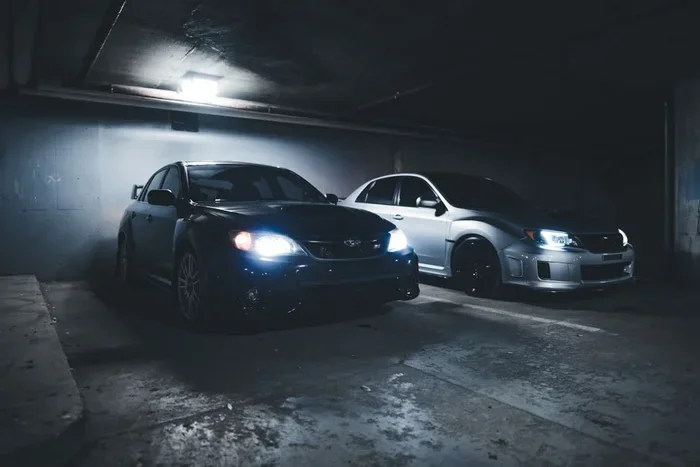
Knowing how to turn on the headlights on a Subaru is essential for safe driving, especially during low-light conditions. This guide walks you through every step, from finding the headlight switch to understanding different lighting modes. You will also learn how to fix common headlight issues and keep your Subaru lighting system in top shape.
Driving a Subaru without working headlights is dangerous and in many places, illegal. Whether you just bought a used Subaru or you have been driving one for years, knowing exactly how to turn on the headlights can save you from a stressful situation. This guide covers everything you need to know about Subaru headlights, from the basic switch location to advanced lighting features.
The good news is that turning on the headlights on a Subaru is straightforward. Most models follow a similar layout, and once you learn it, you will never forget it. We will walk you through every step, every setting, and every common problem you might face along the way.
Whether you drive a Subaru Outback, Forester, Impreza, or Legacy, this article has you covered. You will find clear instructions, helpful tips, and practical advice that makes the whole process simple. Let us get started.
Key Takeaways
- Locate the headlight switch: It is usually on the left side of the steering column or on the dashboard panel.
- Multiple lighting modes exist: You can choose from off, parking lights, low beam, high beam, and auto mode depending on your Subaru model.
- Automatic headlights are convenient: The auto mode lets your Subaru adjust the lighting based on surrounding conditions.
- Common issues are easy to fix: Blown fuses, faulty relays, and burned-out bulbs are the most common reasons headlights fail.
- Regular maintenance matters: Cleaning and checking your headlights often keeps them bright and working properly.
- Know your specific model: Different Subaru models like the Outback, Forester, and Impreza may have slightly different switch locations.
- High beam vs low beam serves different purposes: Use low beam for city driving and high beam for dark rural roads.
📑 Table of Contents
Understanding Your Subaru Headlight System
Before you flip any switch, it helps to understand what you are working with. Subaru vehicles come with a well-designed lighting system that includes several different modes. Each mode serves a specific purpose and keeps you safe on the road.
The main components of your Subaru headlight system include the headlight switch, the dashboard control panel, the headlight bulbs, the headlight relay, and the wiring harness. Together, these parts work to provide you with clear visibility when it is dark, foggy, or raining.
The Headlight Switch Location
On most Subaru models, the headlight switch is located on the left side of the steering column. You will find it as a rotating dial or a toggle switch. In newer models, the switch may be part of a larger control stalk that also controls the turn signals and windshield wipers.
Some Subaru models, especially the higher-end ones, have a button or a digital control on the dashboard instead. If you are not sure where yours is, check your owner’s manual. It will show you the exact location for your specific model year.
When you first get in the car, take a moment to look at the left side of the steering column. You will likely see a switch with symbols for off, parking lights, low beam, and high beam. Understanding these symbols is the first step to mastering your Subaru lighting system.
Dashboard Indicators for Headlights
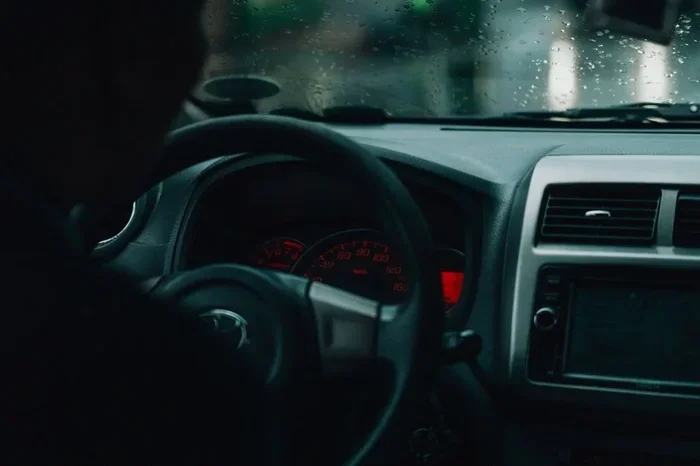
Your Subaru dashboard has small icons that tell you the status of your headlights. When the headlights are off, you will not see any lighting symbol. When the parking lights are on, a small green or amber icon will appear. When the low beam headlights are active, a similar icon with lines pointing to the left will light up on the dashboard.
These dashboard indicators are very helpful because they confirm whether your headlights are actually on. Many drivers assume their headlights are working, only to find out later that the switch was in the wrong position. Always glance at the dashboard before you start driving.
Step-by-Step: How to Turn on the Headlights
Now that you understand the basic system, let us walk through the exact steps. Follow these instructions and you will have your Subaru headlights on in no time.
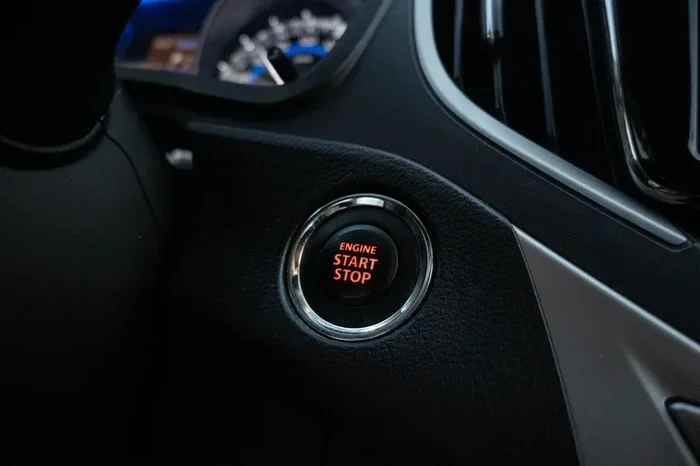
- Step 1: Start the engine. Turn the ignition key or press the start button. The dashboard lights will briefly illuminate, which is normal.
- Step 2: Locate the headlight switch. Look at the left side of the steering column. You will see a dial or a lever with multiple positions.
- Step 3: Rotate or move the switch. Turn the dial clockwise or pull the lever to the desired position. The positions usually go from off to parking lights to low beam to high beam.
- Step 4: Check the dashboard indicator. Look at the instrument cluster. A headlight icon should appear, confirming that the lights are on.
- Step 5: Test the headlights. Look ahead or ask a passenger to check that both headlights are glowing properly.
That is it. The entire process takes just a few seconds. Once you have done it a couple of times, it will become second nature. If you have ever wondered how to set up a proper driving routine, starting with the headlights is a great habit to build.
Tips for First-Time Subaru Owners
If you are new to driving a Subaru, the headlight switch might feel a little confusing at first. That is completely normal. Here are a few quick tips to help you get comfortable:
- Practice turning the headlights on and off a few times in a safe, parked location.
- Memorize the dashboard symbols so you can quickly confirm the light status.
- Keep your owner’s manual in the glove box for quick reference.
- Set a habit of turning the headlights on every time you start the car in low-light conditions.
Low Beam vs High Beam vs Auto Mode
Subaru vehicles offer different headlight modes, and knowing when to use each one is important. The three main modes are low beam, high beam, and automatic mode. Each has its own purpose and benefits.
Low Beam Headlights
Low beam headlights are the most commonly used setting. They provide a short-range, downward-facing light that illuminates the road ahead without blinding oncoming drivers. You should use low beams in city driving, on lit roads, and during foggy or rainy conditions.
Most drivers keep their Subarus on low beam by default. It is the safest and most considerate setting for everyday driving. When you turn on your Subaru headlights, low beam is usually the default position.
High Beam Headlights
High beam headlights provide a long-range, bright light that reaches further down the road. Use high beams on dark, rural roads where there is no oncoming traffic. They give you more time to react to obstacles, animals, or changes in the road surface.
To switch to high beam on most Subaru models, push the headlight stalk or toggle the switch forward. A blue indicator icon will appear on the dashboard to confirm that the high beams are active. Remember to switch back to low beam when another vehicle approaches.
Automatic Headlight Mode
Many newer Subaru models come with an automatic headlight feature. When set to auto, the car uses a sensor to detect ambient light and turns the headlights on or off accordingly. This is a very convenient feature that takes the guesswork out of driving in changing light conditions.
To activate auto mode, rotate the headlight switch to the AUTO position. The dashboard will show an auto indicator. With this setting, you never have to worry about forgetting to turn the lights on at dusk or turning them off during the day.
Common Headlight Problems and How to Fix Them
Even with a simple system, things can go wrong from time to time. Here are the most common headlight problems Subaru owners face and how you can fix them.
Headlights Not Turning On
If your headlights will not turn on, the first thing to check is the switch position. Make sure it is rotated to low beam or high beam and not left in the off position. Next, check the dashboard indicator. If no light appears on the dash, the switch may not be making proper contact.
Another common cause is a blown fuse. Subaru headlight fuses are located in the fuse box under the hood. Check your owner’s manual to find the exact fuse location. Replacing a blown fuse is cheap and easy, and it often solves the problem completely.
One Headlight Is Burned Out
If only one headlight is working, the other bulb is likely burned out. Subaru headlight bulbs are affordable and easy to replace. You can find replacement bulbs at any auto parts store. Simply open the hood, locate the back of the headlight assembly, unplug the old bulb, and plug in the new one.
It is a good idea to replace both bulbs at the same time, even if only one is burned out. This ensures both headlights have the same brightness and color, which improves visibility and safety.
Dim or Flickering Headlights
Dim or flickering headlights usually indicate a problem with the wiring, the relay, or the bulb itself. Start by checking the bulb for a loose connection. If the bulb is fine, the issue may be with the headlight relay. A faulty relay can cause inconsistent power delivery to the headlights.
In some cases, dim headlights are caused by dirty or oxidized lens covers. Over time, the plastic headlight housings can become cloudy, which reduces light output. You can clean them with a headlight restoration kit or simply replace the entire assembly if the damage is severe.
Headlight Maintenance Tips for Subaru Owners
Keeping your Subaru headlights in great shape does not require a lot of effort. A little regular maintenance goes a long way toward ensuring clear visibility and long bulb life.
- Clean the headlights regularly. Use a soft cloth and a gentle cleaner to remove dirt, bugs, and road grime from the lens covers.
- Check the alignment periodically. Misaligned headlights can blind other drivers and reduce your own visibility. Have a mechanic check the aim during routine service visits.
- Replace bulbs in pairs. Always replace both headlights at the same time to maintain consistent brightness and color temperature.
- Inspect the wiring. Look for frayed wires or corroded connectors near the headlight assemblies. Address any issues early to prevent bigger problems.
- Use the correct bulb type. Check your owner’s manual for the recommended bulb type and wattage for your specific Subaru model.
These simple maintenance habits will keep your Subaru headlights working at their best for years. If you take care of your lighting system, it will take care of you on the road.
When to Seek Professional Help
Most headlight issues are easy to fix on your own. But some problems require the attention of a trained mechanic. If you have replaced the bulbs and checked the fuses but the headlights still do not work, it is time to visit a professional.
Electrical issues in the Subaru lighting system can be complex. Problems with the headlight relay, the wiring harness, or the body control module should be diagnosed by someone with the right tools and experience. A qualified mechanic can quickly identify the root cause and get your headlights working again.
Also, if you notice moisture inside the headlight assembly, do not ignore it. Water inside the housing can damage the bulb and the electrical connections. A mechanic can seal or replace the assembly to prevent further damage.
Frequently Asked Questions
Where is the headlight switch on a Subaru?
The headlight switch is typically located on the left side of the steering column. It is a rotating dial or a toggle switch that controls the different lighting modes. In some newer Subaru models, the switch may be integrated into the dashboard control panel or the steering column stalk.
How do I turn on the automatic headlights on my Subaru?
To activate automatic headlights, rotate the headlight switch to the AUTO position. The dashboard will display an auto indicator light. The system will then automatically turn the headlights on or off based on the ambient light conditions around your vehicle.
What should I do if one Subaru headlight is not working?
First, check if the bulb is burned out by inspecting the headlight assembly. If the bulb is fine, check the fuse box for a blown fuse. If both the bulb and fuse are okay, the issue may be with the wiring or the relay, which a mechanic should inspect.
Can I use LED bulbs in my Subaru headlights?
Yes, many Subaru owners upgrade to LED bulbs for brighter and more energy-efficient lighting. However, make sure the LED bulbs are compatible with your specific Subaru model. Some vehicles may require a decoder or adapter to prevent flickering or error messages on the dashboard.
How often should I replace my Subaru headlight bulbs?
Subaru headlight bulbs typically last between 450 and 1,000 hours of use, depending on the bulb type. If you notice dimming or flickering, it is a good sign that the bulb needs to be replaced. Replacing bulbs in pairs ensures consistent lighting on both sides.
Is it illegal to drive with only one working headlight?
Yes, in most states and countries, it is illegal to drive with a burned-out headlight. Both headlights must be functioning properly to meet road safety regulations. Driving with only one working headlight can result in a traffic ticket and increases the risk of accidents.
Final Thoughts
Learning how to turn on the headlights on a Subaru is one of the simplest yet most important skills every driver should have. Whether you use low beam for city streets, high beam for dark highways, or auto mode for effortless convenience, your Subaru lighting system is designed to keep you safe and visible on the road.
Remember to check your headlights regularly, replace bulbs when needed, and address any electrical issues promptly. A well-maintained lighting system not only improves your visibility but also protects everyone else on the road. With the steps and tips in this guide, you are now fully equipped to handle your Subaru headlights with confidence. Drive safely and enjoy the road ahead.