The Pros and Cons of Ceramic Coating Cars Explained
Ceramic coating cars offers incredible paint protection and a stunning glossy finish, but it comes with a high price tag and requires professional application. This guide covers every major benefit and drawback to help you decide if ceramic coating is right for your vehicle.
Key Takeaways
- Long-Lasting Protection: Ceramic coating creates a durable barrier that shields your car from UV rays, dirt, and minor scratches for years.
- Stunning Gloss: Your car gets a deep, mirror-like shine that traditional wax simply cannot match.
- Hydrophobic Properties: Water beads off the surface, making washing and maintenance much easier.
- High Upfront Cost: Professional ceramic coating can be expensive, ranging from several hundred to over a thousand dollars.
- Not a Repair Solution: Ceramic coating does not fix existing paint damage or swirl marks.
- Professional Installation Matters: DIY kits exist, but professional application delivers far better and longer-lasting results.
📑 Table of Contents
- What Is Ceramic Coating for Cars?
- The Pros of Ceramic Coating Cars
- The Cons of Ceramic Coating Cars
- Ceramic Coating vs Traditional Wax and Sealant
- Is Ceramic Coating Right for Your Car?
- How to Prepare Your Car for Ceramic Coating
- Common Mistakes to Avoid with Ceramic Coating
- Expert Insights on Ceramic Coating
- How Long Does Ceramic Coating Last?
- Conclusion
What Is Ceramic Coating for Cars?
Ceramic coating cars means applying a liquid polymer to your vehicle’s exterior. This coating bonds chemically with your car’s factory clear coat. It forms a protective layer that lasts for years. Many car owners and car detailing enthusiasts swear by this method.
The coating creates a hydrophobic surface. This means water rolls right off. Dirt and grime have a harder time sticking too. The result is a car that looks amazing and stays cleaner longer.
Unlike traditional car wax, ceramic coating is not something you reapply every few weeks. It forms a semi-permanent bond. Most coatings last between two and five years with proper care. This longevity is one of the biggest selling points.
The Pros of Ceramic Coating Cars
There are many reasons why people choose to coat their cars. Let us break down the biggest advantages.
Long-Lasting Paint Protection
The biggest advantage of ceramic coating cars is the protection it offers. The coating shields your paint from harmful UV rays. It also protects against bird droppings, tree sap, and acid rain. These elements can damage your paint over time. With ceramic coating, your clear coat stays intact much longer.
Scratch resistance is another major benefit. The coating adds a hard layer over your paint. It cannot stop deep scratches from rocks or keys. But it does reduce the risk of minor swirl marks and light scratches. This makes your daily driving experience much less stressful.
Stunning Glossy Finish
Nothing beats the shine of a freshly ceramic-coated car. The coating enhances the depth and clarity of your paint. Your car looks like it just rolled off the showroom floor. Many owners say the glossy finish is worth the investment alone.
Traditional wax gives a nice shine too. But it fades quickly. Ceramic coating maintains that high-gloss look for months. You do not need to constantly polish or wax your car. The coating does the heavy lifting on its own.
Easy to Clean and Maintain
If you love a clean car but hate the work that goes into it, ceramic coating is a game changer. The hydrophobic properties mean water slides right off. Dirt and grime wash away easily. Your car stays cleaner for longer periods between washes.
Think of it like caring for a desk plant — just as proper care makes a plant thrive with less effort, a ceramic-coated car requires less maintenance to keep it looking great. You spend less time at the car wash and more time enjoying your ride.
Here are some of the cleaning benefits:
- Water beads off the surface quickly
- Bug splatter and tar are easier to remove
- Less frequent washing is needed
- No more waxing every few months
- Road salt and chemicals wipe off easily
Cost-Effective Over Time
Yes, the ceramic coating cost is high upfront. But think about what you save over time. You buy fewer wax products. You spend less time and money on paint correction. The coating reduces the need for frequent detailing visits. Over several years, it can actually save you money.
The Cons of Ceramic Coating Cars
Ceramic coating is not perfect. Let us look at the downsides honestly.
High Initial Cost
The ceramic coating cost is the number one concern for most car owners. Professional application can range from $500 to $2,000 or more. The price depends on your vehicle size and the quality of the coating. Premium coatings cost more but also last longer.
Compare this to a good quality car wax, which might cost $20 to $50. Even a premium wax needs reapplication every few months. The upfront cost of ceramic coating is definitely a barrier for many people. You need to weigh the long-term benefits against the initial expense.
Professional Installation Required
While DIY ceramic coating kits exist, they are not as effective as professional application. Professional ceramic coating requires a trained technician. The surface must be prepped perfectly. Any mistakes during application can ruin the result.
Think about it this way — just as setting up a study desk at the right standard height makes all the difference in comfort and productivity, proper surface preparation and application technique make all the difference in ceramic coating results. Cutting corners leads to poor performance.
Professional installation also takes time. The process can take one to three days depending on the condition of your paint. You cannot just coat your car in an afternoon and drive it away.
Not a Fix for Existing Damage
One common misconception is that ceramic coating fixes paint problems. It does not. If your car has swirl marks, scratches, or oxidation, the coating will lock those imperfections in place. You need paint correction before applying ceramic coating.
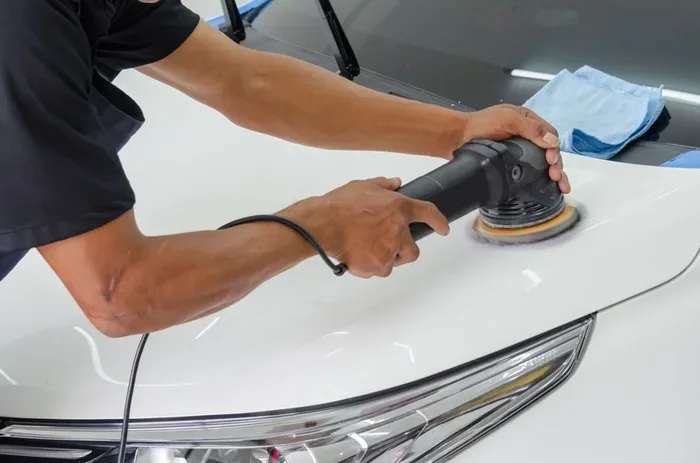
Paint correction involves machine polishing. This removes a thin layer of clear coat. It is an additional cost and process. Factor this into your budget and timeline before getting coated.
Limited Lifespan
Ceramic coating is not truly permanent. Most coatings last two to five years. After that, the protection gradually degrades. You will need to reapply or refresh the coating. This means ongoing maintenance, even if less frequent than waxing.
Also, the coating can wear unevenly. Areas exposed to more sun or frequent washing may degrade faster. You need to be aware of this when planning long-term care for your vehicle.
No Protection Against Heavy Damage
Ceramic coating is not a substitute for a paint protection film or PPF. It cannot protect against rock chips, deep scratches, or parking lot dings. If you want full body protection, you may need to combine ceramic coating with PPF. This adds to the overall cost.
Ceramic Coating vs Traditional Wax and Sealant
Many car owners wonder how ceramic coating compares to traditional options. Here is a quick comparison.
| Feature | Ceramic Coating | Car Wax | Paint Sealant |
|---|---|---|---|
| Durability | 2-5 years | 1-3 months | 3-6 months |
| Gloss Level | Very High | Medium-High | Medium |
| Hydrophobic | Excellent | Low | Medium |
| UV Protection | Excellent | Moderate | Good |
| Cost | High upfront | Low | Low-Medium |
| Ease of Application | Difficult | Easy | Easy |
| Scratch Resistance | Good | Low | Low-Medium |
As you can see, ceramic coating wins on durability and protection. But it costs more and is harder to apply. Traditional wax is easier and cheaper but needs frequent reapplication. Paint sealant sits somewhere in between. Your choice depends on your budget, how much time you want to spend, and how long you want the protection to last.
Is Ceramic Coating Right for Your Car?
The answer depends on several factors. Think about your lifestyle, your budget, and how much you care about your car’s appearance.
If you drive your car every day and want it to look great with minimal effort, ceramic coating is a great choice. It is also ideal if you live in an area with harsh weather. UV exposure, road salt, and pollution can all damage your paint. Ceramic coating adds a strong defense layer.
However, if you have a older vehicle with lots of existing paint issues, you might want to explore other options first. Paint protection film or regular waxing might be more practical. Ceramic coating works best on cars with clean, well-maintained paint.
Consider your long-term plans too. If you keep your car for many years, ceramic coating pays for itself. If you trade in your car every couple of years, the investment might not make sense.
How to Prepare Your Car for Ceramic Coating
Surface preparation is the most important step in the ceramic coating process. If the surface is not clean, the coating will not bond properly.
- Wash your car thoroughly. Remove all dirt, grime, and contaminants.
- Use a clay bar. This removes embedded particles from the paint surface.
- Polish if needed. Address any swirl marks or light scratches.
- Wipe down with isopropyl alcohol. This removes any remaining oils or residues.
- Keep the surface free from touch. Oils from your hands can interfere with bonding.
Take your time with this process. Rushing through preparation is the most common mistake people make. A properly prepped surface ensures the coating lasts as long as possible.
Common Mistakes to Avoid with Ceramic Coating
Even with the best coating, mistakes can ruin the results. Here are a few to watch out for.
- Skipping paint correction. Coating over damaged paint locks in imperfections.
- Applying in direct sunlight. Heat causes the coating to cure too fast and unevenly.
- Using low-quality products. Cheap coatings do not last and offer weak protection.
- Not curing the coating properly. Keep your car dry for 24-48 hours after application.
- Using harsh chemicals when washing. Stick to pH-neutral car wash soaps to preserve the coating.
Avoiding these mistakes helps you get the most out of your ceramic coating cars investment. A little patience goes a long way.
Expert Insights on Ceramic Coating
Professional detailers agree on a few key points. First, ceramic coating is not a one-time miracle fix. It requires proper maintenance to perform well. Second, not all coatings are created equal. Ceramic coatings range from budget-friendly to premium-grade. Third, the surface preparation matters more than the coating product itself.
Many experts recommend combining ceramic coating with other protection methods. For example, using a coating on the paint and a separate paint protection film on high-impact areas like the front bumper and hood. This layered approach gives you the best of both worlds.
Also, do not expect instant perfection. Ceramic coating enhances your car’s existing paint condition. It does not transform a dull, damaged paint job into a showroom finish. Manage your expectations and you will be much happier with the results.
How Long Does Ceramic Coating Last?
The lifespan of ceramic coating depends on several factors. The quality of the coating plays a big role. Premium coatings can last five years or more. Budget coatings may only last one to two years.
Your maintenance routine also matters. Regular washing with proper products extends the coating’s life. Parking in a garage or shaded area helps too. UV exposure is the biggest enemy of any protective coating.
Most detailers recommend a yearly inspection. They can check the coating’s condition and suggest a refresh if needed. This keeps your protection level consistent throughout the years.
Conclusion
Ceramic coating cars is a fantastic investment for those who want long-lasting paint protection and a brilliant shine. The benefits of durability, easy maintenance, and hydrophobic properties are hard to ignore. At the same time, the high upfront cost and need for professional application are real considerations.
If you take care of your vehicle and want it to look its best for years, ceramic coating is worth serious consideration. Just make sure you understand the process, set realistic expectations, and choose a reputable installer. The right approach to ceramic coating keeps your car looking stunning and protected for a long time to come.
FAQs
Can I apply ceramic coating myself?
Yes, DIY kits are available. However, professional application produces much better and longer-lasting results. DIY kits are a good option if you have experience with car detailing and want to save money.
Does ceramic coating prevent all scratches?
No. Ceramic coating reduces the risk of minor swirl marks and light scratches. It does not protect against deep scratches from rocks, keys, or hard impacts. For heavy impact protection, consider combining ceramic coating with paint protection film.
How much does ceramic coating cost?
The cost varies widely. Professional ceramic coating typically ranges from $500 to $2,000. The price depends on your vehicle size, the coating quality, and the condition of your paint. Additional services like paint correction will increase the total cost.
Can ceramic coating be removed?
Yes, ceramic coating can be removed. It requires machine polishing to strip the coating off the paint. This is usually done when the coating has worn off or when you want to apply a new coating. A professional detailer can handle the removal safely.
Is ceramic coating worth it for a daily driver?
Absolutely. Daily drivers benefit greatly from ceramic coating. The hydrophobic properties make washing easier. The UV protection shields your paint from sun damage. And the reduced need for frequent waxing saves you time and money over the long run.
How long does the curing process take?
Most ceramic coatings cure within 24 to 48 hours. During this time, keep your car dry and away from rain or water. Avoid parking under trees or in dusty areas. Full curing can take up to seven days for some premium coatings. Follow your installer’s specific instructions for the best results.