How Would a Car React with Too Much Oil in the Engine
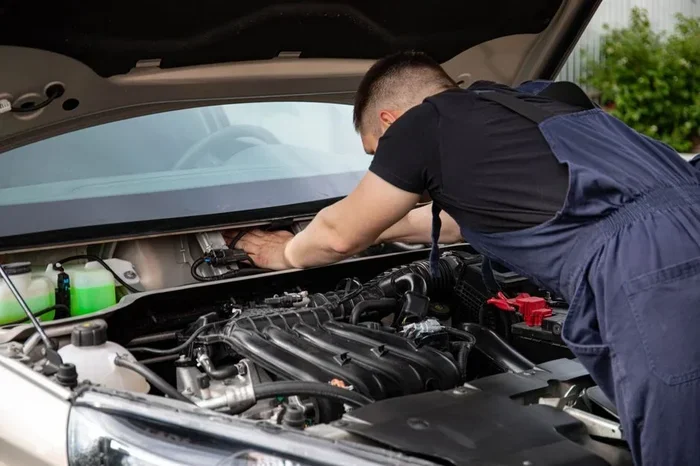
Too much oil in your engine creates dangerous pressure, causes blue exhaust smoke, and can lead to costly repairs. When oil levels exceed the recommended mark, it foams, loses lubrication, and damages critical engine parts. This guide covers every symptom, risk, and fix so you can protect your car from overfill damage.
Your car engine needs oil to run smoothly. Oil lubricates moving parts, reduces friction, and keeps temperatures in check. But what happens when you put in too much? The answer might surprise you. Too much oil in engine can cause serious problems that range from minor leaks to major engine failure. Many car owners do not realize that overfilling is just as dangerous as running low. In this article, we will walk through exactly how a car reacts when oil levels exceed the safe limit.
Understanding the signs of an oil overfill can save you hundreds of dollars in repairs. Whether you just finished an oil change or suspect the previous mechanic added too much, this guide has you covered. We will look at every symptom, every risk, and every solution. You will learn why oil levels matter and how to keep your engine healthy. Let us dive in.
Key Takeaways
- Overfilling oil raises crankcase pressure, which can damage seals and gaskets.
- Foaming oil loses its lubricating power, causing increased engine wear.
- Blue or white exhaust smoke is a clear sign of too much oil burning in the combustion chamber.
- Spark plugs can foul quickly when oil enters the combustion area.
- Draining excess oil is the primary fix, and it is a simple DIY task.
- Regular oil level checks prevent overfill problems before they start.
📑 Table of Contents
- What Happens When You Put Too Much Oil in Your Engine?
- Common Symptoms of Too Much Oil in the Engine
- How Does Excess Oil Damage Engine Components?
- Can Too Much Oil Cause an Engine Fire?
- How to Fix an Oil Overfill
- How to Prevent Oil Overfill in the Future
- How Much Oil Does Your Engine Actually Need?
- Conclusion
What Happens When You Put Too Much Oil in Your Engine?
Engine oil operates within a very specific range. The dipstick has minimum and maximum marks for a reason. When you exceed the maximum line, several things start to go wrong inside the crankcase. The oil has nowhere to expand, and pressure builds up fast.
Increased Crankcase Pressure
The crankcase is the lower part of your engine where oil sits. When there is too much oil, the rotating crankshaft starts churning through it. This creates foam and air bubbles. Foam cannot lubricate the way liquid oil does. It also increases pressure inside the crankcase. High pressure pushes oil past seals and gaskets that are not designed to handle that force.
This is one of the first ways a car reacts with too much oil. You may notice oil seeping from the engine gasket or around the oil pan. Some cars even push oil out through the breather tube. That tube is supposed to release small amounts of vapor, not liquid oil. When excess oil enters the combustion chamber, it burns and creates blue or white exhaust smoke.
Oil Foaming and Loss of Lubrication
Foaming is a big problem with overfilled oil. When the crankshaft spins rapidly, it whips the oil into a froth. Think of shaking a bottle of oil really fast. That froth contains air pockets instead of a solid liquid film. The lubrication between engine parts becomes weak and inconsistent.
Without proper lubrication, metal parts grind against each other. This causes increased wear on bearings, camshafts, and connecting rods. Over time, this wear leads to expensive repairs. The oil also loses its ability to absorb heat. This can contribute to engine overheating, especially during heavy use.
Common Symptoms of Too Much Oil in the Engine
Your car will tell you when something is wrong. The key is knowing what to look for. Here are the most common symptoms of an oil overfill:
- Blue or white smoke from the exhaust — oil burns in the combustion chamber and produces colored smoke.
- Oil leaks under the car — excess pressure pushes oil past seals and gaskets.
- Unusual engine noise — foaming oil fails to cushion moving parts, causing knocking or tapping sounds.
- Check engine light — oil pressure sensors detect abnormal levels and trigger warning lights.
- Strong oil smell — burning oil inside the engine produces a noticeable odor inside the cabin.
- Reduced engine performance — misfires, stalling, and sluggish acceleration can all result from oil contamination.
Not every symptom appears at once. Some cars show one or two signs early, while others do not display obvious problems until the damage is already done. This is why regular checks matter. If you ever notice any of these signs, check your oil level immediately. A simple dipstick reading can confirm whether you have an overfill issue.
How Does Excess Oil Damage Engine Components?
Too much oil does not just cause surface-level problems. It can damage critical internal components over time. Here is a closer look at how each part of your engine suffers from an oil overfill.
Spark Plug Fouling
When oil enters the combustion chamber, it coats the spark plugs. A fouled spark plug cannot create a proper spark. This leads to misfires, rough idling, and poor fuel economy. You may notice your engine running unevenly or struggling to start. In many cases, cleaning or replacing the spark plugs becomes necessary after an oil overfill event.
Catalytic Converter Damage
Burning excess oil produces harmful residues. These residues travel through the exhaust system and reach the catalytic converter. Over time, the converter becomes clogged or damaged. A failing catalytic converter is one of the most expensive repairs on any vehicle. It can cost several hundred to over a thousand dollars to replace. Preventing oil overfill is a simple way to protect this component.
Piston Ring and Cylinder Wear
Oil that floods the cylinder walls creates a barrier between the piston rings and the cylinder. This prevents proper sealing and reduces compression. Over time, the rings can become stuck or damaged. Loss of compression means less power and more oil consumption. This creates a vicious cycle that worsens the problem.
Oil Seal and Gasket Failure
The increased pressure from excess oil pushes against seals and gaskets. These components are designed for normal operating pressure, not the extra force from overfilling. Once a seal fails, oil leaks develop. Leaks can be slow at first but quickly become worse if the pressure continues. Replacing engine seals is an involved repair that requires draining the oil and disassembling parts of the engine.
Can Too Much Oil Cause an Engine Fire?
While rare, an oil overfill can create conditions that increase fire risk. When excess oil contacts hot engine components like the exhaust manifold, it can ignite. Oil that leaks onto the engine block or wiring can also become a fire hazard. This is why addressing an overfill quickly is so important.
Most modern cars have oil pressure relief systems. These help manage excess pressure, but they are not foolproof. If you suspect your oil level is too high, do not ignore it. Check the level with the dipstick and compare it to the max mark. If the oil is above the max line, you need to take action right away.
Working in your garage? Make sure you have good lighting to read the dipstick accurately. A desk lamp with a clamp can provide the focused light you need under the hood. And keeping your workspace organized with a well-organized workspace makes any maintenance task safer and faster.
How to Fix an Oil Overfill
If you discover that you have put too much oil in your engine, do not panic. The fix is straightforward, and you can do it yourself with basic tools. Here is how to handle an oil overfill safely.
Step 1: Check the Oil Level
Start by parking your car on a level surface. Wait a few minutes for the oil to settle. Pull the dipstick, wipe it clean, reinsert it, and then pull it out again. Read the level and compare it to the min and max marks. If the oil is above the max line, you have confirmed the overfill.
Step 2: Drain the Excess Oil
The easiest way to remove excess oil is to drain it from the oil drain plug. Here is how:
- Jack up the front of the car and secure it on jack stands.
- Place an oil pan under the drain plug.
- Remove the drain plug and let the excess oil flow out.
- Replace the drain plug once the level is correct.
Alternatively, you can use a suction pump to remove oil through the dipstick tube. This method is cleaner and does not require jacking up the car. Many auto parts stores sell affordable suction pumps designed for this purpose.
Step 3: Verify the Correct Level
After draining, recheck the oil level with the dipstick. The oil should sit between the min and max marks. Ideally, it should be close to the max line but not above it. Once you confirm the level is correct, start the engine and let it run for a few minutes. Check for leaks and monitor the oil pressure gauge.
Step 4: Monitor for Symptoms
Even after fixing the overfill, keep an eye on your car for a few days. Watch for any remaining smoke, leaks, or unusual noises. If symptoms persist, it may mean that the overfill has already caused damage. In that case, take your car to a trusted mechanic for a thorough inspection.
Having the right tools and workspace makes a big difference when you are maintaining your car. A clean, well-lit area helps you work safely and accurately. Setting up a proper workspace, even at home, can improve your confidence when handling repairs. If you want tips on organizing your workspace, check out our guide on how to set up a study desk for ideas on creating an efficient and functional space.
How to Prevent Oil Overfill in the Future
Prevention is always better than cure. Here are simple steps to avoid putting too much oil in your engine:
- Add oil gradually — pour small amounts and check the dipstick after each addition.
- Use the correct oil type — check your owner manual for the recommended viscosity and grade.
- Measure before pouring — use a measuring container instead of pouring directly from a large jug.
- Check the level after every oil change — make it a habit to verify the level once the car has been running and settled.
- Follow the recommended oil capacity — every engine has a specific oil capacity listed in the manual. Stick to that number.
Taking these precautions ensures your engine stays properly lubricated without the risks of overfilling. A few extra minutes of care during an oil change can save you from expensive repairs down the road.
How Much Oil Does Your Engine Actually Need?
Every engine has a specific oil capacity. This number varies by make, model, and engine size. A small four-cylinder engine might need only 3 to 4 quarts, while a larger V6 or V8 engine could require 5 to 8 quarts. Always refer to your owner manual for the exact capacity.
When adding oil, start with the recommended amount and then check the level. If the dipstick shows the oil is still below the min mark after adding the full amount, add small increments until it reaches the proper range. Never assume that more oil is better. The max mark exists for a reason, and exceeding it creates the problems we discussed above.
Understanding your engine’s oil needs is one of the most basic and important parts of car ownership. It keeps your engine running smoothly and helps you avoid costly mistakes. If you want to learn more about engine maintenance, our article on how much electricity does a desk lamp use might seem unrelated, but it shares the same principle: understanding the limits of any system prevents damage and improves performance.
Conclusion
Too much oil in engine is a serious issue that should not be ignored. From increased crankcase pressure to blown gaskets, the damage can be extensive and expensive. The good news is that overfill problems are easy to prevent and straightforward to fix. Regular oil level checks, careful oil additions, and prompt action when you notice symptoms can keep your engine in great shape.
Remember the key signs: blue exhaust smoke, oil leaks, unusual engine noise, and reduced performance. If you notice any of these, check your oil level right away. Draining excess oil is a simple fix that most car owners can do at home with basic tools. Keep your workspace organized, use proper lighting, and always follow your engine’s oil capacity guidelines.
Your car depends on the right amount of oil to run well. Treat it with care, and it will reward you with years of reliable performance. Stay proactive, stay informed, and keep your engine running smoothly for miles to come.
Frequently Asked Questions
Can too much oil cause engine misfires?
Yes, excess oil can enter the combustion chamber and coat the spark plugs. This prevents proper ignition and leads to misfires. If you experience rough idling or stumbling acceleration after an oil change, check your oil level immediately.
How do you know if oil is foaming inside the engine?
Foaming oil often produces a bubbling or gurgling sound from the engine bay. You may also notice reduced oil pressure on the gauge. The oil on the dipstick may look frothy or foamy instead of smooth and glossy.
Is it safe to drive with too much oil in the engine?
It is not recommended. Driving with overfilled oil can cause seal damage, oil leaks, and increased engine wear. If you must drive a short distance, keep the trip brief and monitor your dashboard warning lights closely.
How much oil overfill is dangerous?
Even a small amount above the max mark can cause problems. However, being 1 to 2 quarts over is more likely to trigger noticeable symptoms. Any amount above the max line should be corrected as soon as possible.
Can too much oil damage the catalytic converter?
Yes. Burning excess oil creates residues that clog the catalytic converter over time. A damaged catalytic converter is an expensive repair, so preventing oil overfill is an important part of car maintenance.
What is the best way to remove excess oil from an engine?
The most effective method is to drain oil through the drain plug. A suction pump inserted through the dipstick tube is another good option. Both methods allow you to remove the exact amount of excess oil needed to bring the level back to the proper range.